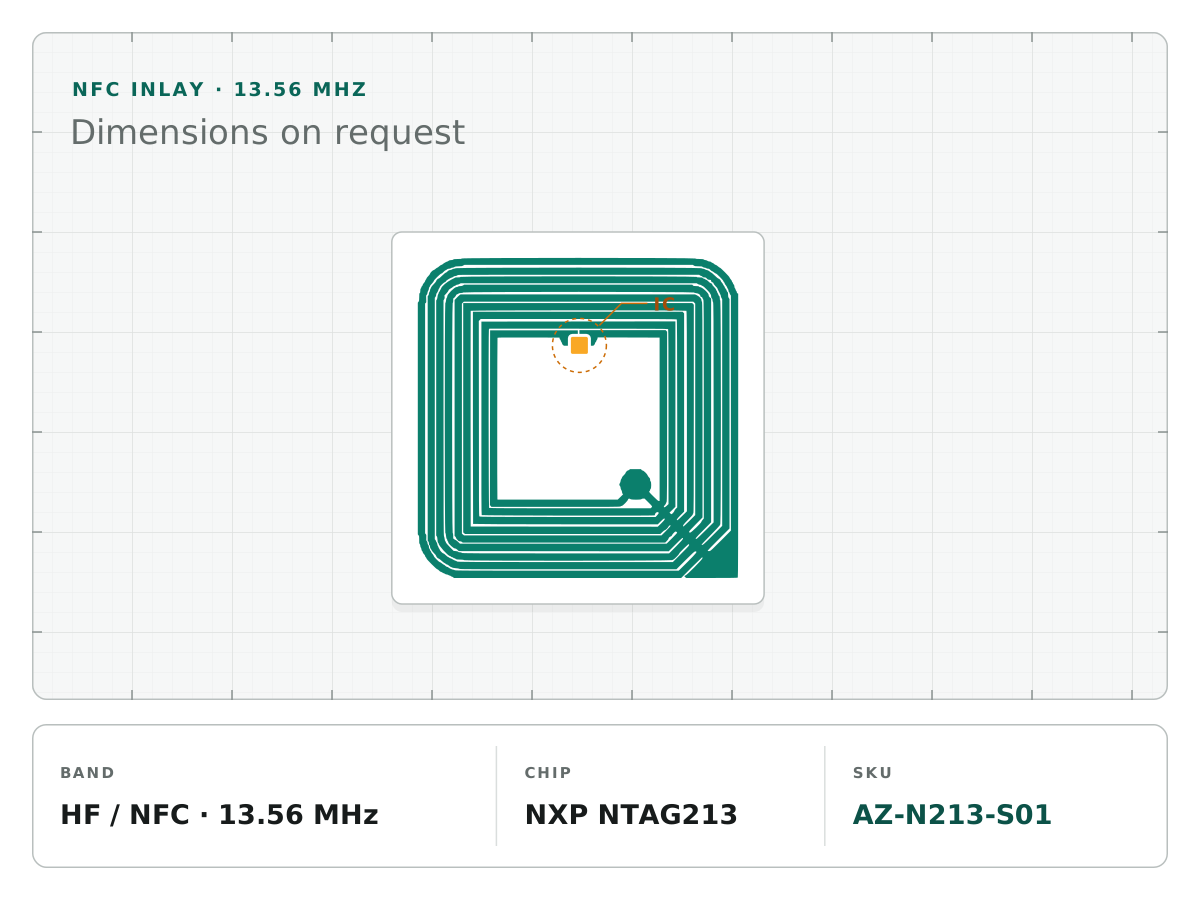
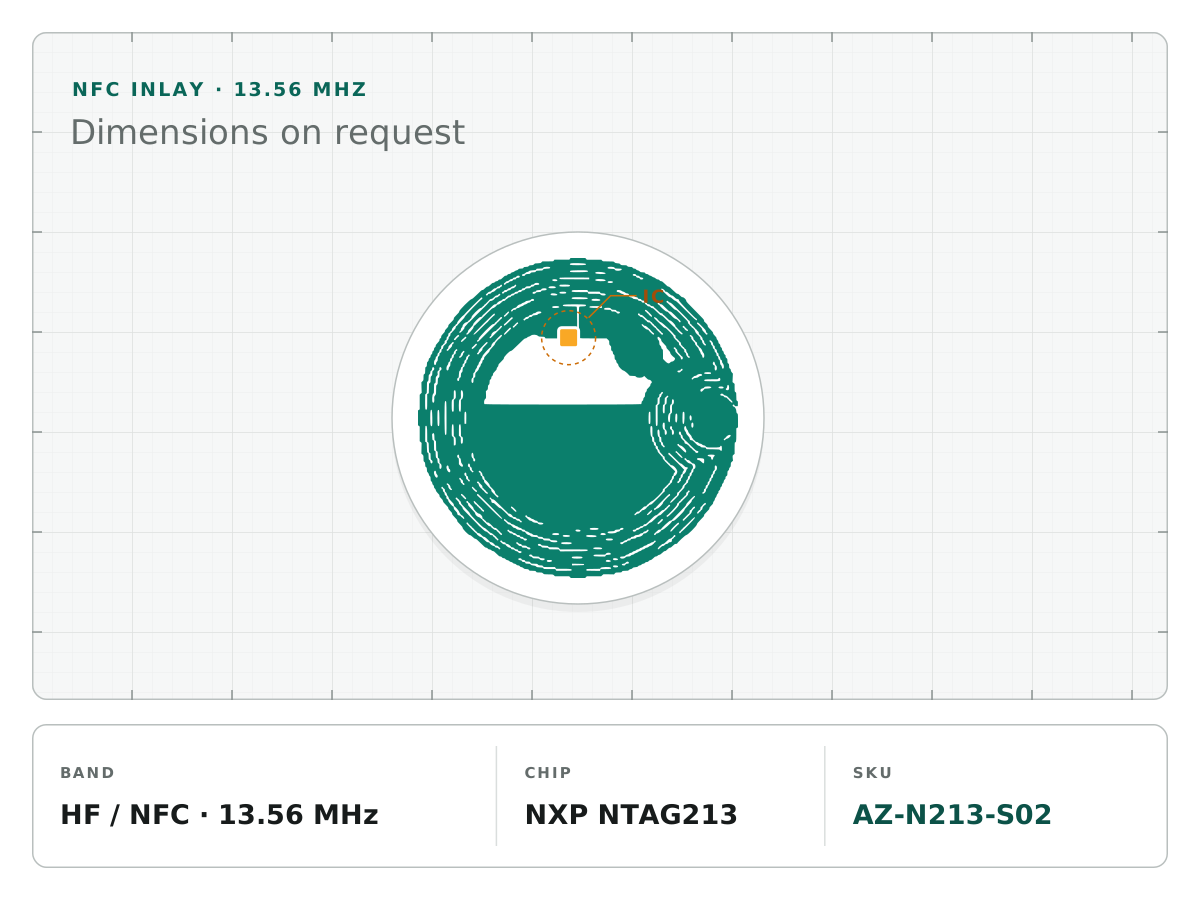
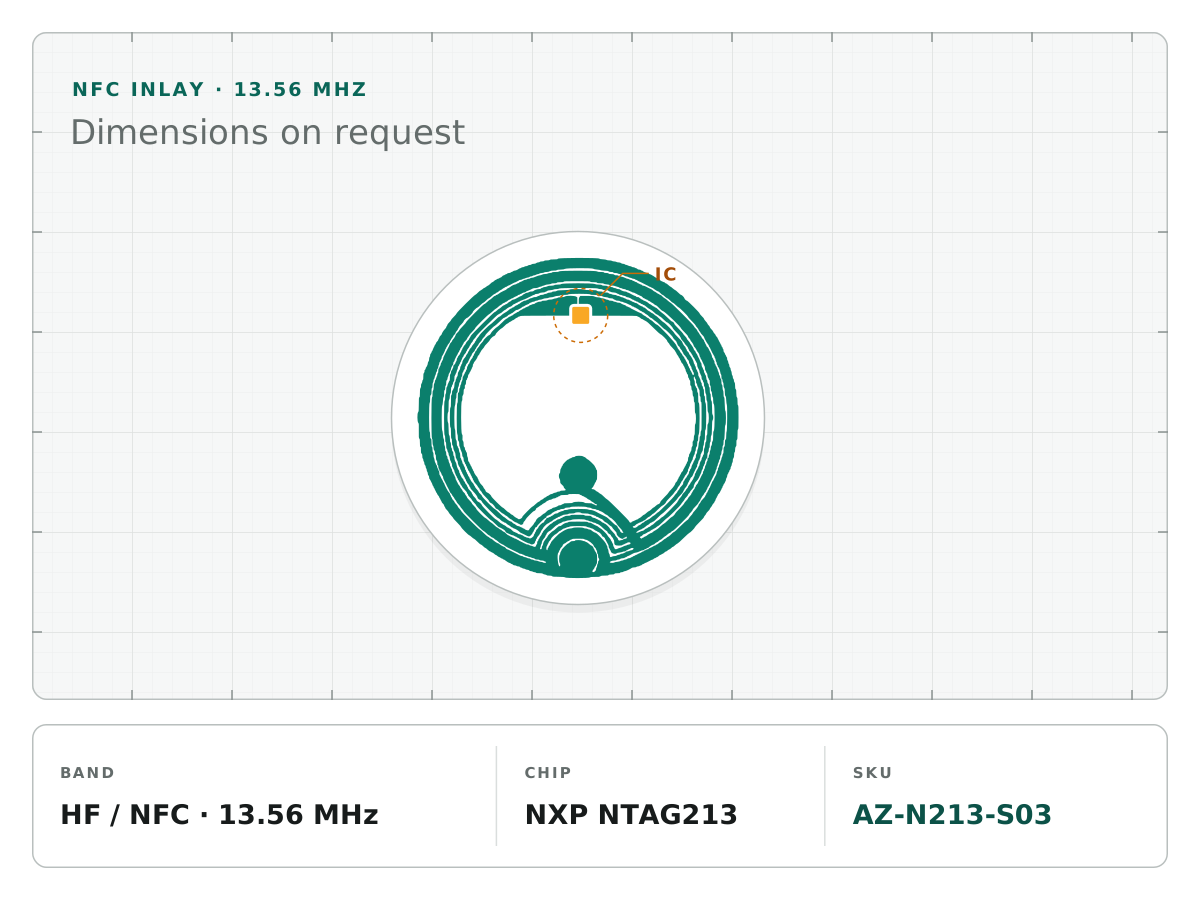
A phone tap can open a product page, record a serial or initiate an authentication check. These are different promises. Start by naming the problem: copied packaging, copied tag data, a reused genuine tag, or diversion through an unauthorized channel.
Choose a security level deliberately
| Goal | Design to evaluate |
|---|---|
| Product information and engagement | Standard NFC tag carrying an NDEF link |
| Serialized tracking and unusual-scan detection | Unique item record plus a managed backend |
| Resistance to copied static data | A suitable cryptographic tag and verification service |
| Resistance to transfer onto another package | Mechanical tamper evidence plus the relevant security system |
NXP’s NTAG213 provides a UID, an originality signature and password-based memory controls. Those features should not be described as a per-tap cryptographic proof of your product. NXP’s NTAG 424 DNA is an example of a different class with cryptographic features; it is discussed here as a technical option, not a claim that it is stocked in this catalog.
Secure the identity binding
The system must know which tag belongs to which product before the item leaves the line. Define who provisions keys, who owns the serial registry and how rejects are destroyed or quarantined. Avoid shipping active duplicates. If encoding is outsourced, agree access, audit and recovery arrangements with the service operator.
A valid response from a genuine tag still leaves a transfer question: could it have been removed from another package? Adhesive, destructive structures and placement across a closure can help, but must be tested against the relevant removal methods.
Design the consumer result
Use clear outcomes such as verified, unrecognized or unable to check. Do not show “genuine” merely because a static URL loaded. Explain how repeated scans are treated, how the service behaves offline and what the customer should do if verification fails.
Keep the destination under controlled ownership. Plan link longevity, backend maintenance, privacy notices and the handling of scan data. A permanent tag with a short-lived web service is a poor customer experience.
Test the finished packaging
Evaluate NFC and HF tags on the actual decorated package, with representative phones and tap positions. Foil and metal need a qualified construction. Check the mechanical removal behavior separately from RF performance. For upstream bulk inventory, UHF labels can carry a linked logistics identity.
Send your packaging, desired user experience and threat model to Antenza engineering. Establish the security architecture with the verification provider before selecting the final label or promising anti-counterfeit performance.