A digital product passport is an information system connected to a physical product. RFID or NFC can carry an identifier or a link into that system. Neither the tag nor a landing page alone establishes regulatory compliance.
This guide describes engineering roles as of October 1, 2026. Determine the rule and application date for the exact product group from current EU law and implementation measures; do not use a general article as the legal approval for a shipment.
Framework and product rules are different
The Ecodesign for Sustainable Products Regulation, Regulation (EU) 2024/1781, creates a framework for product requirements and passports. Requirements are developed through product-specific or grouped measures. A working-plan target is not automatically the date a particular product must comply.
Identify the applicable measure, scope, data requirements and responsible economic operator. Do not state that every textile, electronic item or consumer product already has the same passport obligation. Other legislation may create separate obligations that need their own review.
Choose a carrier for each access task
| Access task | Carrier to evaluate |
|---|---|
| Consumer opens the product record | Camera-readable code or supported NFC link |
| Warehouse inventories serialized items | UHF RFID identity |
| Service or recycling station identifies the item | Carrier compatible with installed equipment |
| Authentication is also required | Separate, explicit security architecture |
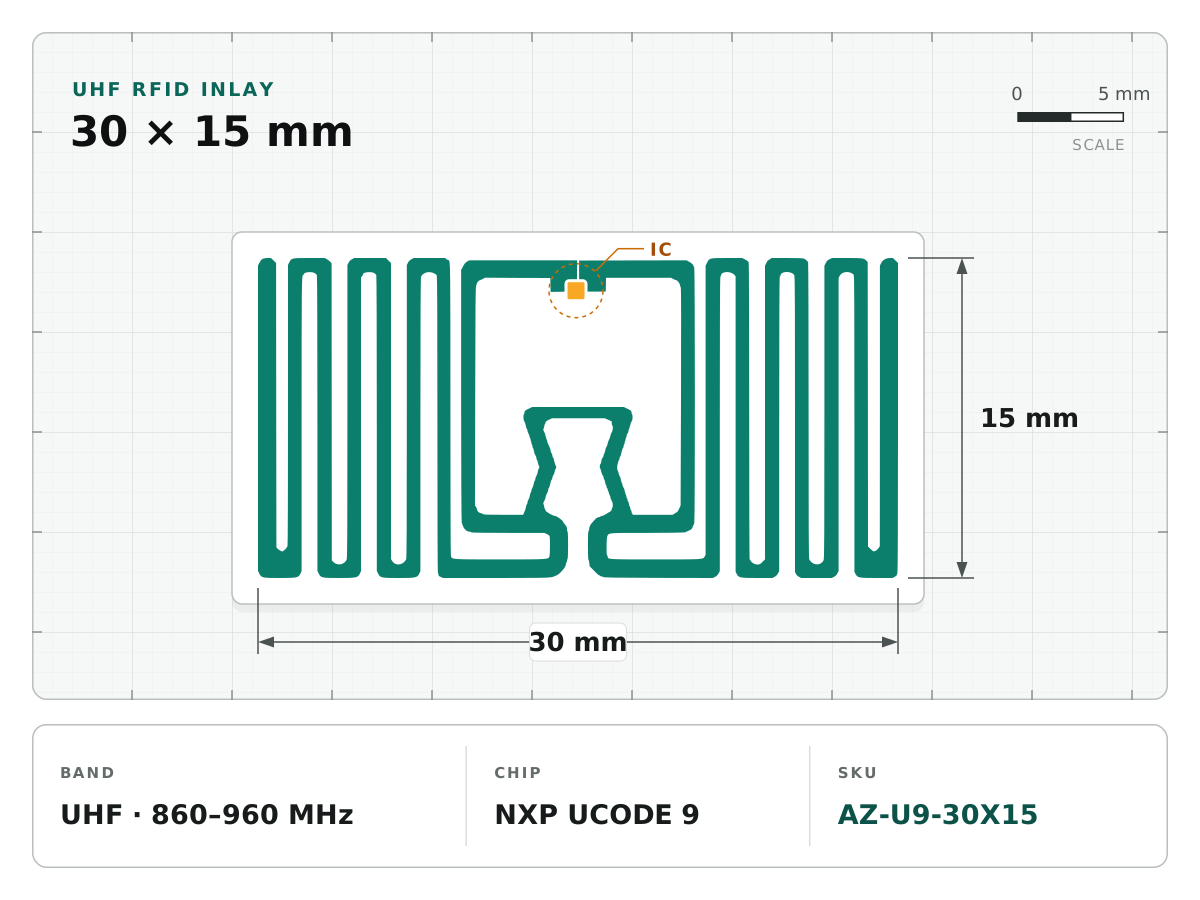
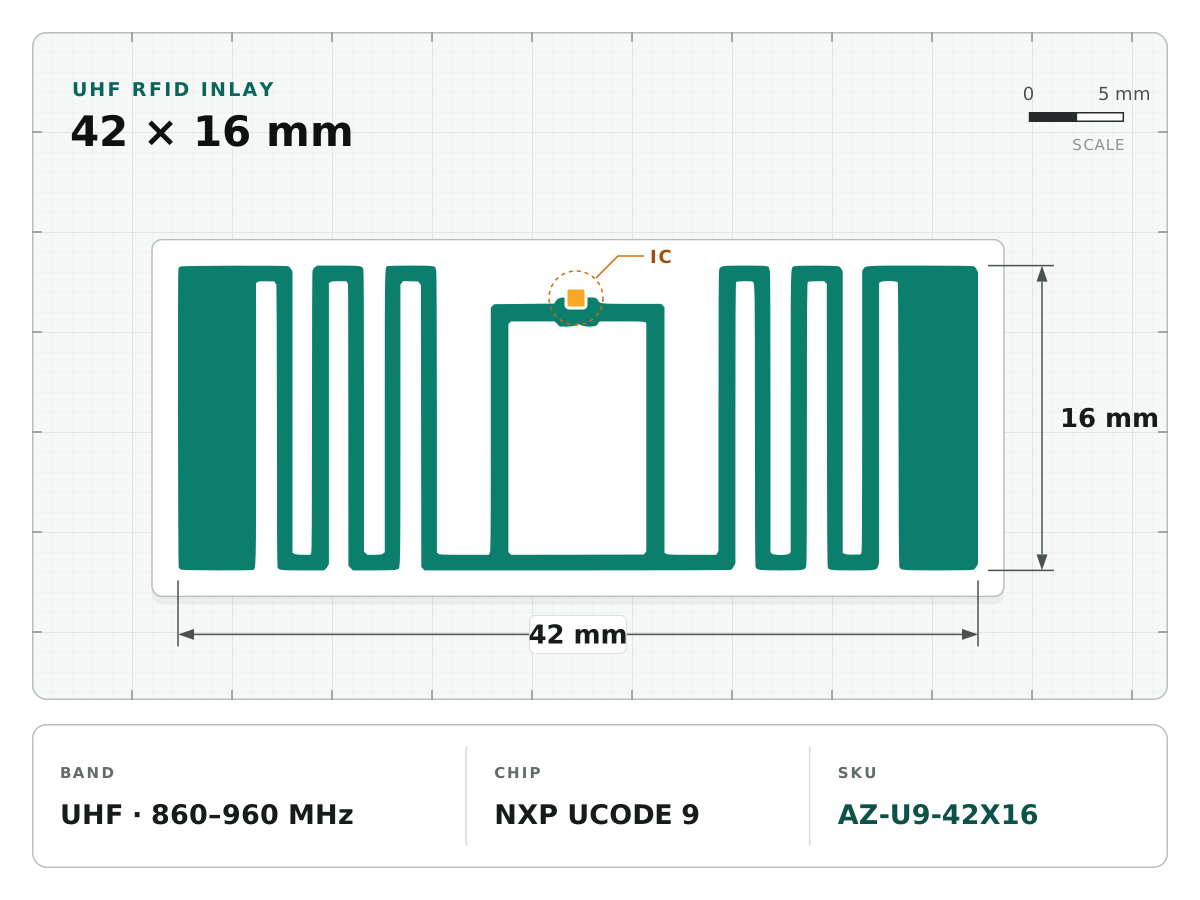
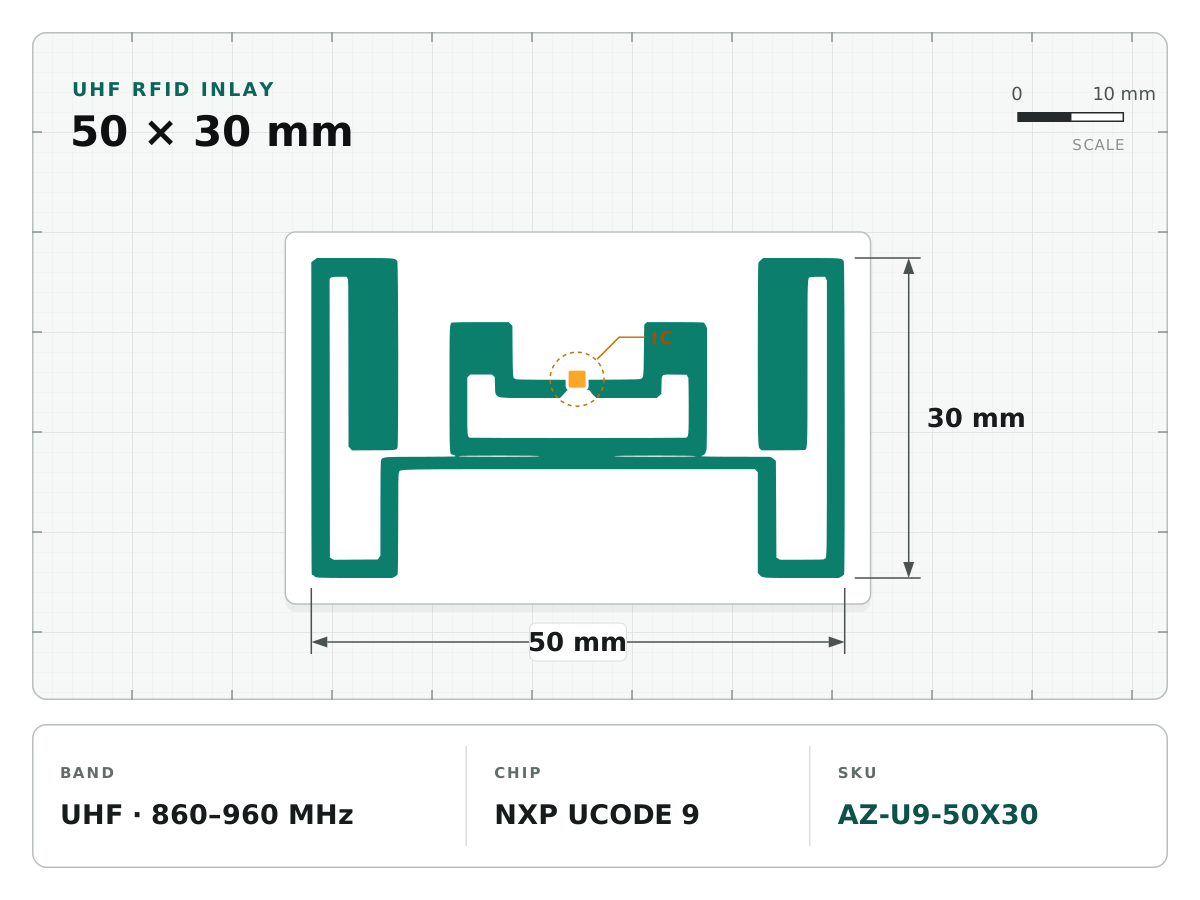
A NFC tag can support a phone interaction, while a UHF inlay can support bulk inventory. Link both to the correct record if both are used. Assess the carrier against the relevant legal and interoperability requirements rather than a marketing claim that one technology is mandatory.
Design durable identity and links
Determine the identifier’s scope: model, batch or individual item. Keep the carrier readable through the intended life and normal handling. For a web link, control the domain, redirection, service ownership and migration plan. A tag’s physical longevity is irrelevant if the record disappears.
Specify access rights for different users, data update responsibility and export or continuity arrangements. Avoid putting private or frequently changing information directly into a publicly readable carrier unless required by the system design.
Pilot before freezing the label
Test scan or tap usability on the final material and decoration. Confirm identifier mapping, displayed record and behavior when the service is unavailable. Include replacement carriers and reassignment controls so service work does not disconnect the product from its history.
Send the intended product group, carrier workflow and service-life needs through the Antenza engineering inquiry. Establish the compliance and data architecture with the responsible specialists first, then validate the physical tag construction.