 UHF
UHF Application engineering
RFID Labels for Retail
Count a shelf in a sweep, read a basket in one pass and make the stock file something you can trust.
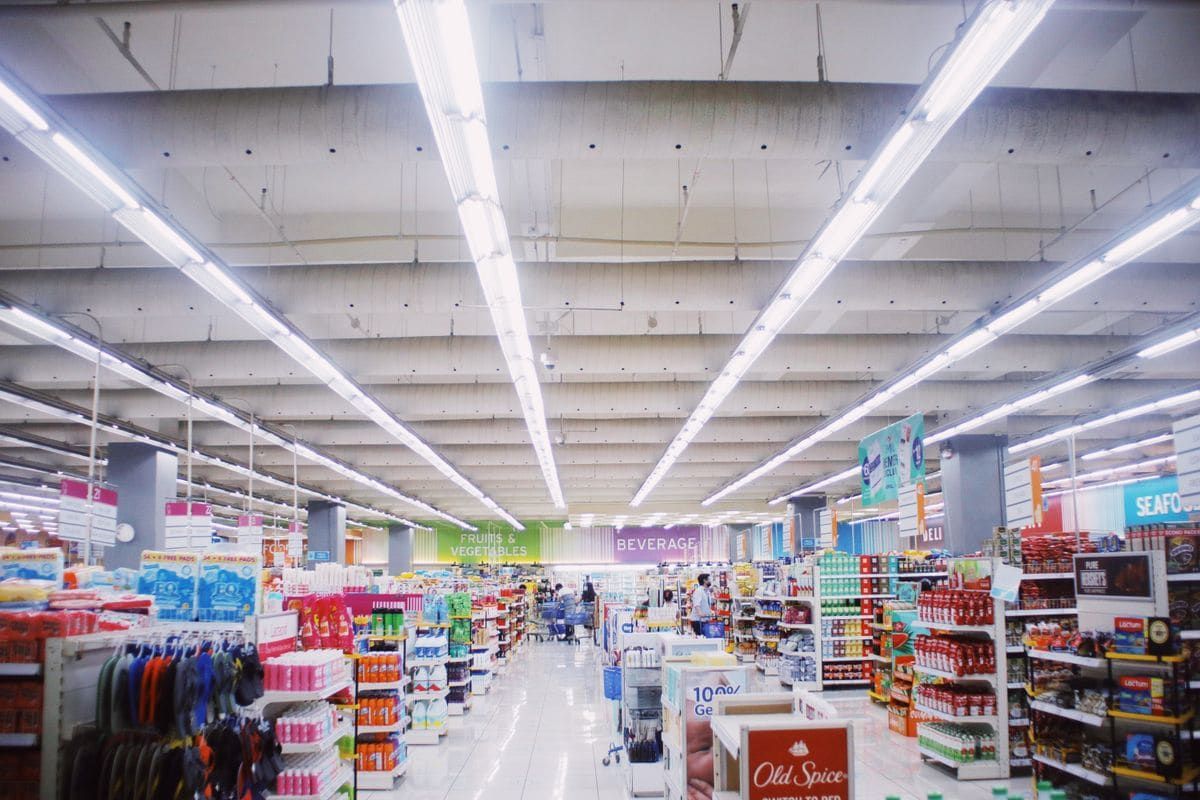
Design for the real reading environment
Item-level RFID has spread from apparel into footwear, home goods, beauty and general merchandise. The driver is the same everywhere: store labor is expensive and stock accuracy is revenue, because misplaced and miscounted items are sales you already paid for but cannot make.
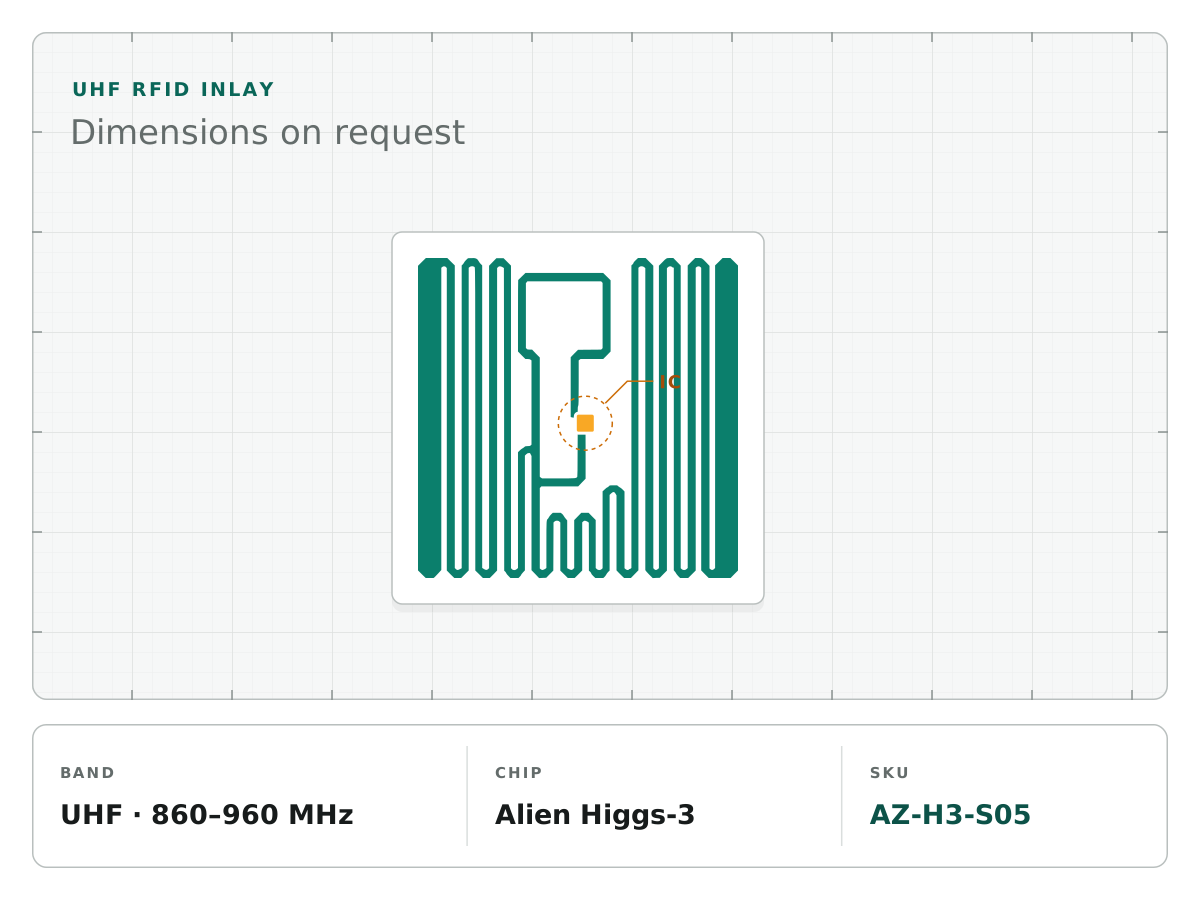
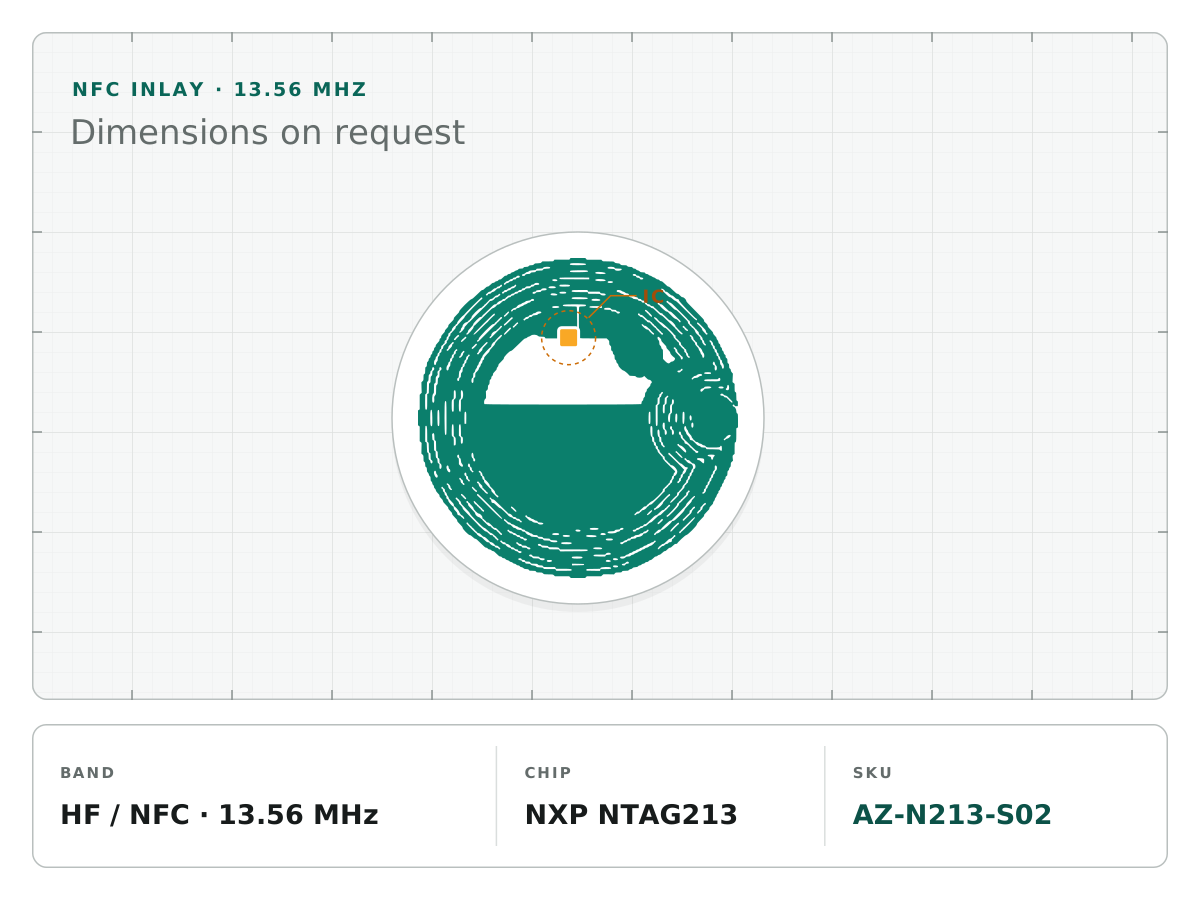
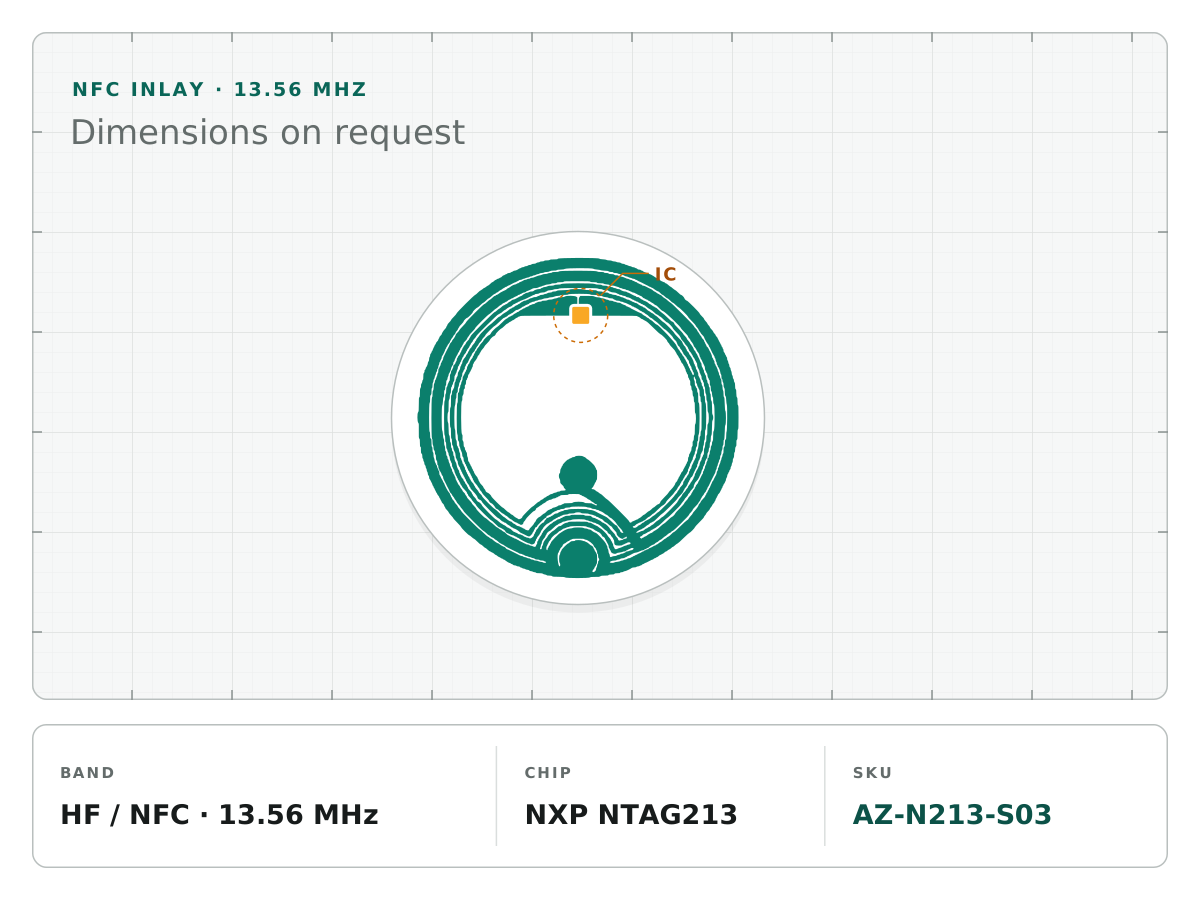
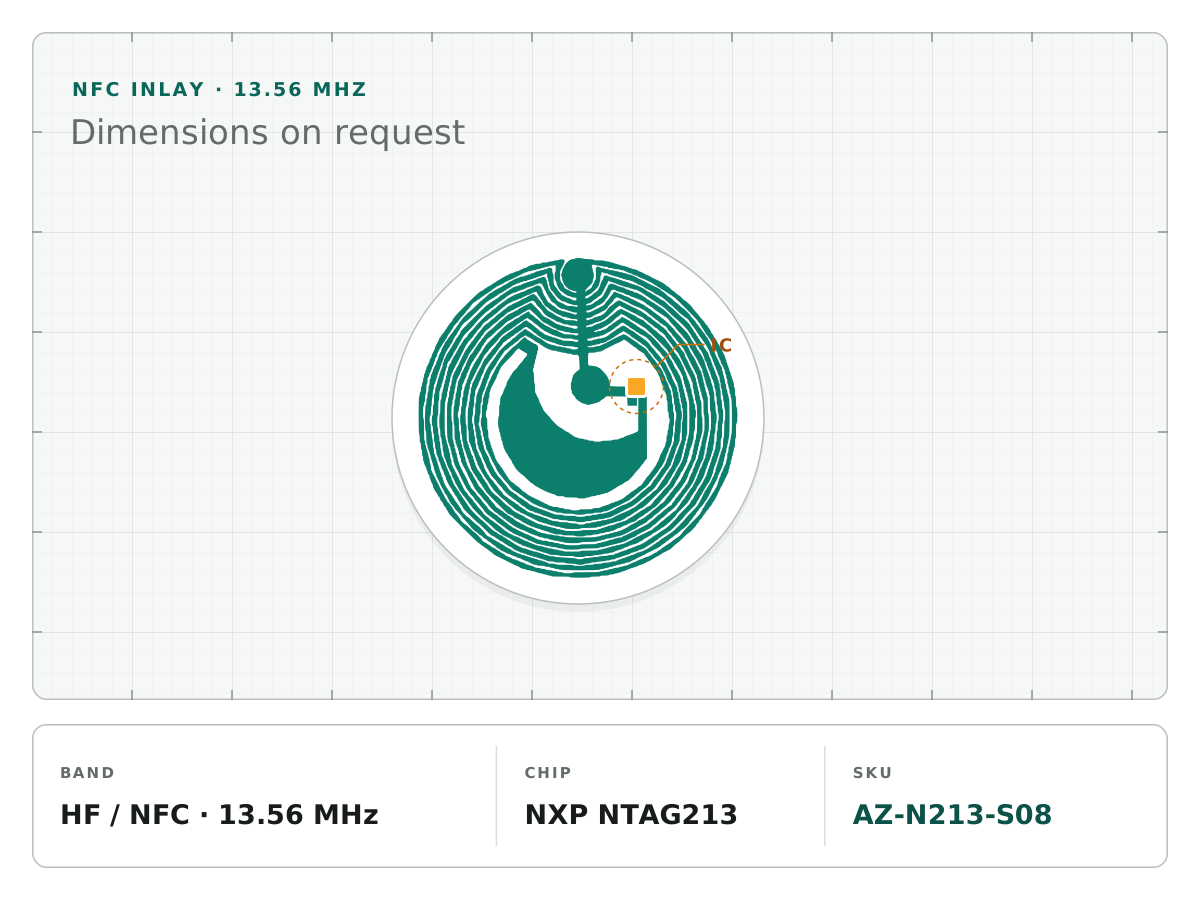
Antenza supplies retail label formats: adhesive product labels, printable price labels with an embedded UHF inlay, and source-tagging rolls shipped to your suppliers. The UHF inlays listed below run on NXP UCODE 8 and UCODE 7 (both with a Product Status Flag for EAS-style exit checks), Impinj M730 and Alien Higgs-3; NTAG213 NFC tags add a phone-tap layer for shelf labels and product information.
Retail problems item-level tagging attacks
- 01
The stock file is wrong
Without item-level data, store inventory records drift; every error is a missed sale or a wasted replenishment.
- 02
Checkout queues
Barcode checkout is serial: one item, one beep. Reading a basket by RFID makes self-checkout genuinely faster.
- 03
Shrink without evidence
You know the shrink number, not the door, day or category it went through.
- 04
Supplier tagging at scale
Source tagging across many suppliers needs one consistent, pre-encoded label program, not fifty interpretations of a specification.
How Antenza supports retail programs
Labels for every touchpoint
Product stickers, hang-tab labels and price labels with an embedded UHF inlay, printable on store or DC printers.
Loss-prevention features in the chip
UCODE 8 and UCODE 7 include a Product Status Flag (PSF): set at the point of sale, it lets exit readers tell sold from unsold items without a separate EAS tag. Impinj M730 adds Protected Mode for privacy.
Source tagging handled centrally
We encode and verify label rolls and ship them to your suppliers, with EPC serial ranges coordinated across the program.
Honest piloting
Start with a small pilot on your fixtures and merchandise, then scale with the same inlay and encoding rules.
Typical retail label specification
Beauty products, liquids and foil packaging change how a tag behaves. Flag these categories in your inquiry so we shortlist and sample accordingly.
| Frequency | UHF 860–960 MHz for inventory; HF 13.56 MHz NFC for phone taps |
|---|---|
| Chips in the listed range | UHF: NXP UCODE 8, UCODE 7, Impinj M730, Alien Higgs-3 · NFC: NXP NTAG213 |
| Formats | Adhesive product label · printable price label · source-tagging roll · NFC sticker |
| Encoding | SGTIN-96 with program-wide serial management |
| Face options | Thermal-printable paper or PET; pre-printed artwork on request |
| Retailer compliance | ARC-approved inlays only where you specify one and we can confirm it; not claimed for the listed range |
| Read range (reference) | Typically 2–6 m on merchandise Reference only; depends on reader, antenna, power and the tagged material |
Products for this application
Retail inlays in our range, UHF first, then the NTAG213 NFC tags. Specifications for these items are shared on request.
UHF 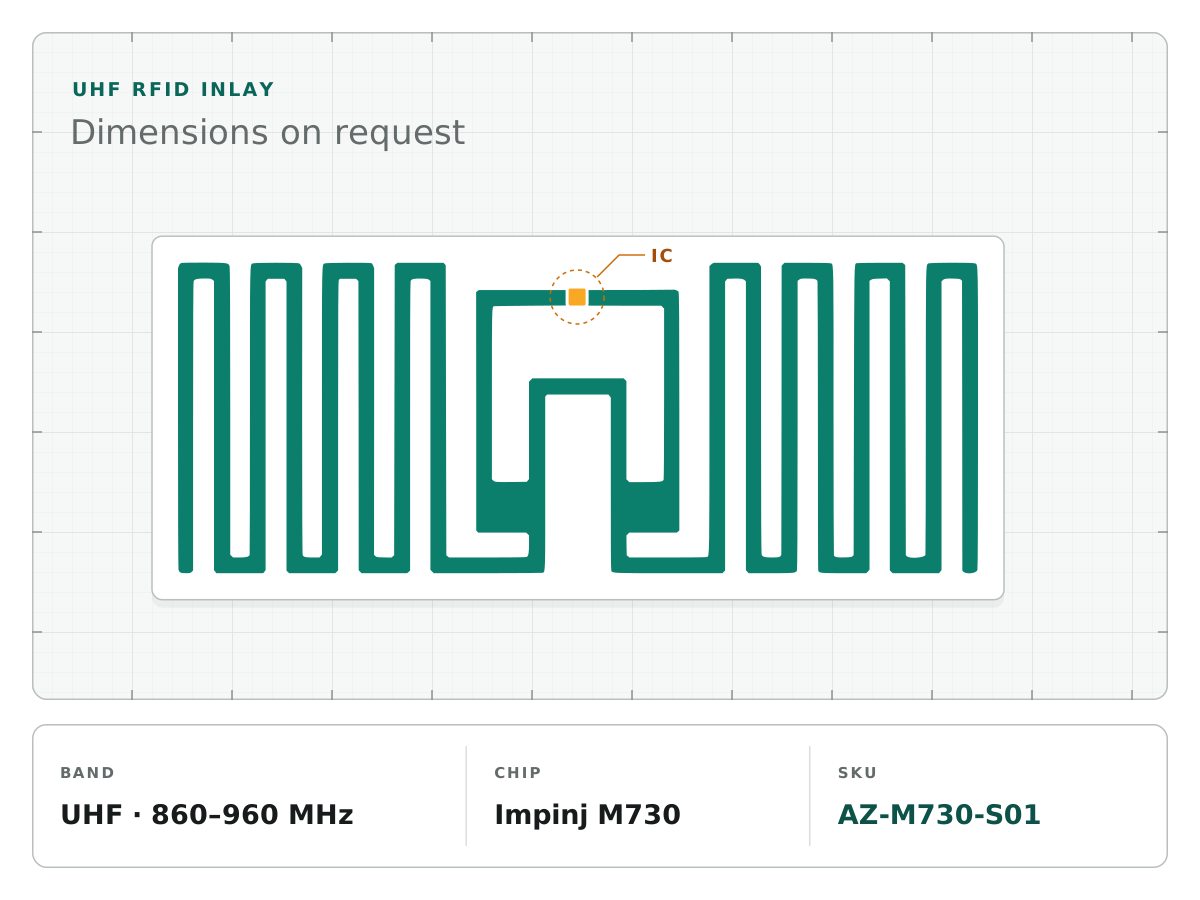 UHF
UHF 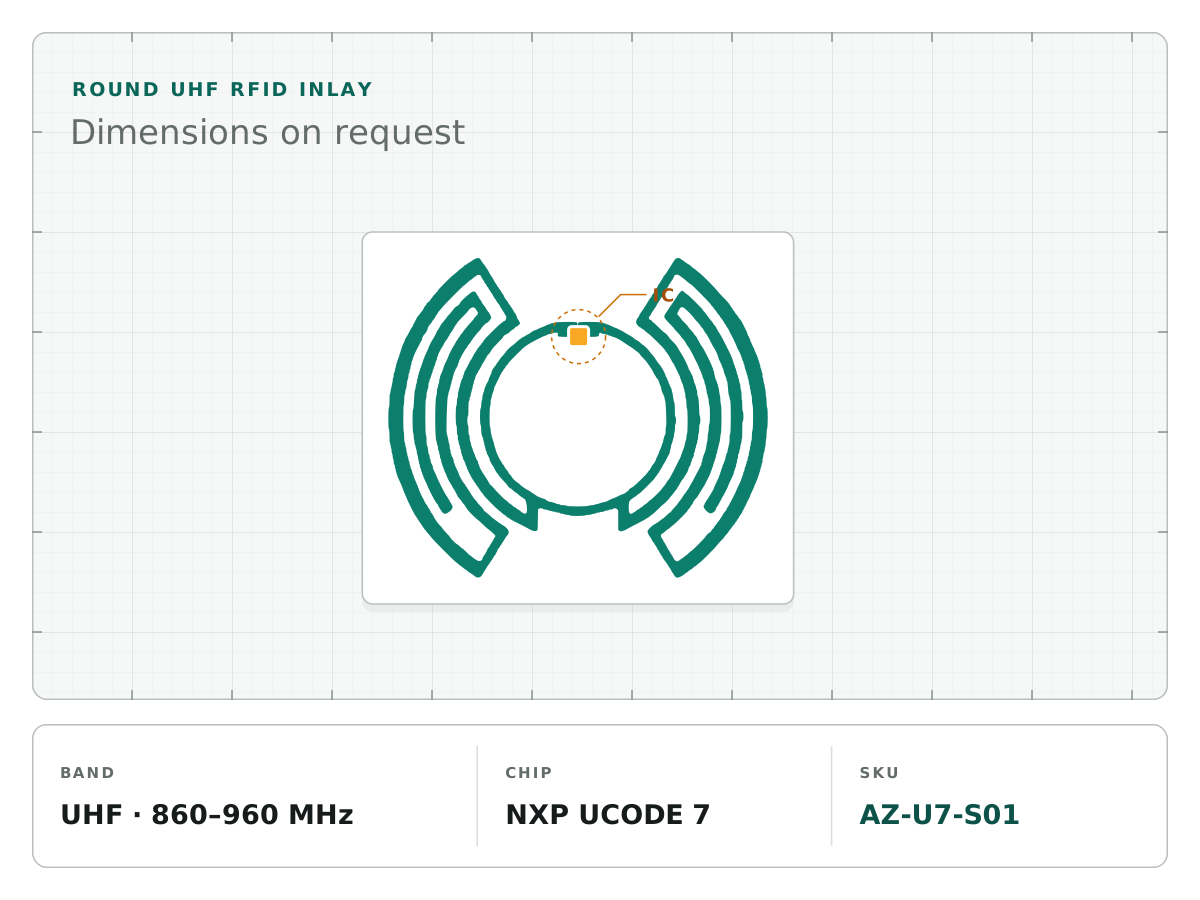 UHF
UHF 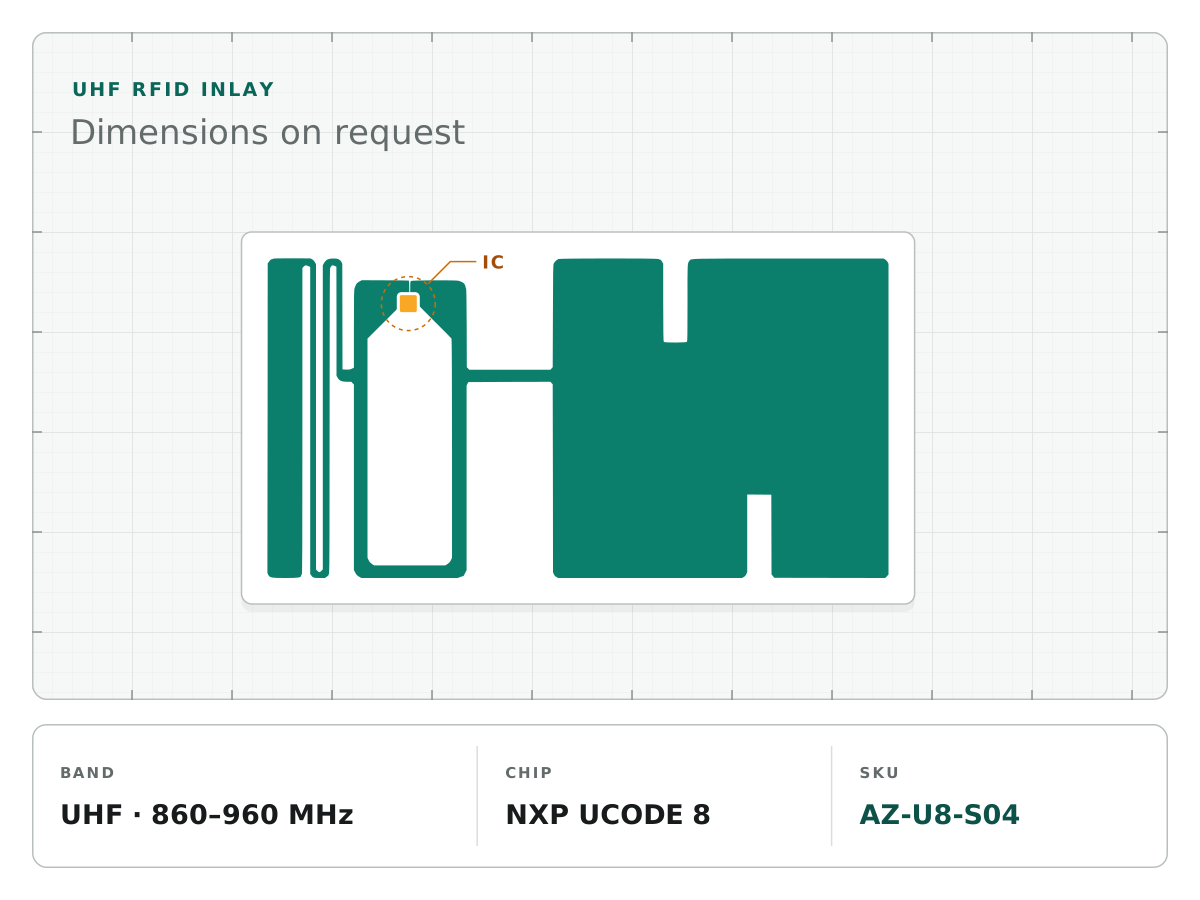 UHF
UHF 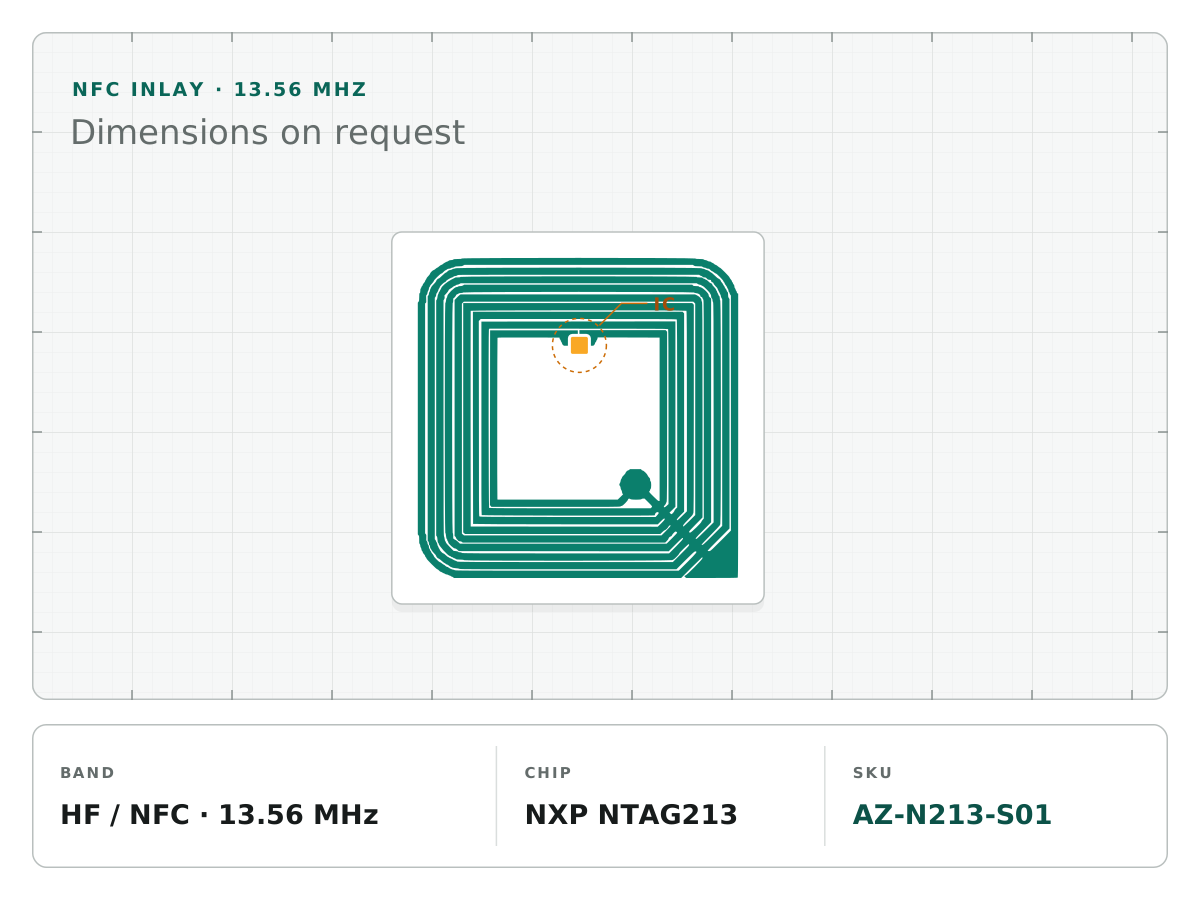 HF / NFC
  HF / NFC
  HF / NFC
 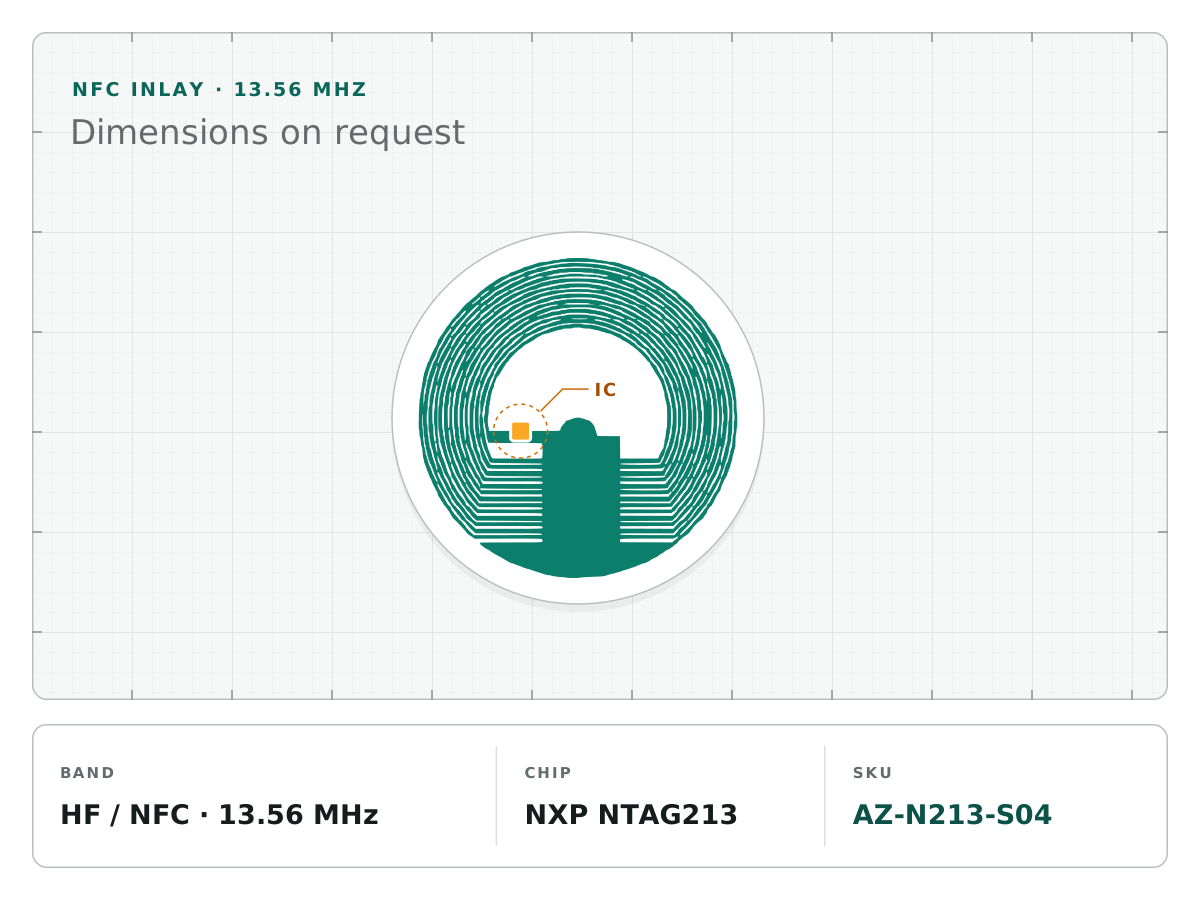 HF / NFC
 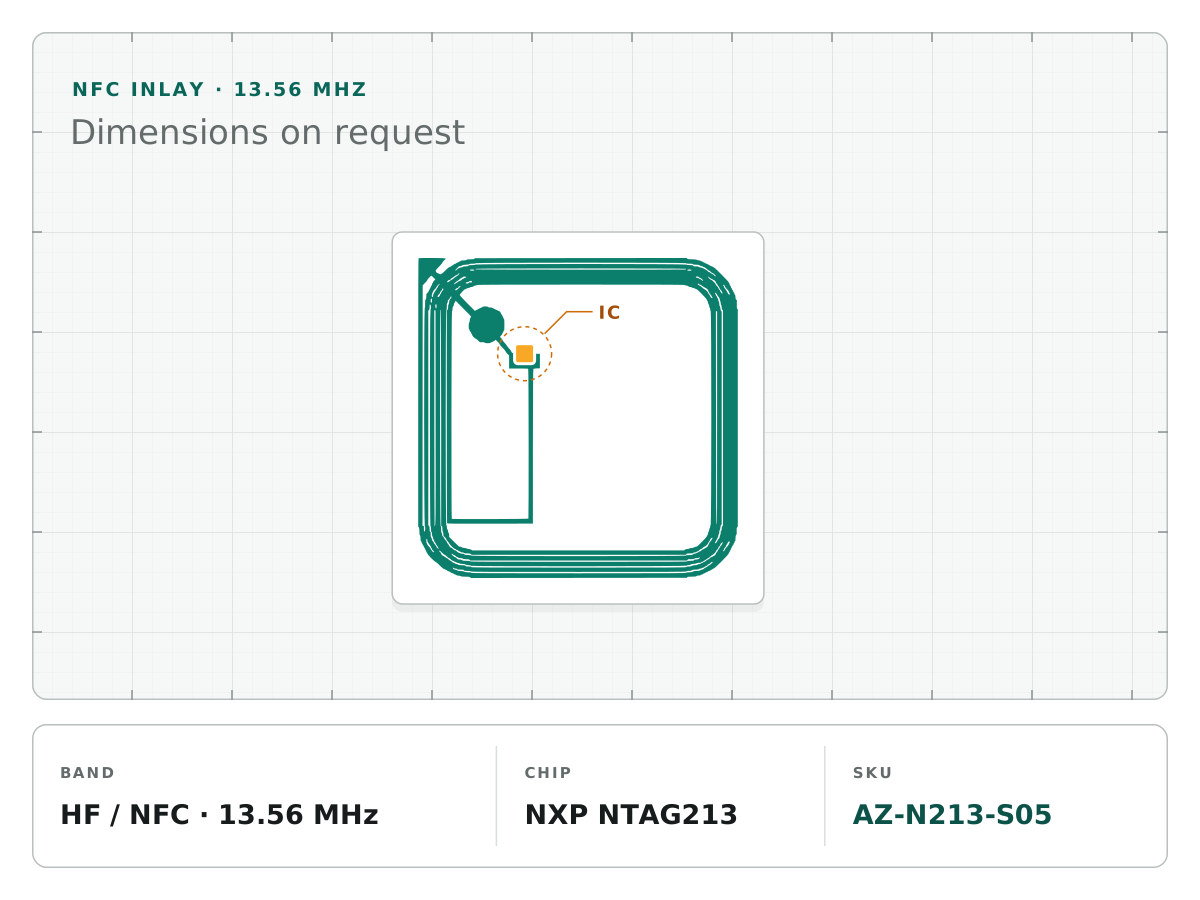 HF / NFC
 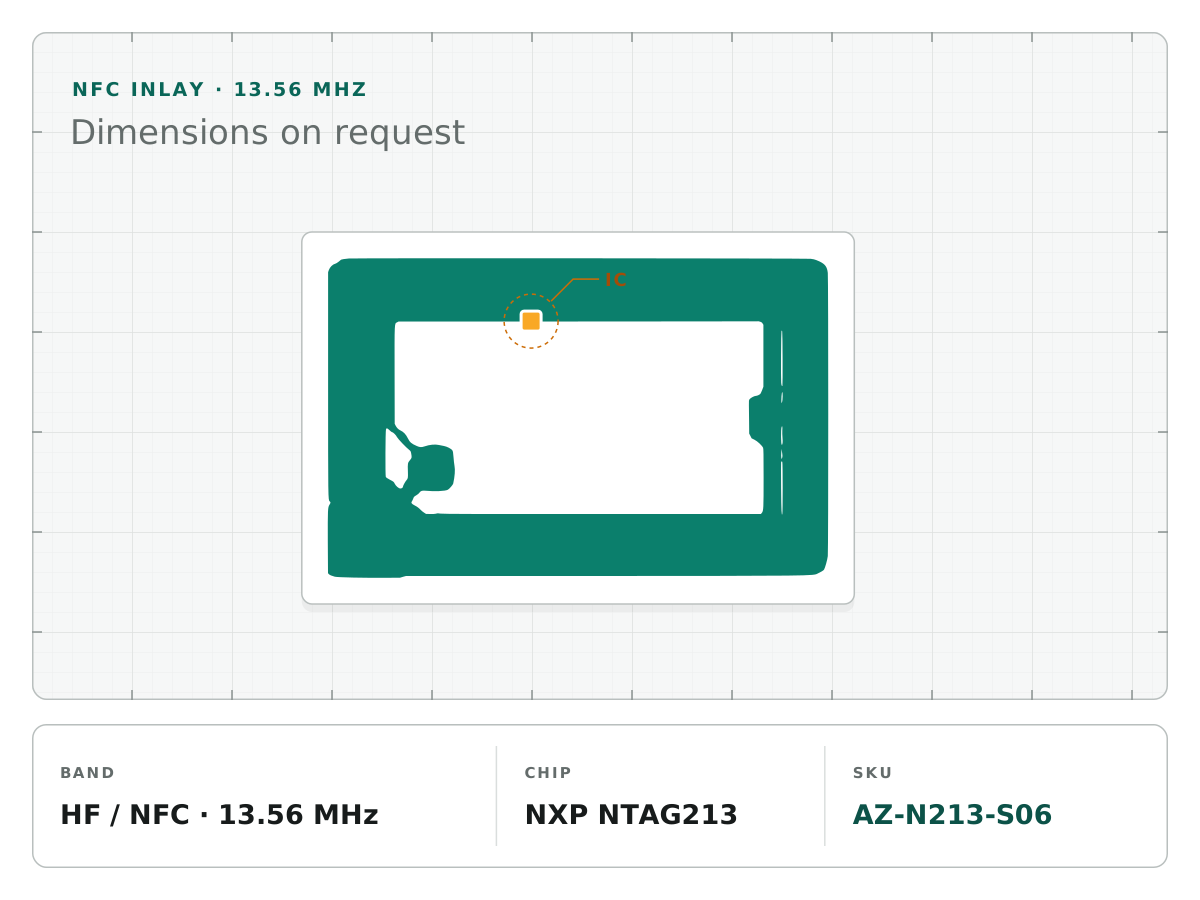 HF / NFC
 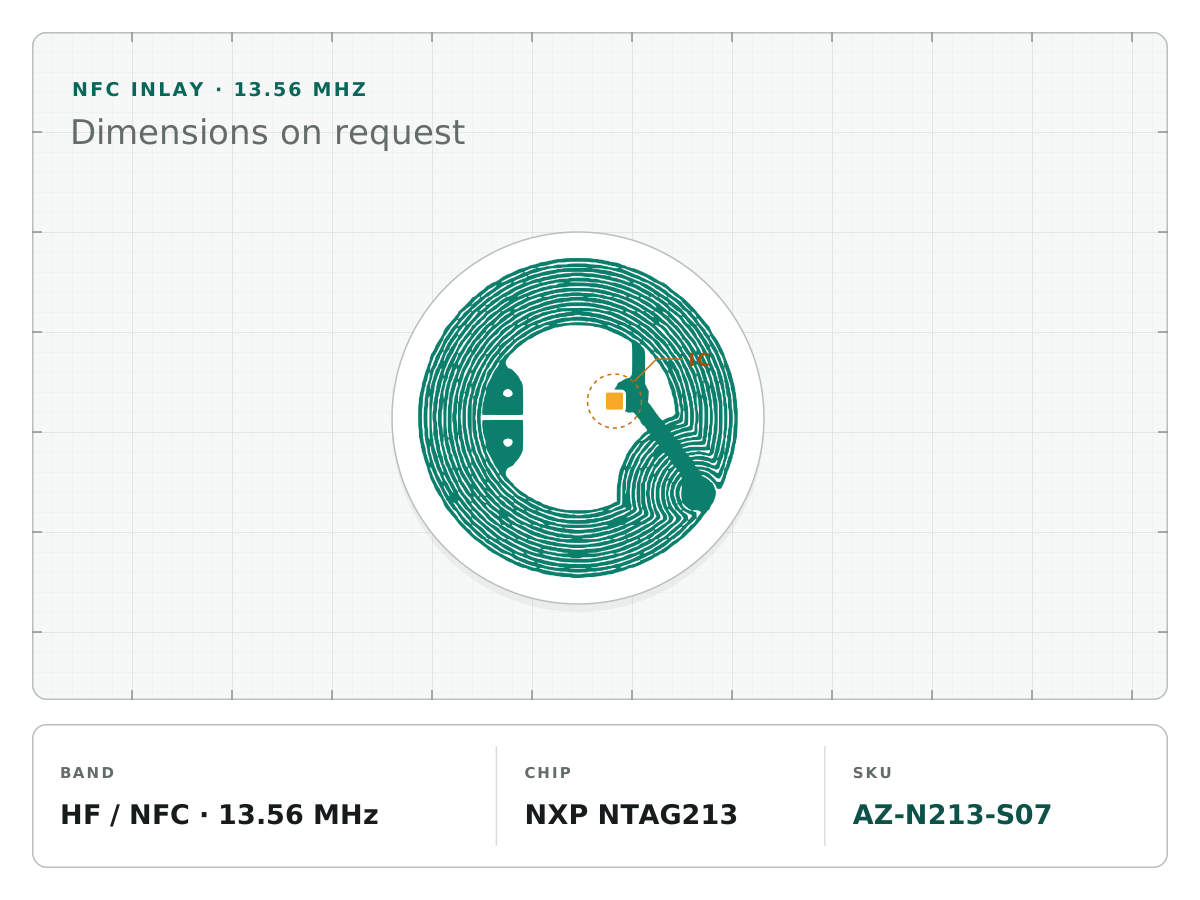 HF / NFC
  HF / NFC
 How ordering works
- 01
Specify
Share surface, read distance, chip preference and volume. We shortlist tags that fit.
- 02
Sample
Receive sample tags of the shortlisted designs to try in your own setup.
- 03
Validate
Test on your items, readers and printers. We adjust chip, size or format if needed.
- 04
Produce & ship
Volume production with 100% inline electrical test, then export shipping.
Frequently asked questions
Can RFID replace our EAS security tags?
For many programs, yes: exit readers that check the PSF bit (set at checkout) on UCODE 8 or UCODE 7 labels give EAS-style alarms from the same product label. Whether it fits depends on door layout and shrink profile, so pilot first.
Are your inlays ARC-certified for Walmart?
We do not claim ARC certification for the inlays listed on this site. If your retailer requires an ARC-approved inlay, send the requirement and we tell you what we can supply before any sampling. See our guide to the Walmart mandate.
Does RFID work on cosmetics, liquids and foil?
These are difficult for UHF but often workable with the right inlay, a small stand-off or a different position; very small items may suit NFC better. Tell us the products and we propose options to sample. See also RFID and NFC for cosmetics.
How do we run source tagging across many suppliers?
You define one label specification and EPC scheme with us; we encode centrally and ship ready-to-apply rolls to each supplier, with serial ranges coordinated so no two items collide.
What does a retail RFID label cost?
It depends on chip, size, face material, printing and volume. We quote against your exact specification within 24 hours; our cost guide explains the cost drivers so you can compare quotes like for like.
Further engineering reading
- SGTIN-96 EPC Encoding: What the Buyer Must Specify
Understand SGTIN-96 encoding inputs and limits. Define company prefix, item reference, serial allocation and read-back checks before RFID production.
- UCODE, Monza and Higgs: Compare UHF RFID Chips
Compare UHF chip memory, reader features and lifecycle support. Use official datasheets to shortlist chips, then test the complete inlay on your items.
- RFID Tag Cost: Compare Quotes on a Usable-Tag Basis
Understand the drivers behind RFID tag cost. Compare chip, construction, encoding, roll format and delivery terms before choosing a bulk-order quote.
- RFID vs Barcode: Compare the Workflow Before the Label
Compare RFID and barcodes by line of sight, batch reading, item identity and failure handling. Build a pilot around labor saved and reliable exceptions.
- Walmart RFID and ARC Inlays: Verify the Exact Requirement
Verify the Walmart category, ARC specification and exact approved inlay. Chip similarity and good sample range do not establish retailer approval.
Talk to an RFID engineer
Retail program or supplier mandate?
Send the categories, label format and any retailer requirement. An engineer replies within 24 hours with a shortlist and a pilot plan.
Email us: sales@antenza.com