 UHF
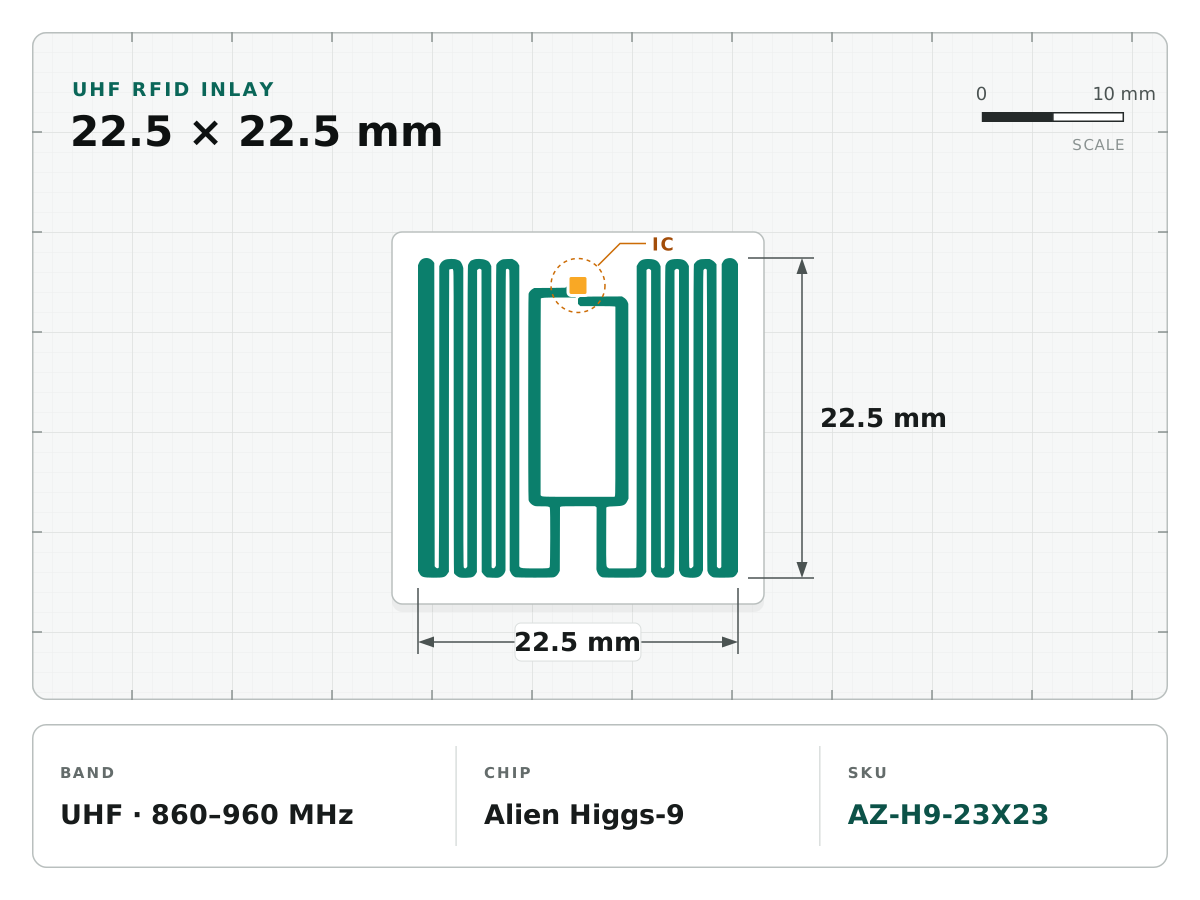
UHF AZ-H9-23X23
Higgs-9 UHF RFID Inlay, 22.5 × 22.5 mm
- Chip
- Alien Higgs-9
- Antenna size
- 22.5 × 22.5 mm
- Read range
- up to 4.5 m (reference)
Application engineering
Count a tray of rings in seconds every night and see at once whether a piece is missing or swapped.
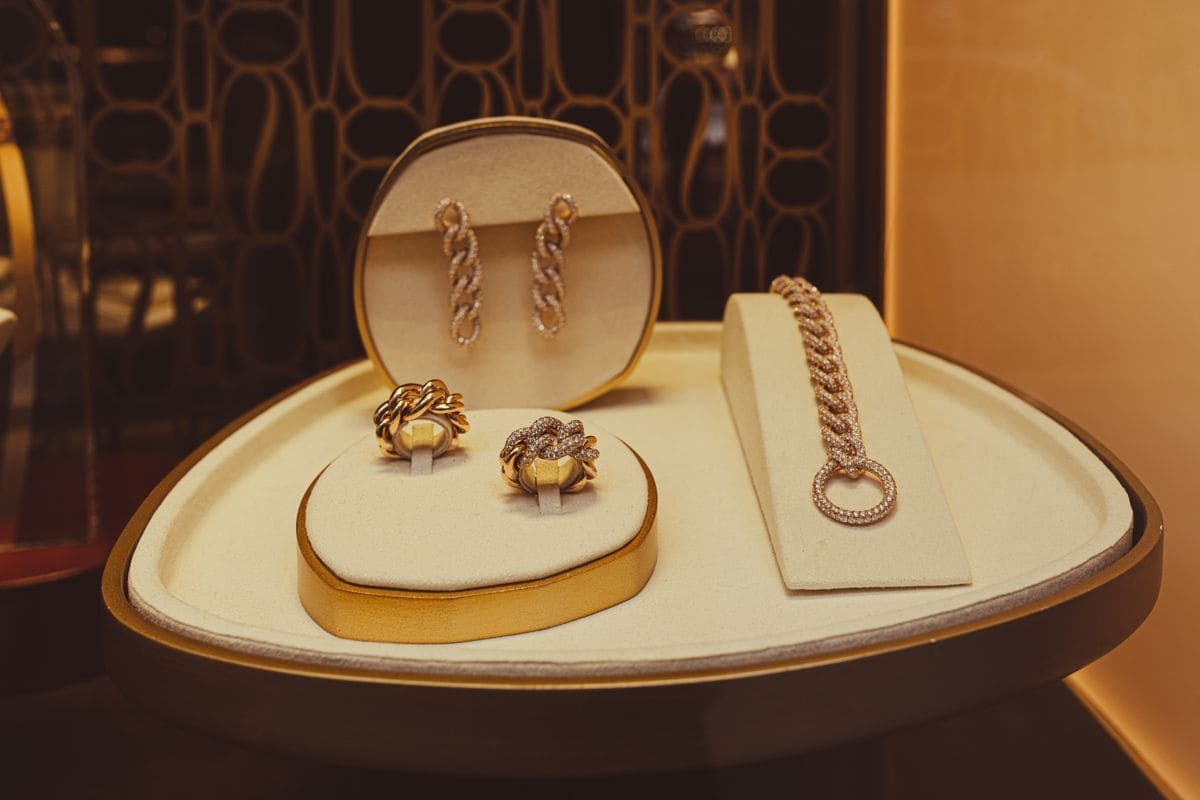
Jewelry retail runs a strict inventory routine: high-value pieces are counted every day, often one by one against a register. RFID-tagged pieces turn that into a tray scan of a few seconds, and because every tag carries a unique ID, a missing or substituted piece shows up immediately rather than at the monthly audit.
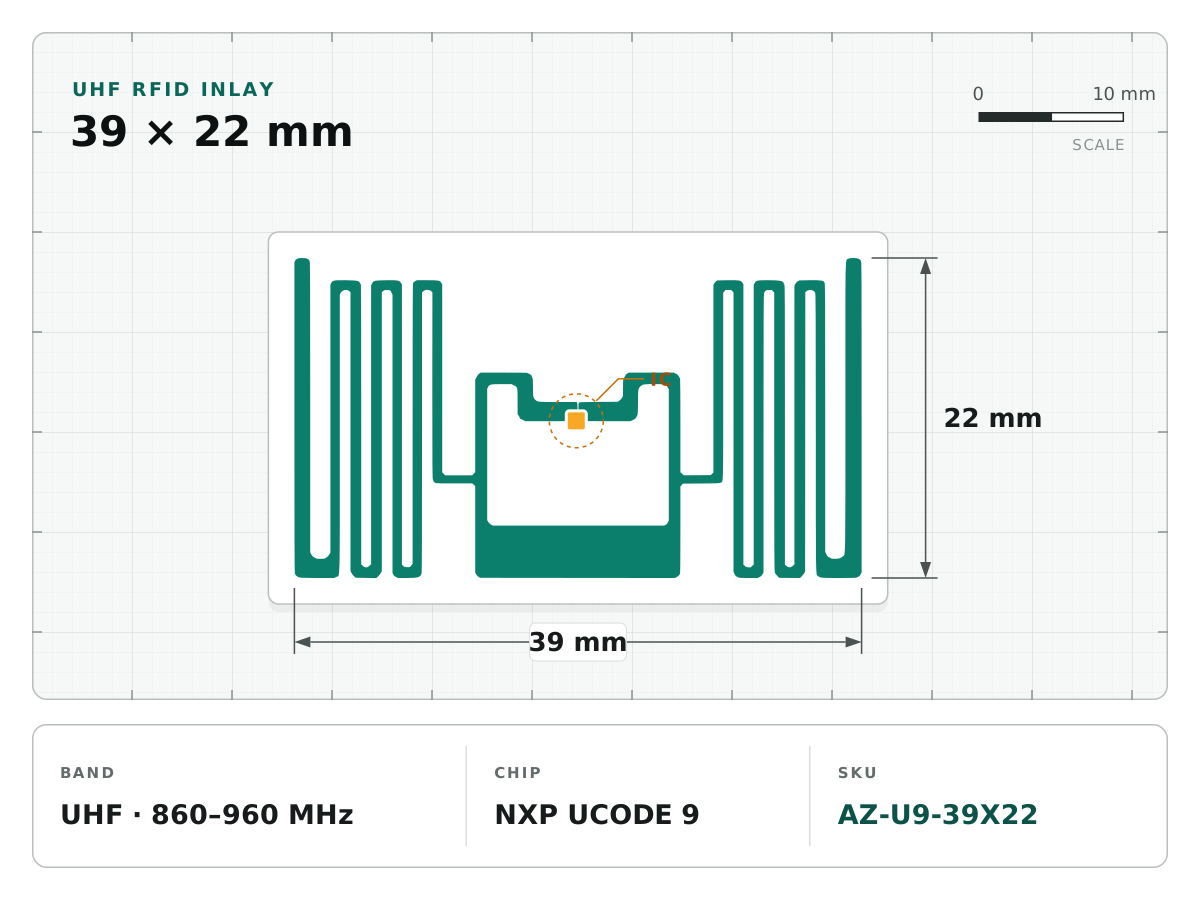
The RF challenge is real: tiny tags, packed tightly, close to metal. Antenza lists small inlays suited to jewelry tags, such as a 22.5 mm square Alien Higgs-9 inlay and a 39 × 22 mm NXP UCODE 9 inlay. Conversion into loop or tail labels that attach to rings, chains and bracelets is available on request and confirmed with samples.
Manual counting after closing is slow and error-prone, and still misses swaps.
A similar-looking piece substituted in a tray passes a visual count; only a serialized identity catches it.
Dozens of tags almost touching, on metal pieces: the worst case for tag-to-tag interference and detuning.
Tags must be small and discreet, attach without scratching, and come off cleanly at sale.
Compact square and short-dipole inlays with high-sensitivity chips; we validate reads with your trays and reader during sampling.
Loop or tail labels, and adhesive tags for boxes and display cards, are converted to your design on request; we confirm the construction with samples before volume.
Every tag carries a unique TID plus your EPC, so a tray scan checks identity as well as count.
SKU, price and barcode can be printed on the tag face for counter staff who still need visible data.
Tray material, piece density and reader choice strongly affect results. We recommend sampling with your actual trays and reader before scaling.
| Frequency | UHF 860–960 MHz, EPC Gen2, RAIN RFID |
|---|---|
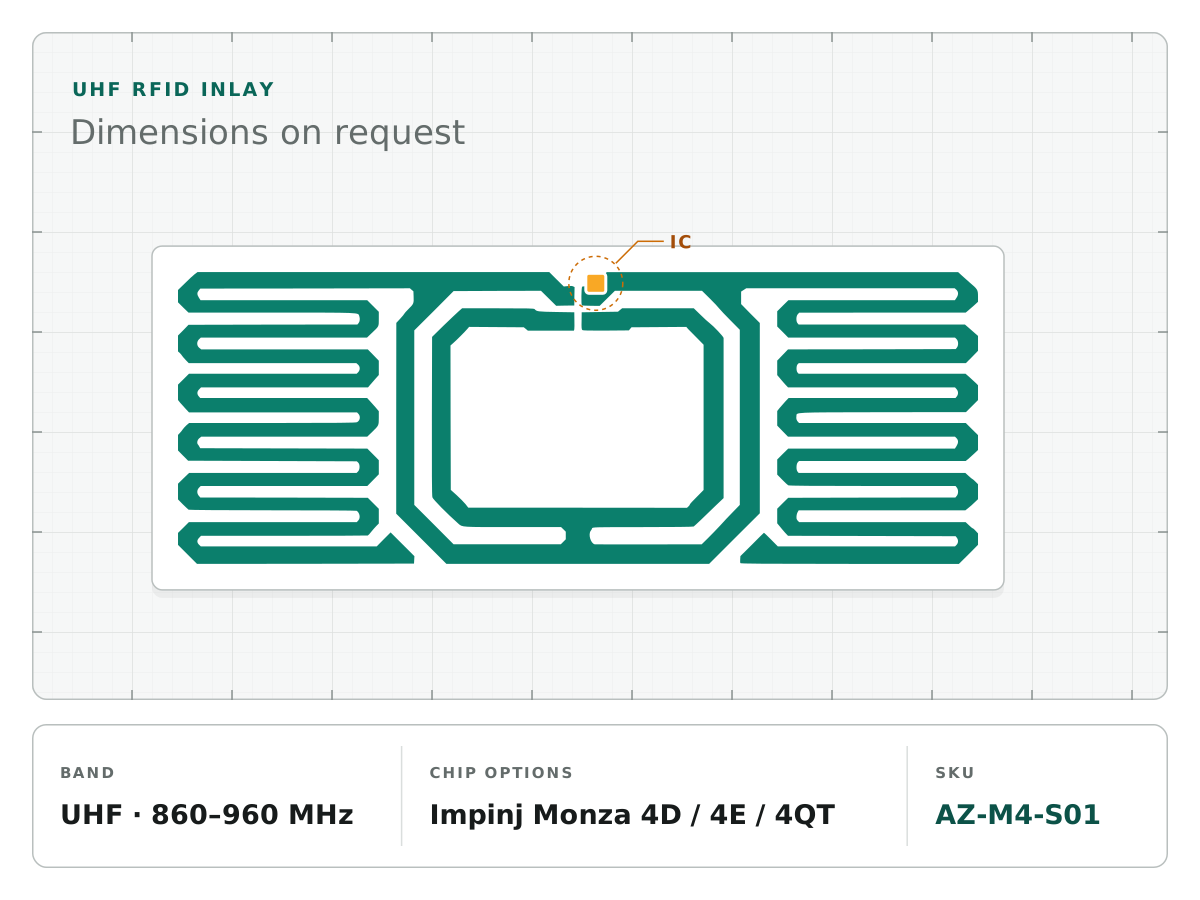
| Chips in the listed range | Alien Higgs-9, NXP UCODE 9; Impinj Monza 4 option |
| Listed inlays | 22.5 × 22.5 mm square (Higgs-9) · 39 × 22 mm (UCODE 9) |
| Tag format | Loop / tail label or adhesive tag, converted on request |
| Identity | Unique TID + your EPC for anti-swap checks |
| Read setup | Tray reader or handheld sweep at short range |
| Read range (reference) | Up to 4.5 m (22.5 mm square) and up to 10 m (39 × 22 mm) Reference only; depends on reader, antenna, power and the tagged material |
Small UHF inlays in our range suited to jewelry tags.
UHF AZ-H9-23X23
 UHF
UHF AZ-U9-39X22
 UHF
UHF AZ-M4-S01
Share surface, read distance, chip preference and volume. We shortlist tags that fit.
Receive sample tags of the shortlisted designs to try in your own setup.
Test on your items, readers and printers. We adjust chip, size or format if needed.
Volume production with 100% inline electrical test, then export shipping.
Specify the surface, read event, available space, environment, data and delivery format. A seven-question checklist makes RFID samples and quotes useful.
Plan an RFID sample test with real items, controlled reader settings and acceptance criteria. Check RF behavior, encoding, adhesion and repeatability.
RFID read range depends on the complete system. Control power, antenna, surface, orientation and reader settings when comparing labels on real objects.
Compare RFID and barcodes by line of sight, batch reading, item identity and failure handling. Build a pilot around labor saved and reliable exceptions.
Talk to an RFID engineer
Tell us the piece types, tray layout and reader. An engineer replies within 24 hours with a shortlist and a sample plan.
Email us: sales@antenza.com