A useful RFID RFQ describes a job. “Long range, low cost” leaves the supplier guessing about the two things that define performance: the object and the reading event. Answer these questions before choosing a model.
1. What is behind the tag?
Name the immediate mounting material, package contents and nearby surfaces. Include metal, liquids, foil, curvature and attachment position. Photograph the proposed location with a scale. Decide whether the label must remain attached after cleaning, cooling or storage.
2. What counts as a successful read?
State distance, orientation, movement speed and population. Inventory counting, doorway detection and a consumer tap have different acceptance criteria. Define whether an unwanted read is as costly as a missed read, and identify the actual reader model and destination country.
3. How much physical space is available?
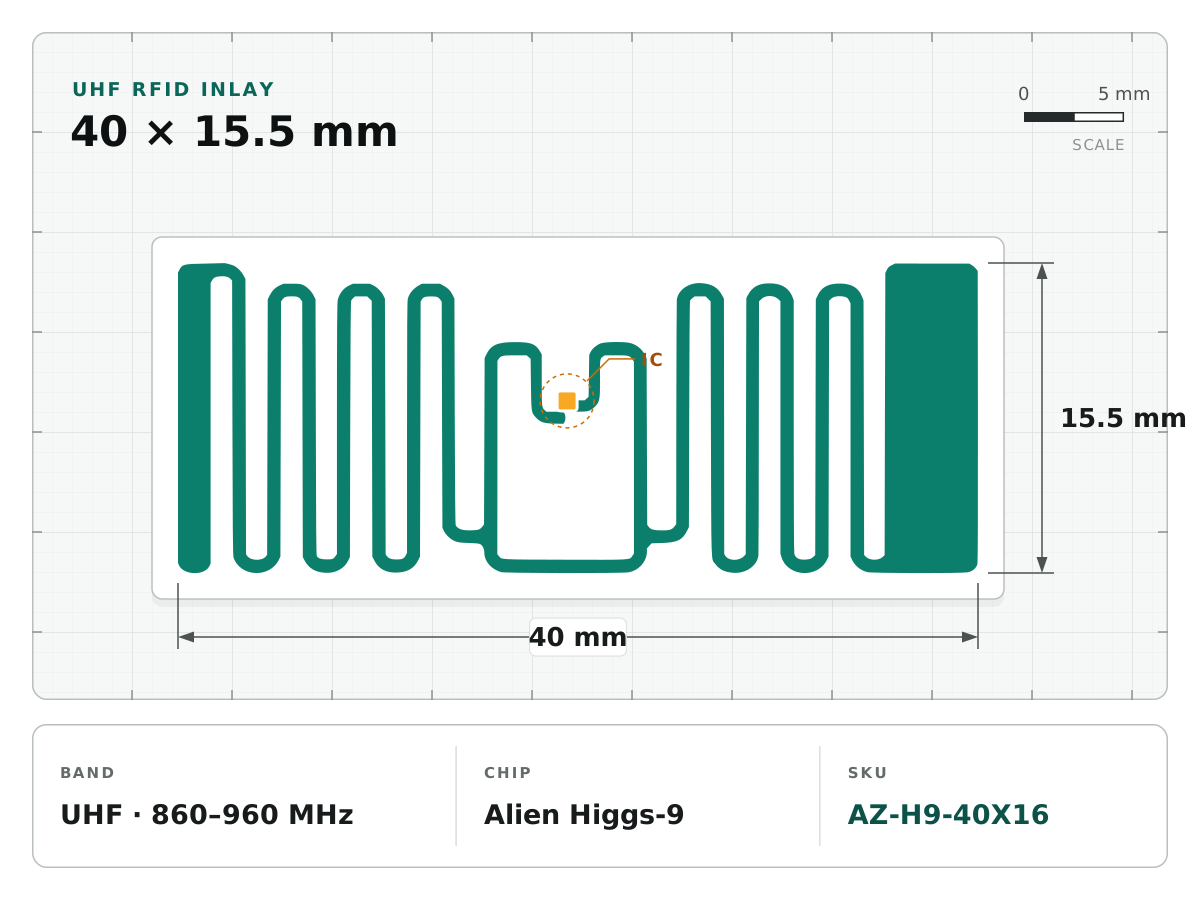
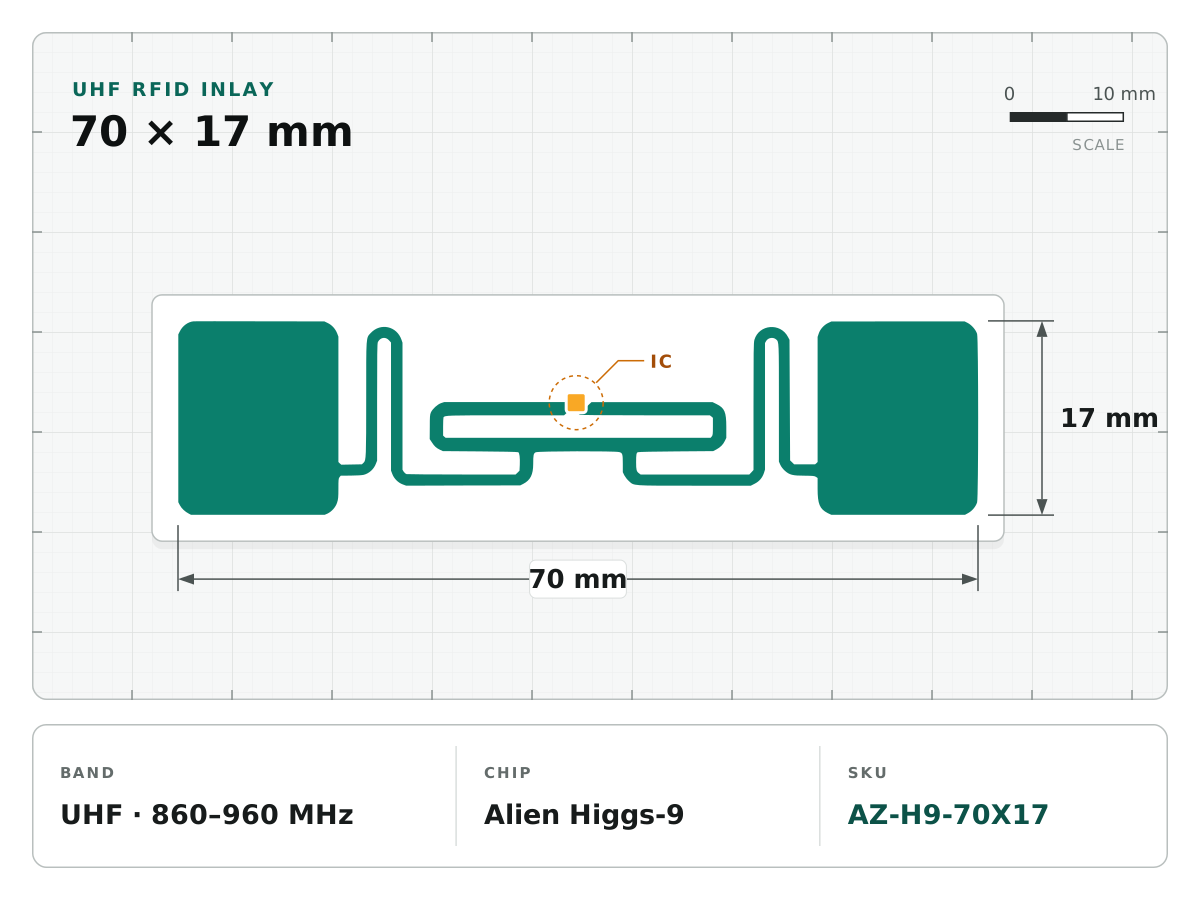
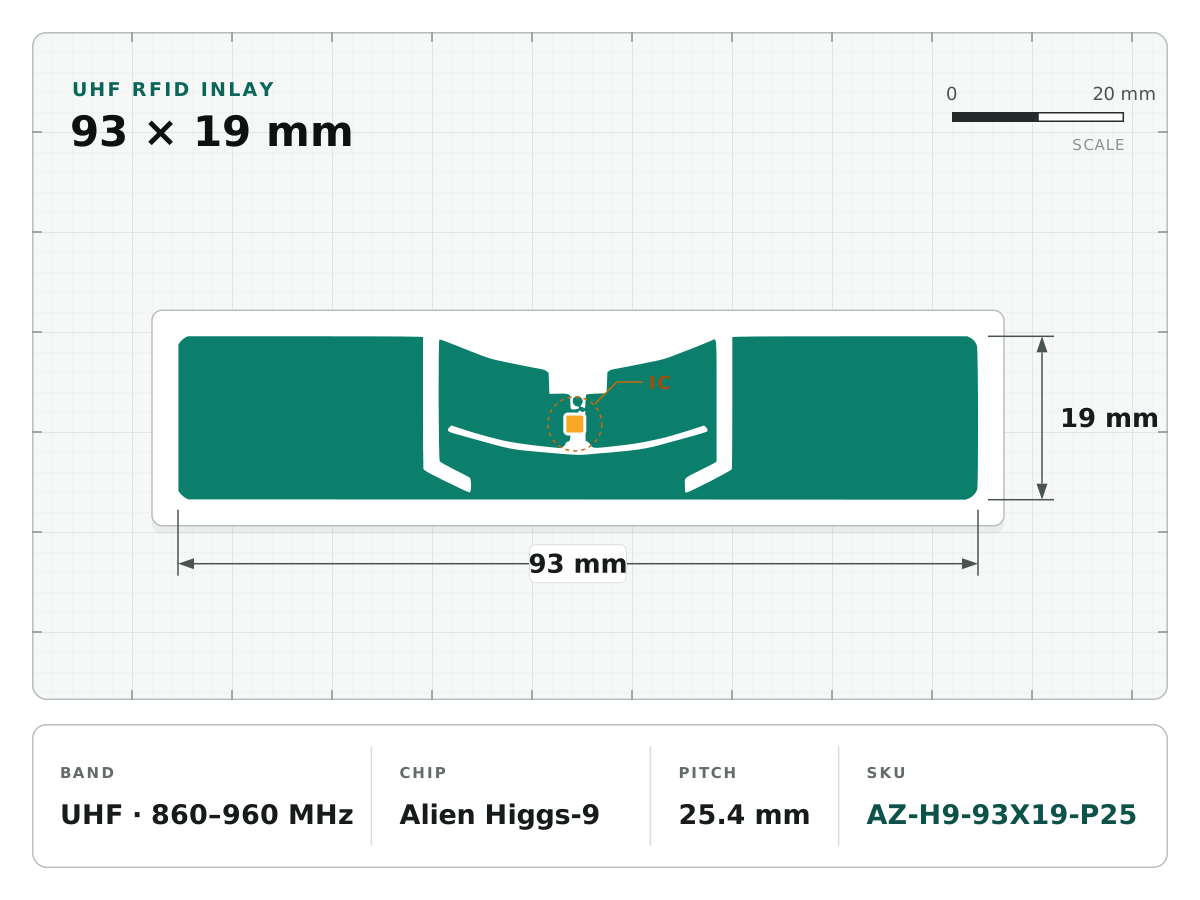
Give maximum finished-label dimensions and thickness, not just antenna dimensions. Include print area, hole position, seam or fold clearance and space needed for an adhesive border. For cartons, a UHF inlay can be the starting point; for a metal surface, evaluate an on-metal structure.
4. What must the construction survive?
Specify temperatures with duration, water exposure, chemicals, abrasion and removal requirements. A chip’s datasheet temperature range is not the service-life rating of the adhesive or face stock. Ask for evidence on the complete tag under the relevant exposure.
5. What will be encoded?
Choose the identity scheme with the software owner. Define serial allocation, read-back checks, locking and duplicate handling. Do not request user memory unless the workflow needs data stored on the tag. For phone interaction, define the NDEF payload and the destination service.
6. What exactly will be delivered?
State dry inlay, adhesive wet inlay, printable label, printed hang tag or another finished form. For rolls, include pitch, core, roll diameter, winding, liner and inlay placement. Name the printer or applicator; “RFID compatible” is too broad.
7. Who approves the sample?
Identify the receiving customer’s approval list, test method and final sign-off. Retailer-specific requirements belong in the brief before substitutions. Define the lot information, inspection report and change-control rule required for repeat supply.
A compact RFQ block
Send: item and surface; label space; reader and region; reading event; environment; encoding; roll or piece format; initial and repeat quantities; acceptance method. Unknown items can be marked “to confirm.” Share this block through the Antenza RFQ form, then compare samples using the same test conditions.