 UHF
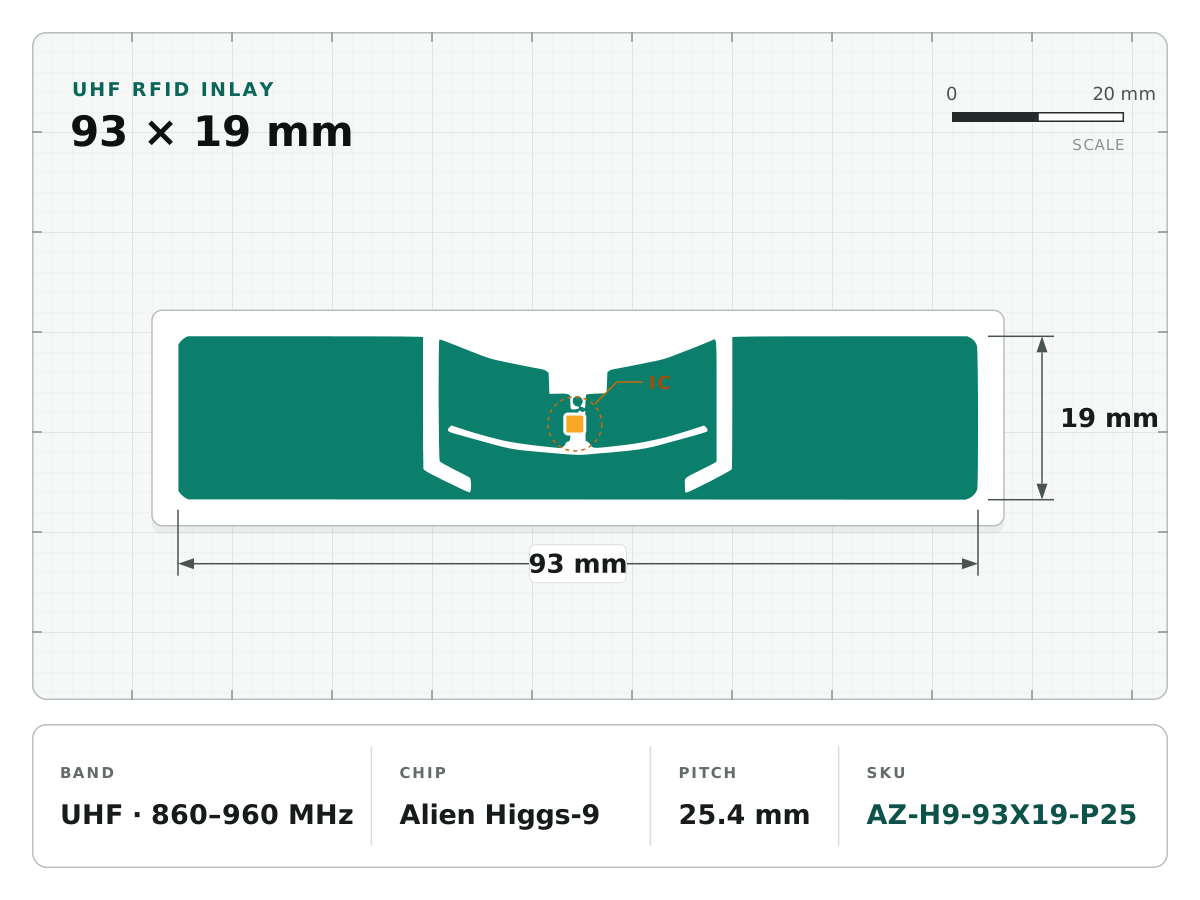
UHF AZ-H9-93X19-P25
Higgs-9 UHF RFID Inlay, 93 × 19 mm, 25.4 mm pitch
- Chip
- Alien Higgs-9
- Antenna size
- 93 × 19 mm
- Read range
- up to 14 m (lab reference, fixed reader)
Application engineering
Read a whole pallet at the dock door without opening a carton: carton labels, pallet tags and returnable-asset tags built for conveyor and portal reads.

In warehousing the case for RAIN RFID is straightforward: a dock-door portal reads every tagged carton on a pallet as the forklift passes, replacing per-carton barcode scans at receiving and dispatch. Goods-in stops being a queue, and dispatch gets a verifiable record of what actually left the building.
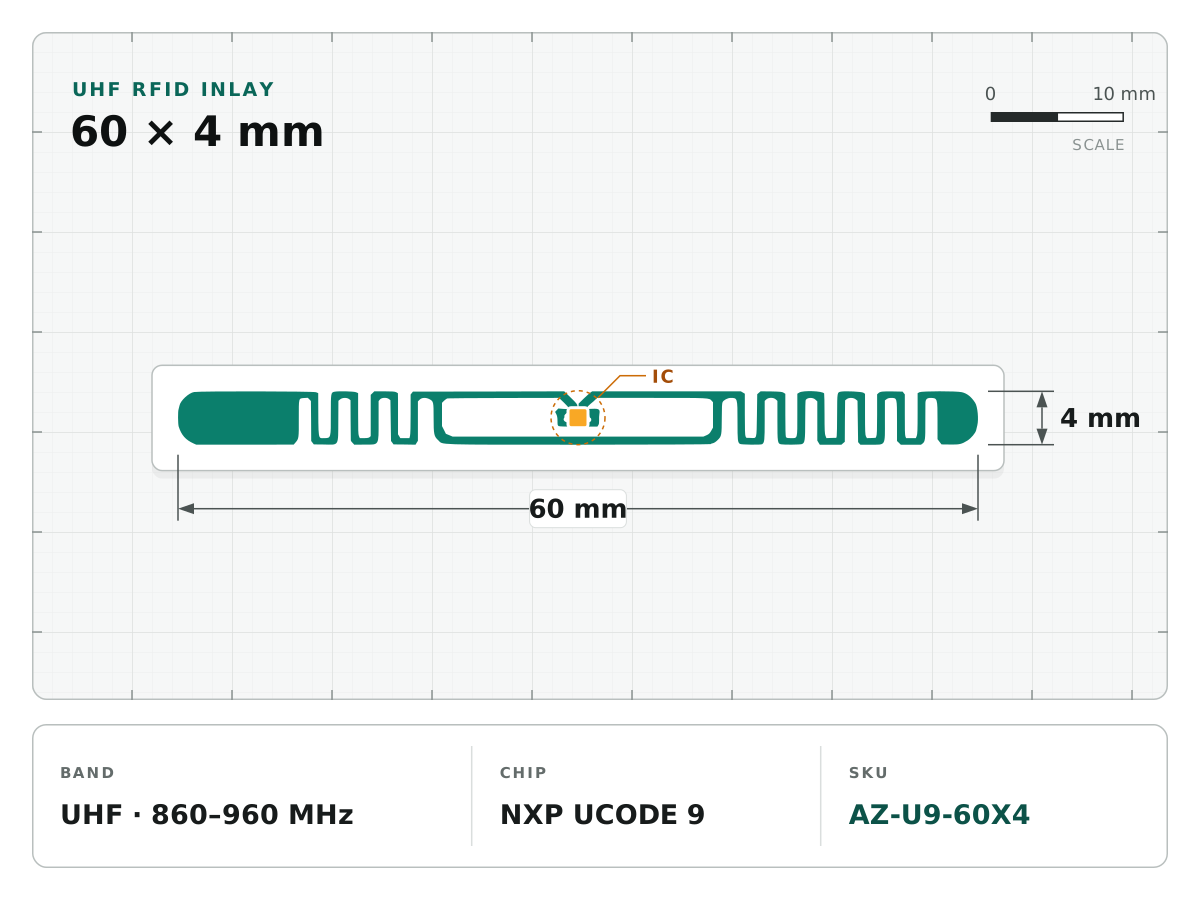
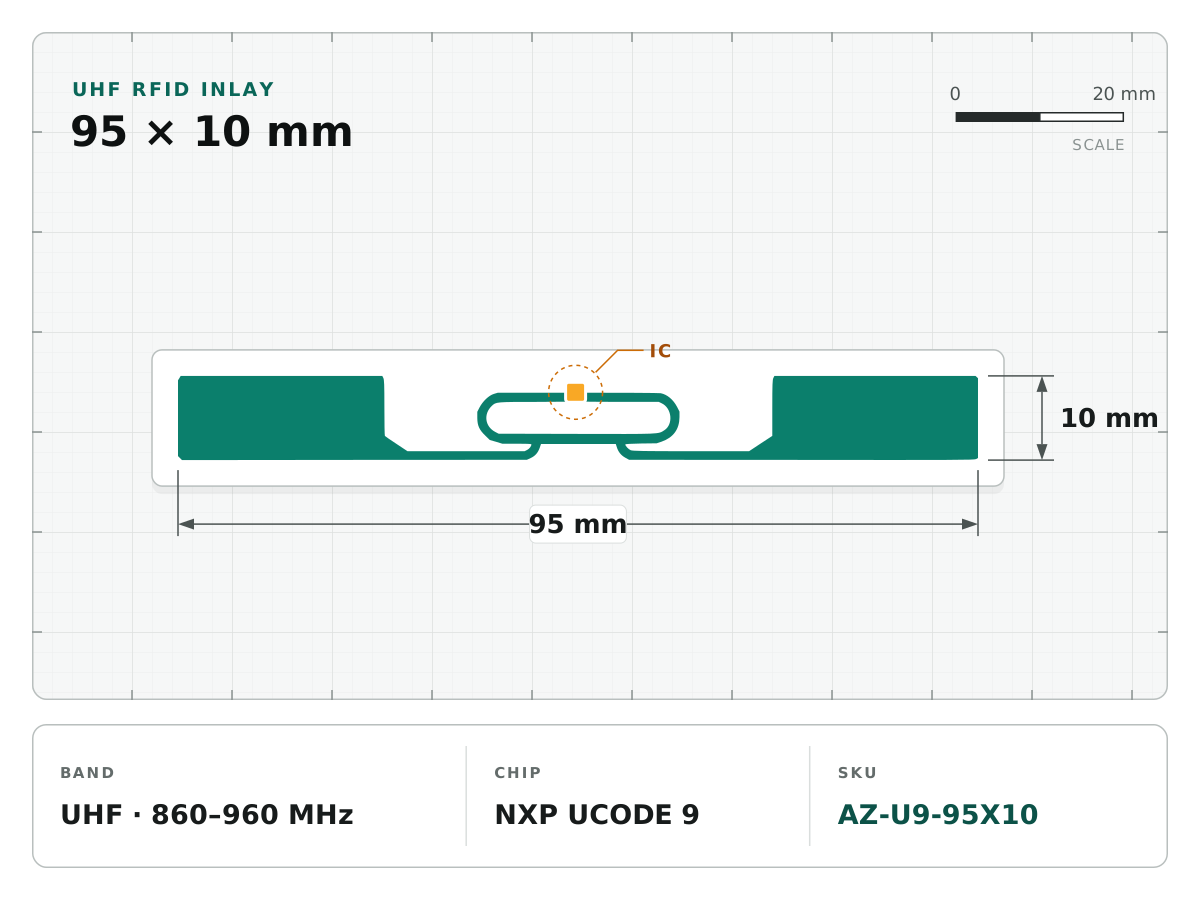
Antenza supplies the label formats logistics programs use in volume: printable carton labels, pallet tags, and durable tags for returnable totes and roll cages. The inlays listed below include long dipoles for portal reads (93 × 19 mm and 95 × 8 mm class) on Alien Higgs-9 / Higgs-10 and NXP UCODE 9, plus Impinj Monza 4 dual-dipole designs that read in any orientation. If your lanes cross regions, check UHF RFID bands by country.
Every carton is handled one by one with a barcode gun; missed or duplicate scans surface later as inventory disputes.
A wrong carton on the wrong truck is only discovered on the customer’s dock, where it costs the most.
Totes, pallets and roll cages leave and never come back, and nobody can say at which site they were last seen.
Cold rooms, abrasion and long outdoor exposure defeat office-grade labels; every unreadable tag becomes a manual exception.
We shortlist inlays for your band plan (865–868 MHz in Europe, 902–928 MHz in the US) and your carton contents, and you confirm the choice with samples on real cartons.
Alien Higgs-3 (512-bit) and Higgs-9 (up to 688-bit) carry user memory for routing or asset data on the tag, useful where a network lookup is impractical.
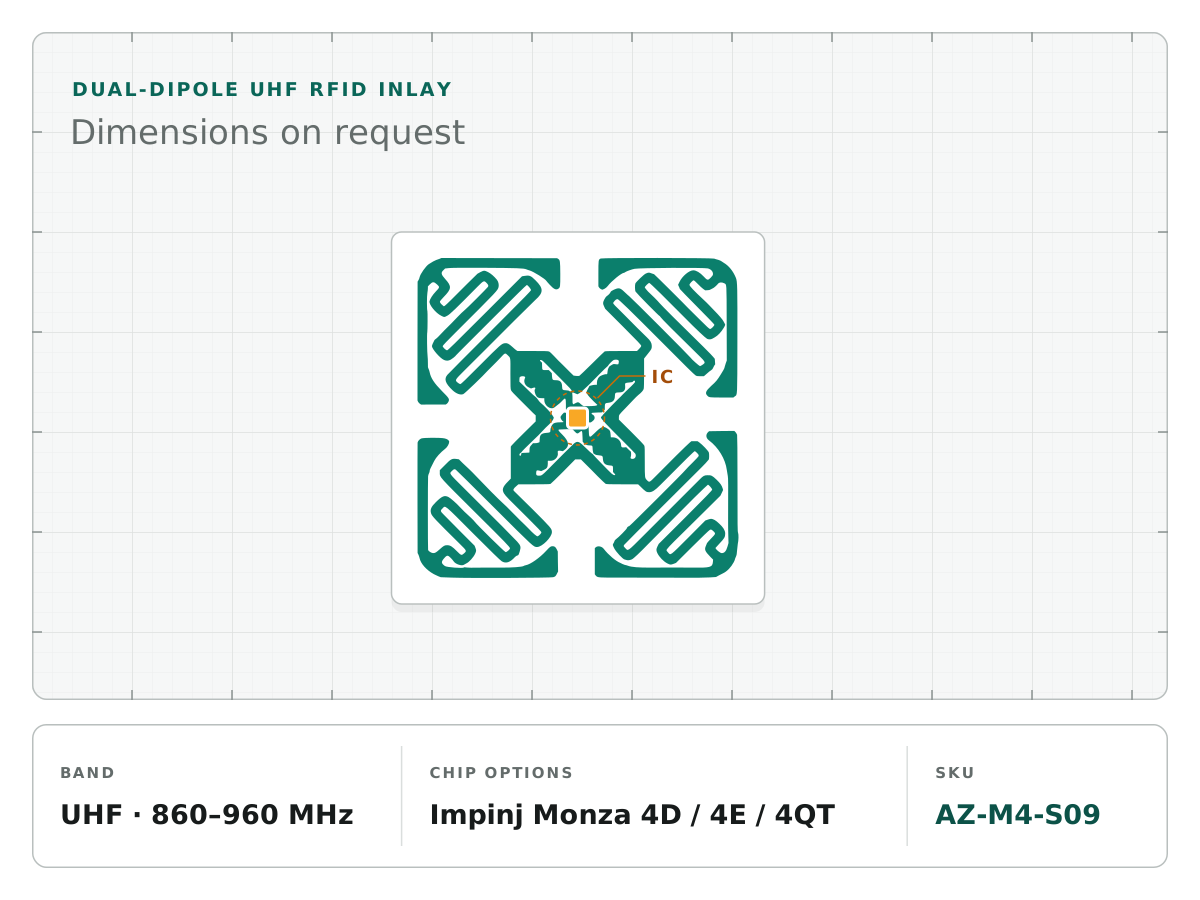
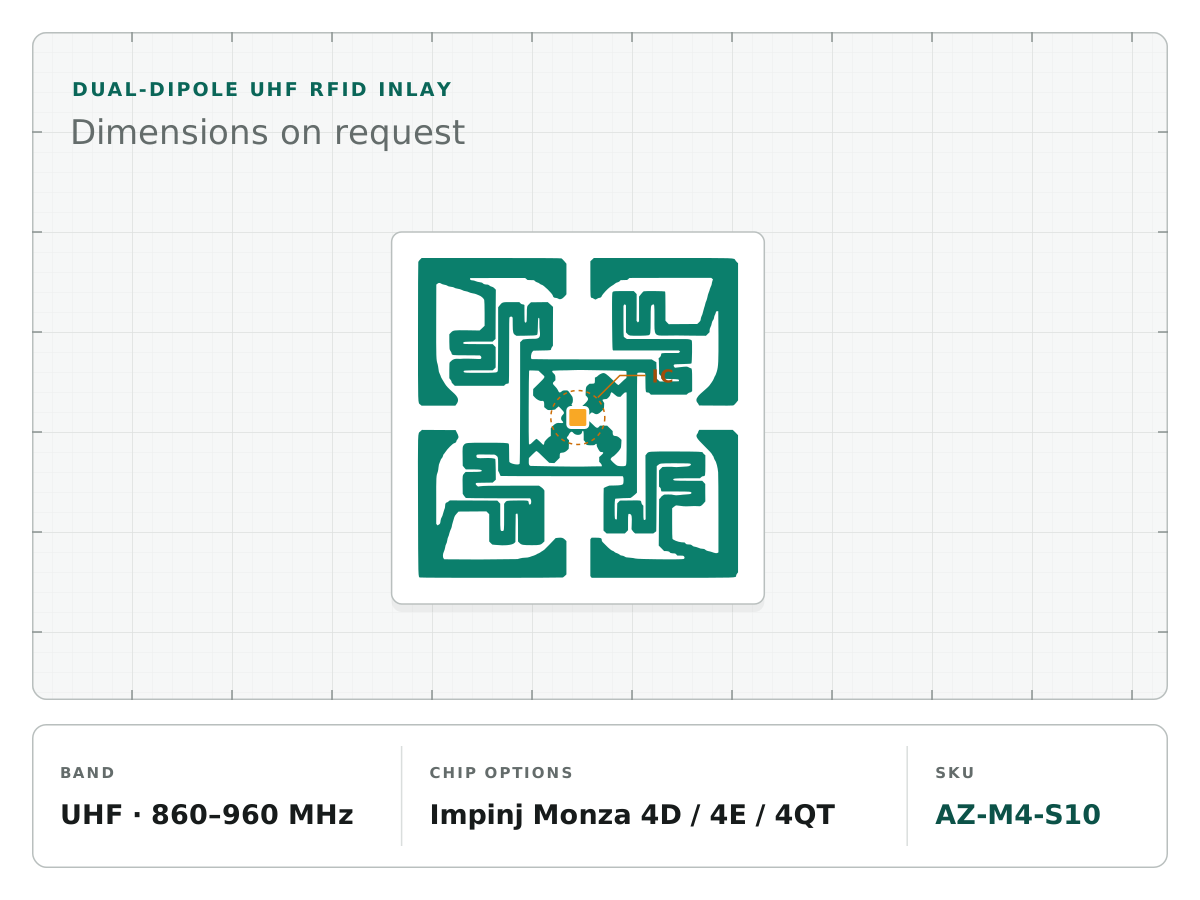
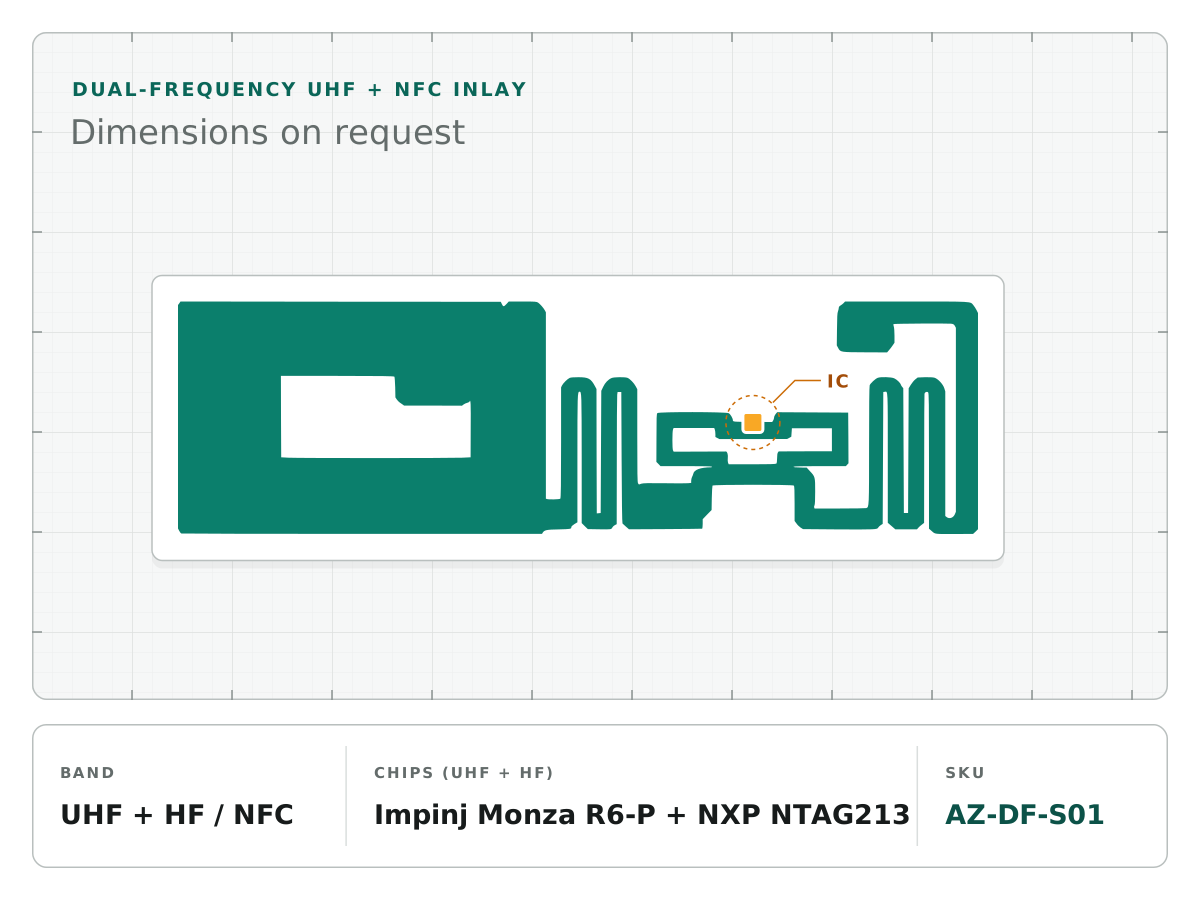
Monza 4 dual-dipole inlays read with the tag at any angle to the reader antenna, which helps when cartons pass a portal in random orientation.
Rolls converted to your applicator’s width, pitch and core, with adhesive chosen for corrugated board, stretch film or plastic totes, and EPCs encoded to SSCC, GRAI or your own scheme.
Dock-door read rates are a system property: tag, reader, portal layout and carton contents all matter. Describe the read point and we suggest a tag you can pilot before committing volume.
| Frequency | UHF 860–960 MHz, EPC Gen2, RAIN RFID |
|---|---|
| Chips in the listed range | Alien Higgs-9, Higgs-10, Higgs-3/4; NXP UCODE 9, UCODE 7/8; Impinj Monza 4 family |
| Formats | Thermal-printable carton label · pallet tag · durable tote or roll-cage tag |
| Listed antenna sizes | 39 × 22 mm to 95 × 10 mm, incl. 93 × 19 mm on 25.4 or 28.6 mm pitch |
| Encoding | SSCC-96, GRAI-96 for returnables, or a custom EPC scheme |
| Adhesives | Corrugated board and low-energy plastics; freezer grade on request |
| Read range (reference) | Portal reads typically 4–10 m Reference only; depends on reader, antenna, power and the tagged material |
UHF inlays in our range used for cartons, pallets and totes, including dual-dipole and dual-frequency options.
UHF AZ-H9-93X19-P25
 UHF
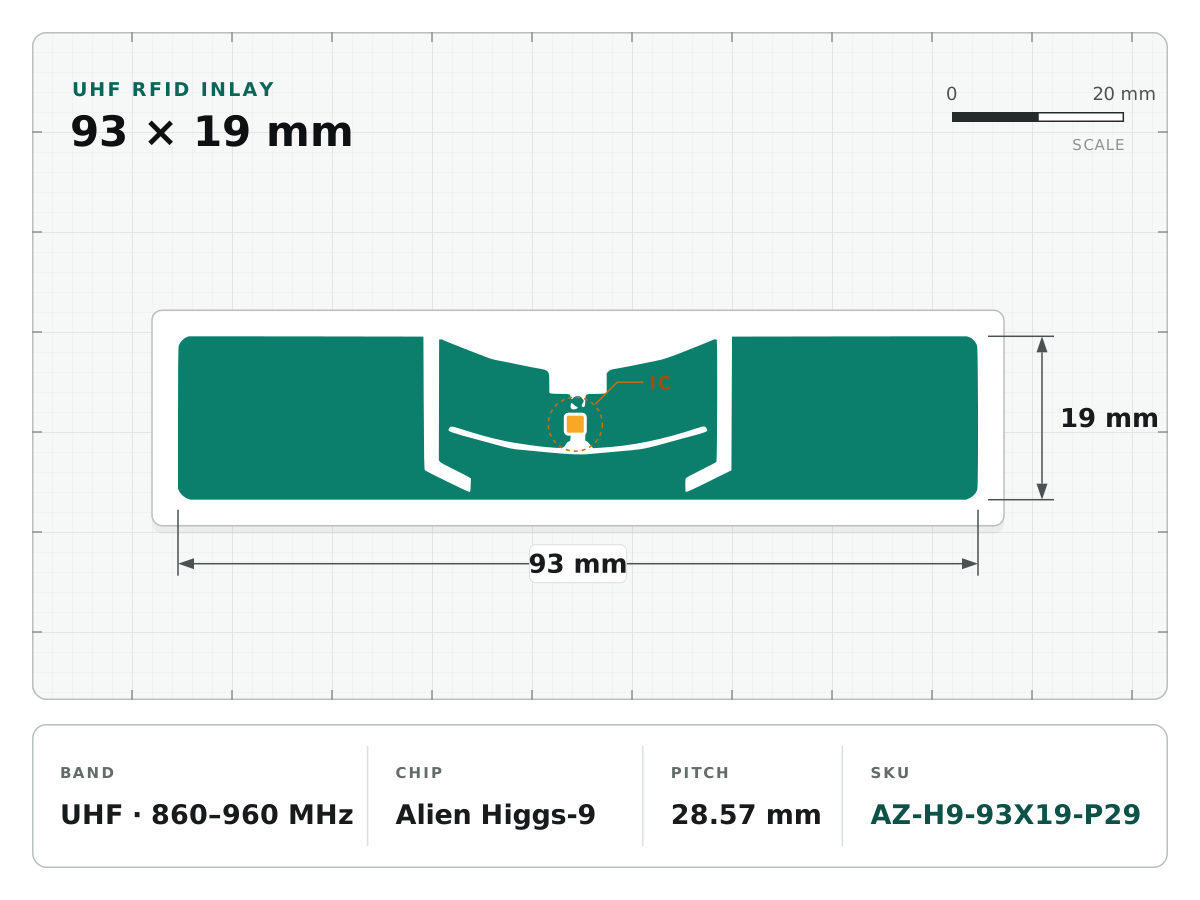
UHF AZ-H9-93X19-P29
 UHF
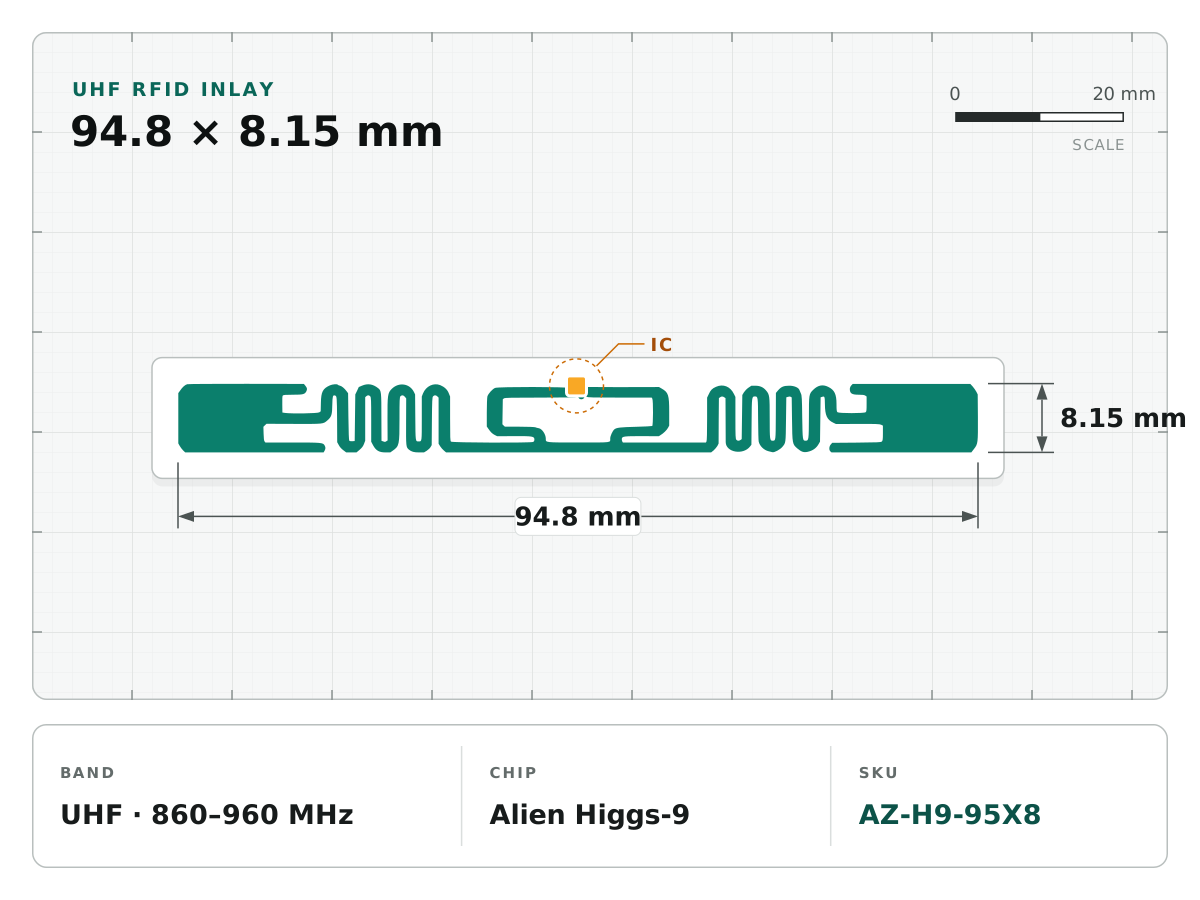
UHF AZ-H9-95X8
 UHF
UHF 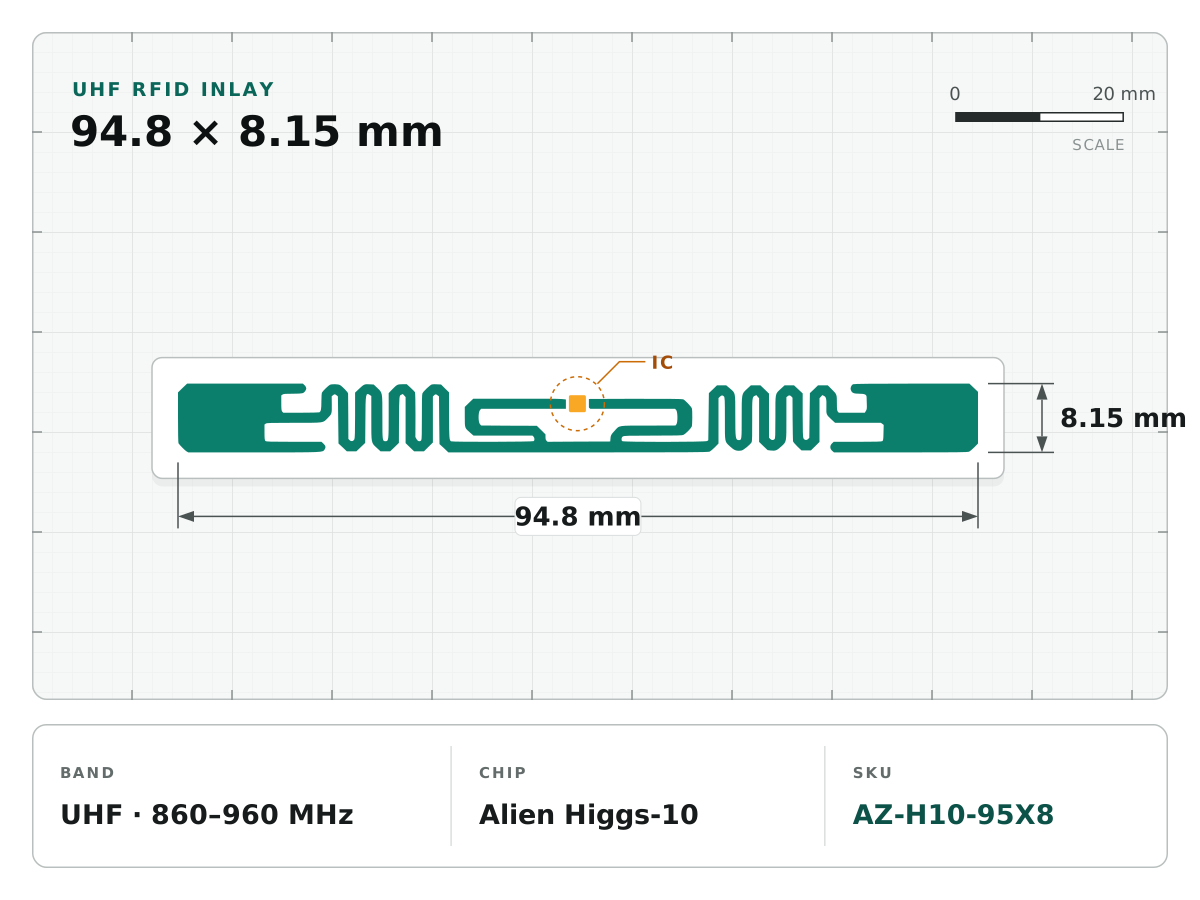 UHF
UHF 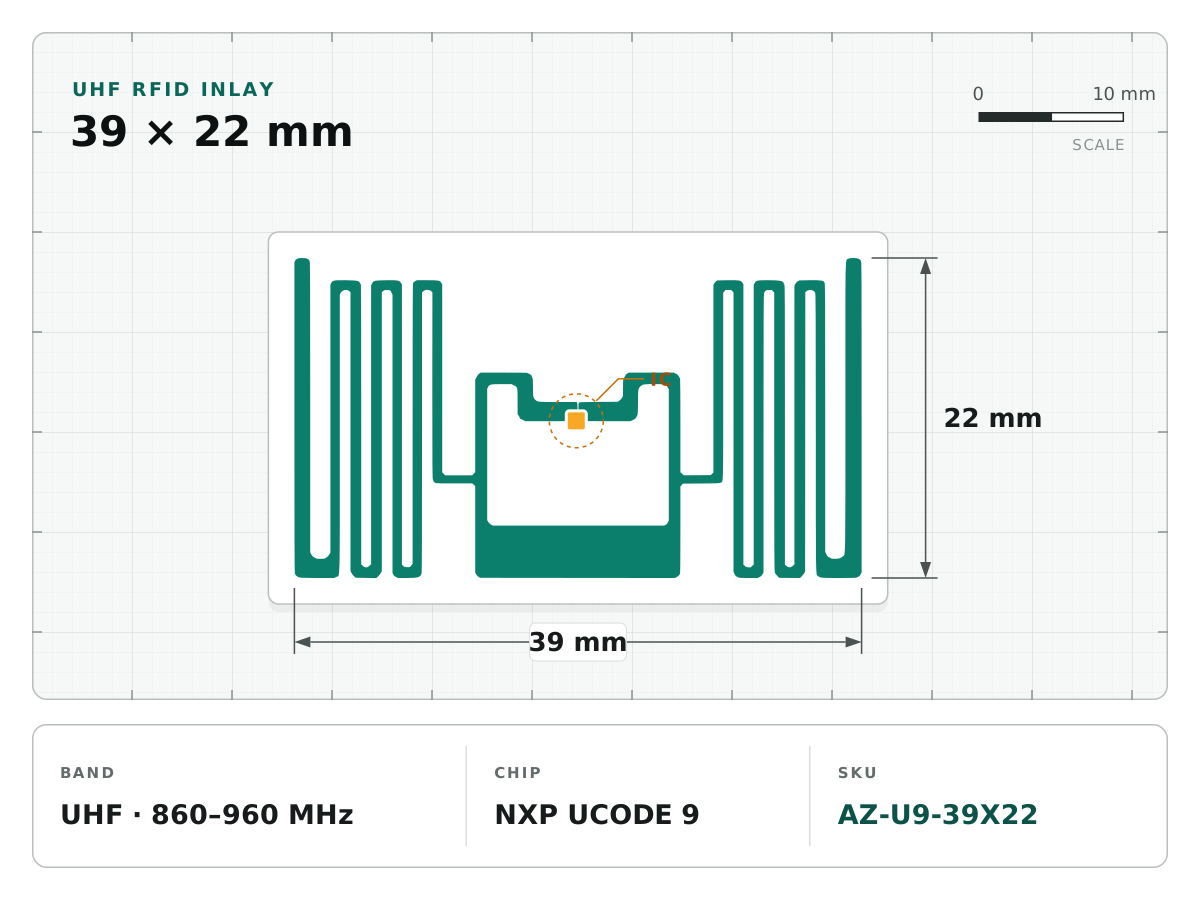 UHF
UHF AZ-U9-39X22
 UHF
UHF AZ-U9-60X4
 UHF
UHF AZ-U9-95X10
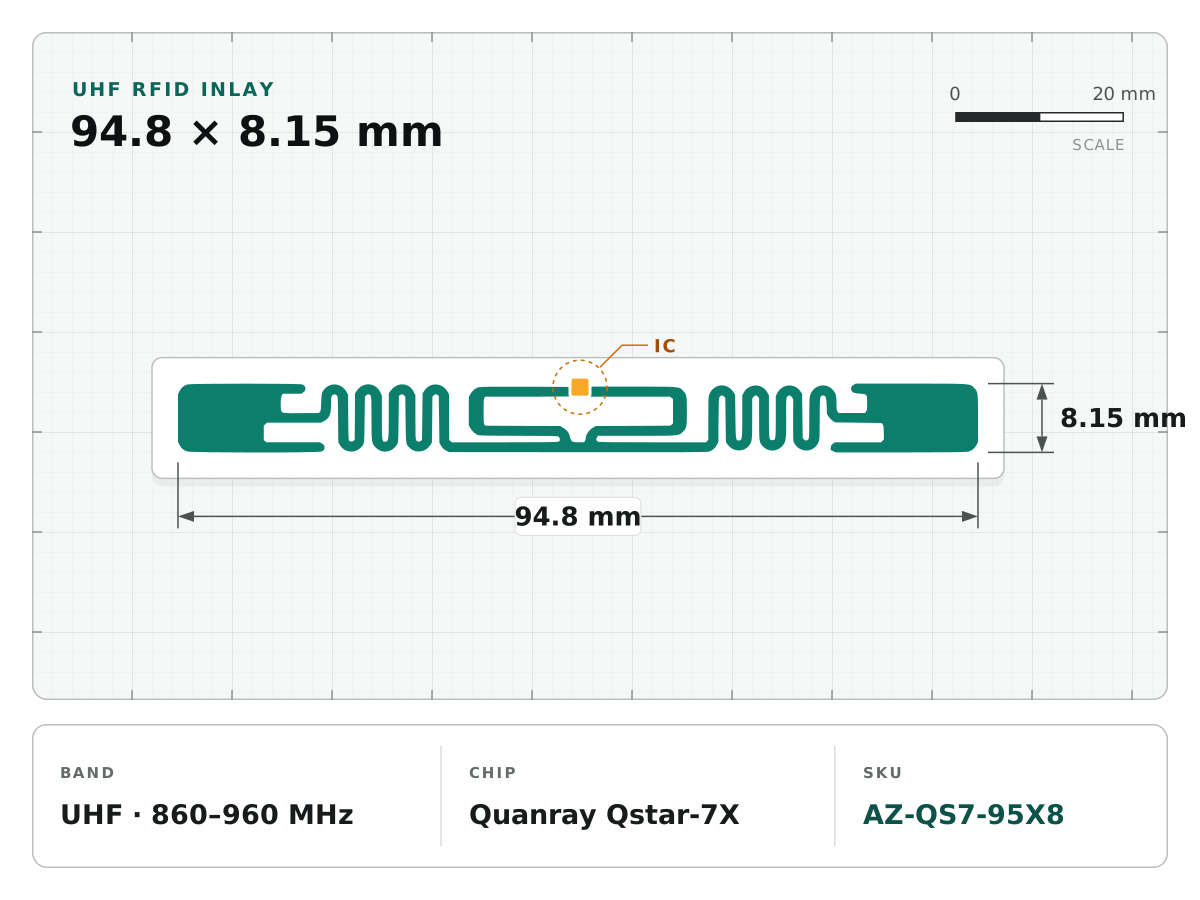 UHF
UHF AZ-QS7-95X8
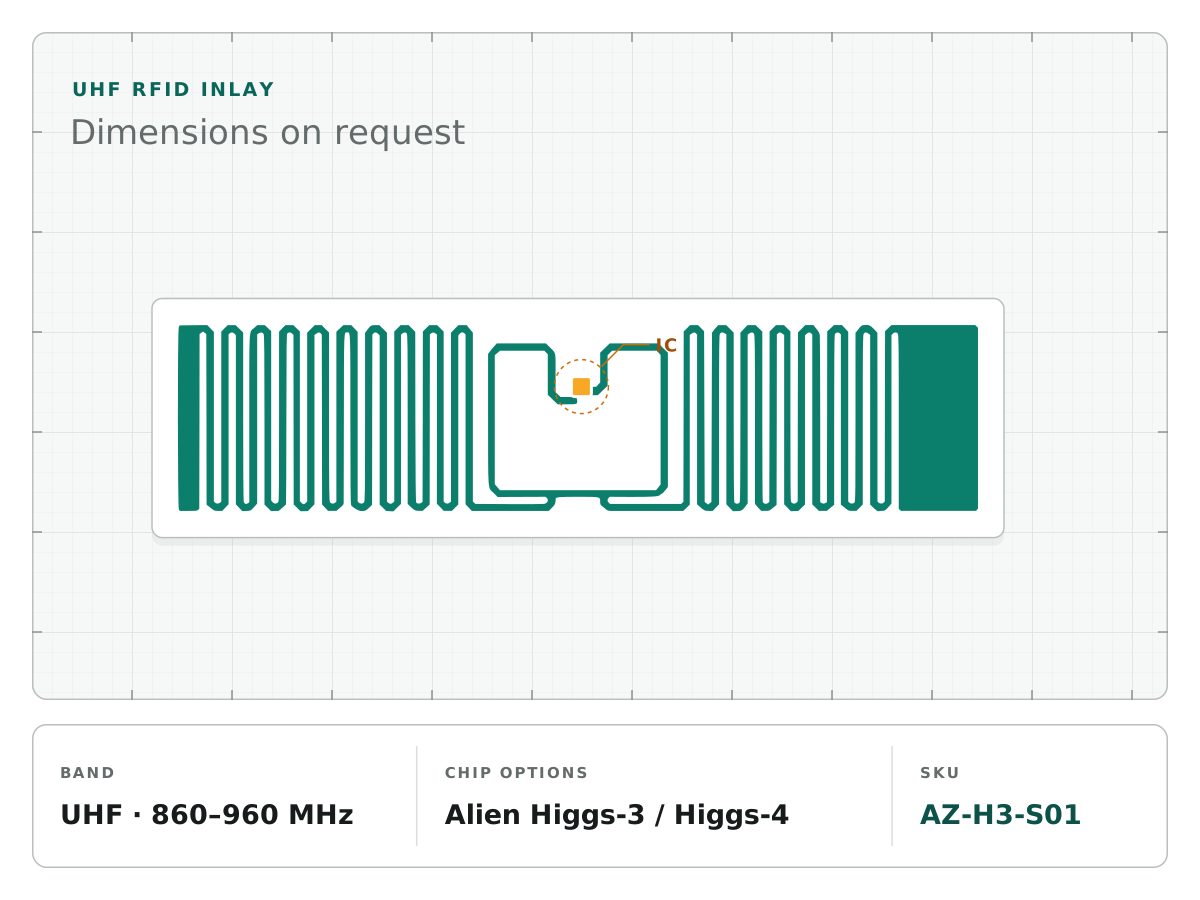 UHF
UHF AZ-H3-S01
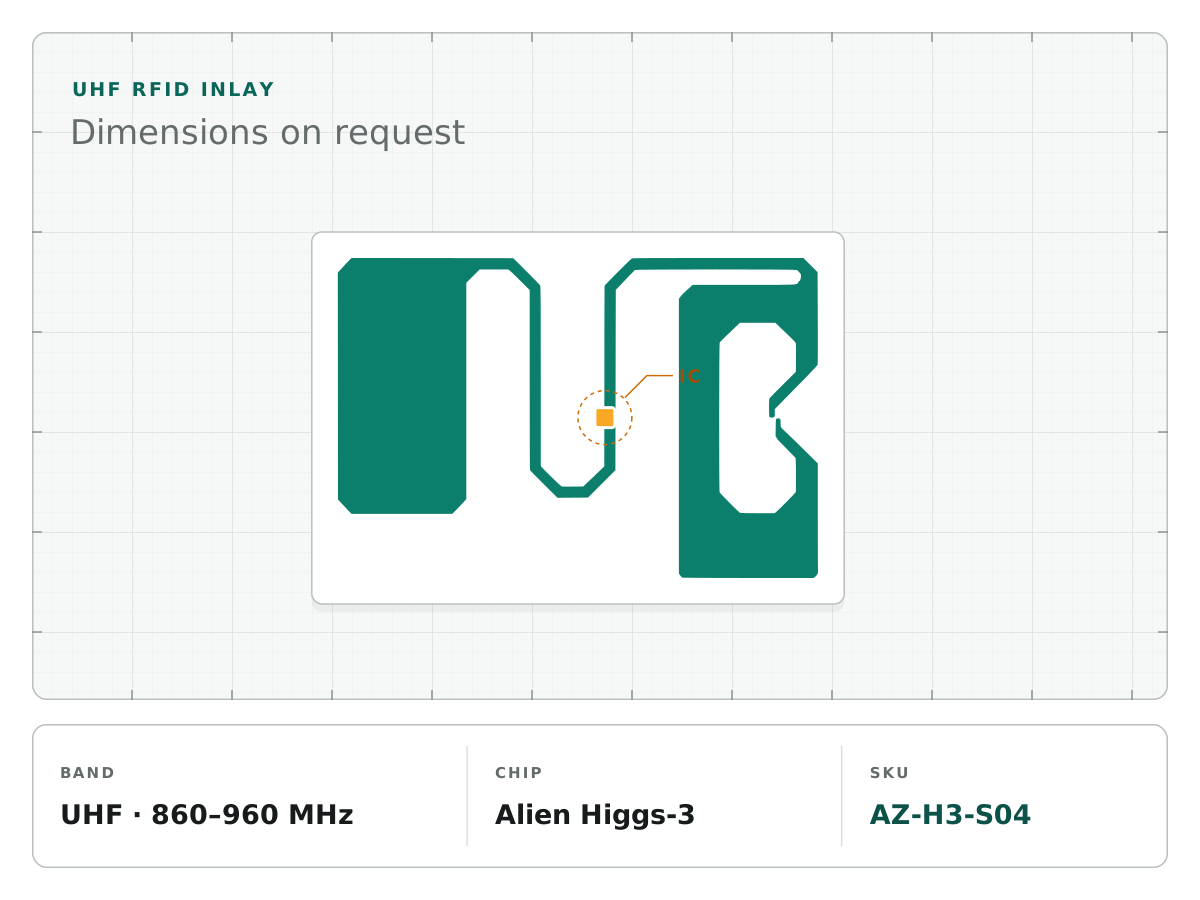 UHF
UHF 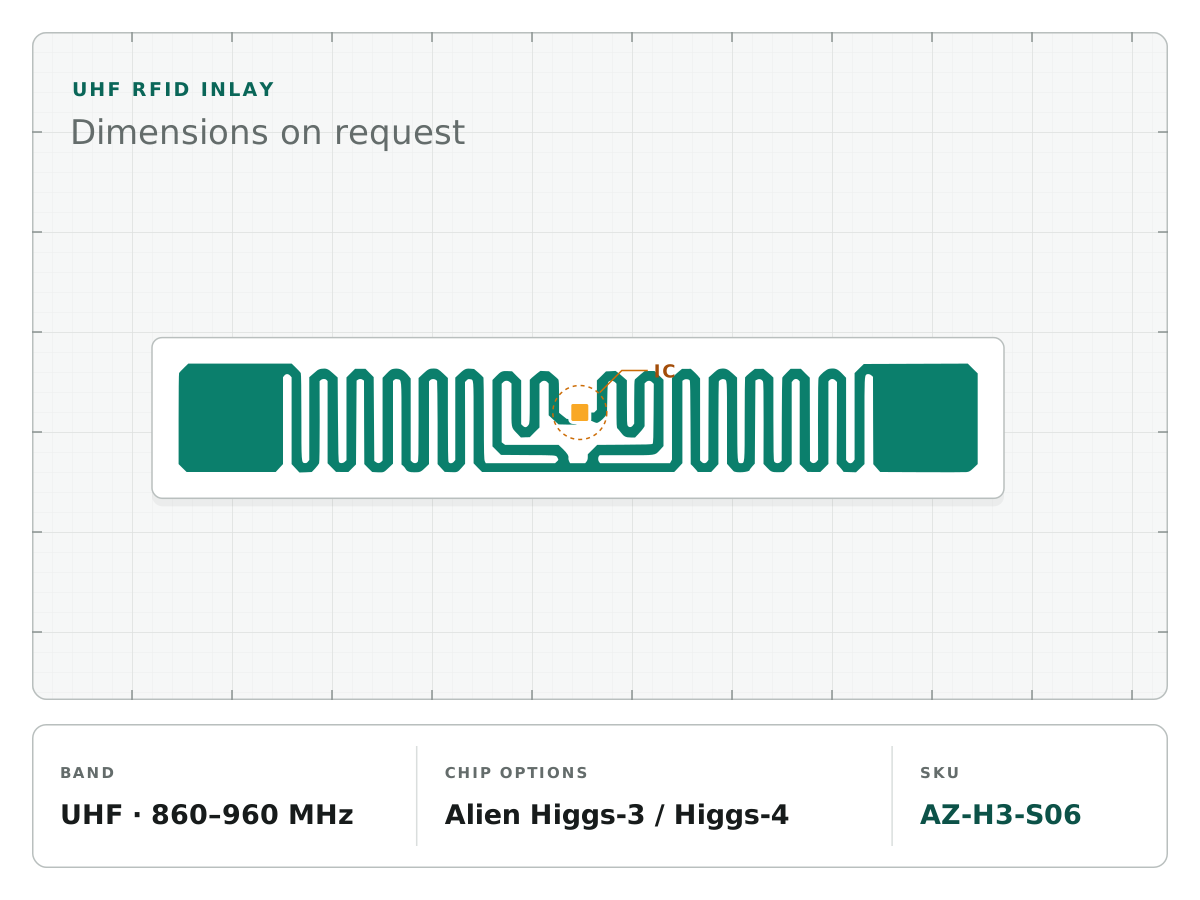 UHF
UHF AZ-H3-S06
 UHF
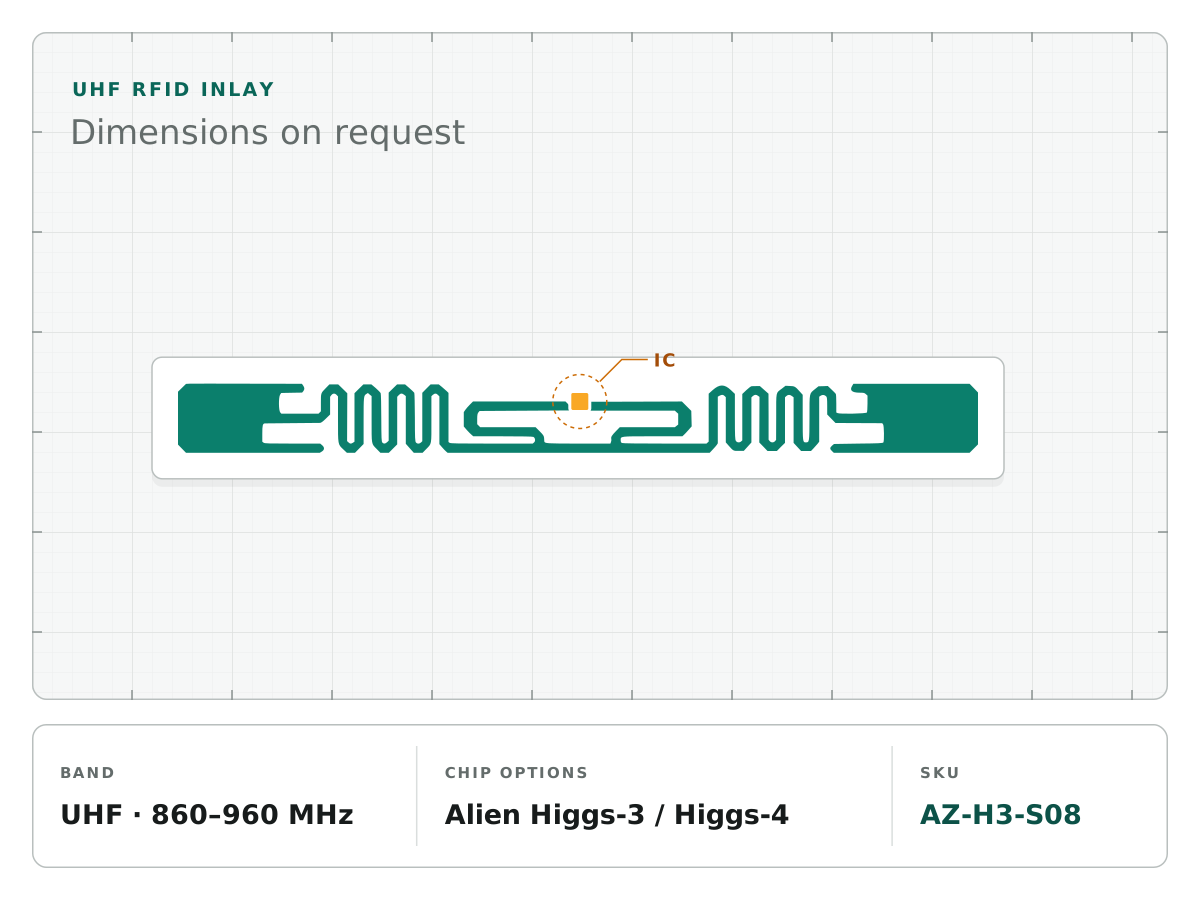
UHF AZ-H3-S08
 UHF
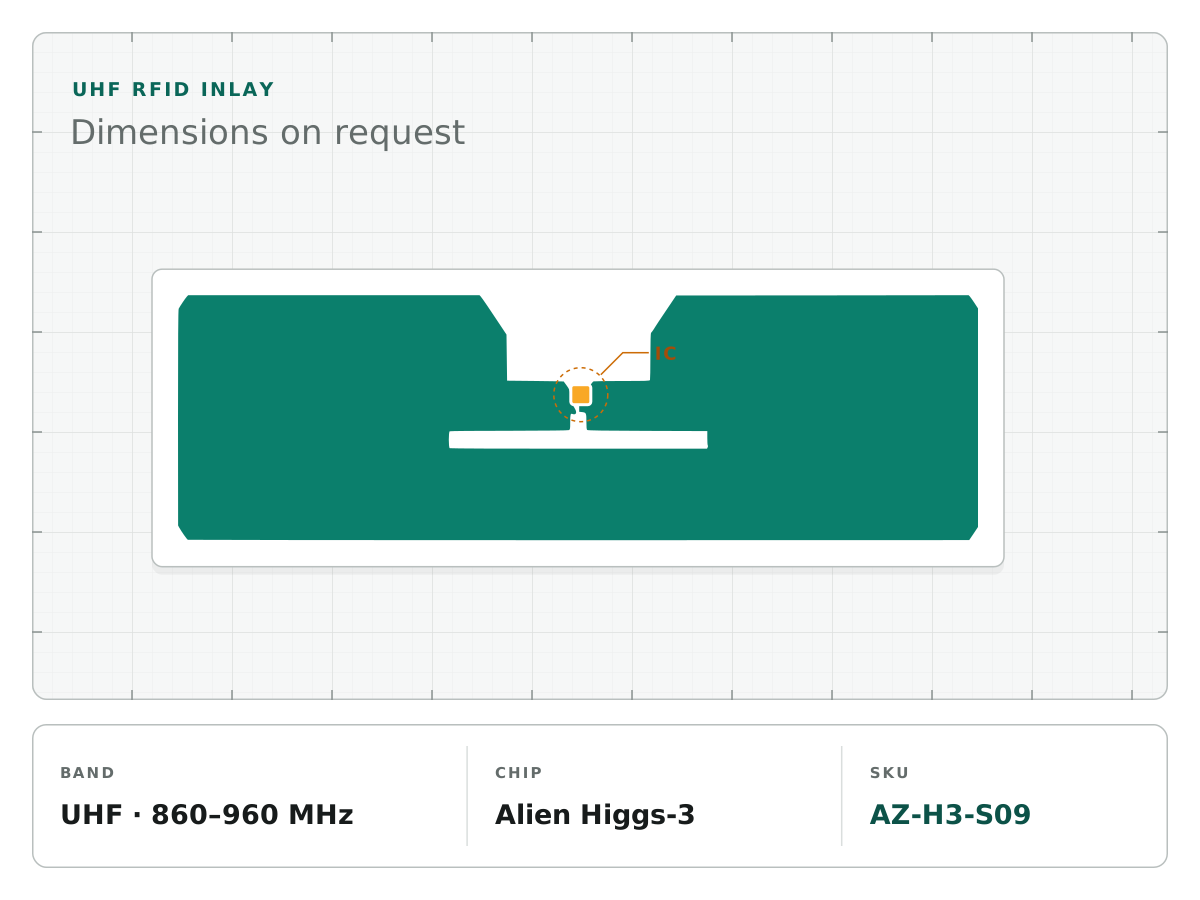
UHF 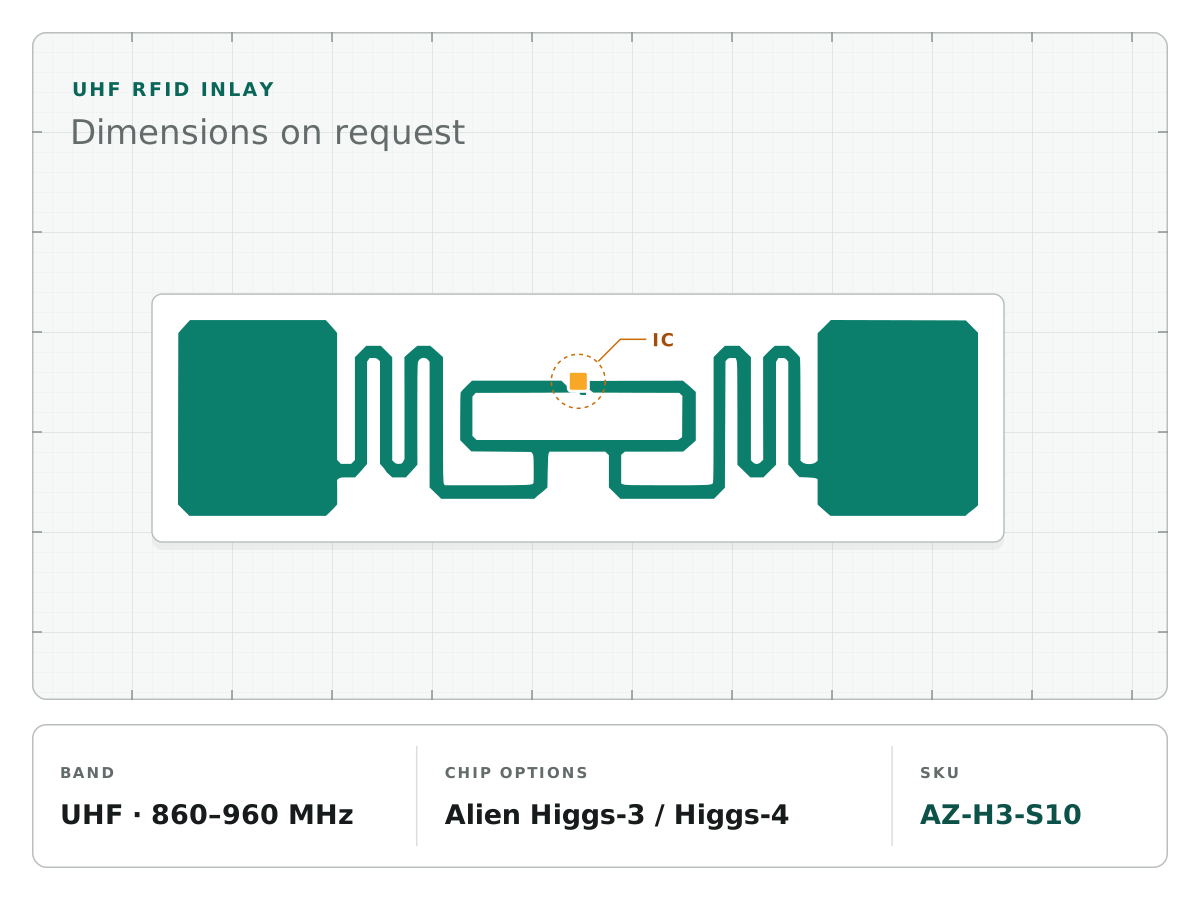 UHF
UHF AZ-H3-S10
 UHF
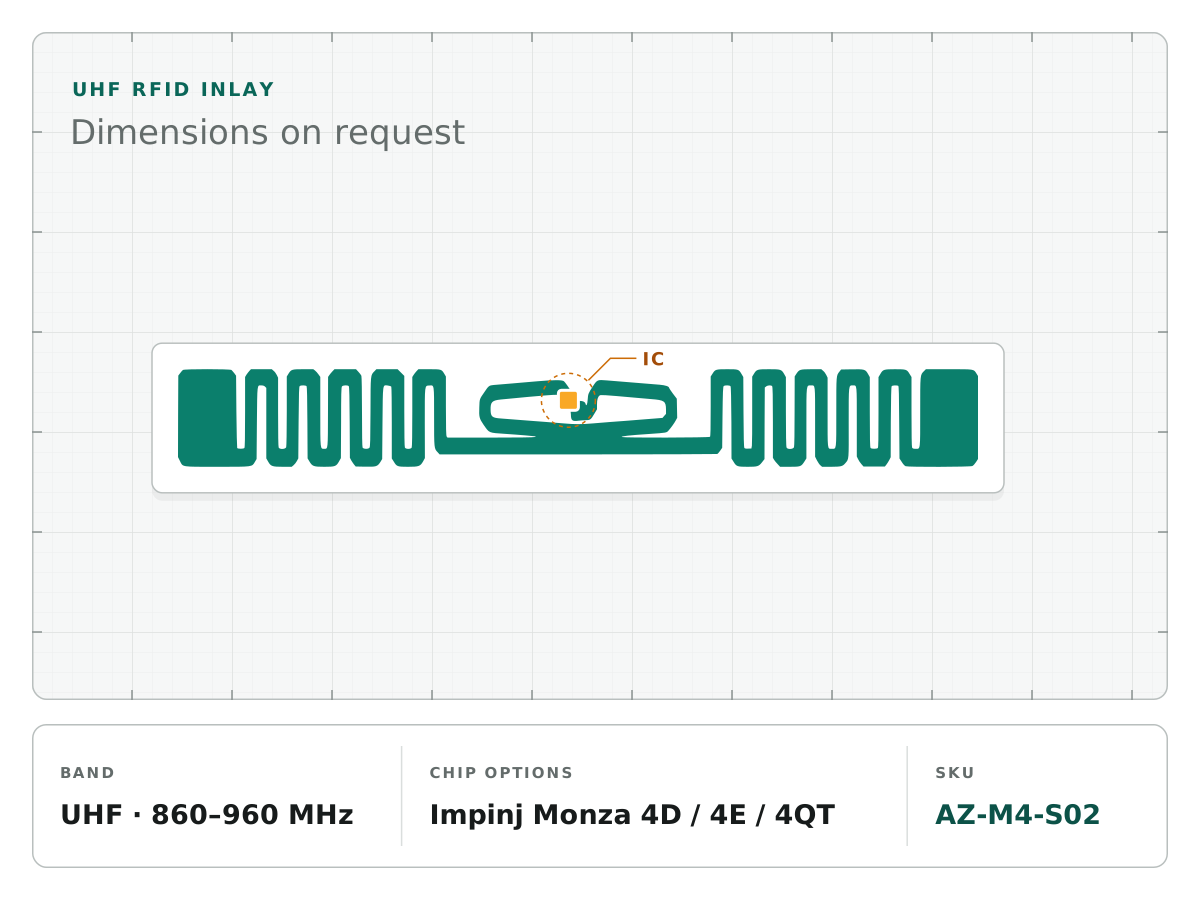
UHF AZ-M4-S02
 UHF
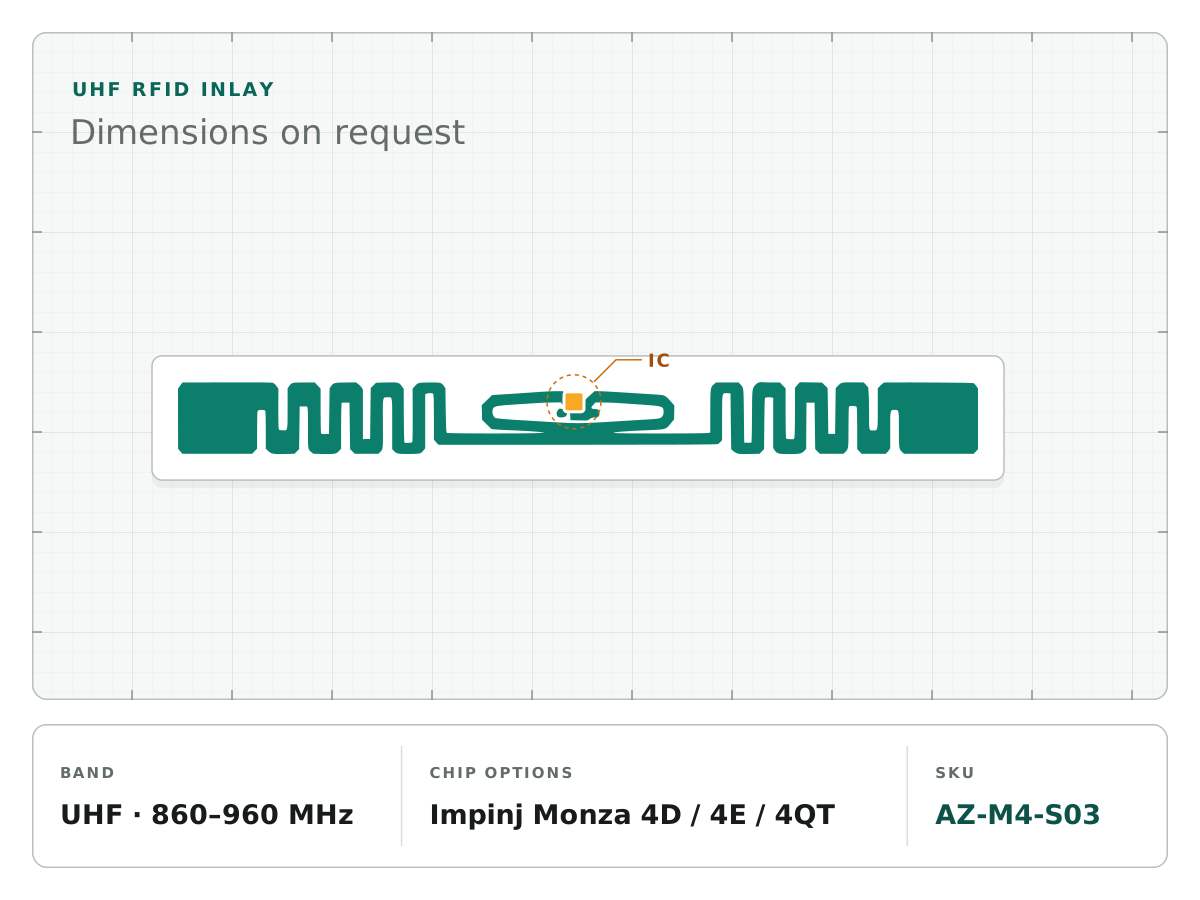
UHF AZ-M4-S03
 UHF
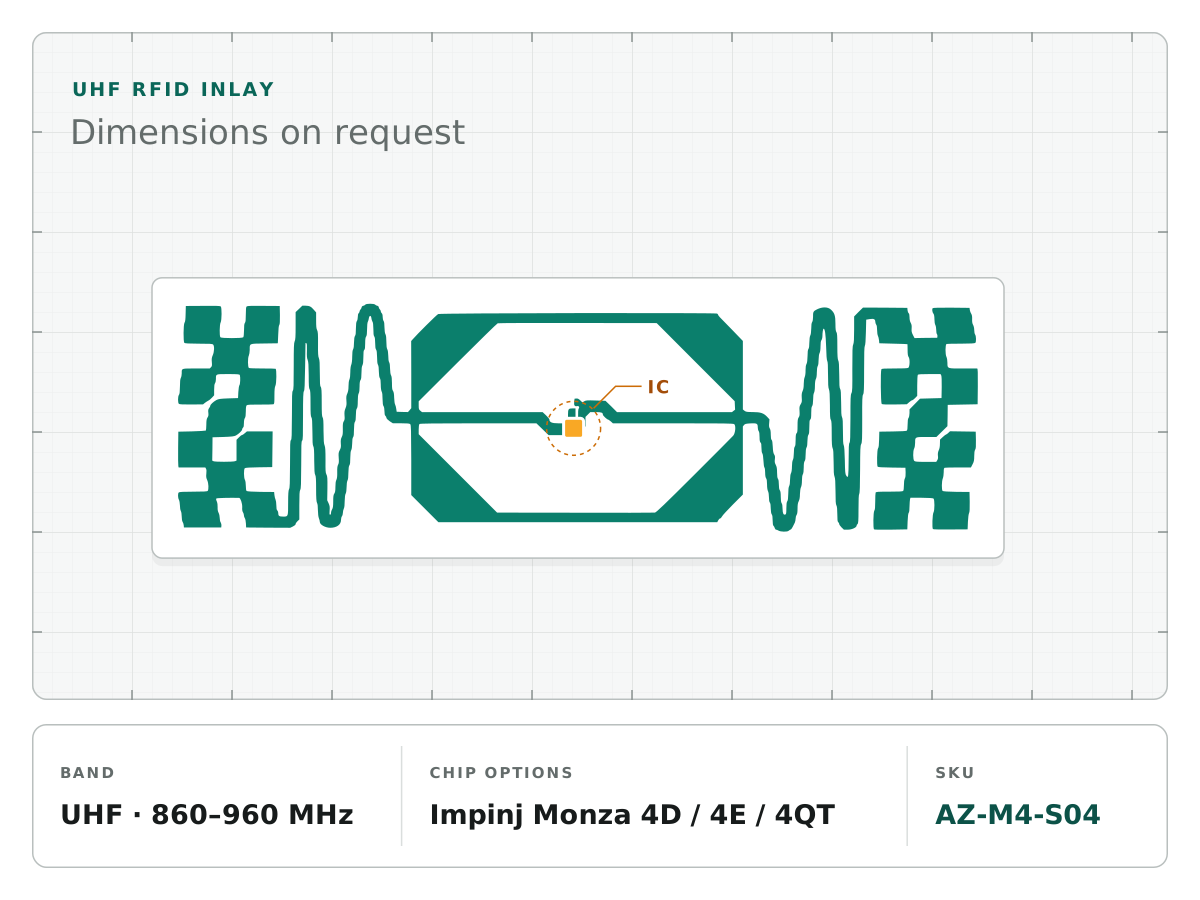
UHF AZ-M4-S04
 UHF
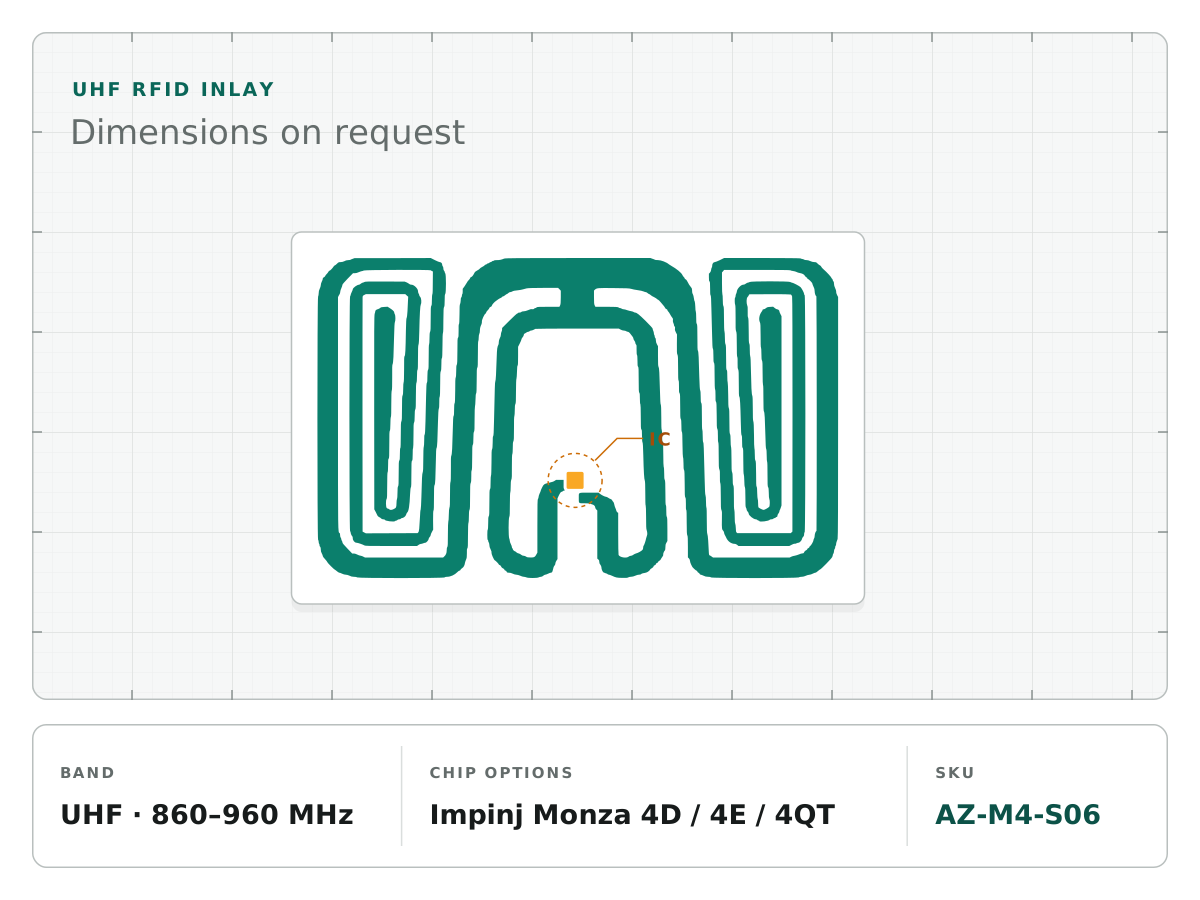
UHF AZ-M4-S06
 UHF
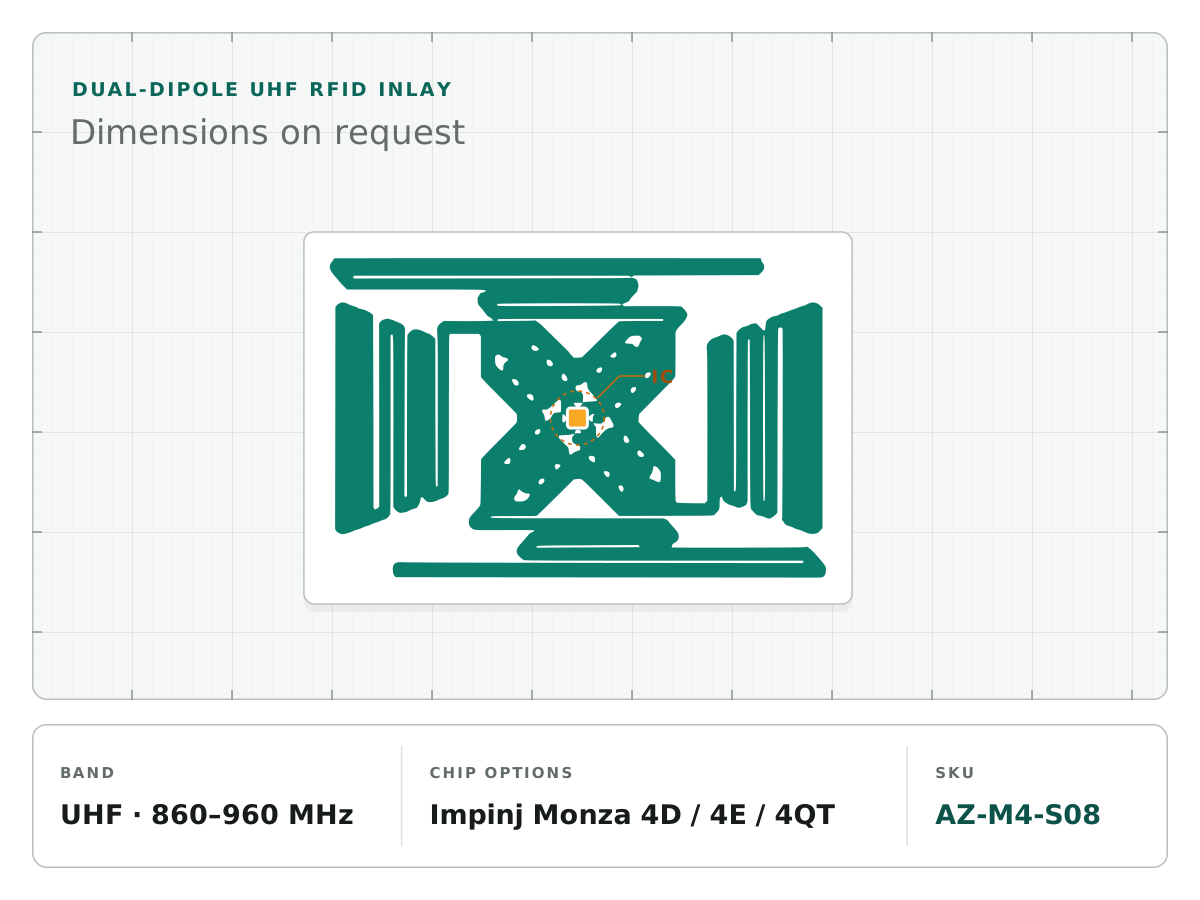
UHF AZ-M4-S08
 UHF
UHF AZ-M4-S09
 UHF
UHF AZ-M4-S10
 UHF + NFC
 AZ-DF-S01
 UHF
UHF AZ-R6-S04
 UHF
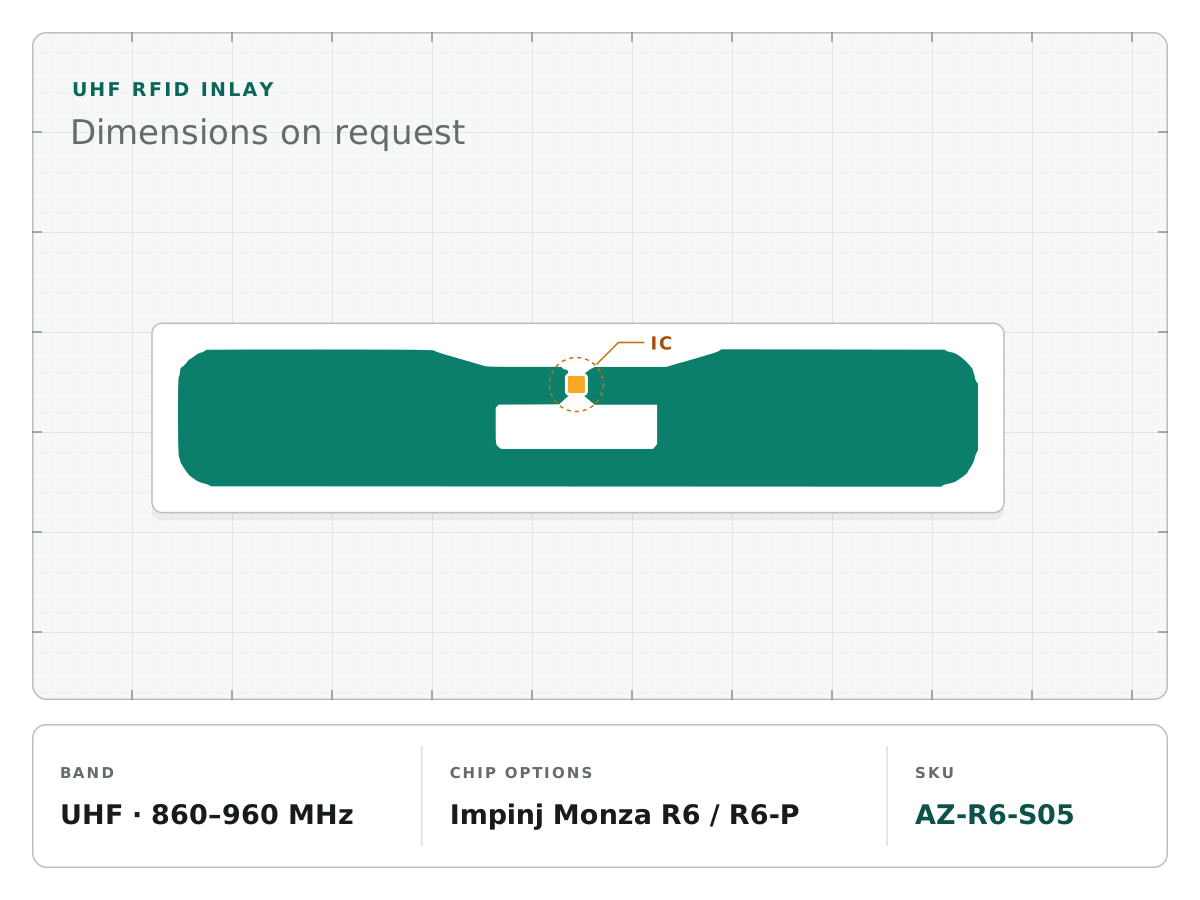
UHF AZ-R6-S05
 UHF
UHF  UHF
UHF  UHF
UHF Share surface, read distance, chip preference and volume. We shortlist tags that fit.
Receive sample tags of the shortlisted designs to try in your own setup.
Test on your items, readers and printers. We adjust chip, size or format if needed.
Volume production with 100% inline electrical test, then export shipping.
Understand SGTIN-96 encoding inputs and limits. Define company prefix, item reference, serial allocation and read-back checks before RFID production.
Check inlay placement, label pitch, media thickness and encoding settings. Qualify a sample roll on your exact RFID printer before placing a bulk order.
RFID read range depends on the complete system. Control power, antenna, surface, orientation and reader settings when comparing labels on real objects.
Compare RFID and barcodes by line of sight, batch reading, item identity and failure handling. Build a pilot around labor saved and reliable exceptions.
Check reader-region rules and tag tuning before a cross-border RFID rollout. Compare US, European and Chinese starting points using official sources.
Talk to an RFID engineer
Describe the read point, carton or pallet type and annual volume. An engineer replies within 24 hours with a shortlist and a pilot plan.
Email us: sales@antenza.com