 HF / NFC
 Application engineering
RFID Labels for Pharmaceuticals
Lot, expiry and identity readable in bulk, from the wholesale tote to the hospital kit tray, without opening a box.

Design for the real reading environment
Serialization rules such as the US DSCSA and the EU Falsified Medicines Directive give each saleable pack a unique identity, usually a 2D barcode that must be seen to be read. RFID adds what barcodes cannot: bulk verification without line of sight. A tote of mixed product can be read in one pass, a crash-cart kit checked in seconds, and short-dated lots found without inspecting shelf by shelf.
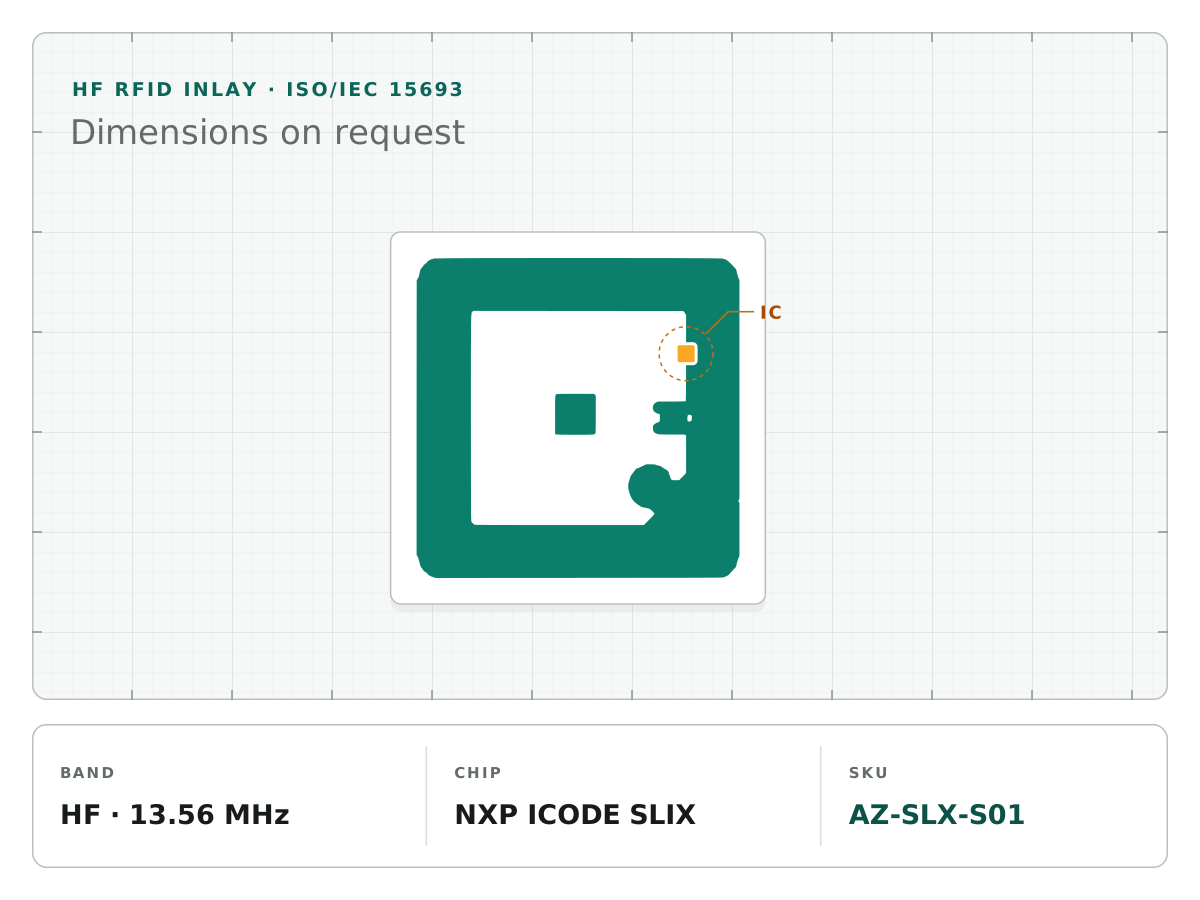
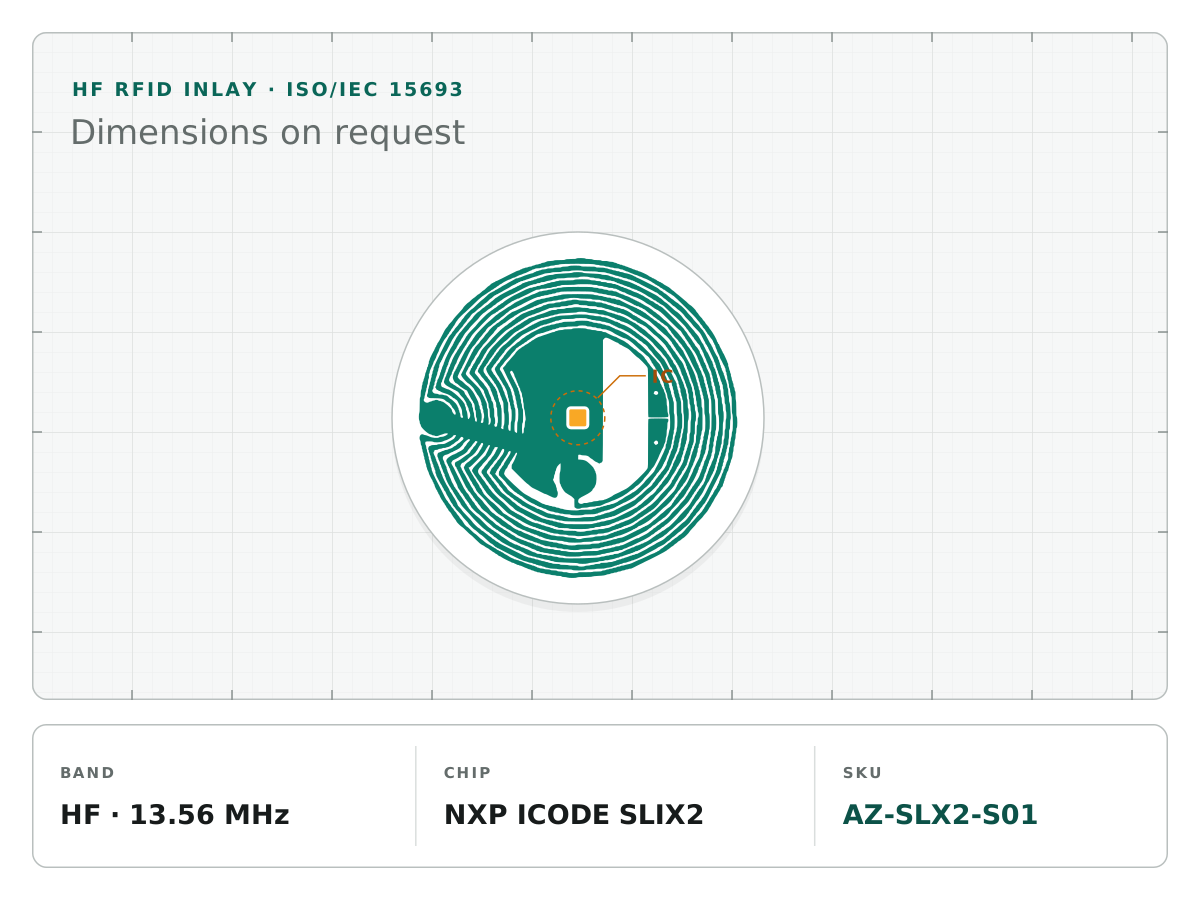
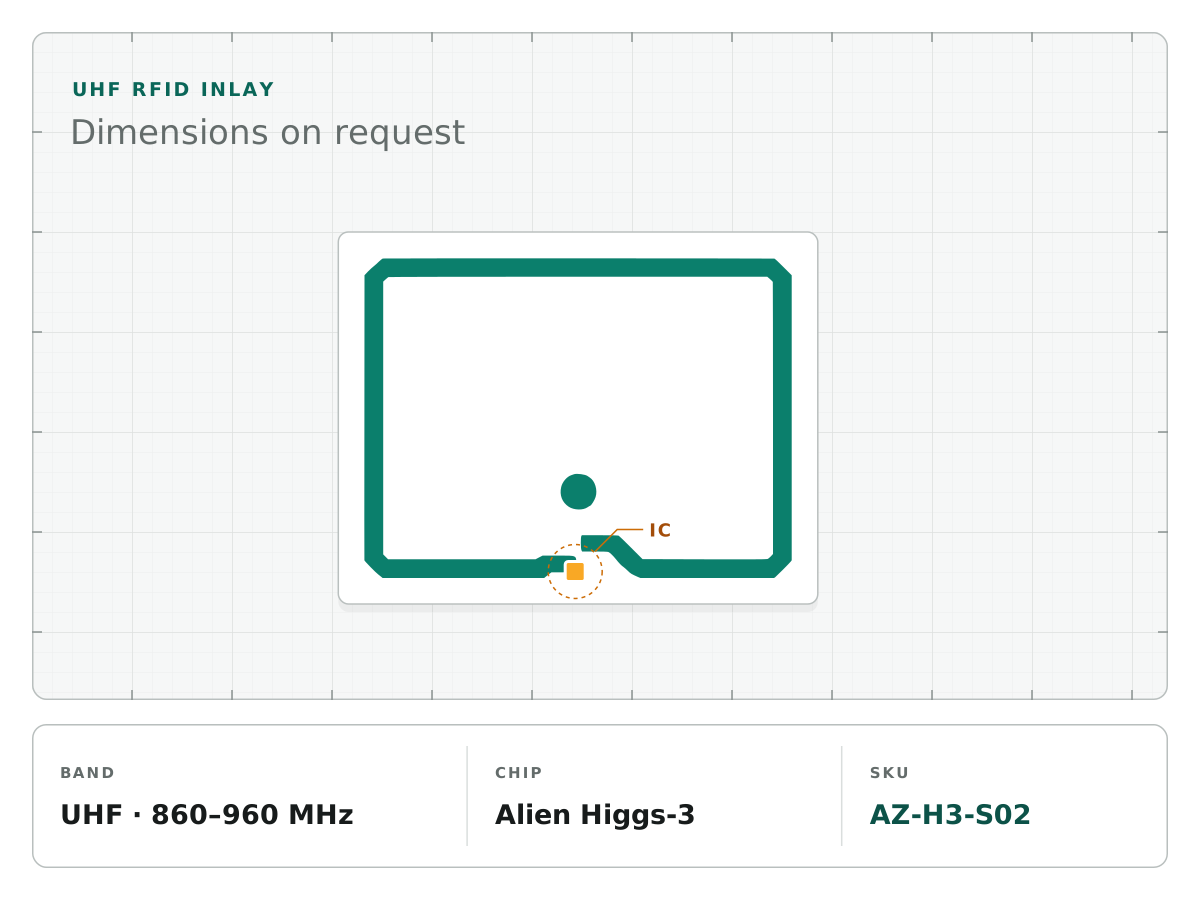
Antenza lists labels in both frequency families: HF ISO/IEC 15693 tags on NXP ICODE SLIX and SLIX2, which behave predictably at close range around liquids and in smart cabinets, and small UHF inlays (Alien Higgs-3 square, Impinj Monza 4 round) for case and tote speed. Not sure which band fits? See UHF vs HF vs NFC.
Pharmacy and supply problems RFID targets
- 01
Expiry checks by hand
Staff check dates shelf by shelf; short-dated stock is found too late to redeploy.
- 02
Kit and tray verification
Crash carts and surgical kits are checked item by item against a paper list: slow, and errors still slip through.
- 03
Liquids and foils
Vials, ampoules and blister foil are among the hardest RF environments in packaged goods.
- 04
Serialization without bulk reads
The regulatory identity exists, but verifying a sealed tote still means opening it, unless the identity is also radio-readable.
How Antenza supports pharma labelling
Both frequencies, advised per product
UHF for distribution-speed bulk reads; HF ISO 15693 where near-field behaviour around liquids and foils is the safer choice. We advise per product and packaging level.
Small-format labels
Label size and adhesive chosen for vials, ampoules and unit cartons, including small-radius curved surfaces, and confirmed on your packaging in the sample round.
Serialized encoding
Unique identities encoded and verified before shipment, aligned to your serialization scheme.
Controlled production
Labels are converted at our ISO 9001-certified production partner, with 100% inline electrical testing of the inlays.
Typical pharma label specification
Liquid content and foil lidding change the right tag choice. Send real product samples so we can validate before you commit to a specification.
| Frequency | HF 13.56 MHz (ISO/IEC 15693) or UHF 860–960 MHz (EPC Gen2) |
|---|---|
| Chips in the listed range | HF: NXP ICODE SLIX, SLIX2 · UHF: Alien Higgs-3, Impinj Monza 4 family |
| Formats | Unit-of-use label · case or tote label · kit tag |
| Face and adhesive | For vials, ampoules and cartons, incl. small-radius curves; confirmed per pack |
| Encoding | Serialized unique identity, read-verified |
| Read setup | Tray or smart-cabinet readers (HF); portal or handheld (UHF) |
Products for this application
Pharma-suited tags in our range: HF ICODE items first, then small UHF inlays. Specifications are shared on request.
HF / NFC 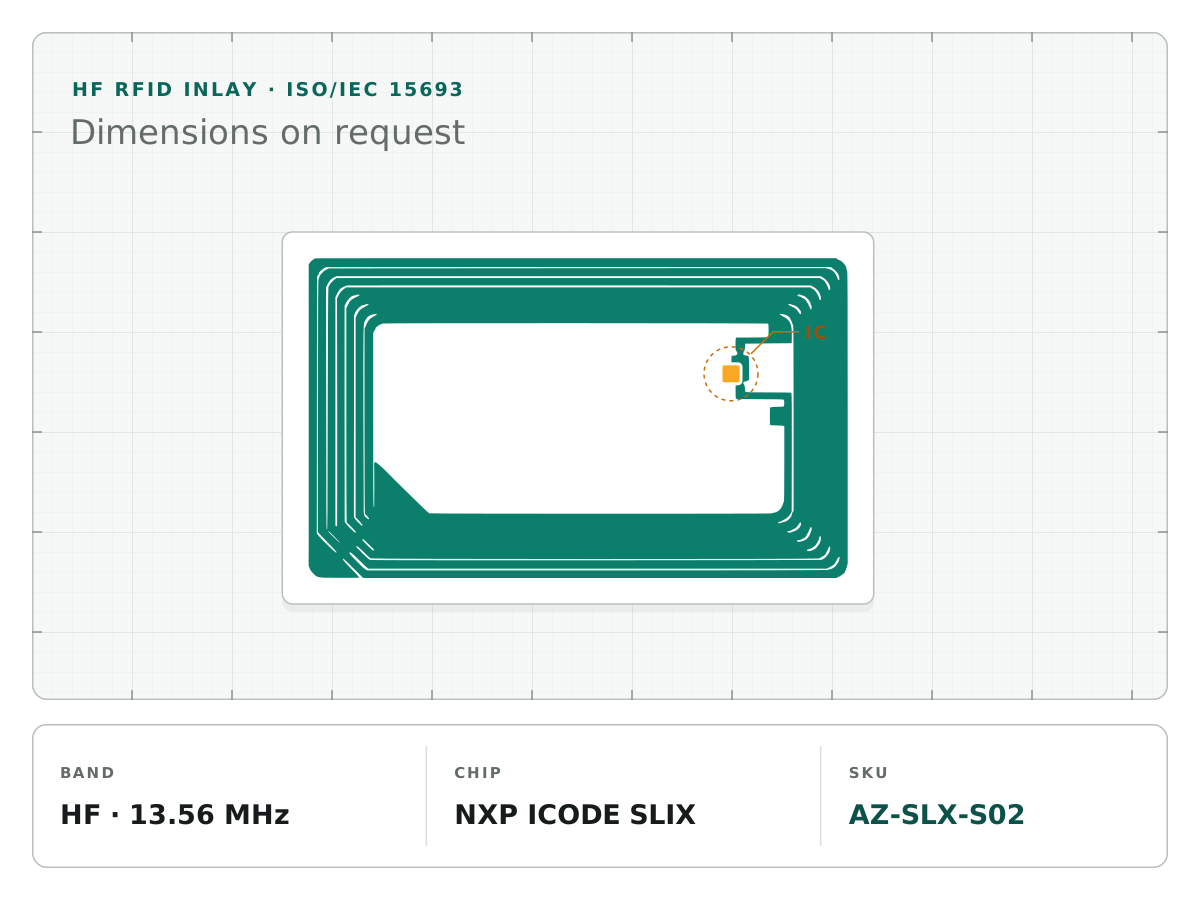 HF / NFC
  HF / NFC
  UHF
UHF 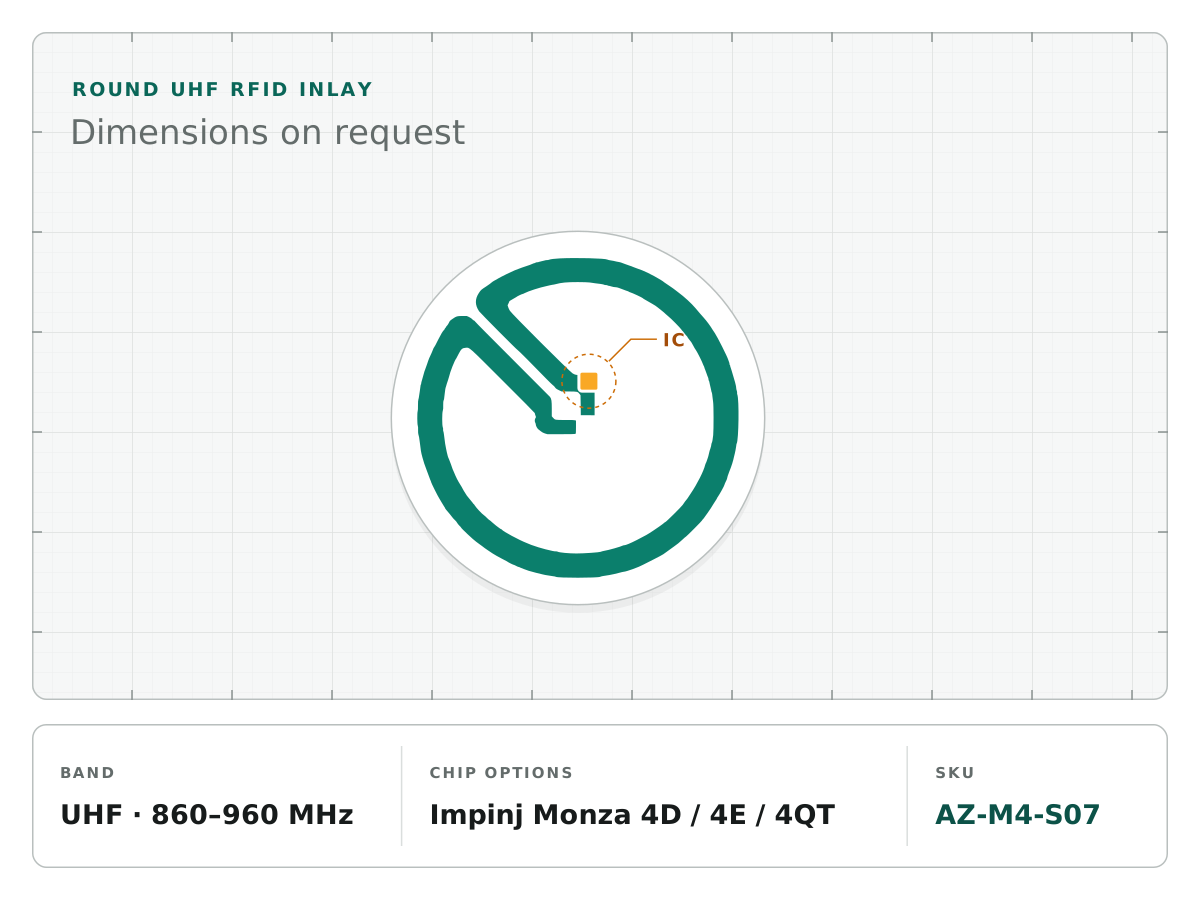 UHF
UHF AZ-M4-S07
Monza 4 UHF RFID Inlay, AZ-M4-S07
- Chip options
- Monza 4D / Monza 4E / Monza 4QT
- Antenna size
- On request
How ordering works
- 01
Specify
Share surface, read distance, chip preference and volume. We shortlist tags that fit.
- 02
Sample
Receive sample tags of the shortlisted designs to try in your own setup.
- 03
Validate
Test on your items, readers and printers. We adjust chip, size or format if needed.
- 04
Produce & ship
Volume production with 100% inline electrical test, then export shipping.
Frequently asked questions
UHF or HF for medication tagging?
Rule of thumb: UHF when you need distance and bulk speed (totes, cases, dock reads); HF ISO 15693 when items are small, liquid-filled and read in trays or smart cabinets at close range. Many programs use both at different packaging levels.
Does RFID interfere with medication or medical devices?
Passive tags have no battery and only respond when a reader powers them, and readers operate within regulated power limits. Institutional policies vary, so we provide tag documentation your compliance team can assess.
Can the labels handle refrigerated and frozen storage?
Cold storage is fine for the inlay; adhesive and face stock are chosen for the temperature profile. State the storage conditions in your inquiry.
Does RFID replace the DSCSA or FMD barcode?
No. RFID complements it: the regulatory 2D code stays, and the RFID tag adds bulk, no-line-of-sight reads carrying the same or a linked serialized identity.
Further engineering reading
- How to Choose an RFID Tag: Seven Questions Before RFQ
Specify the surface, read event, available space, environment, data and delivery format. A seven-question checklist makes RFID samples and quotes useful.
- How to Test RFID Tags Before Approving a Bulk Order
Plan an RFID sample test with real items, controlled reader settings and acceptance criteria. Check RF behavior, encoding, adhesion and repeatability.
- UHF, HF or NFC? Choose the RFID Frequency for the Job
Compare RFID frequencies by reading workflow, phone compatibility and tagged material. Choose a practical shortlist before testing tags on your items.
Talk to an RFID engineer
Pharma or hospital supply project?
Describe the packaging, the read scenario and the storage conditions. An engineer replies within 24 hours with a frequency recommendation and a sample plan.
Email us: sales@antenza.com