 UHF
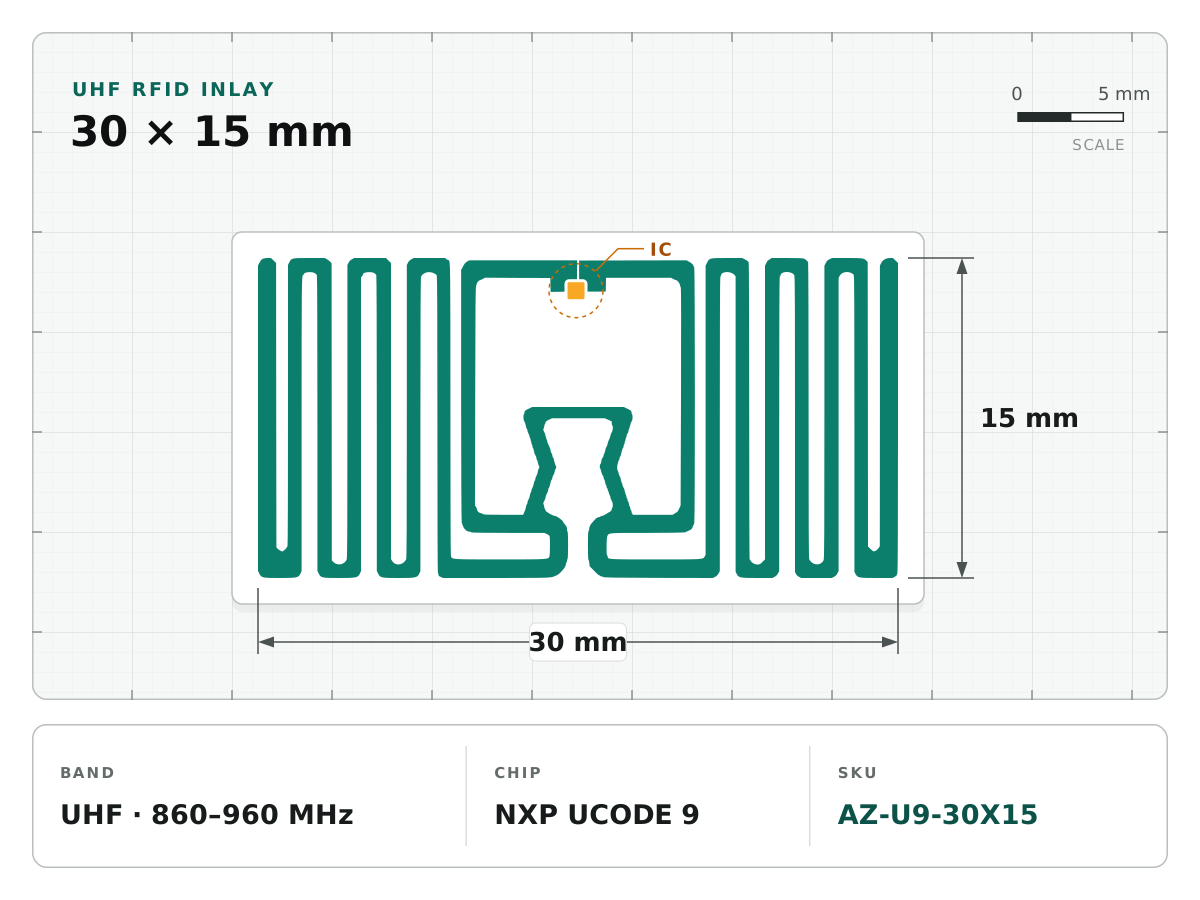
UHF AZ-U9-30X15
UCODE 9 UHF RFID Inlay, 30 × 15 mm
- Chip
- NXP UCODE 9
- Antenna size
- 30 × 15 mm
- Read range
- up to 6 m (reference)
Application engineering
Item-level UHF tagging that turns a stocktake from a barcode marathon into a walk with a handheld reader: hang tags, labels and inlays, printed and encoded before they ship.

Apparel is usually where RAIN (UHF) RFID pays back first: garments are RF-friendly, assortments run to thousands of SKUs, and stock accuracy drives sales directly. With item-level tags, a handheld reader counts a rail or a shelf without line of sight, so cycle counts can run weekly instead of a few times a year, and ship-from-store or click-and-collect orders are picked from stock that actually exists.
Antenza supplies the three formats apparel programs use: printed card hang tags, adhesive labels for care tags or packaging, and dry or wet inlays for converters and service bureaus. The inlays listed below run mainly on NXP UCODE 9 and Alien Higgs-9 / Higgs-10, with UCODE 8, UCODE 7, Higgs-3 and Monza options in the wider range. Tags are produced with our ISO 9001-certified production partner and can be printed and EPC-encoded before they ship. For format choices, see our apparel hang-tag guide.
Barcode counts need line of sight, one item at a time. Stores end up counting a few times a year and the stock file drifts in between.
Ship-from-store and click-and-collect only work when on-hand accuracy is high; phantom stock turns into cancelled orders.
Loss shows up months later as a write-off, with no record of where in the chain the item disappeared.
Source tagging needs tags that survive pressing, folding and shipping, delivered printed and encoded to many sewing sites on schedule.
UCODE 9 and Higgs-9 / Higgs-10 are high-sensitivity chips built for high-volume item-level programs. Where your software needs a loss-prevention status bit or brand checks, UCODE 8 adds a Product Status Flag (PSF) and Brand Identifier. Chip data on every product page comes from the vendor datasheet.
Printed hang tags on card stock, adhesive labels for care tags or packaging, and dry or wet inlays if you convert locally. Face stock, adhesive and die are confirmed per order.
EPCs are written to your SGTIN-96 or custom scheme and read-verified before shipment, so garment factories only attach tags. Background: EPC encoding explained.
We send samples of the shortlisted inlays so you can test on your own garments, fixtures and readers before a volume order; lead time is confirmed in writing with each quote.
The right antenna depends on garment material, tag position and reader setup. Tell us the use case and we shortlist from existing antenna designs first, which avoids new tooling cost.
| Frequency | UHF 860–960 MHz, EPC Gen2 (ISO/IEC 18000-63), RAIN RFID |
|---|---|
| Chips in the listed range | Mainly NXP UCODE 9, Alien Higgs-9 and Higgs-10; UCODE 8, UCODE 7, Higgs-3 and Monza variants also listed |
| Formats | Card hang tag · adhesive label · dry or wet inlay |
| Listed antenna sizes | 30 × 15 mm to 70 × 17 mm (see the products below) |
| Encoding | SGTIN-96 or a custom EPC scheme, read-verified before shipment |
| Printing | Brand artwork, variable data and barcode on request |
| Read range (reference) | Typically 3–8 m on garments Reference only; depends on reader, antenna, power and the tagged material |
UHF inlays in our range that are used for apparel. Products with published dimensions come first; the others are available with specifications on request.
UHF AZ-U9-30X15
 UHF
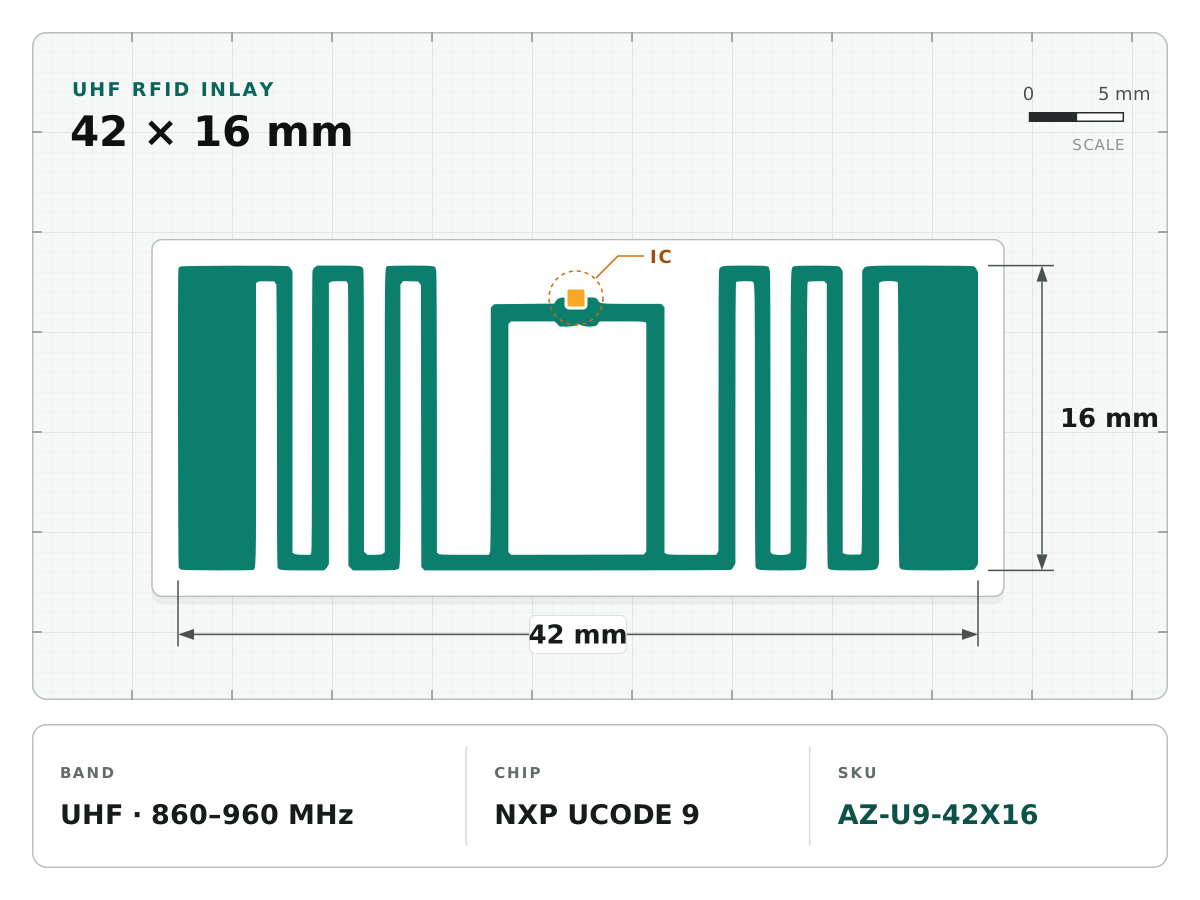
UHF AZ-U9-42X16
 UHF
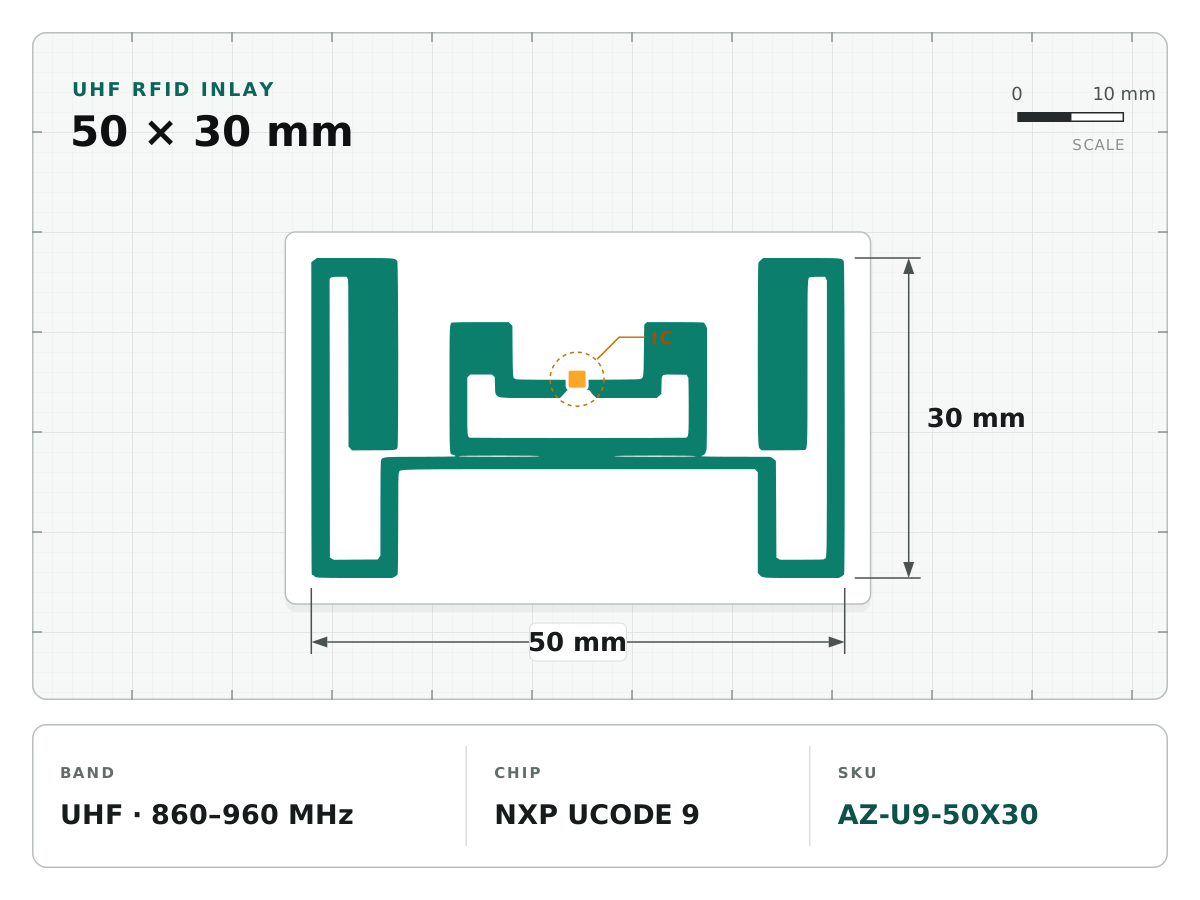
UHF AZ-U9-50X30
 UHF
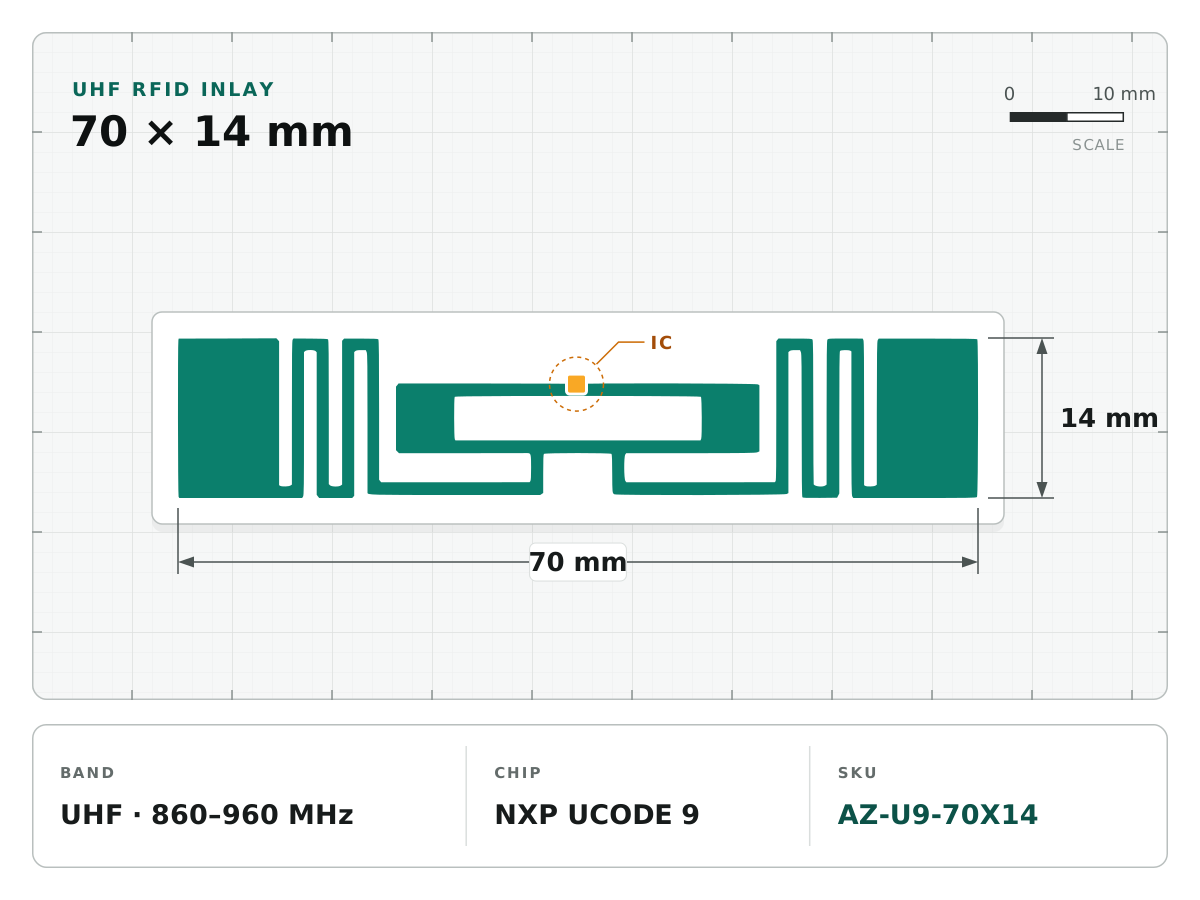
UHF AZ-U9-70X14
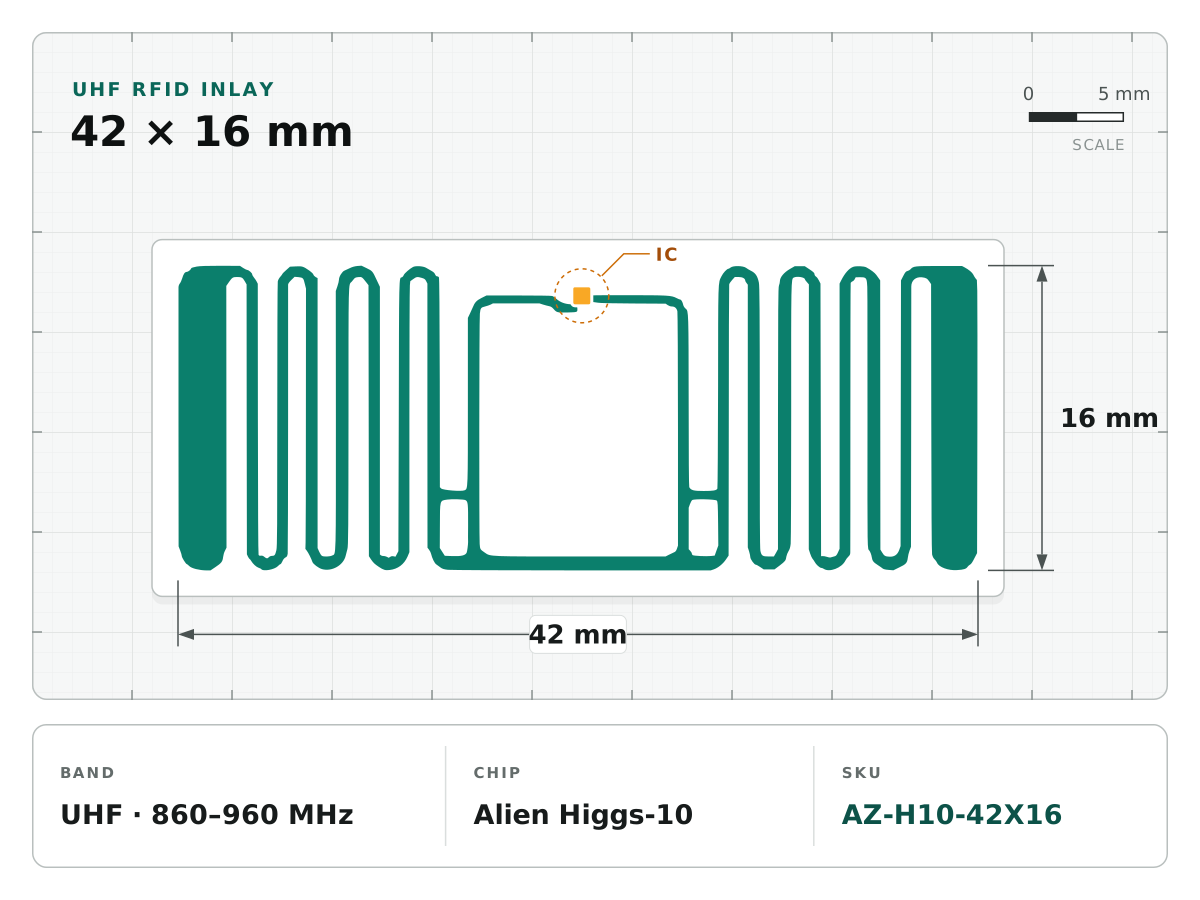 UHF
UHF 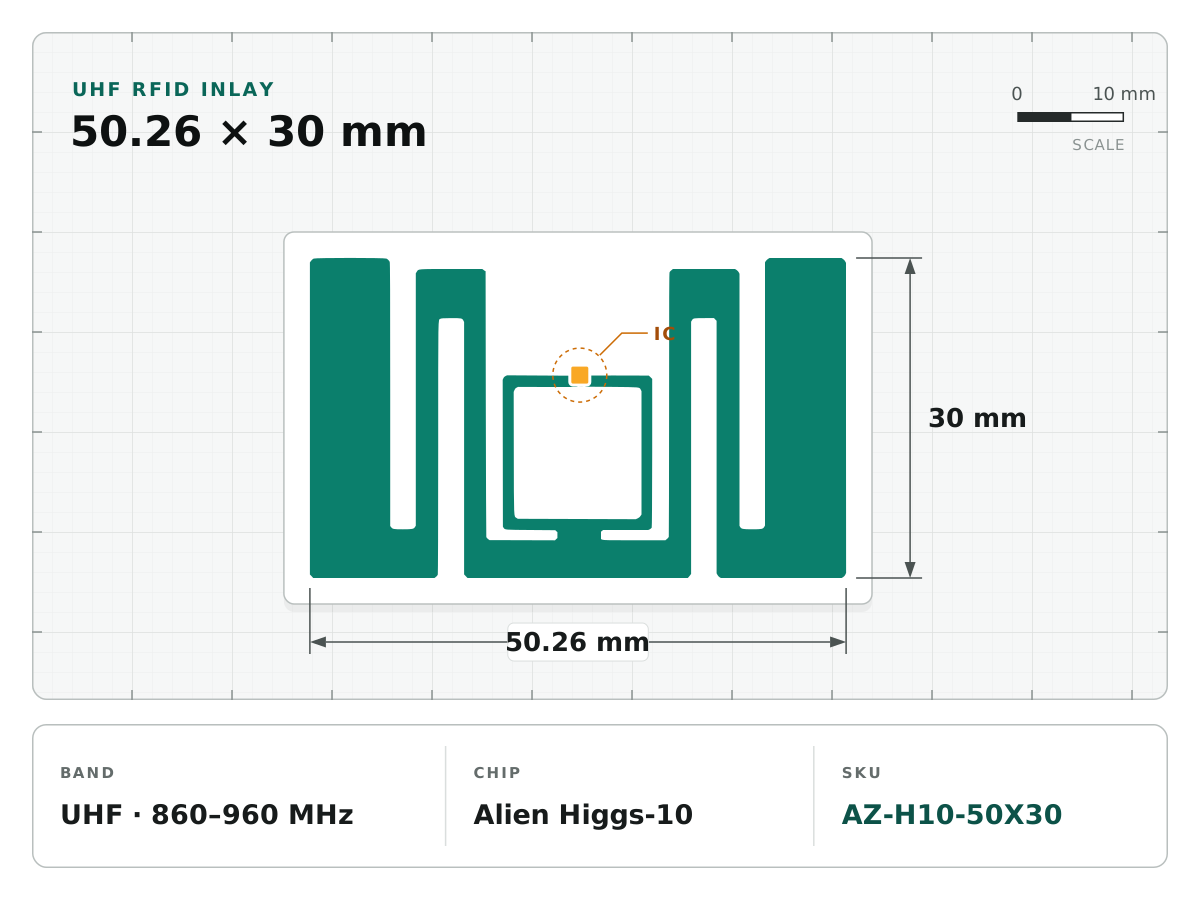 UHF
UHF 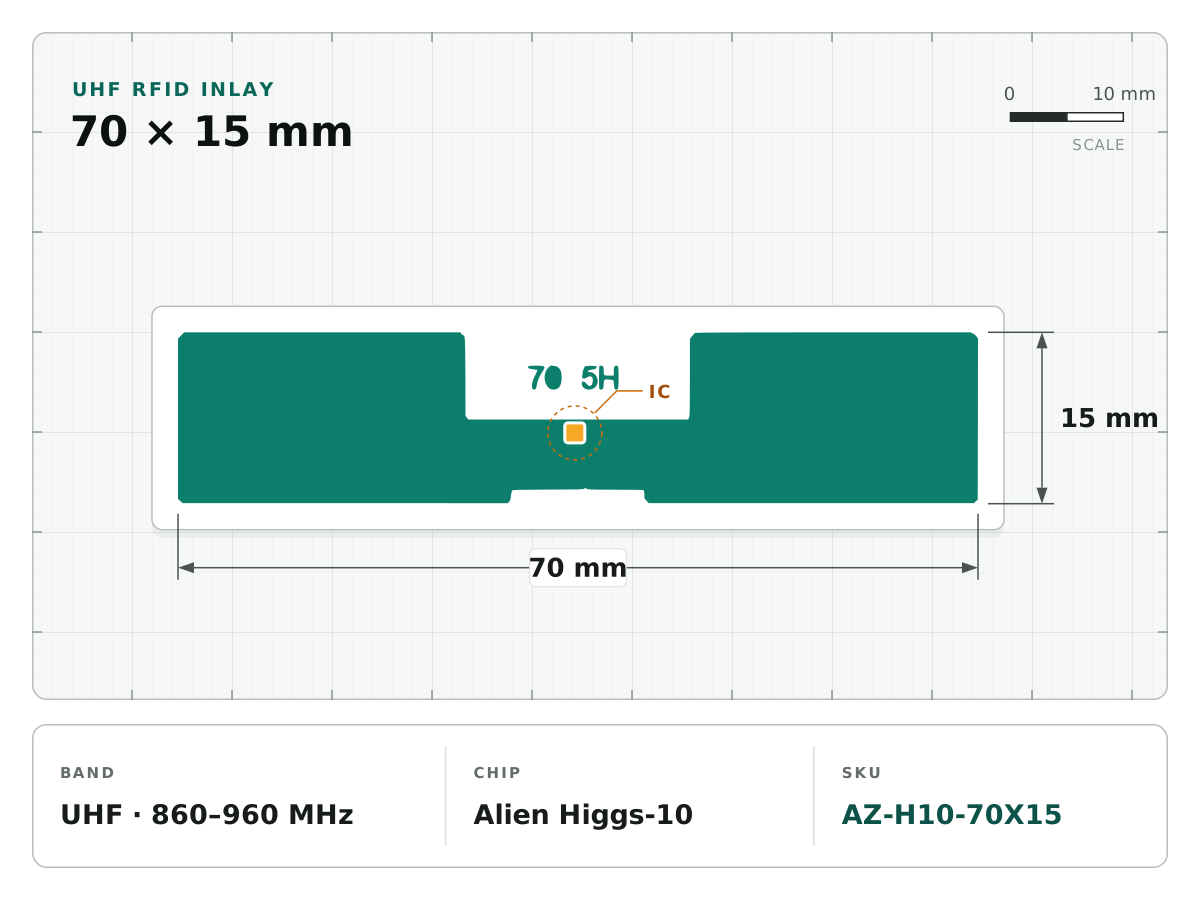 UHF
UHF 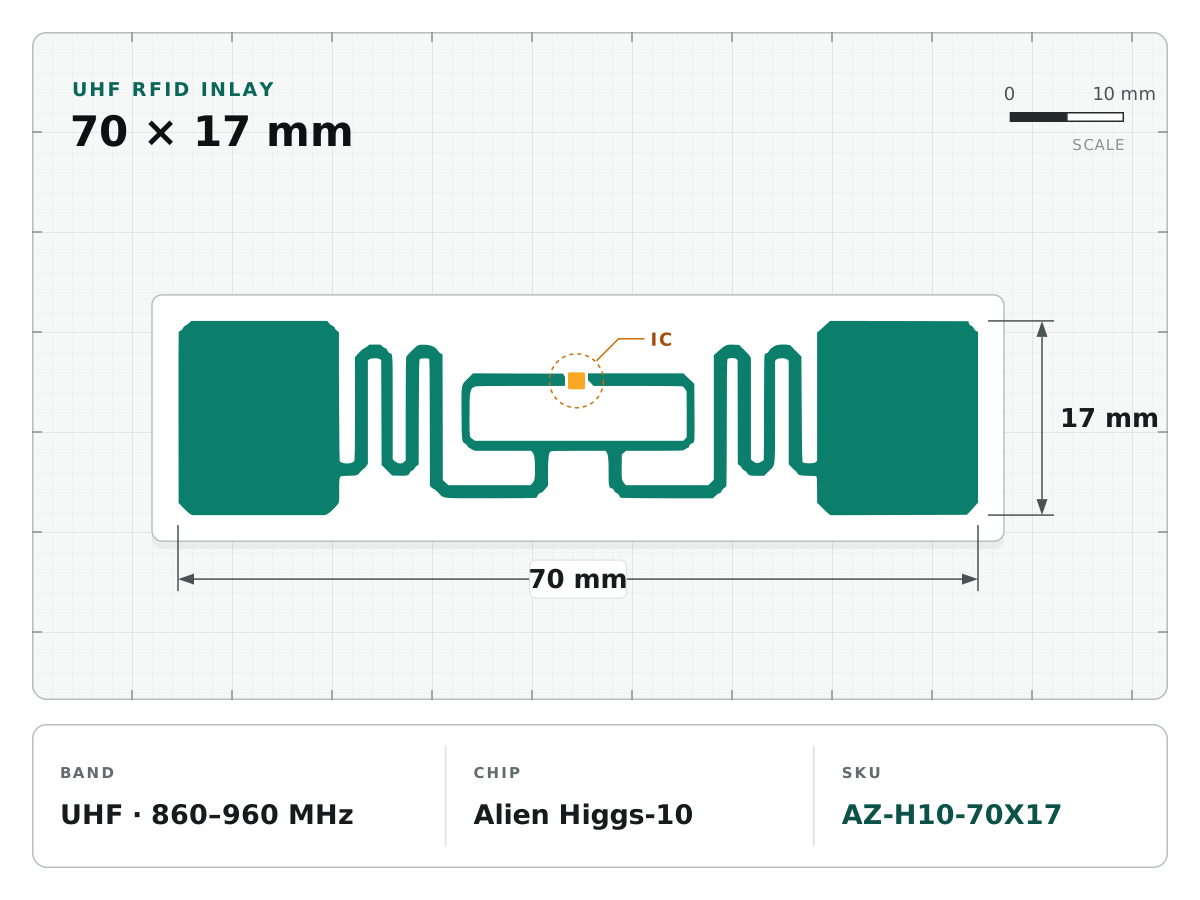 UHF
UHF 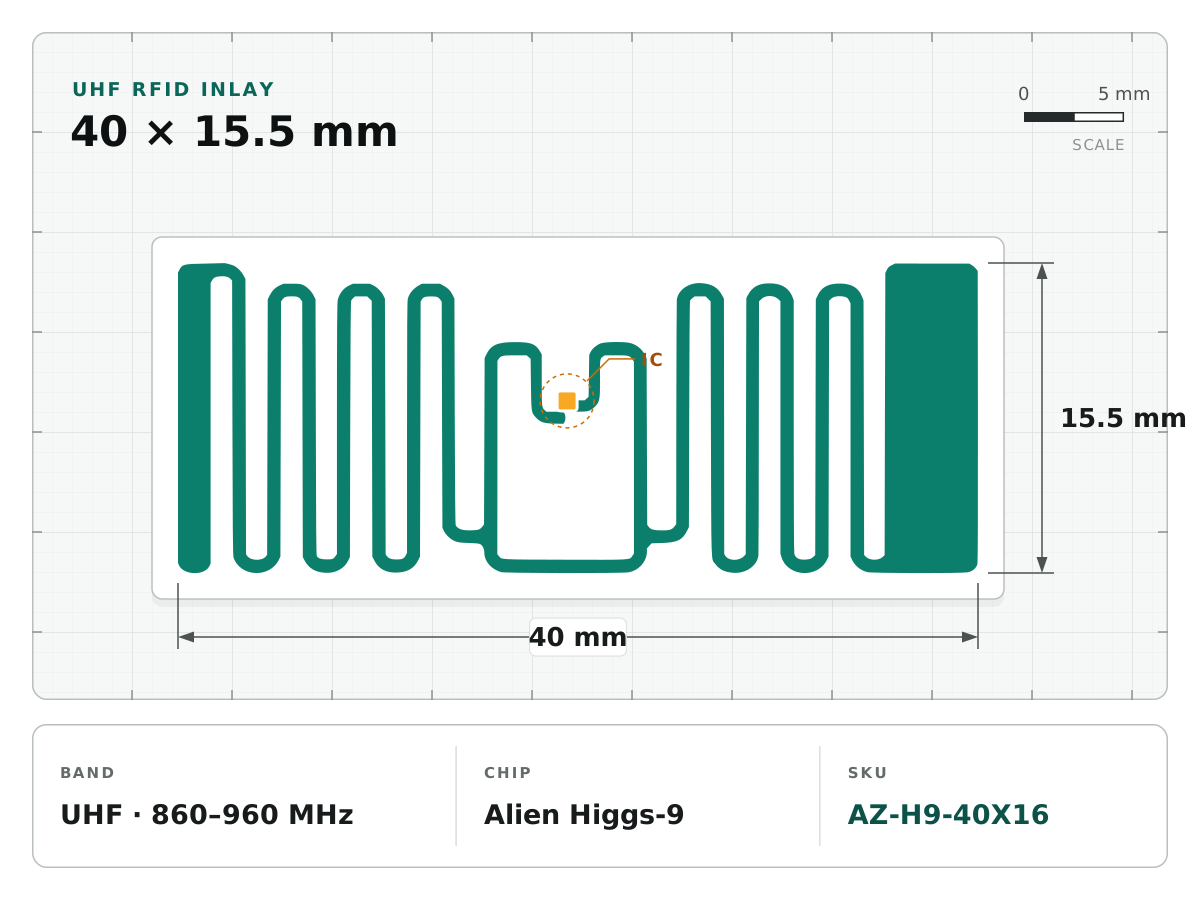 UHF
UHF 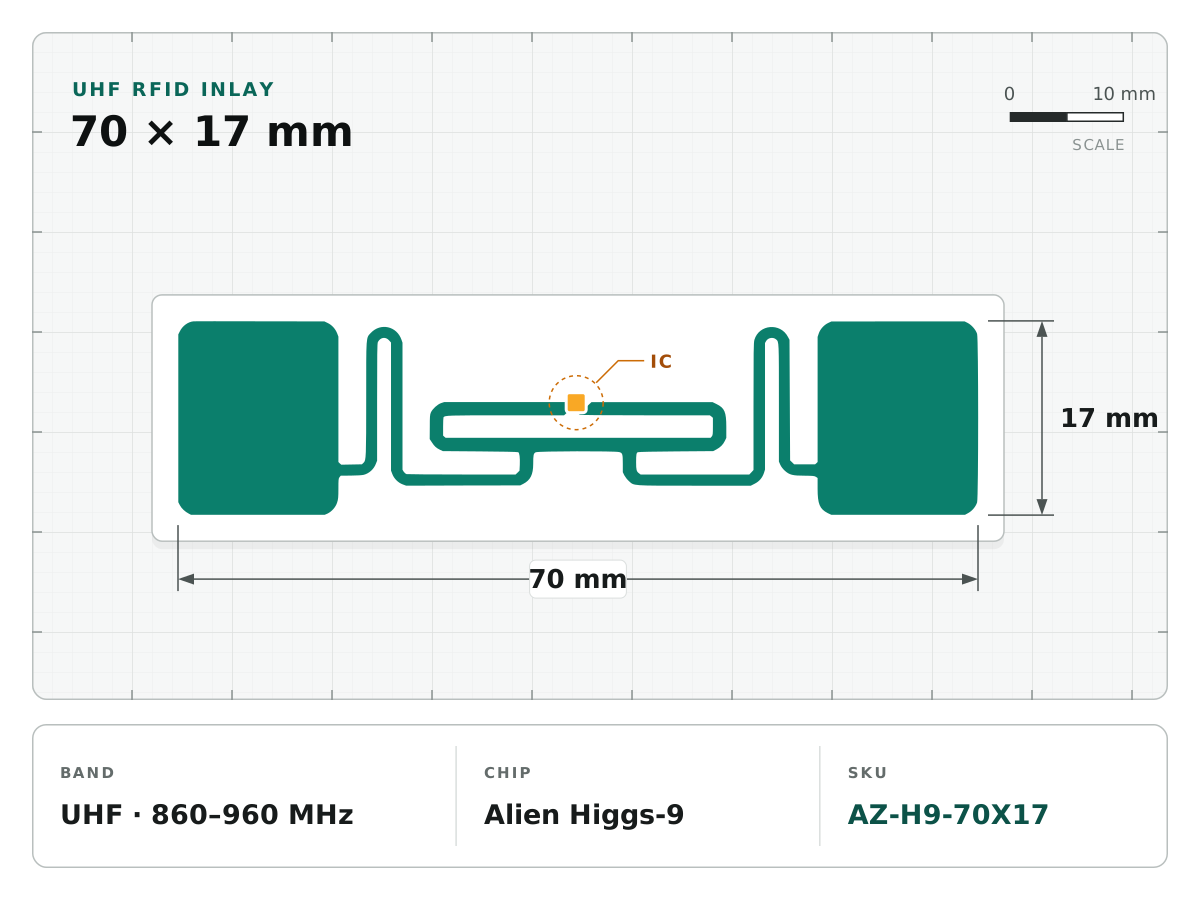 UHF
UHF AZ-H9-70X17
 UHF
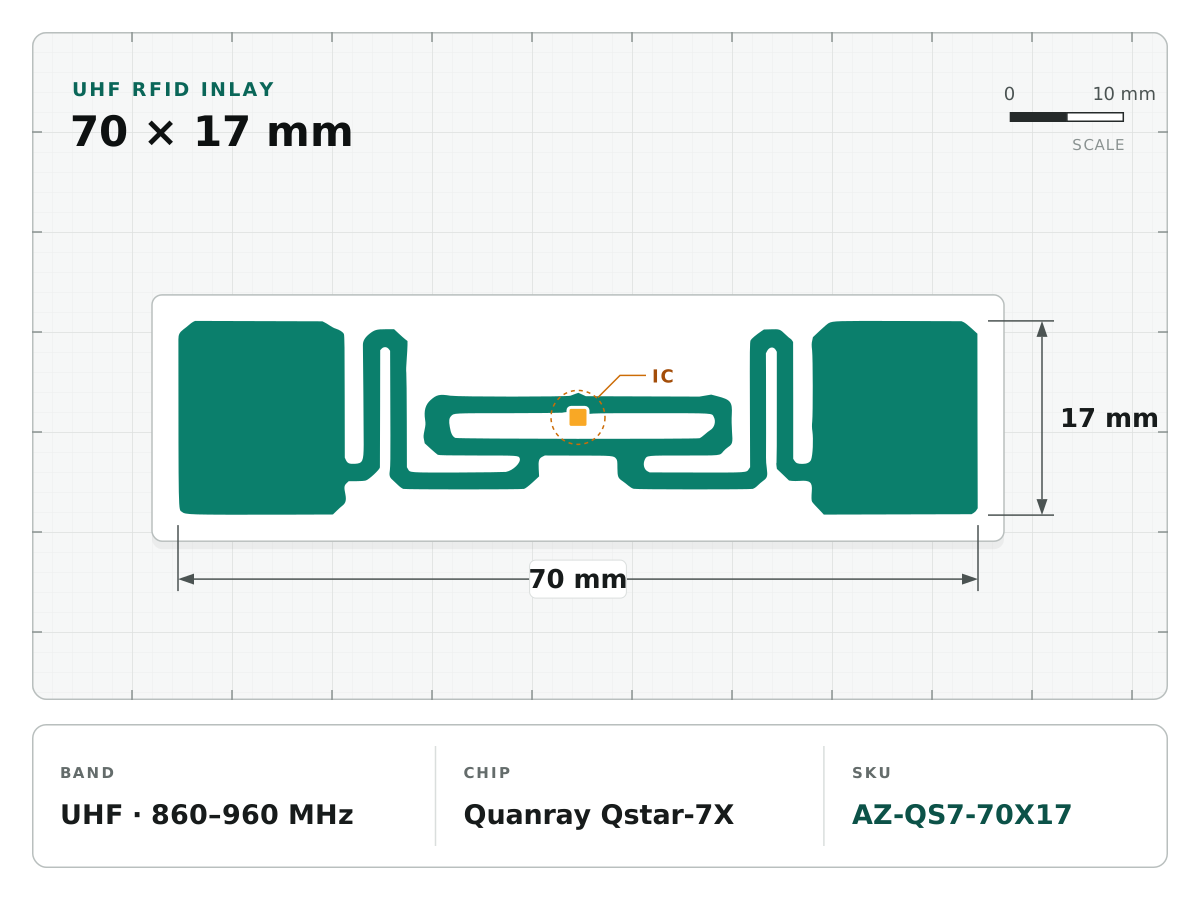
UHF AZ-QS7-70X17
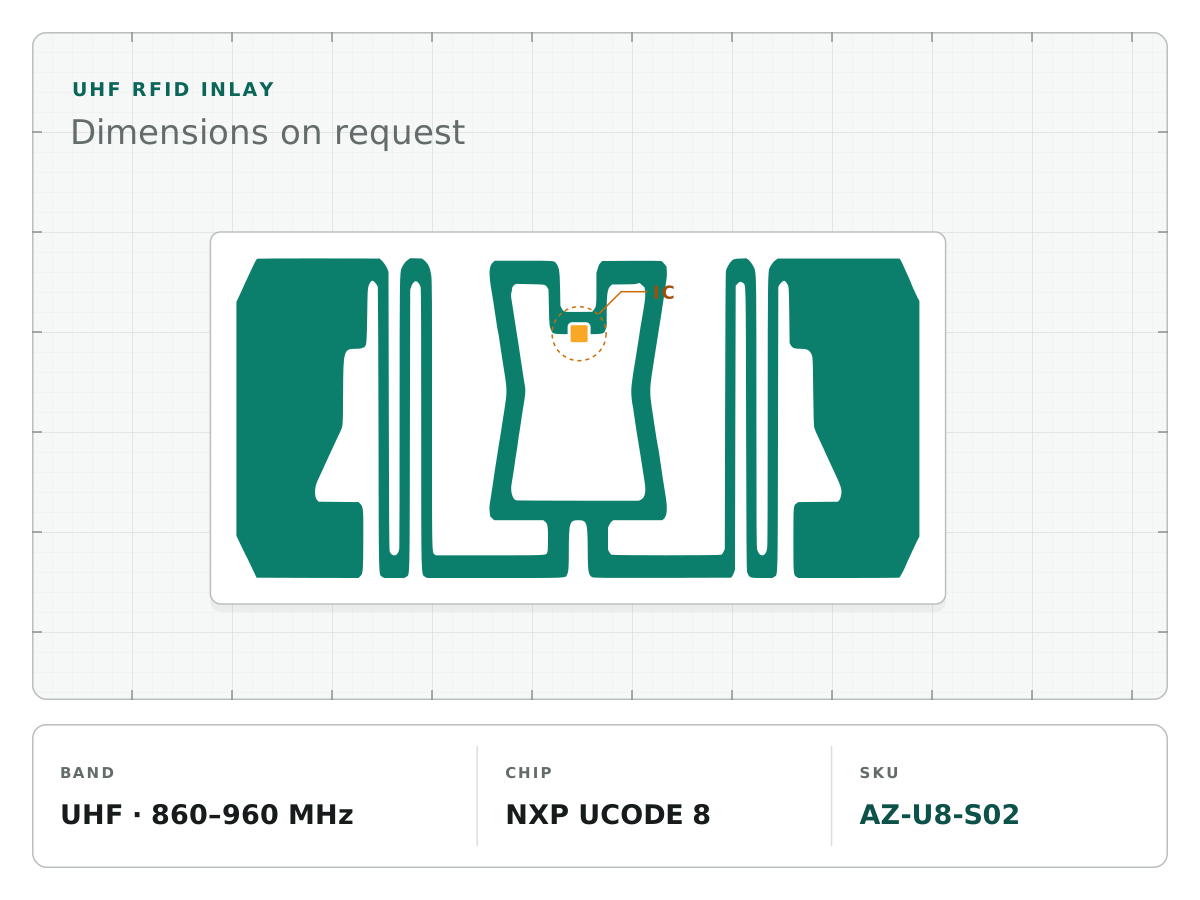 UHF
UHF 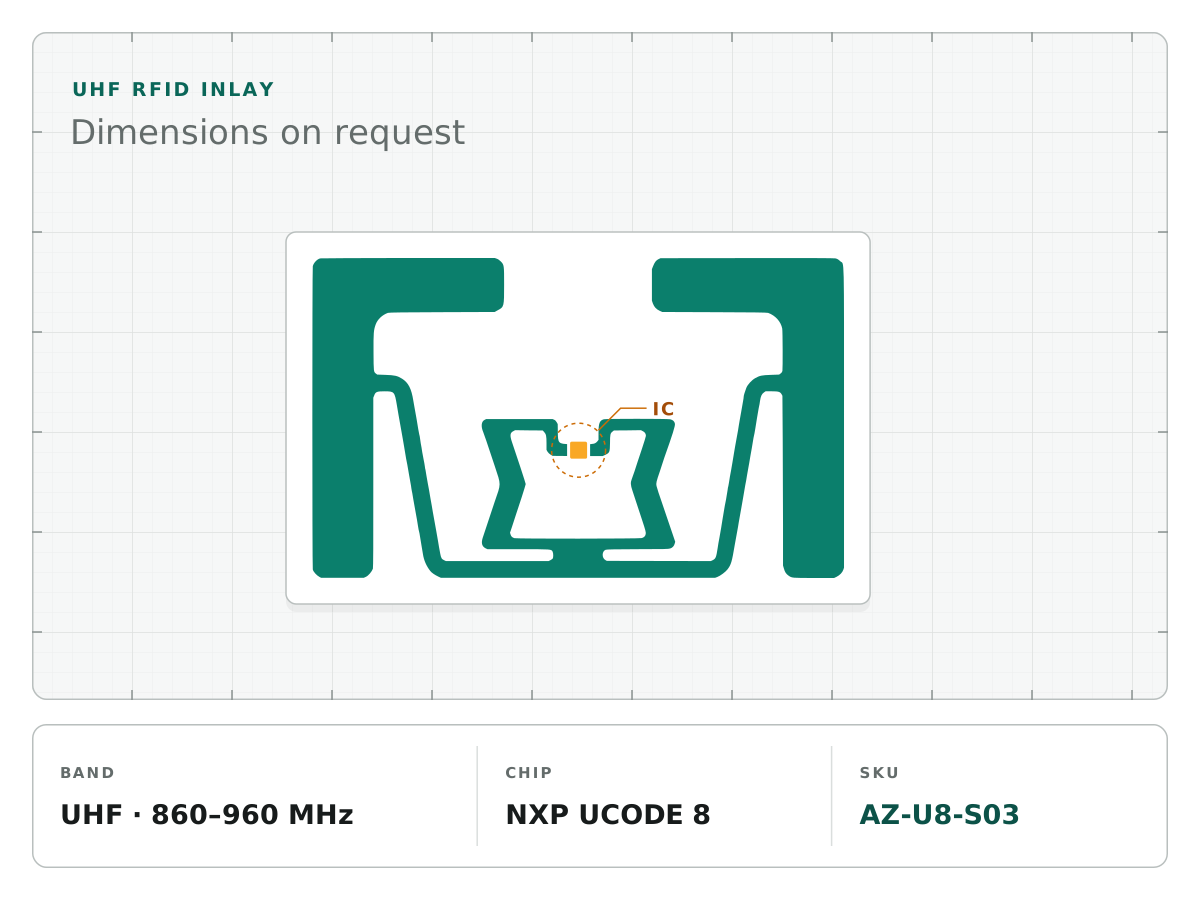 UHF
UHF 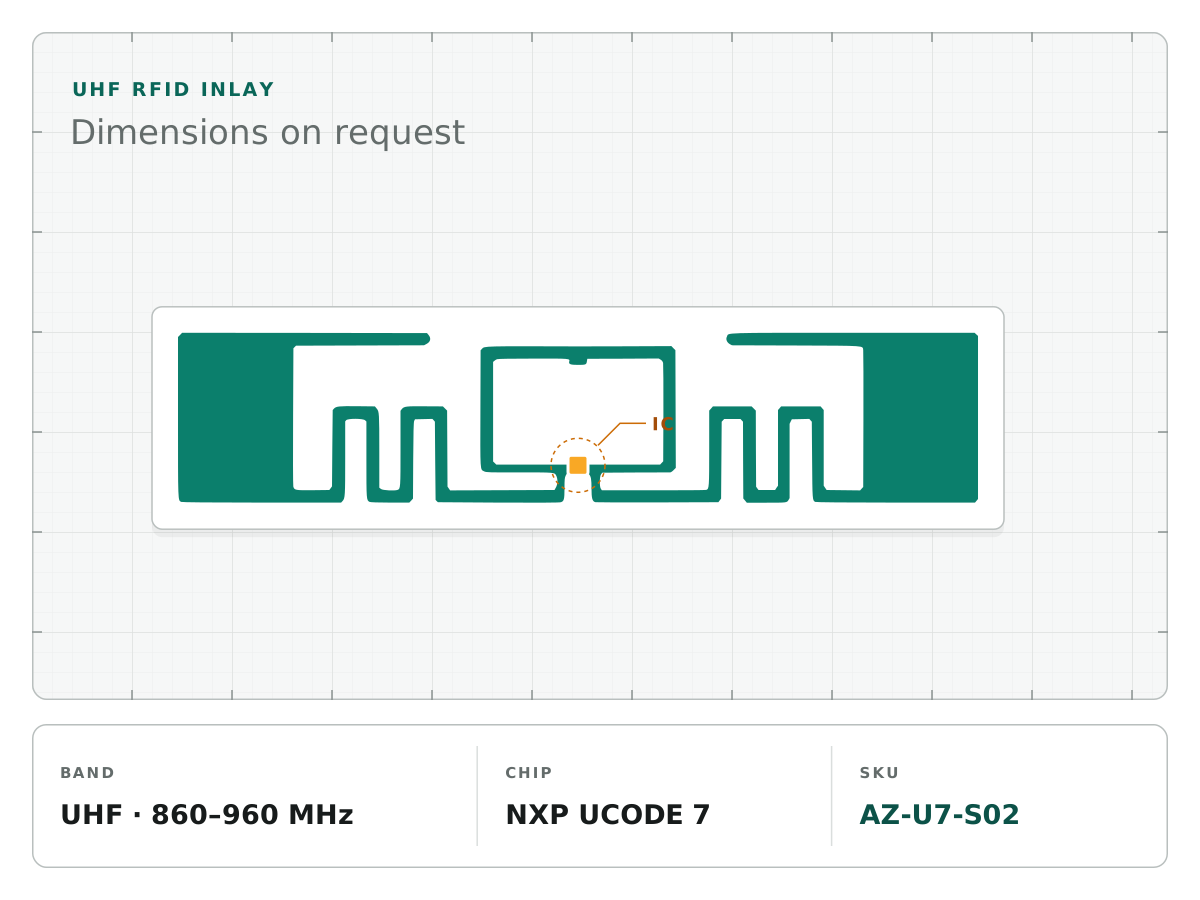 UHF
UHF 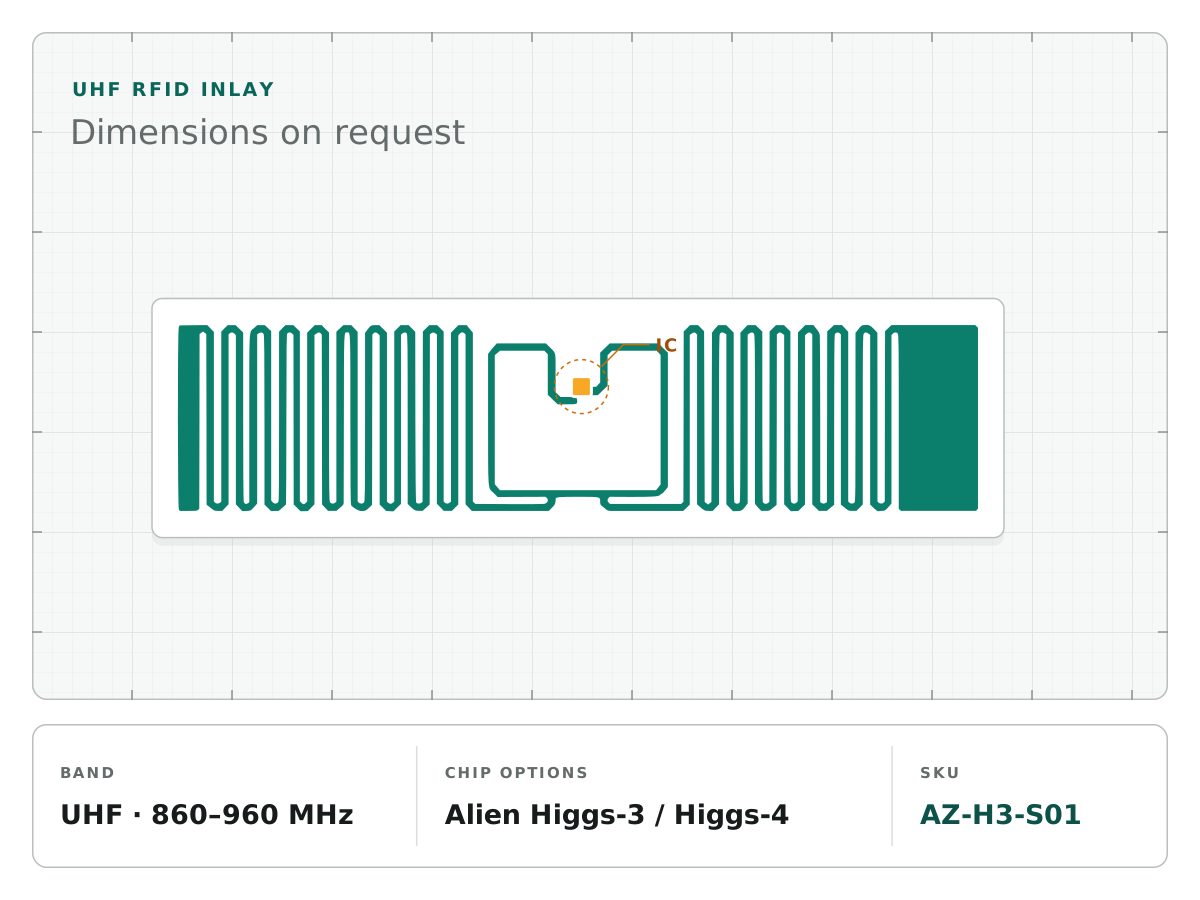 UHF
UHF AZ-H3-S01
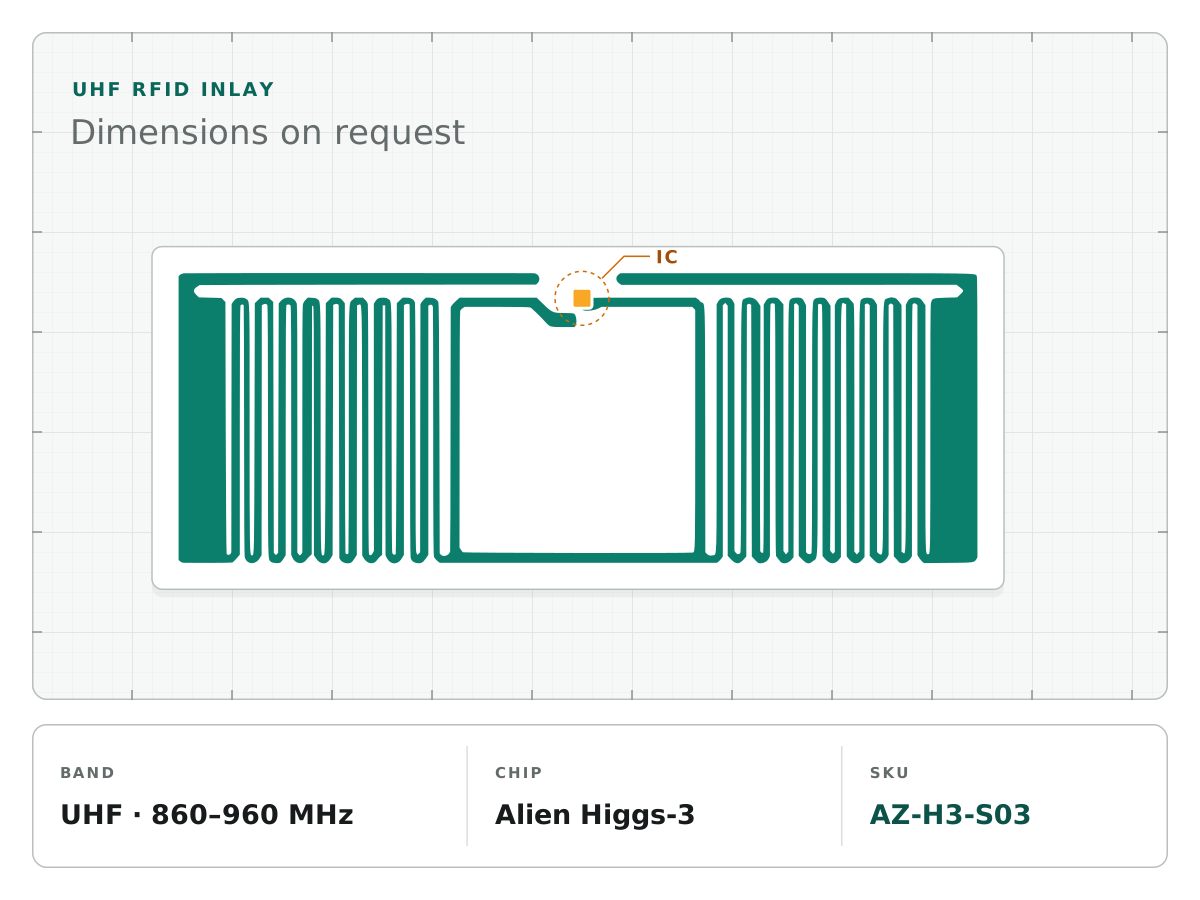 UHF
UHF 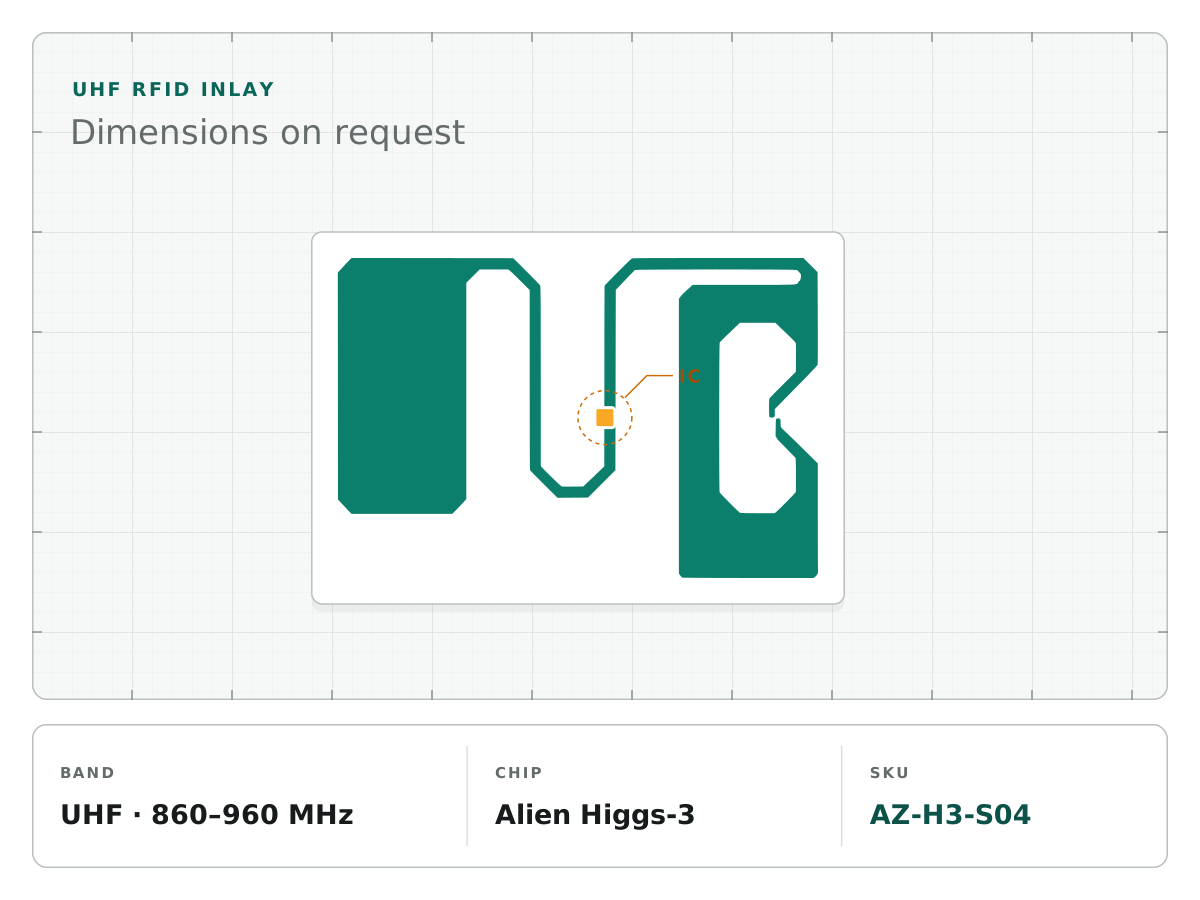 UHF
UHF 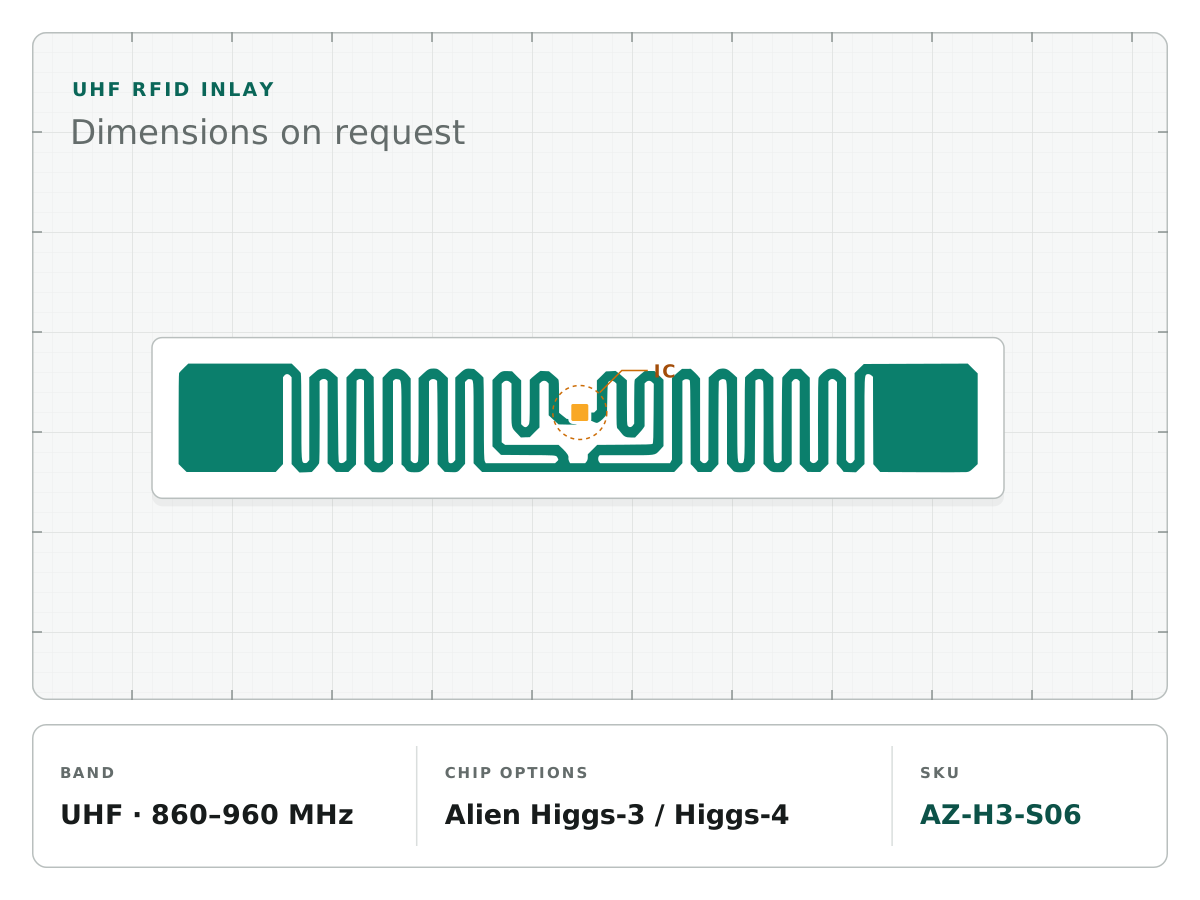 UHF
UHF AZ-H3-S06
 UHF
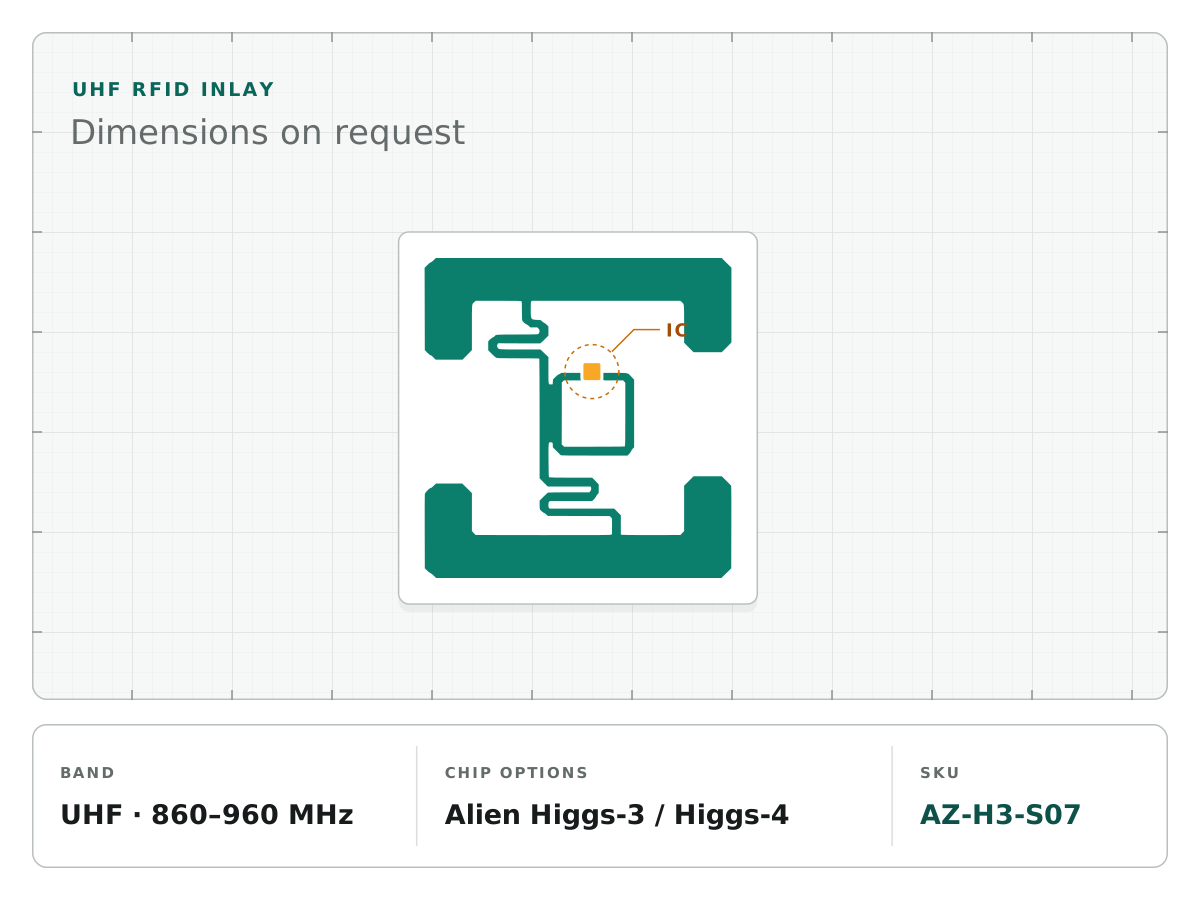
UHF AZ-H3-S07
 UHF
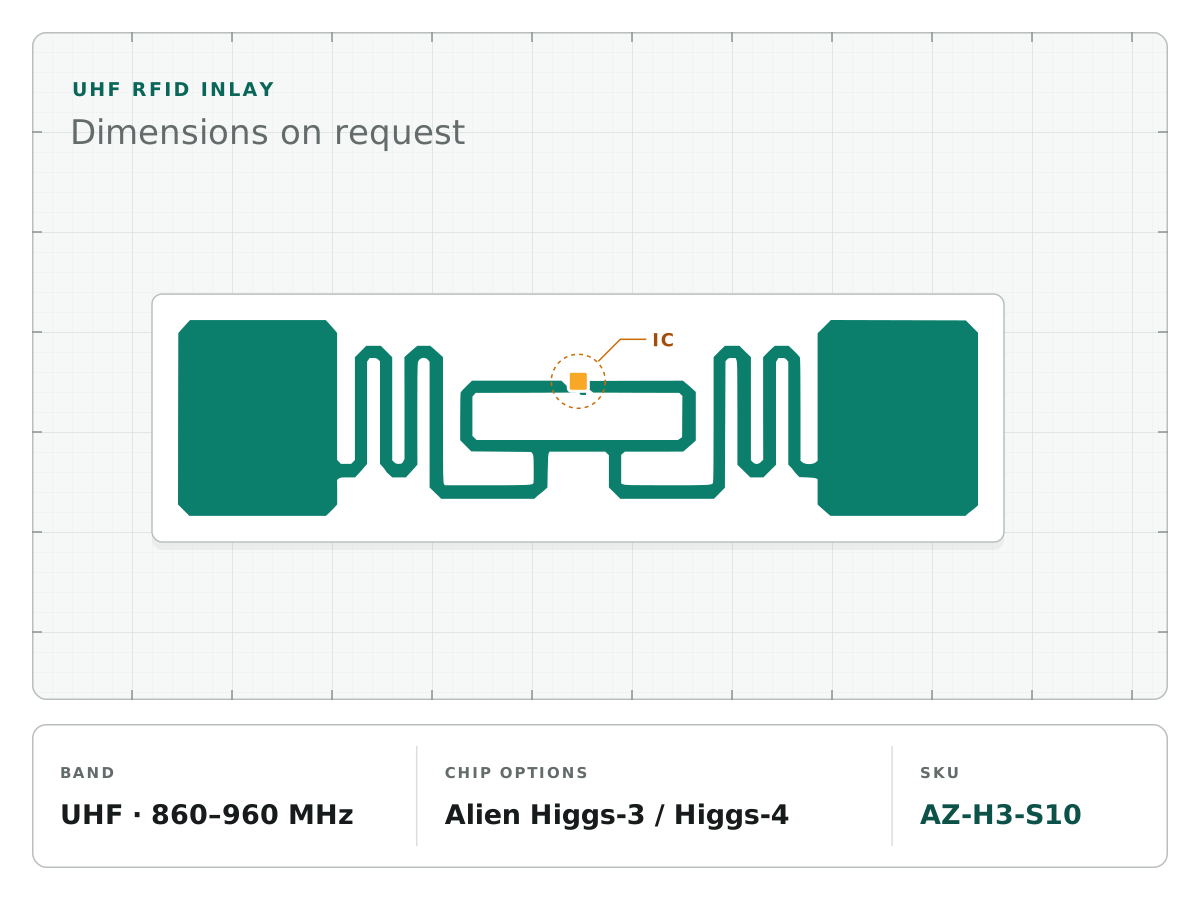
UHF AZ-H3-S10
 UHF
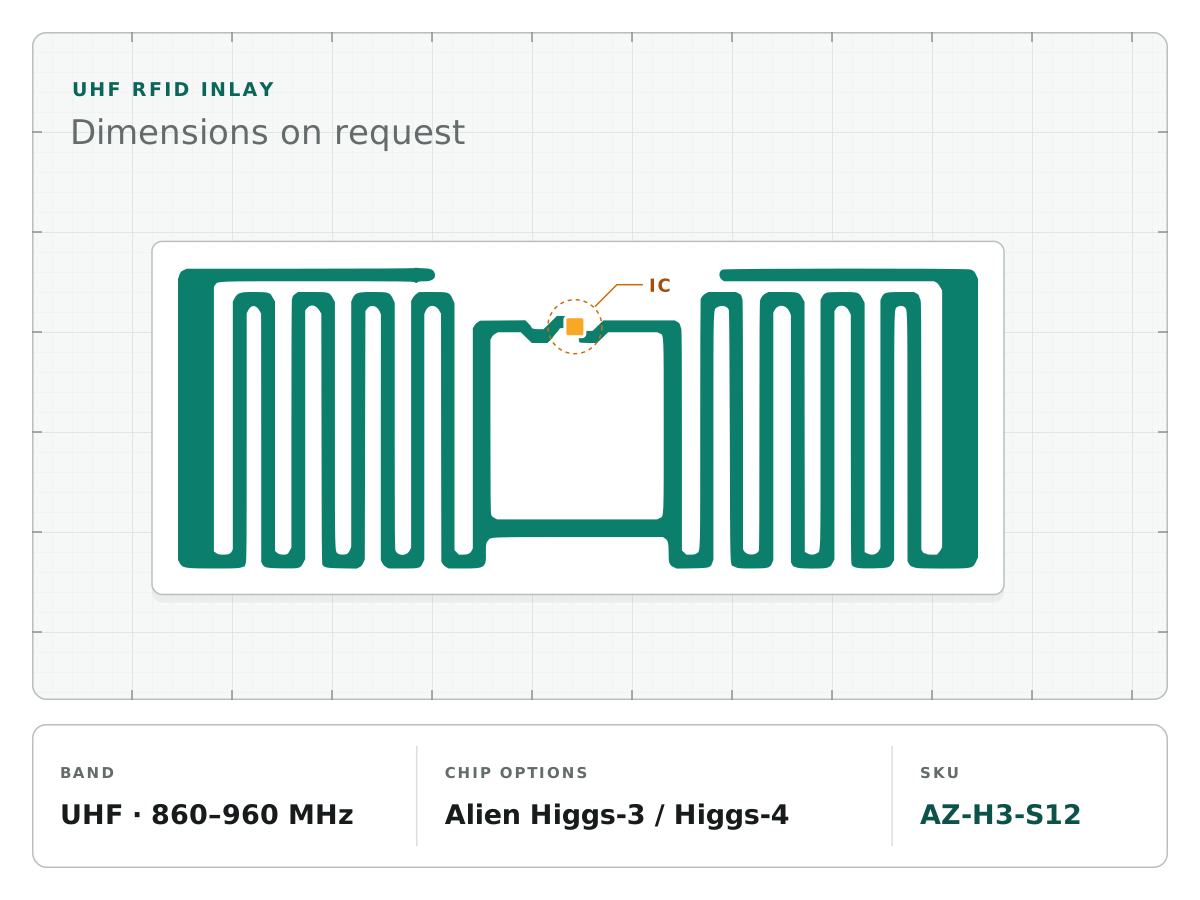
UHF AZ-H3-S12
 UHF
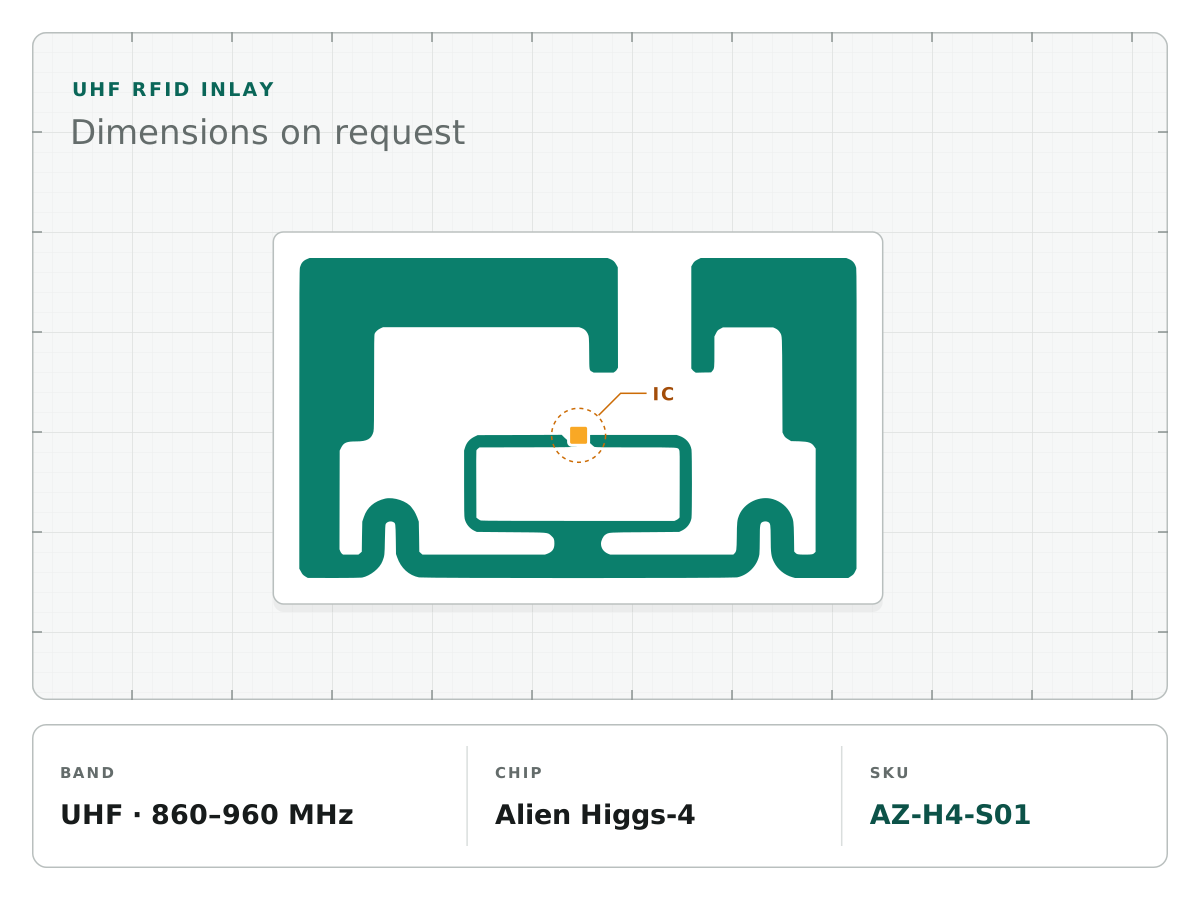
UHF 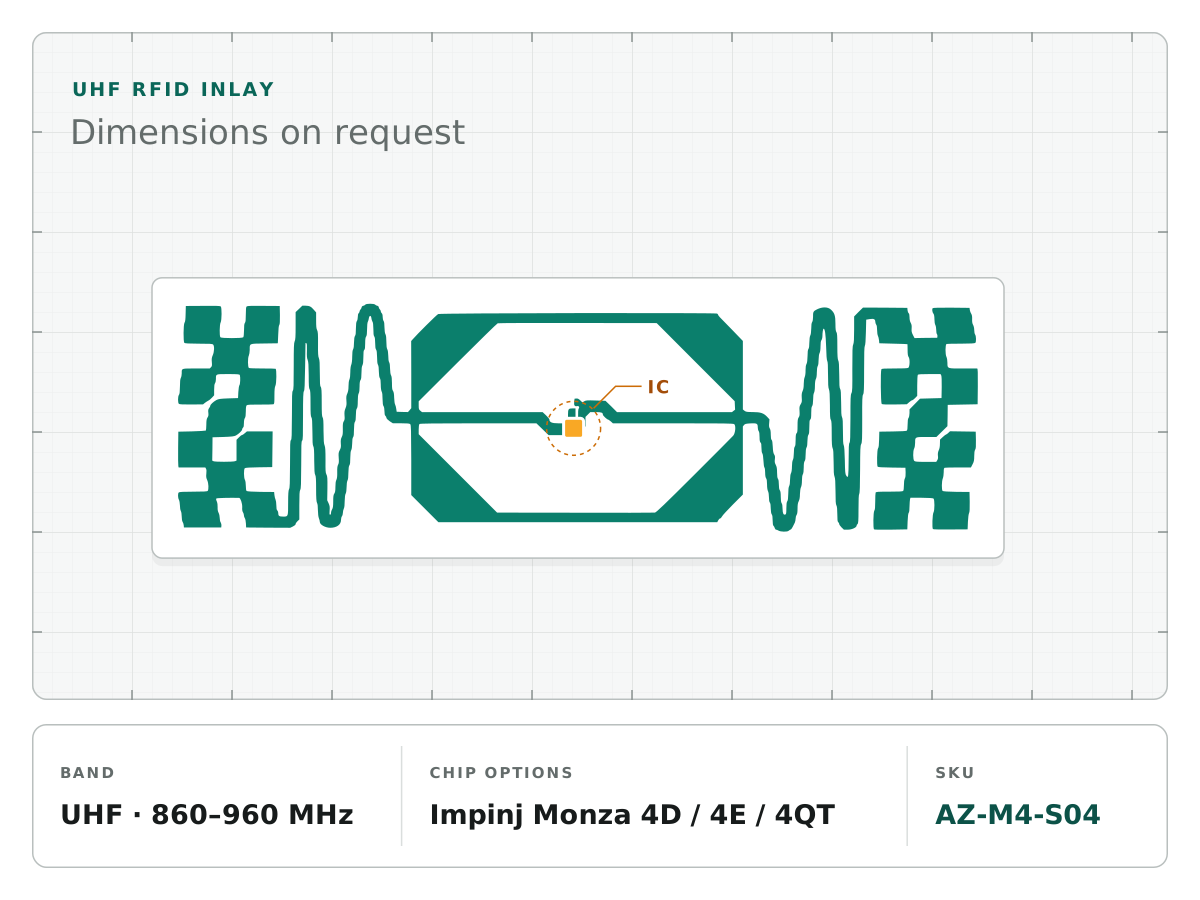 UHF
UHF AZ-M4-S04
 UHF
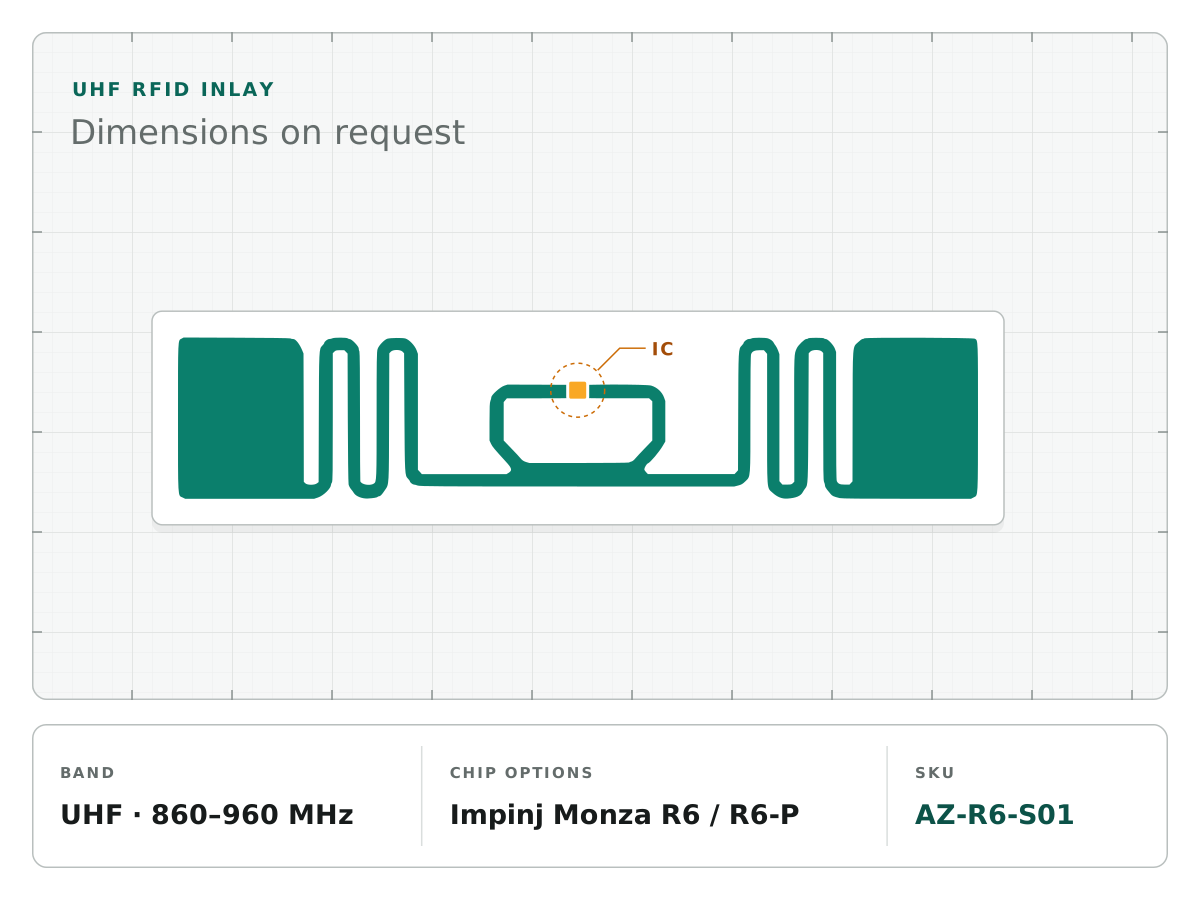
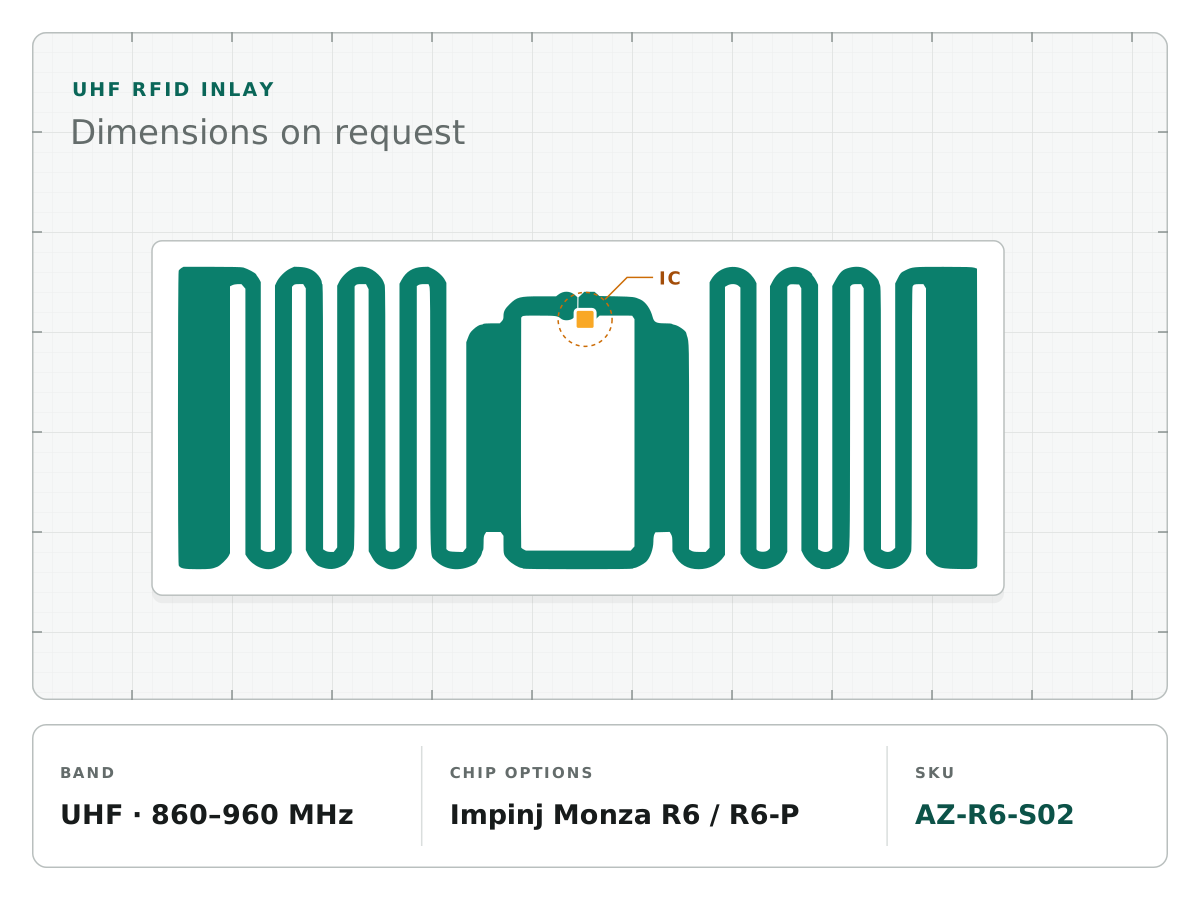
UHF AZ-R6-S01
 UHF
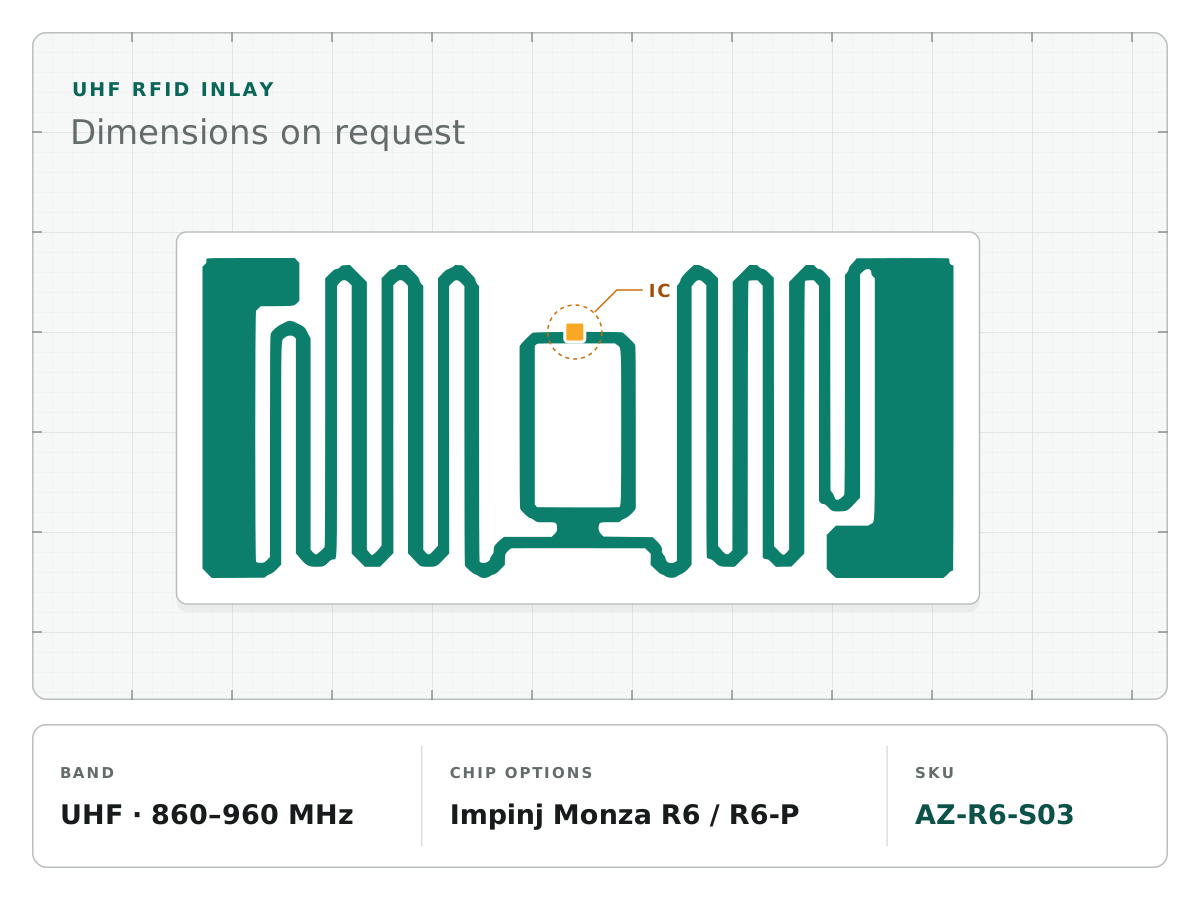
UHF AZ-R6-S02
 UHF
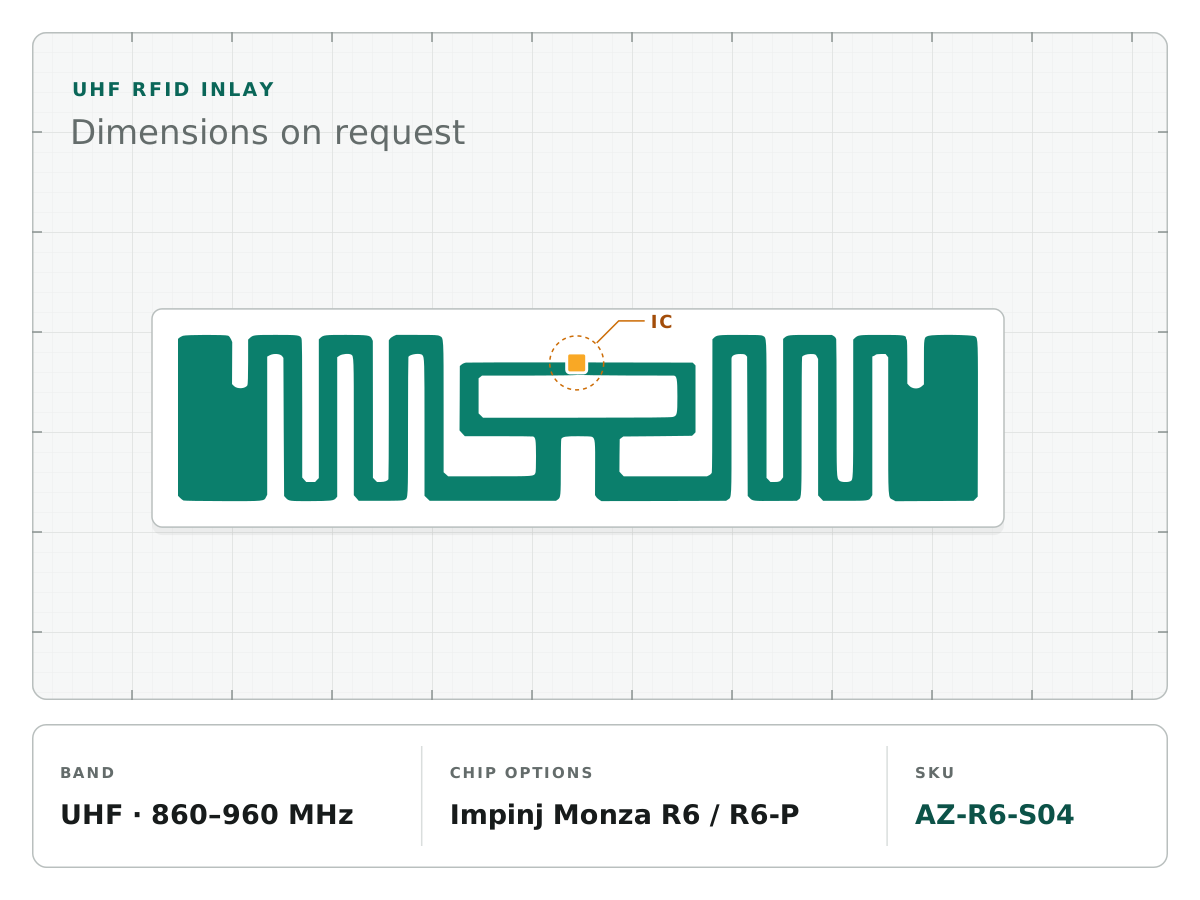
UHF AZ-R6-S03
 UHF
UHF AZ-R6-S04
Share surface, read distance, chip preference and volume. We shortlist tags that fit.
Receive sample tags of the shortlisted designs to try in your own setup.
Test on your items, readers and printers. We adjust chip, size or format if needed.
Volume production with 100% inline electrical test, then export shipping.
Plan RFID and NFC carriers for product passports: stable identifiers, durable links and clear data ownership, with product-specific EU rules verified.
Understand SGTIN-96 encoding inputs and limits. Define company prefix, item reference, serial allocation and read-back checks before RFID production.
Compare UHF chip memory, reader features and lifecycle support. Use official datasheets to shortlist chips, then test the complete inlay on your items.
Specify apparel RFID hang tags by attachment, artwork, inlay position and serialized identity. Test folded, packed and displayed garments before approval.
Understand dry inlays, adhesive wet inlays and converted labels. Specify the antenna, finished dimensions and roll format so your RFID order is usable.
Talk to an RFID engineer
Send garment types, tag format and annual volume. An engineer replies within 24 hours with a shortlist and a sample plan.
Email us: sales@antenza.com