An apparel RFID hang tag has three jobs: present product information, carry the correct item identity and remain readable through the required workflow. Artwork, attachment and RF design must be approved together.
Reserve the antenna area early
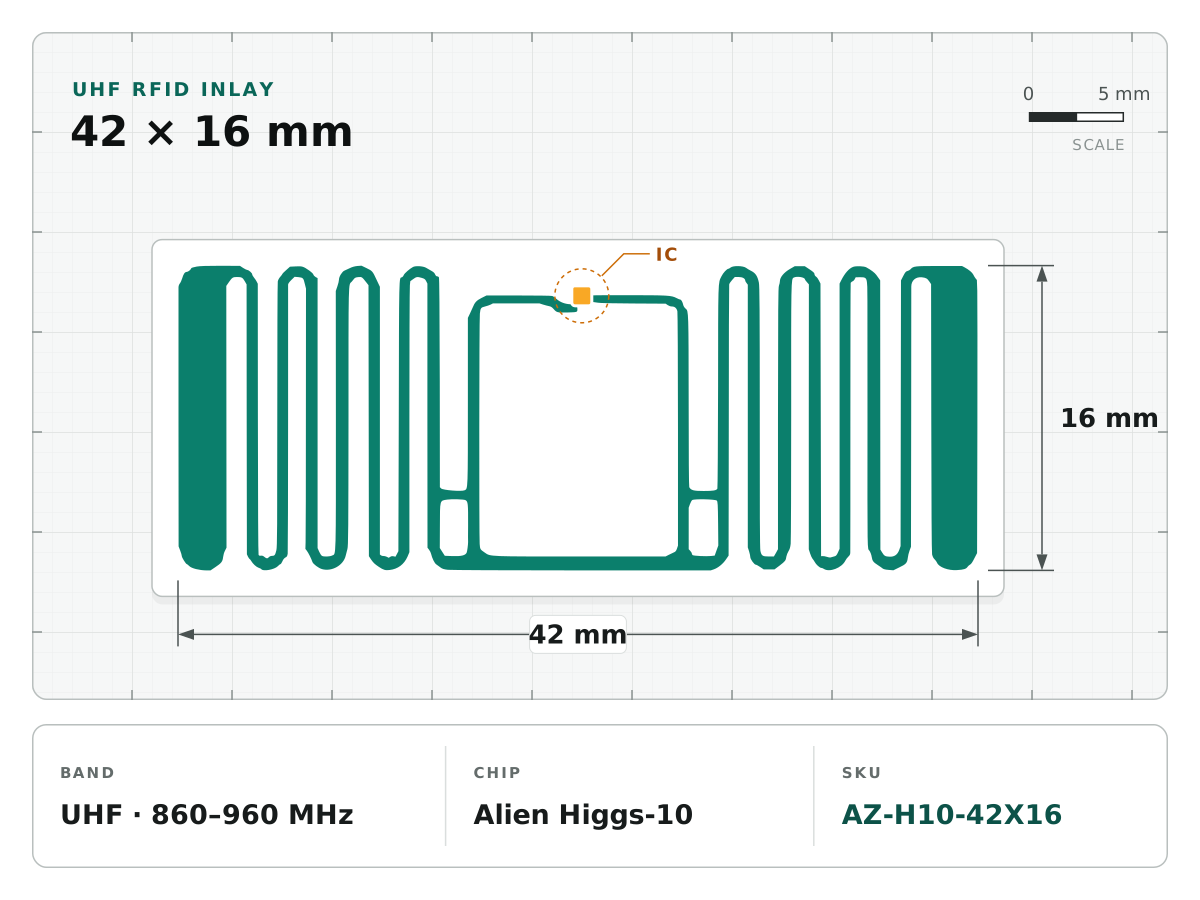
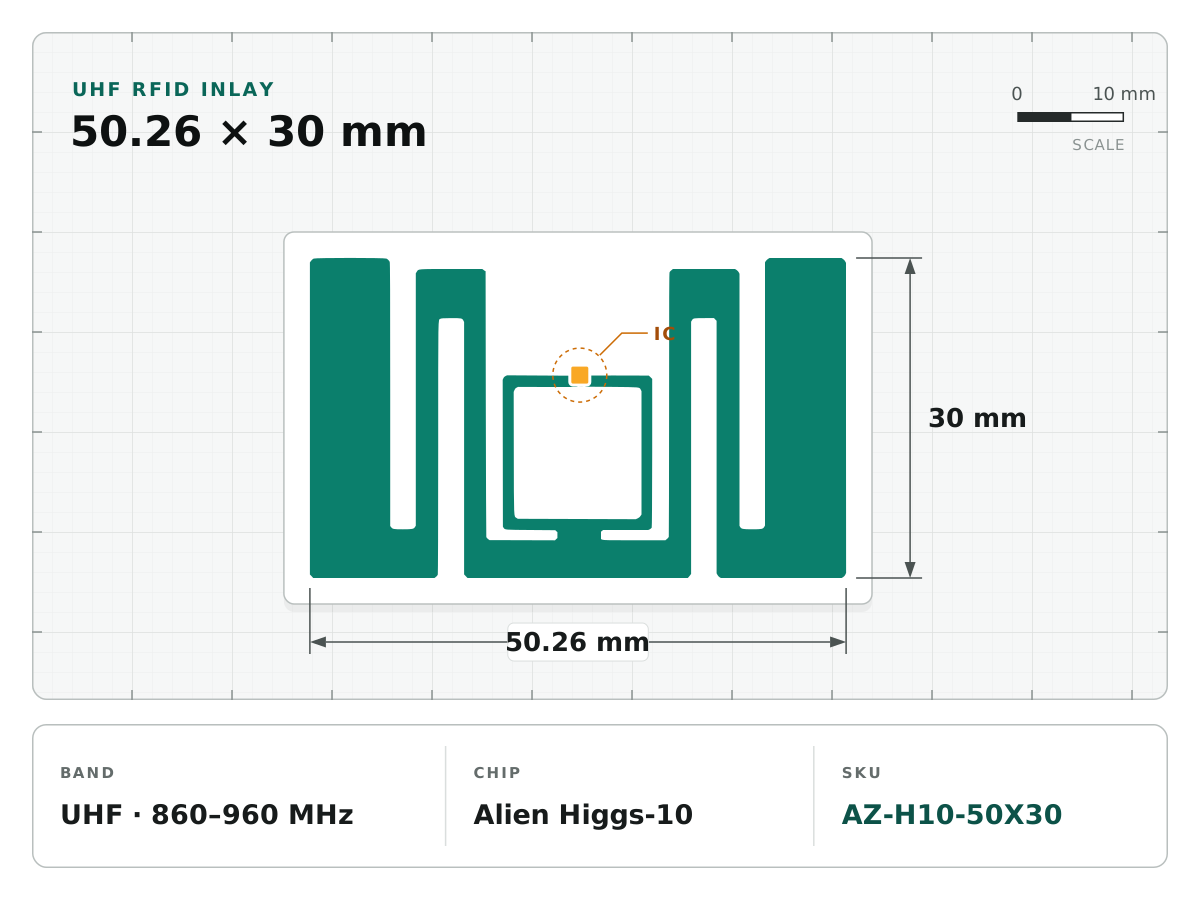
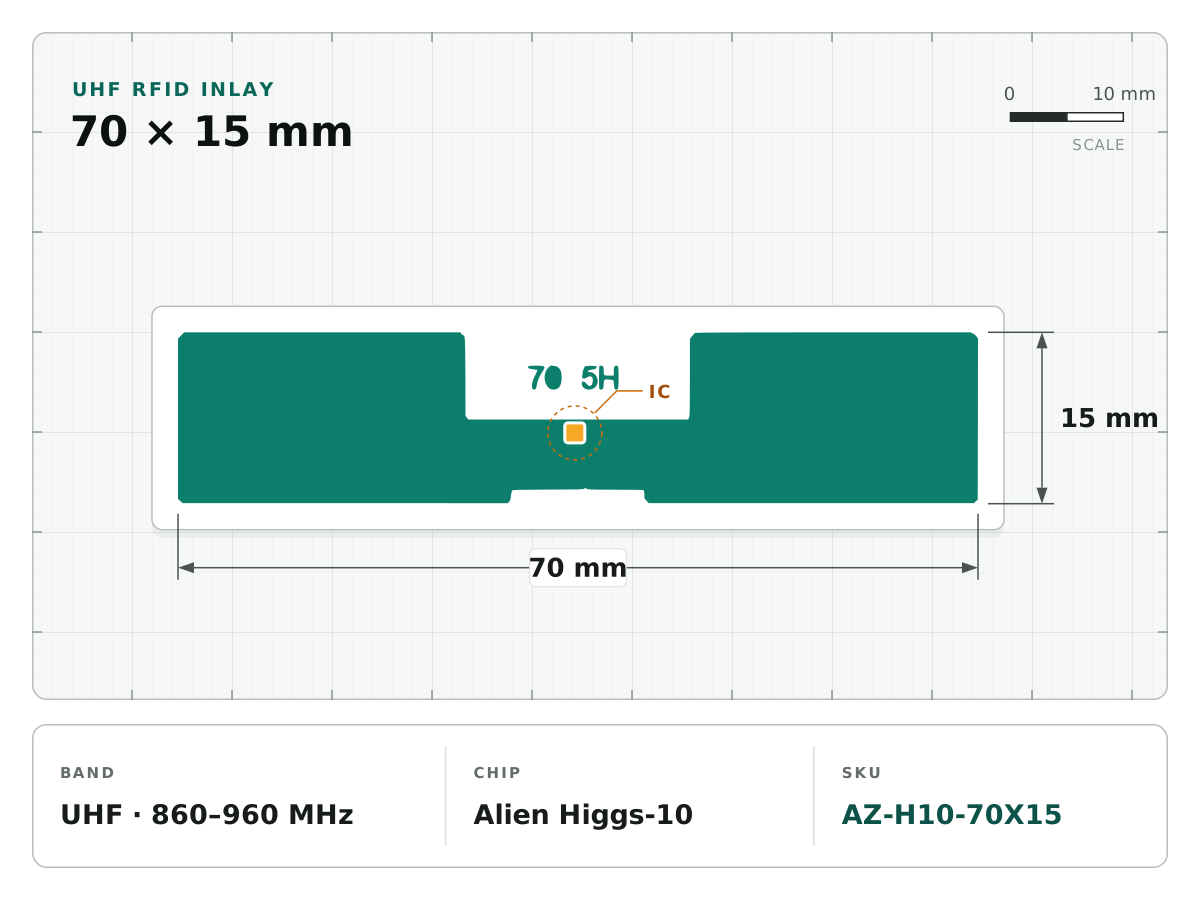
Start with the finished hang-tag drawing, including hole, folds, cut lines and metallic decoration. Show where the inlay sits and maintain the converter’s required clearance. Avoid designing the antenna around an already-finalized hole or foil treatment without a sample trial.
Evaluate UHF apparel inlays in the apparel workflow. The smallest design is not automatically the best: attachment position and folded stacks can change the reading margin.
Test actual garment states
Check the tag on the garment, on a rack, folded in a stack and packed in the shipping configuration. Include mixed orientations and difficult accessories or metallic components. A loose hang tag read on a desk is only a basic communication check.
Record unique intended items and unwanted reads from adjacent inventory. Evaluate the final operating process with the receiving customer’s reader or agreed test method.
Keep printed and RF identity synchronized
Decide whether the printed barcode represents the product class or the serialized item. Define the relationship to the EPC record. Verify both against the source data after printing and encoding. A serial mismatch may be harder for an operator to detect than a tag that does not respond.
Specify job restart, rejected tags and replacement-tag rules. Prevent the same serial from being assigned again when a printing run is interrupted.
Follow the end customer’s approval rule
If the receiving retailer specifies an approved inlay or ARC requirement, identify that exact requirement before substitution. Approval of an inlay design does not remove requirements for finished-tag placement, data and sample submission. Do not describe a similar-looking antenna as an approved equivalent.
Freeze artwork and construction together
The signed sample should include chip-and-antenna design, paper or laminate, dimensions, hole, attachment, print colors, encoded data and test evidence. Define which changes need reapproval. Commercial quantities and delivery schedules belong in the quotation rather than inferred from an article.
Send artwork, attachment method, retailer requirement and serialization plan through the Antenza RFQ form. We can help prepare a sample specification; any customer-required approval must be completed before bulk delivery.