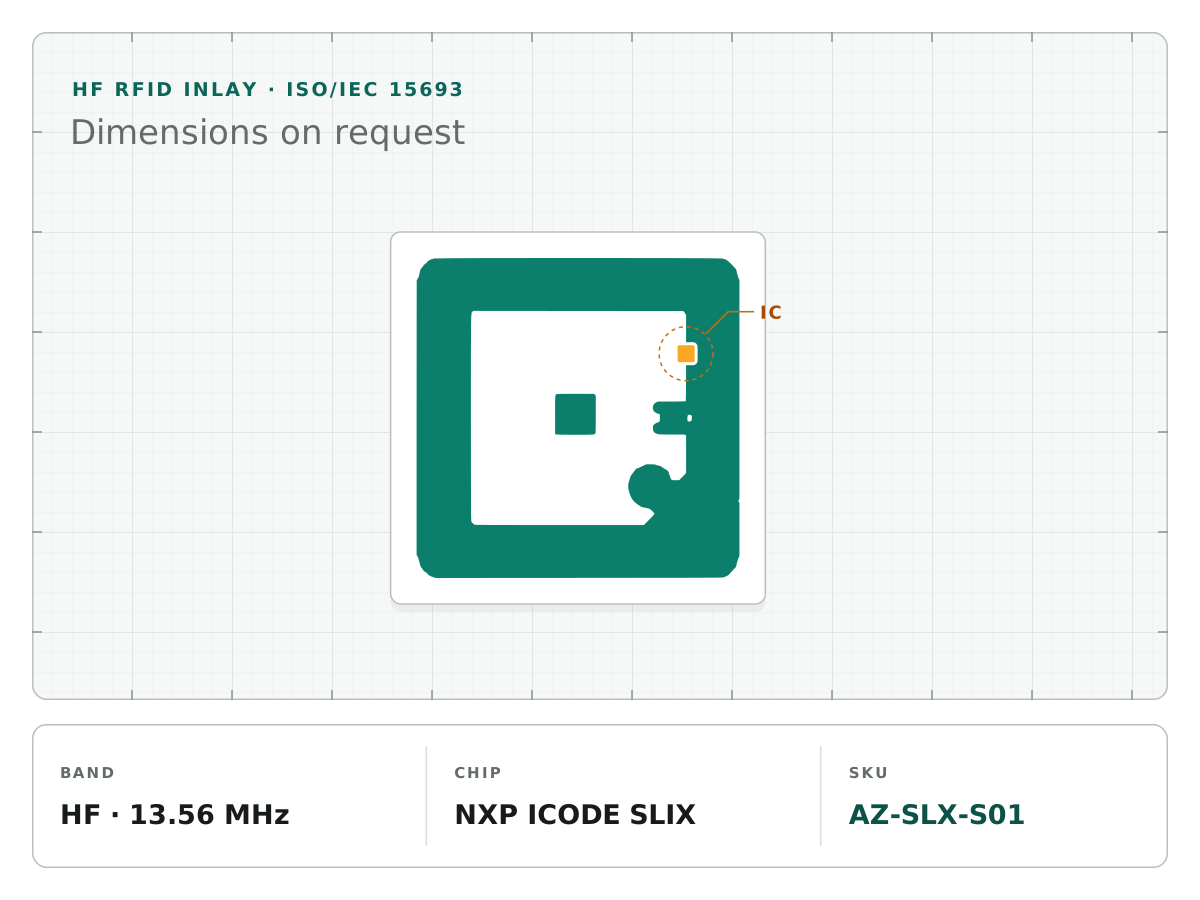
 HF / NFC
 Application engineering
RFID Tags for Libraries
Self-checkout, security gates and shelf inventory with a handheld wand, on the ISO 15693 standard most library systems already use.
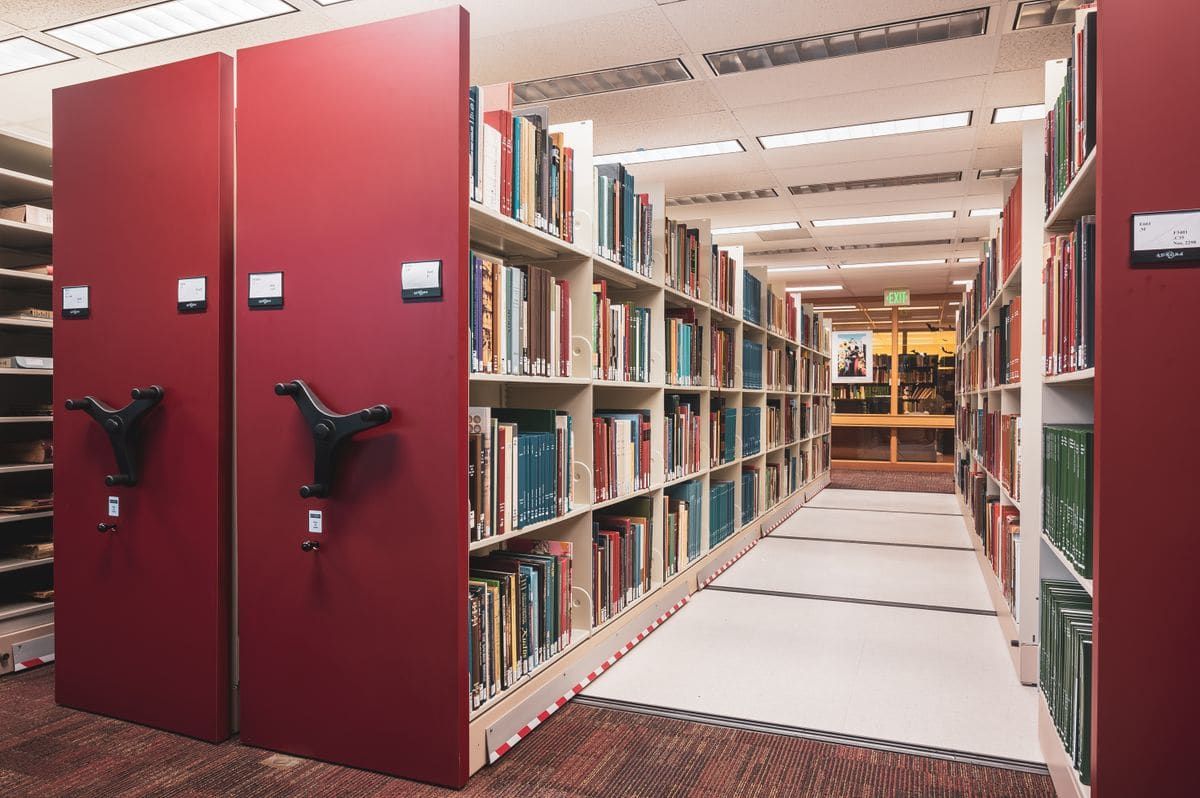
Design for the real reading environment
Library RFID is one of the most standardised RFID applications: most installed systems use HF 13.56 MHz tags to ISO/IEC 15693, NXP ICODE SLIX-family chips are the common choice, and the ISO 28560 data model describes what is stored on the tag. That standardisation helps buyers: tags from a new supplier work with existing kiosks, gates and staff pads as long as chip, data model and AFI settings match.
Antenza lists HF book tags on NXP ICODE SLIX and SLIX2 for self-checkout, EAS/AFI security at the gate and wand-based shelf inventory. For libraries that run or plan UHF (RAIN) systems, we also list UHF inlays on Alien Higgs-3/4 and Impinj Monza 4. Label sizes are shared on request.
Library operations before RFID
- 01
Front-desk bottlenecks
Every loan and return is a staff transaction with a barcode: queues at peak times, staff tied to the desk.
- 02
Stocktakes close the library
Barcode inventory means handling every book, so it happens rarely and misshelved items stay lost.
- 03
Security as a separate system
Separate EAS strips add cost per item and cannot say which item triggered the gate.
- 04
Fear of vendor lock-in
Libraries worry about tags tied to one kiosk vendor; standards compliance keeps the system open.
How Antenza supports library projects
Standards first
ICODE SLIX and SLIX2 tags to ISO/IEC 15693 (ISO/IEC 18000-3 mode 1) work with mainstream kiosks, staff pads, gates and inventory wands; share your system vendor and we confirm before sampling.
EAS and AFI in the chip
Both chips support EAS and AFI, which gates use for alarms and collection logic without separate security strips.
SLIX or SLIX2, not overspecified
SLIX offers 896 bits of user memory; SLIX2 offers 2,528 bits, an originality signature and a privacy mode. If your system stores only an item ID, SLIX is usually enough.
UHF when your system uses it
For UHF library systems we offer Higgs-3/4 and Monza 4 inlays, encoded to the data model your system vendor specifies.
Typical library tag specification
Migrating from, or running alongside, an existing tag population? Tell us the incumbent system and data model; AFI and data-model planning are the key to a clean transition.
| Frequency and standard | HF 13.56 MHz · ISO/IEC 15693 (ISO/IEC 18000-3 mode 1); UHF EPC Gen2 on request |
|---|---|
| Chips in the listed range | HF: NXP ICODE SLIX, SLIX2 · UHF: Alien Higgs-3/4, Impinj Monza 4 family |
| User memory | SLIX 896 bit · SLIX2 2,528 bit |
| Security | EAS and AFI for gates and collection coding |
| Format | Thin book label; sizes and face printing on request |
| Compatibility | Mainstream self-checkout kiosks, staff pads, gates and wands (confirm your system) |
Products for this application
HF ICODE tags first, then UHF options. Sizes and full specifications are shared on request.
HF / NFC 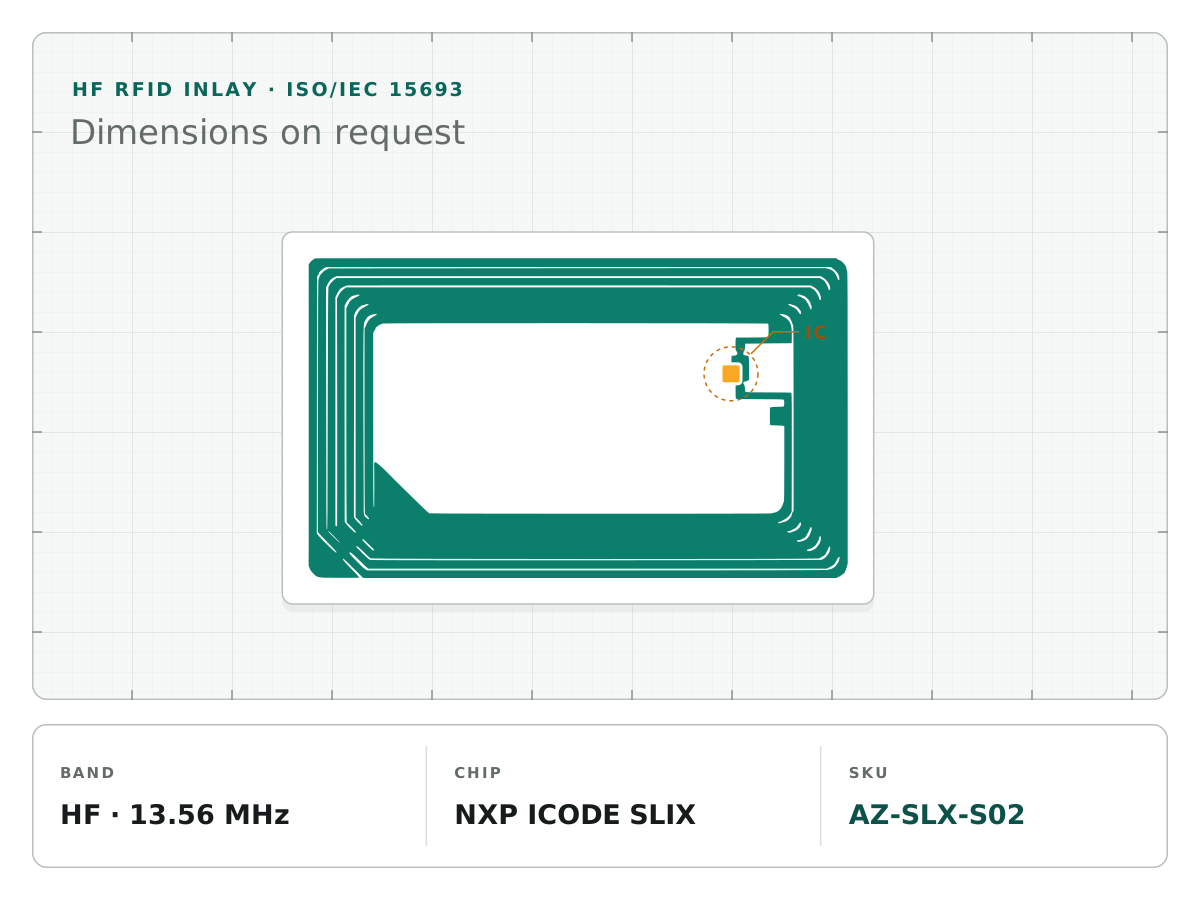 HF / NFC
 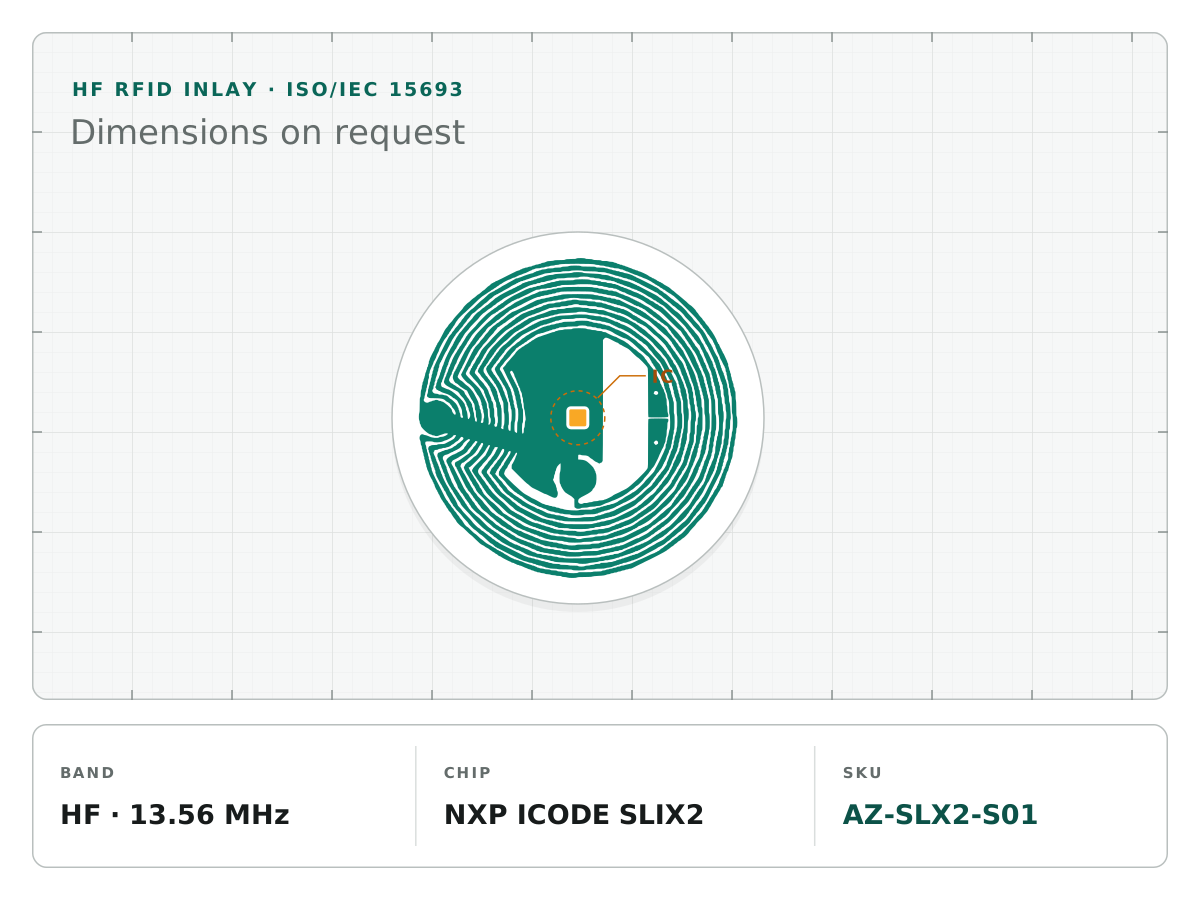 HF / NFC
 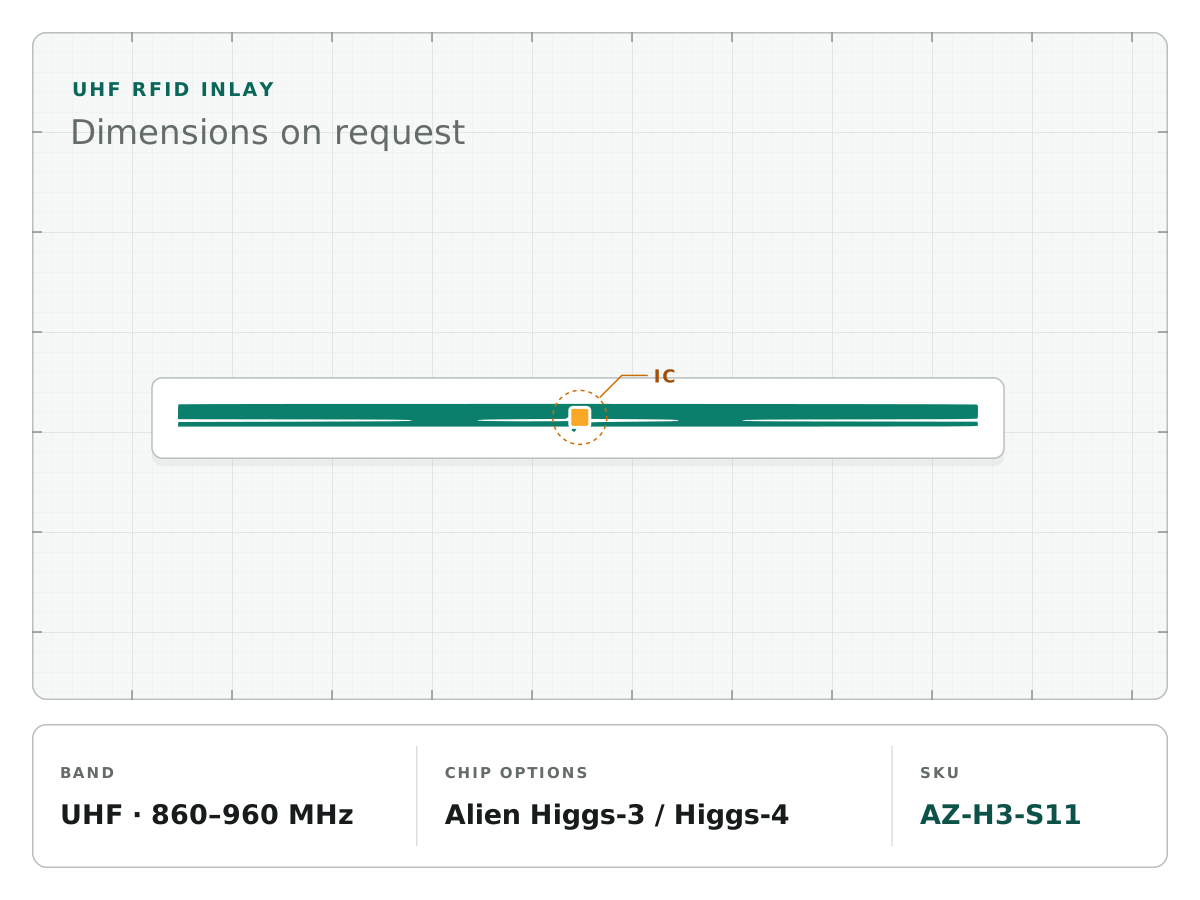 UHF
UHF AZ-H3-S11
Higgs-3 / Higgs-4 UHF RFID Inlay, AZ-H3-S11
- Chip options
- Higgs-3 / Higgs-4
- Antenna size
- On request
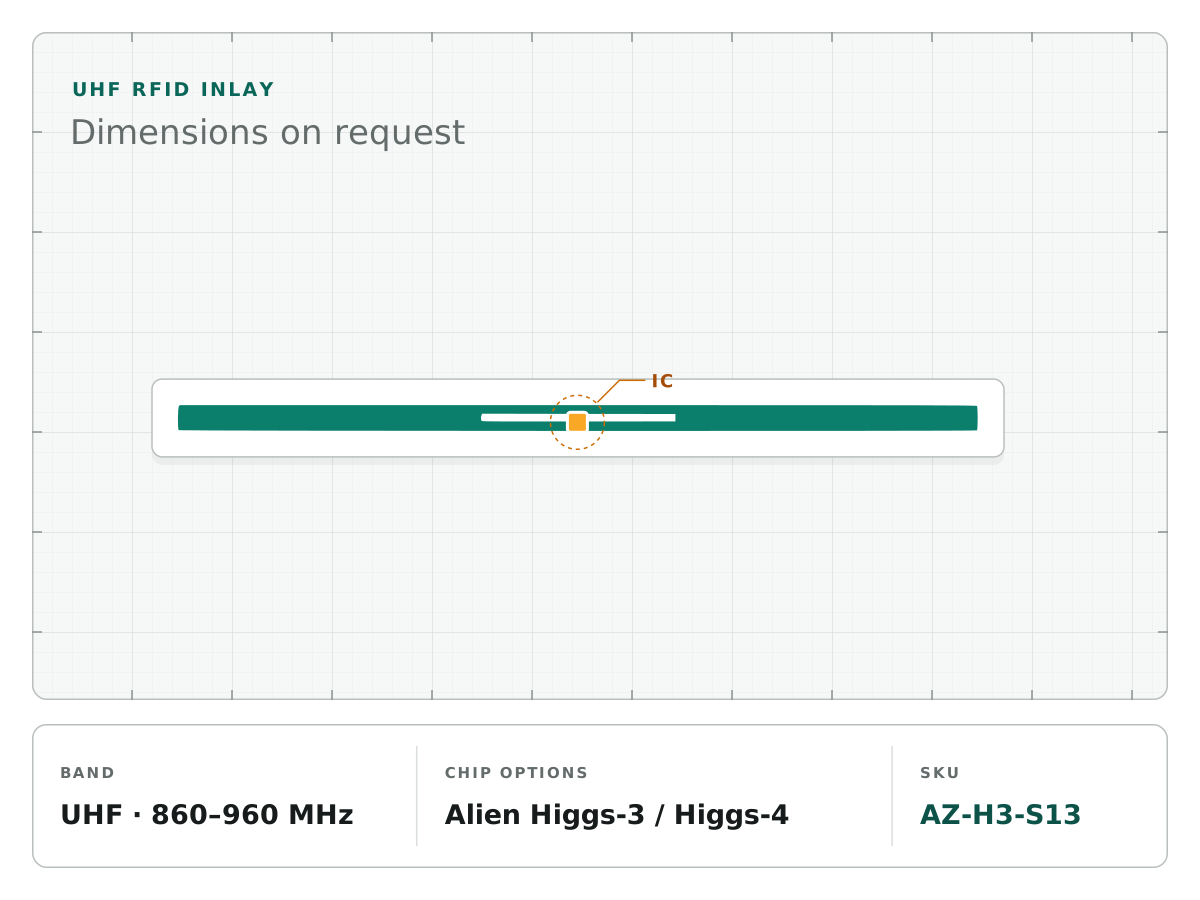 UHF
UHF AZ-H3-S13
Higgs-3 / Higgs-4 UHF RFID Inlay, AZ-H3-S13
- Chip options
- Higgs-3 / Higgs-4
- Antenna size
- On request
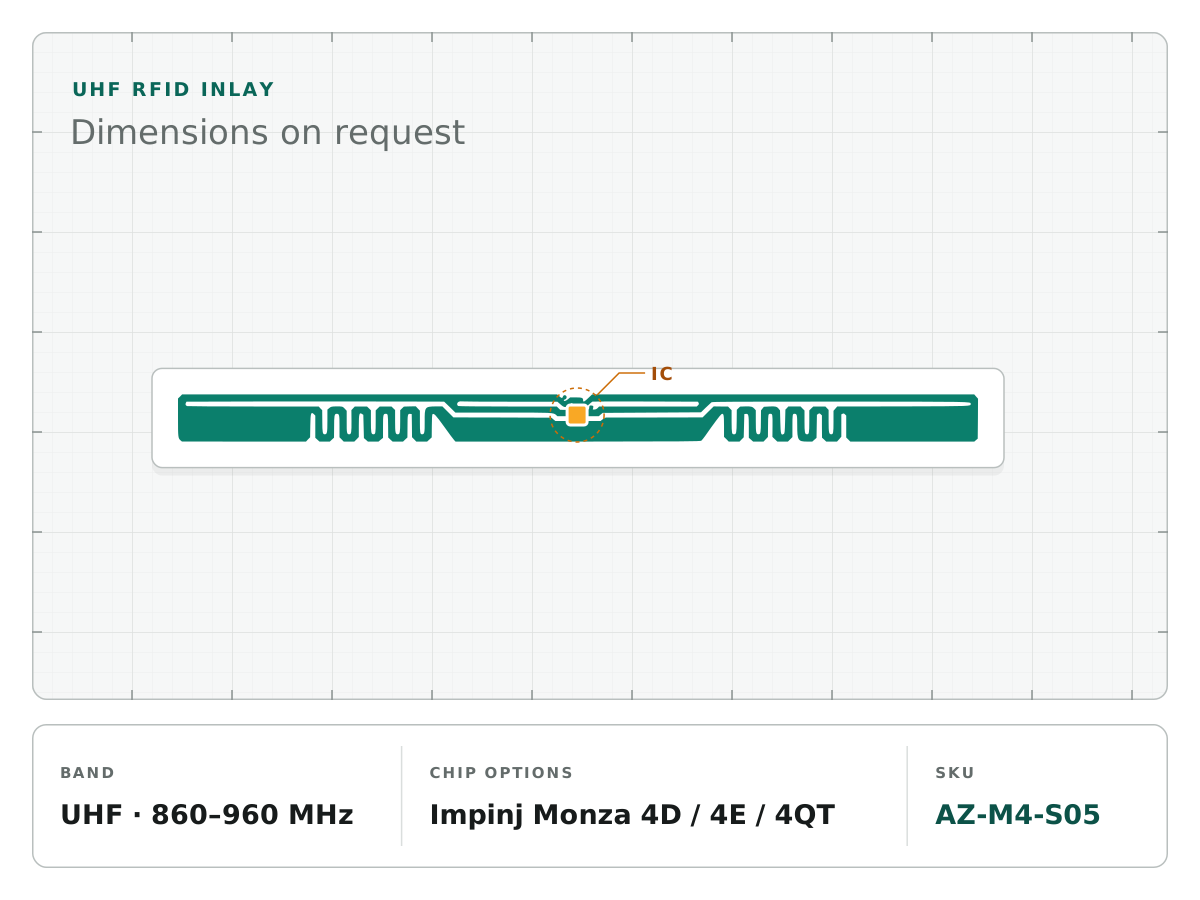 UHF
UHF AZ-M4-S05
Monza 4 UHF RFID Inlay, AZ-M4-S05
- Chip options
- Monza 4D / Monza 4E / Monza 4QT
- Antenna size
- On request
How ordering works
- 01
Specify
Share surface, read distance, chip preference and volume. We shortlist tags that fit.
- 02
Sample
Receive sample tags of the shortlisted designs to try in your own setup.
- 03
Validate
Test on your items, readers and printers. We adjust chip, size or format if needed.
- 04
Produce & ship
Volume production with 100% inline electrical test, then export shipping.
Frequently asked questions
Will your tags work with our existing kiosks and gates?
If your installation uses ISO 15693 tags, as most HF library systems do, SLIX-family tags are the usual choice. Share your system vendor and data model in the inquiry and we confirm compatibility before sampling.
What is AFI and why does it matter?
AFI (Application Family Identifier) is a byte that gate readers filter on. It separates library tags from other tags in visitors’ bags, and some systems use it together with EAS to mark items as checked out.
SLIX or SLIX2?
SLIX is the widely deployed baseline with 896 bits of user memory; SLIX2 adds 2,528 bits, an originality signature and a privacy mode at a slightly higher cost. If your library system stores only an item ID, SLIX is usually sufficient.
Should a library use HF or UHF?
Most installed library systems are HF. UHF reads further and faster, which helps shelf inventory, but it needs UHF kiosks and gates. Match the tag to the readers you have or plan; see UHF vs HF vs NFC.
Can you supply CD/DVD and media tags?
Disc media need special ring-shaped constructions that are not in our listed range. Ask in your inquiry and we tell you honestly whether we can supply a suitable format.
Further engineering reading
- How to Choose an RFID Tag: Seven Questions Before RFQ
Specify the surface, read event, available space, environment, data and delivery format. A seven-question checklist makes RFID samples and quotes useful.
- RFID vs Barcode: Compare the Workflow Before the Label
Compare RFID and barcodes by line of sight, batch reading, item identity and failure handling. Build a pilot around labor saved and reliable exceptions.
- UHF, HF or NFC? Choose the RFID Frequency for the Job
Compare RFID frequencies by reading workflow, phone compatibility and tagged material. Choose a practical shortlist before testing tags on your items.
Talk to an RFID engineer
Library RFID project or tag replacement?
Tell us your current system, collection size and readers. An engineer replies within 24 hours with a compatibility check and a sample plan.
Email us: sales@antenza.com