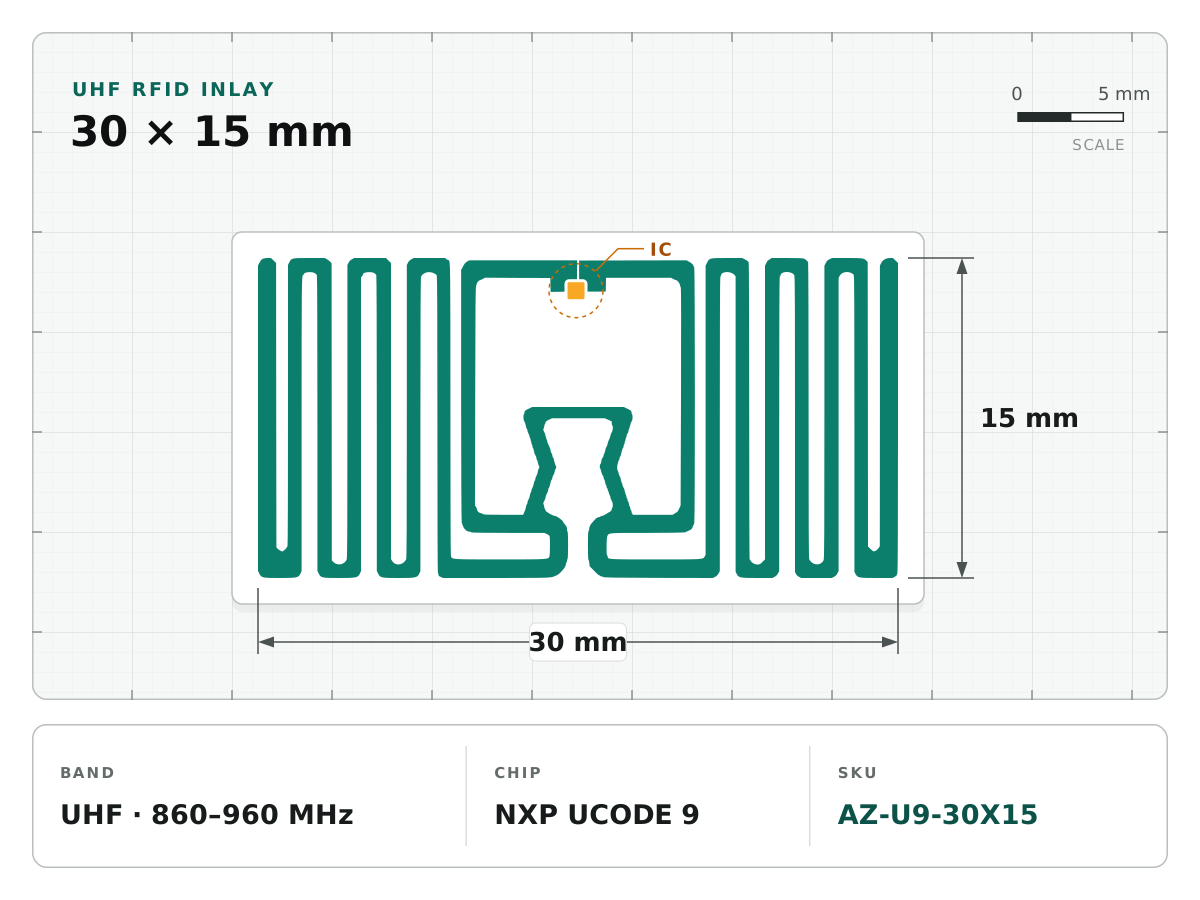
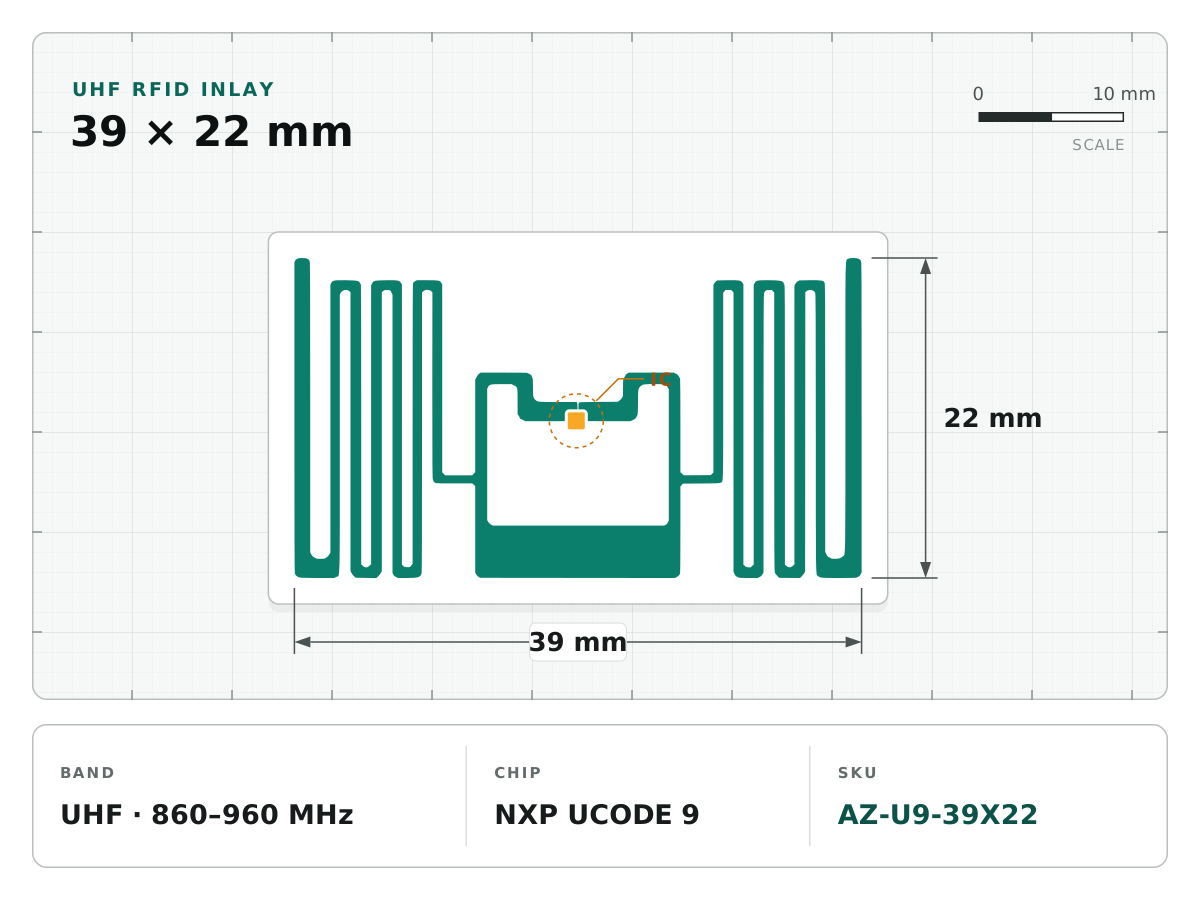
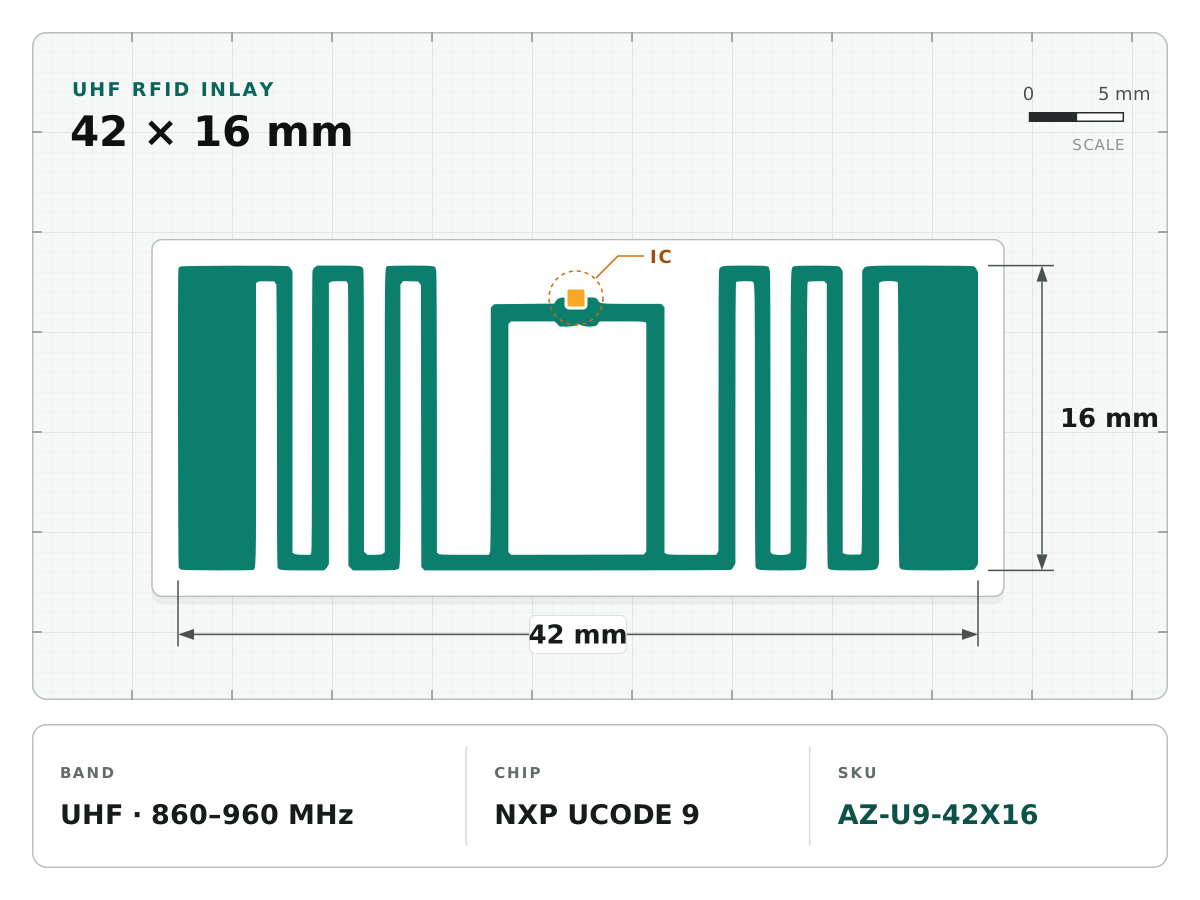
The useful starting point is the reading event: who reads the item, from where, and how many items are present. Frequency is a system decision, not a quality grade. A well-chosen short-range tag can outperform a longer-range tag when the task is deliberately selecting one item.
Match the frequency to the workflow
| Requirement | Candidate technology | What to verify |
|---|---|---|
| Inventory a rack or carton population | UHF / RAIN RFID | Read completeness and unwanted reads |
| Open a product page with a phone | NFC | Supported devices and tap position |
| Library circulation or specialist HF equipment | HF, often ISO/IEC 15693 | Reader, data model and installed-system compatibility |
| Both logistics and consumer interaction | UHF plus NFC | Identifier mapping and physical space |
UHF tags use a dedicated reader. HF is a broader category; NFC is not a synonym for every HF reader and tag combination. Check the exact protocol and phone behavior rather than buying on the label “13.56 MHz.” The NFC Forum and chip datasheets define the supported tag types.
Start with the tagged item
Describe the material immediately behind the tag and the contents inside the package. A paper carton around metal parts is not an ordinary cardboard test. Foil decorations, liquid fill level and nearby tags can change the result. For metal mounting, evaluate a designed spacer or ferrite structure instead of assuming HF automatically solves the problem.
Compare UHF inlays and labels with NFC and HF tags only after defining the workflow. Keep the largest workable antenna footprint available during initial trials, then reduce size if the measured margin allows it.
Region and compatibility are separate checks
The UHF air interface can be common while local reader frequencies and power rules differ. US equipment commonly operates within 902–928 MHz. European equipment must follow the applicable national implementation; China’s current rules specify 920–925 MHz for new equipment approvals. A broadband antenna does not authorize a reader to transmit everywhere. See the regional frequency guide before a cross-border rollout.
Build a two-stage pilot
First, test a small candidate set on the real packaging with the intended reader. Second, repeat the actual workflow with mixed orientations, dense populations and deliberate distractor items outside the target zone. Record missed items and false inclusions separately. For phone interaction, use the actual finished artwork and several representative phones.
Send the surface, available area, reader type and required reading event to Antenza engineering. We can help turn that brief into a candidate sample list; final acceptance belongs to the on-item trial.