A common EPC Gen2 protocol does not imply a common transmission allocation. The destination controls reader operation. The passive tag also needs suitable tuning across the frequencies actually used. This checklist was reviewed on October 1, 2026; verify the official rule again when deploying.
Three common starting points
| Destination | Starting point for engineering | Official reference |
|---|---|---|
| United States | 902–928 MHz operation under the relevant equipment rules | 47 CFR 15.247 |
| Europe | 865–868 MHz; additional upper-band operation depends on applicable implementation | ETSI EN 302 208 and national rules |
| China, new equipment approvals | 920–925 MHz | MIIT 900 MHz RFID rules |
ETSI’s standard covers both 865–868 MHz and 915–921 MHz equipment, but a standards document does not itself authorize every frequency in every country. Verify national availability, channel restrictions and the approved reader configuration. Do not generalize this table to every European jurisdiction or to other countries.
China’s older band needs careful wording
MIIT’s current rule took effect on November 1, 2024 and removed 840–845 MHz from the new approval framework. Its explanation includes transition treatment for previously approved equipment. An older reader deployment and a new equipment procurement therefore need separate review. Avoid copying an undated regional chart into a fresh RFQ.
Request measured tag performance
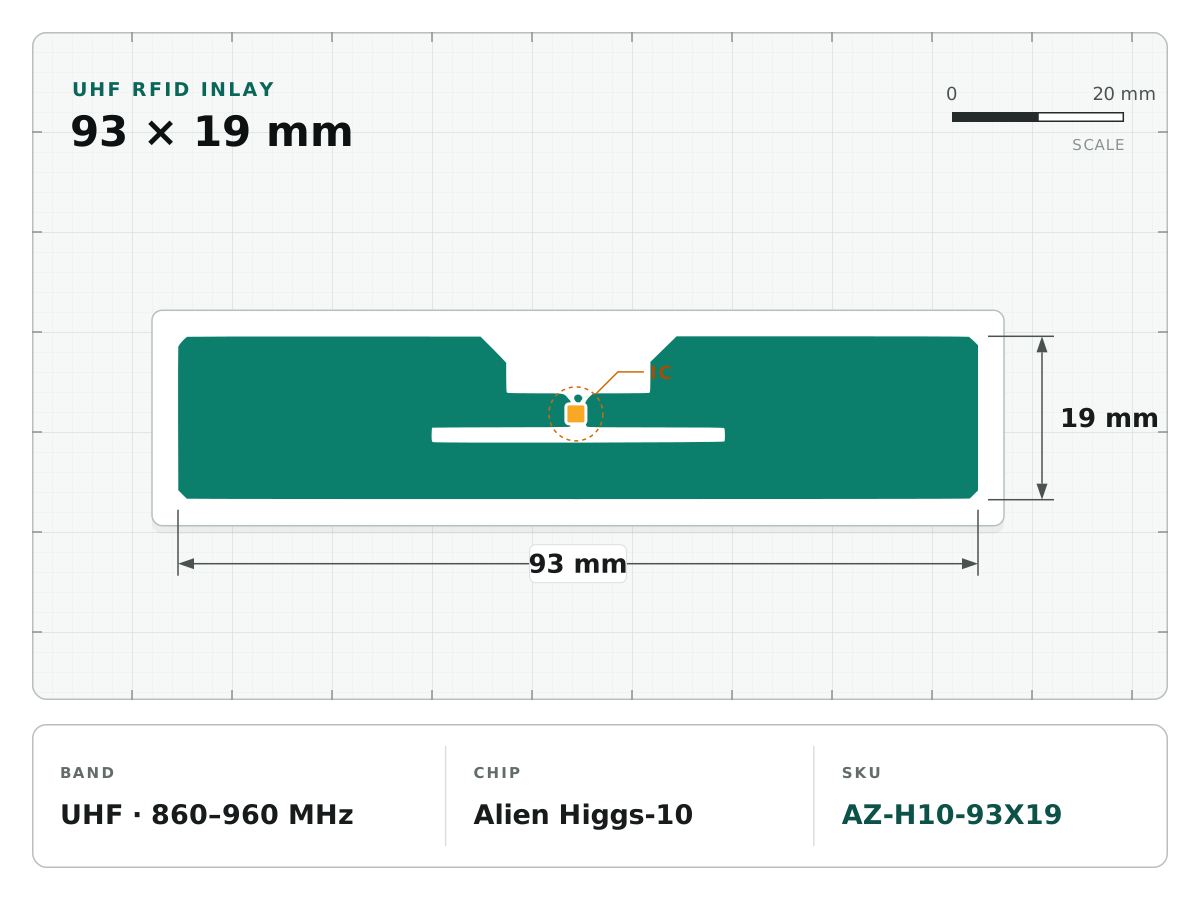
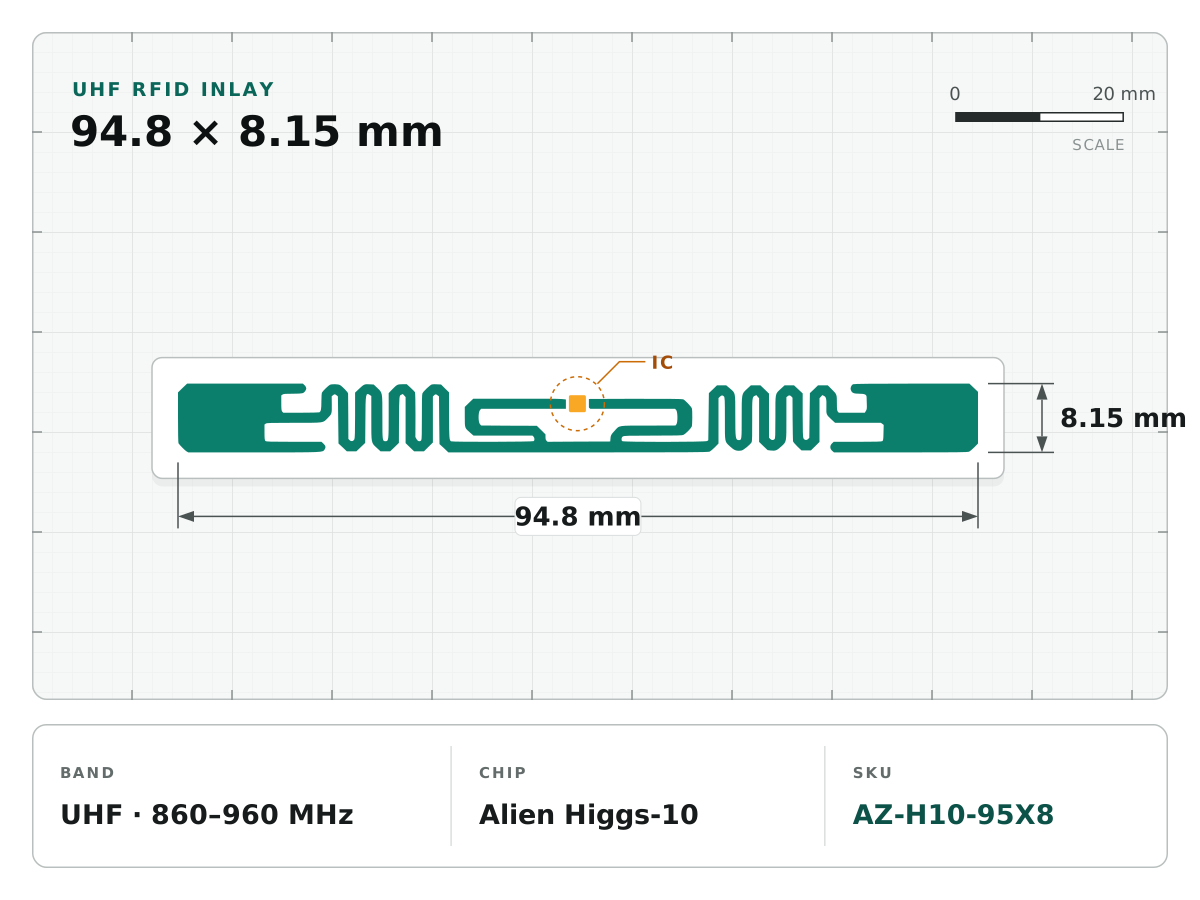
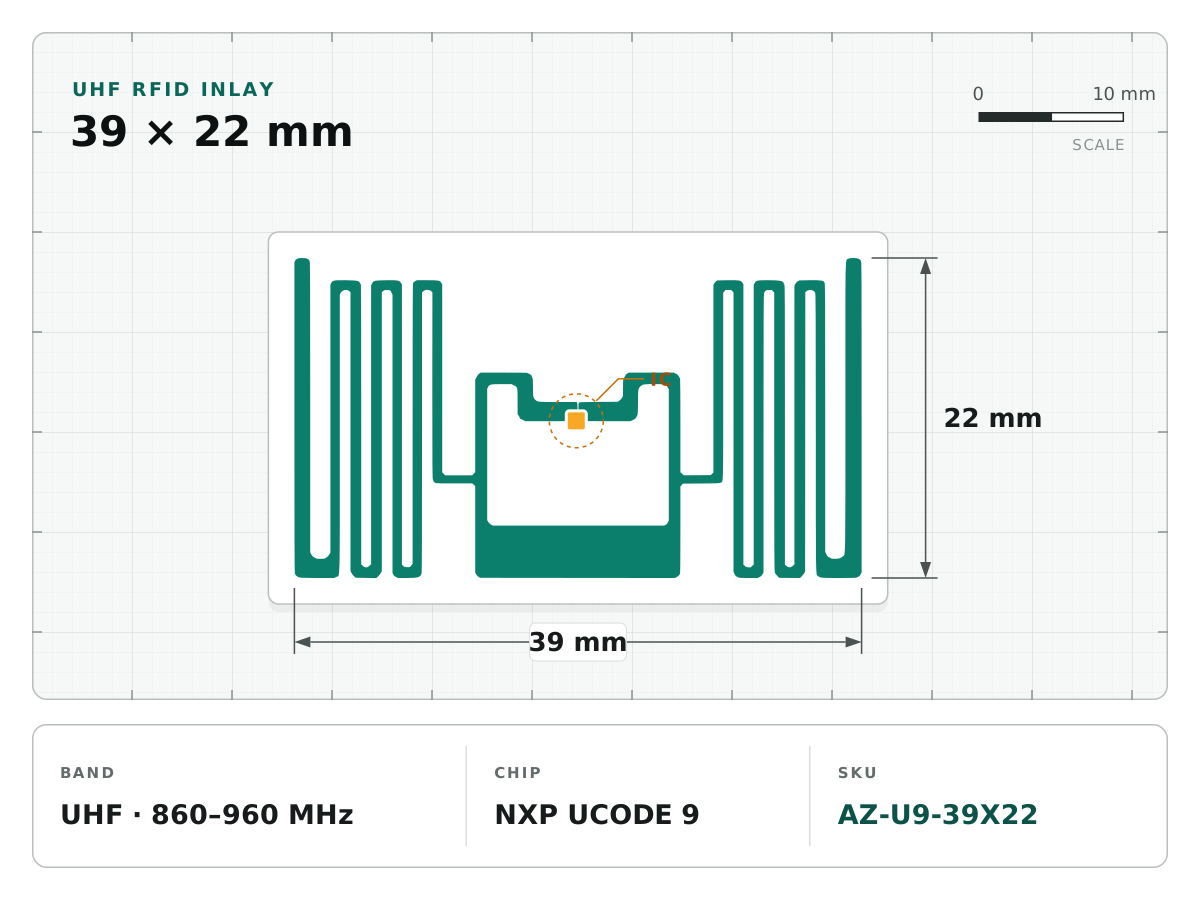
A chip may support a wide frequency range while the antenna performs best in a narrower region. Ask for complete-tag RF data covering the target reader frequencies and tagged material. Test the converted label, not only a bare inlay.
For UHF inlays or on-metal tags, state every intended destination before samples are selected. If products travel between regions, test that complete route rather than assuming the shipping country’s configuration is sufficient.
Keep an approval record
Record destination, reader model, country setting, firmware, antenna, cable loss, permitted installation and test configuration. Keep compliance evidence from the equipment provider distinct from tag-performance evidence. If any destination is missing from this guide, obtain its current official allocation rather than extrapolating from a neighboring country.
Send your destination list and reader configuration through the engineering inquiry form. Antenza can help choose antenna candidates; the deployment owner and reader provider should verify lawful equipment operation for each location.