 UHF
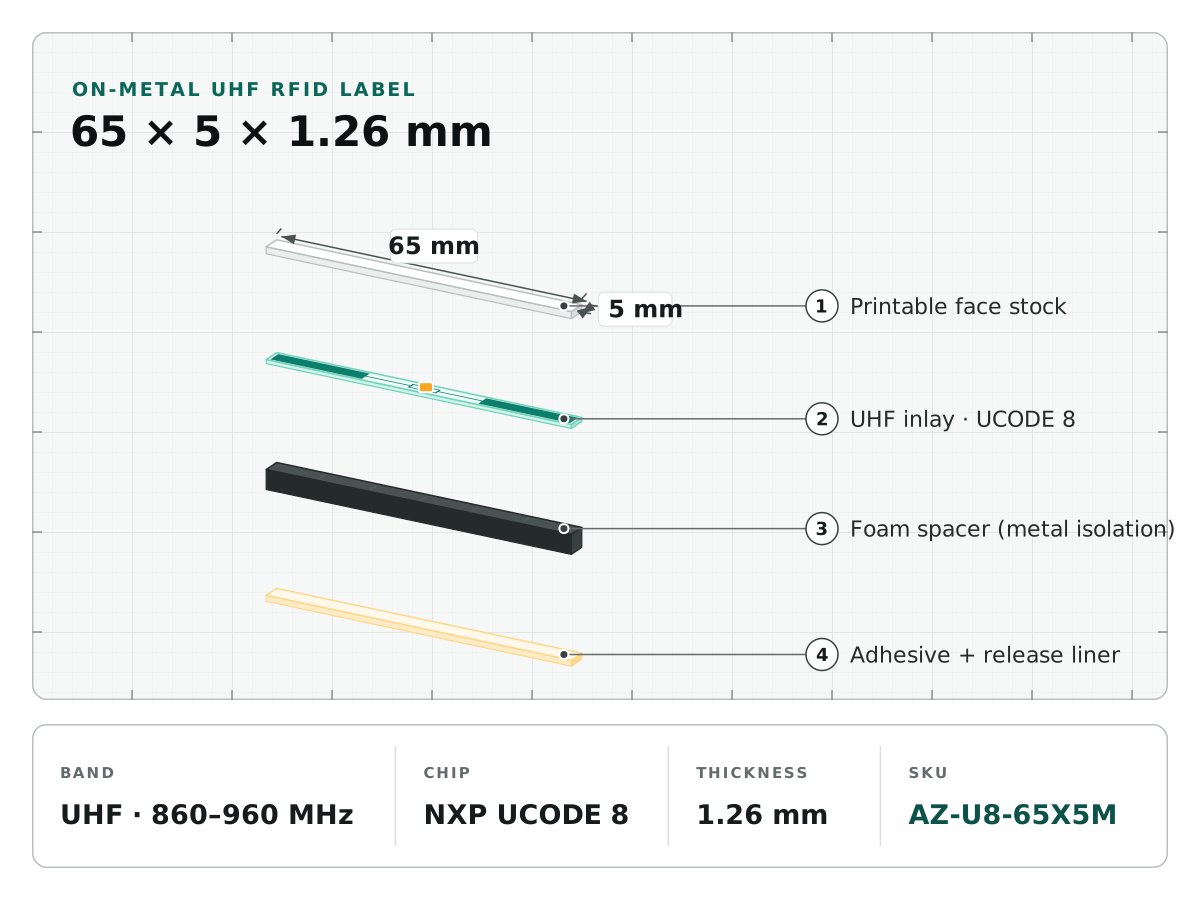
UHF AZ-U8-65X5M
UCODE 8 On-Metal RFID Tag, 65 × 5 × 1.26 mm
- Chip
- NXP UCODE 8
- Antenna size
- 65 × 5 mm
- Read range
- up to 3 m (reference)
Application engineering
Standard RFID labels go quiet on metal. Our on-metal labels use a spacer layer so they read directly on steel, aluminium, racking and equipment housings.
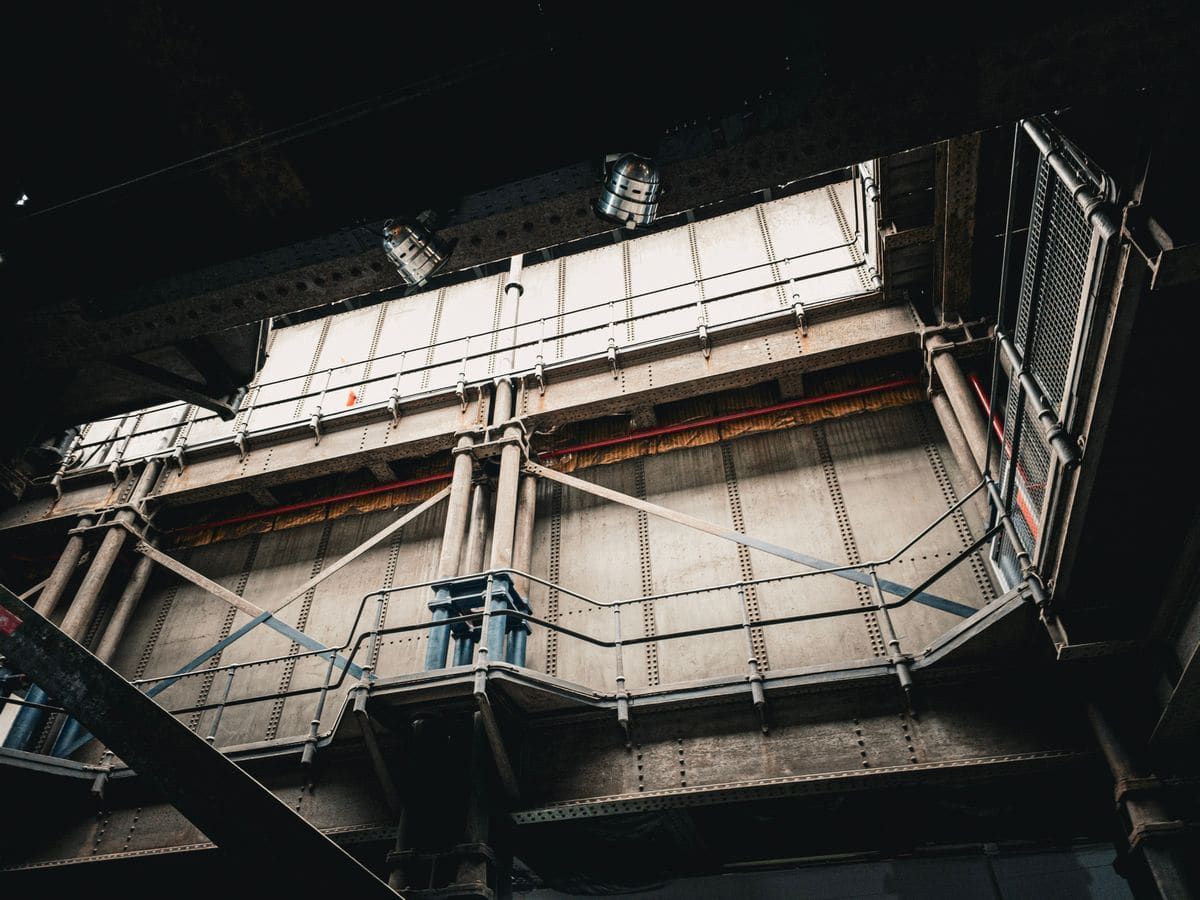
Metal reflects UHF energy and detunes ordinary tag antennas: put a normal label on a server chassis or a steel shelf and the read range collapses to almost nothing. On-metal tags solve this with a spacer construction that separates the antenna from the surface, so the metal becomes part of the RF design instead of blocking it.
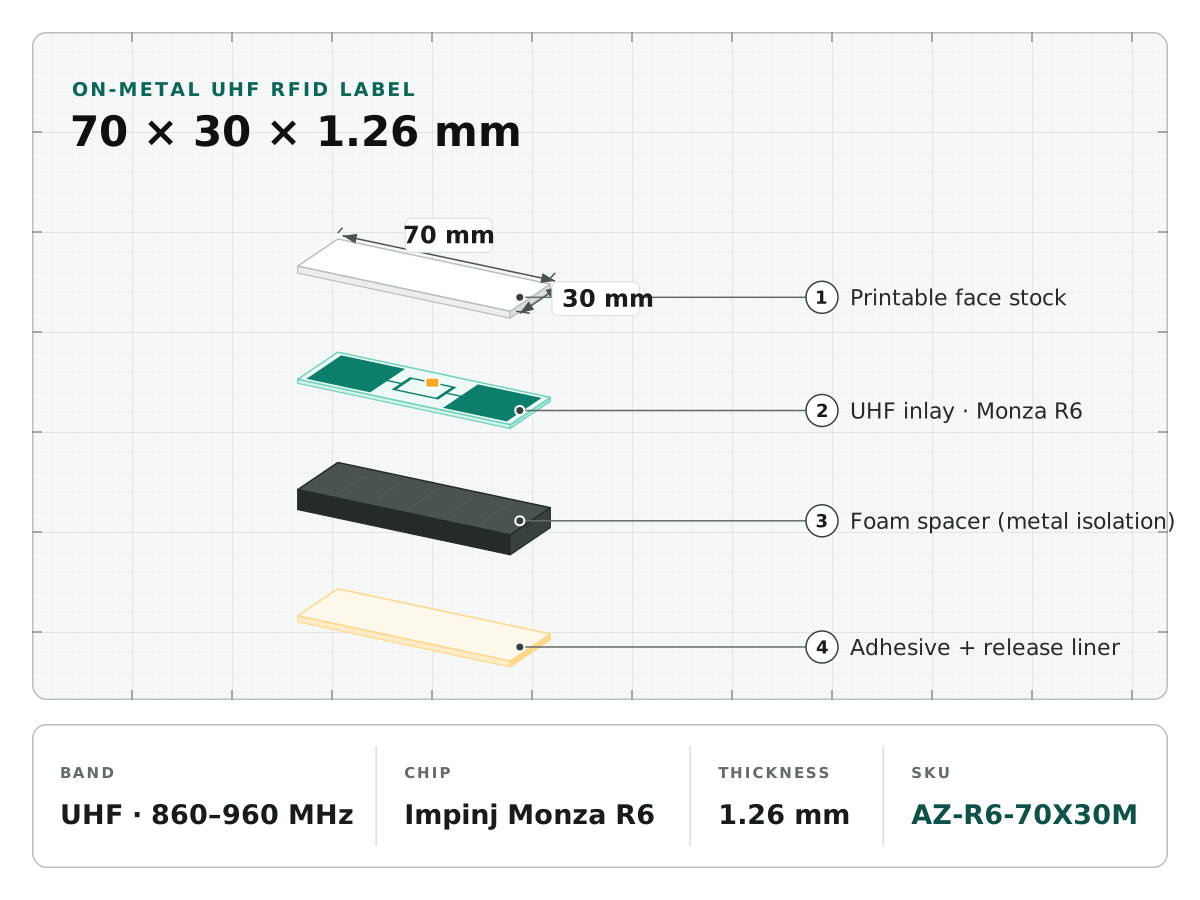
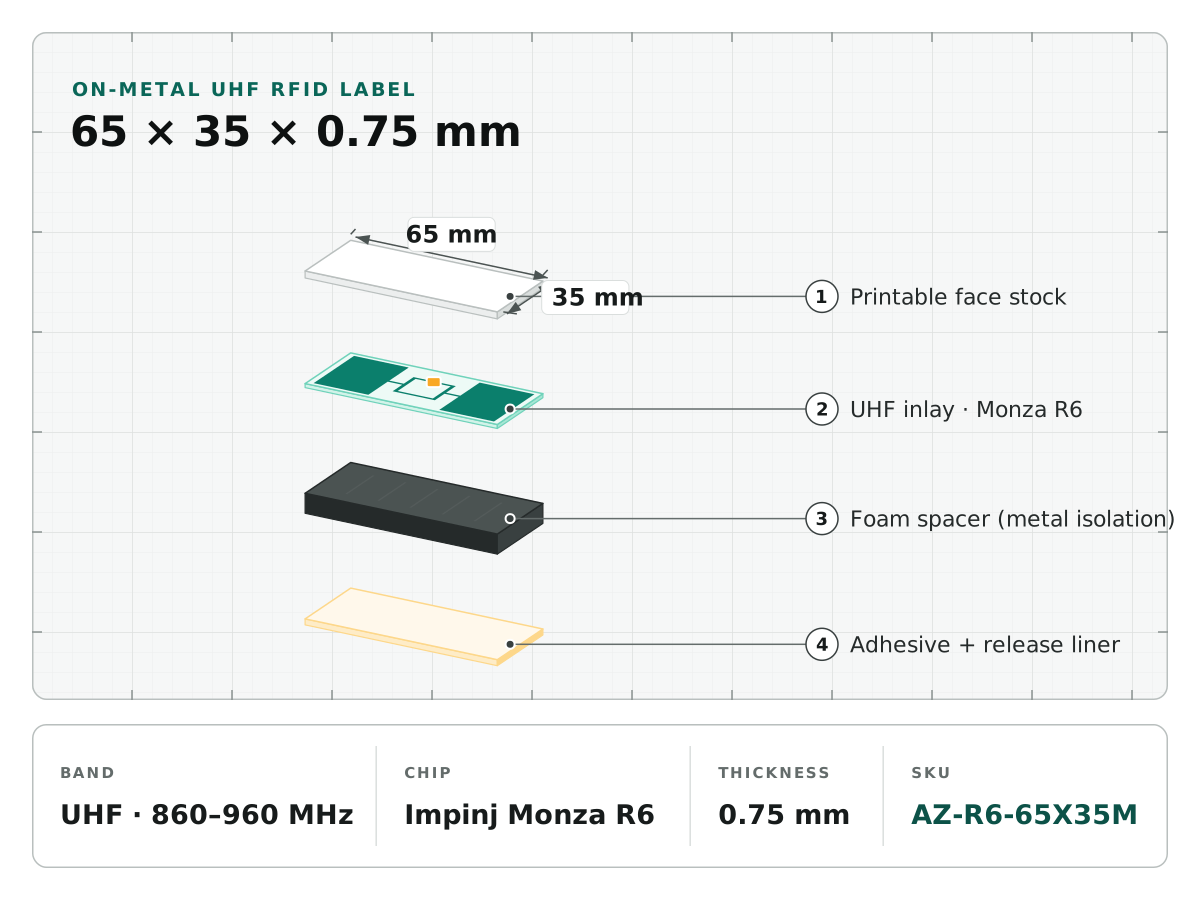
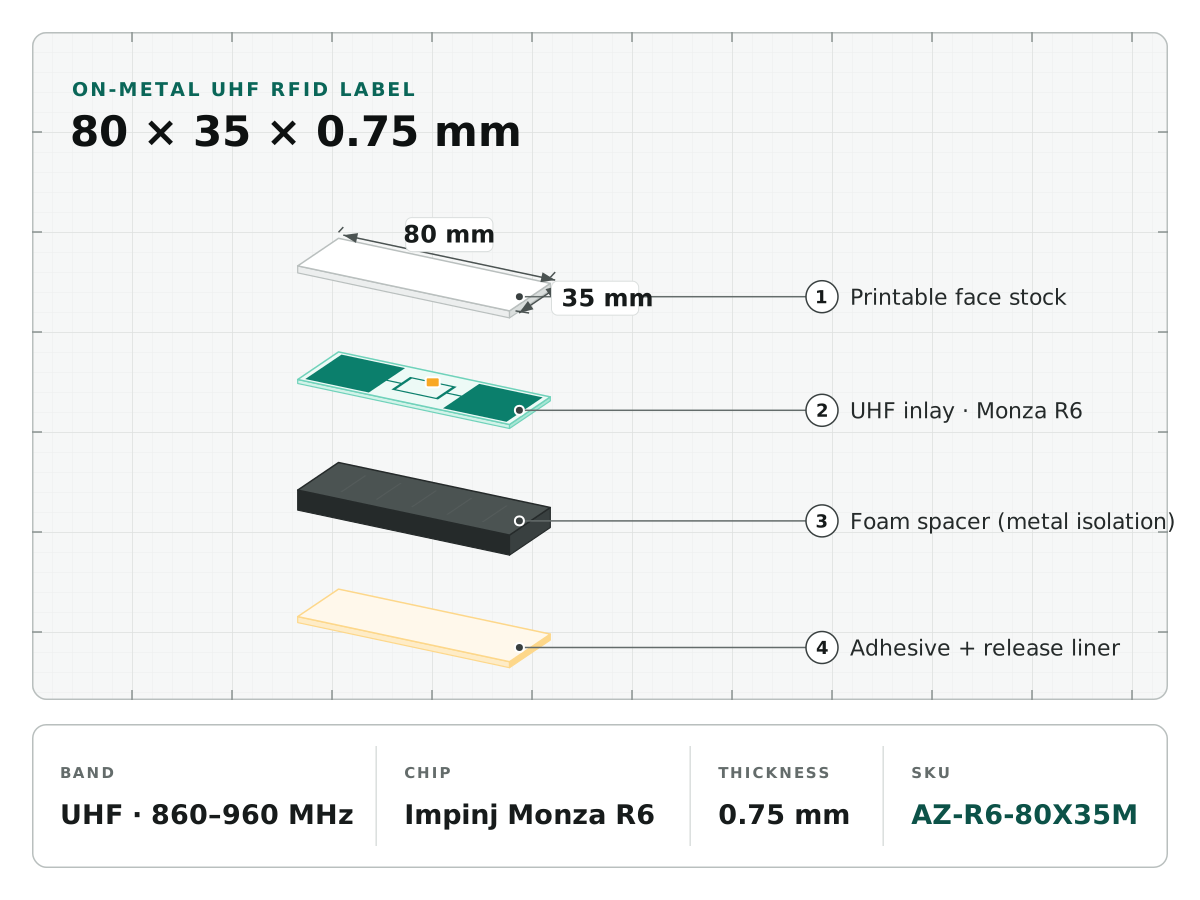
Antenza lists ten on-metal labels, from a compact 40 × 25 mm for hand tools and IT assets to 80 × 35 mm where range matters most, in 0.75 mm and 1.26 mm thicknesses. Seven run on Impinj Monza R6, two on NXP UCODE 8 and one on NXP UCODE 9. Impinj lists Monza R6 as end-of-life, so for a new design we also discuss current alternatives. Background: our on-metal tag guide.
The metal surface reflects the reader field and shifts the antenna’s resonance; a standard label loses most of its range on contact.
IT equipment, tooling and machines are exactly the assets audits track, and exactly the ones standard labels fail on.
Tool cribs, workshops and outdoor plant expose tags to impact, oil and weather.
Oversized tags don’t fit small tools; undersized tags disappoint on range. Without a size range you compromise twice.
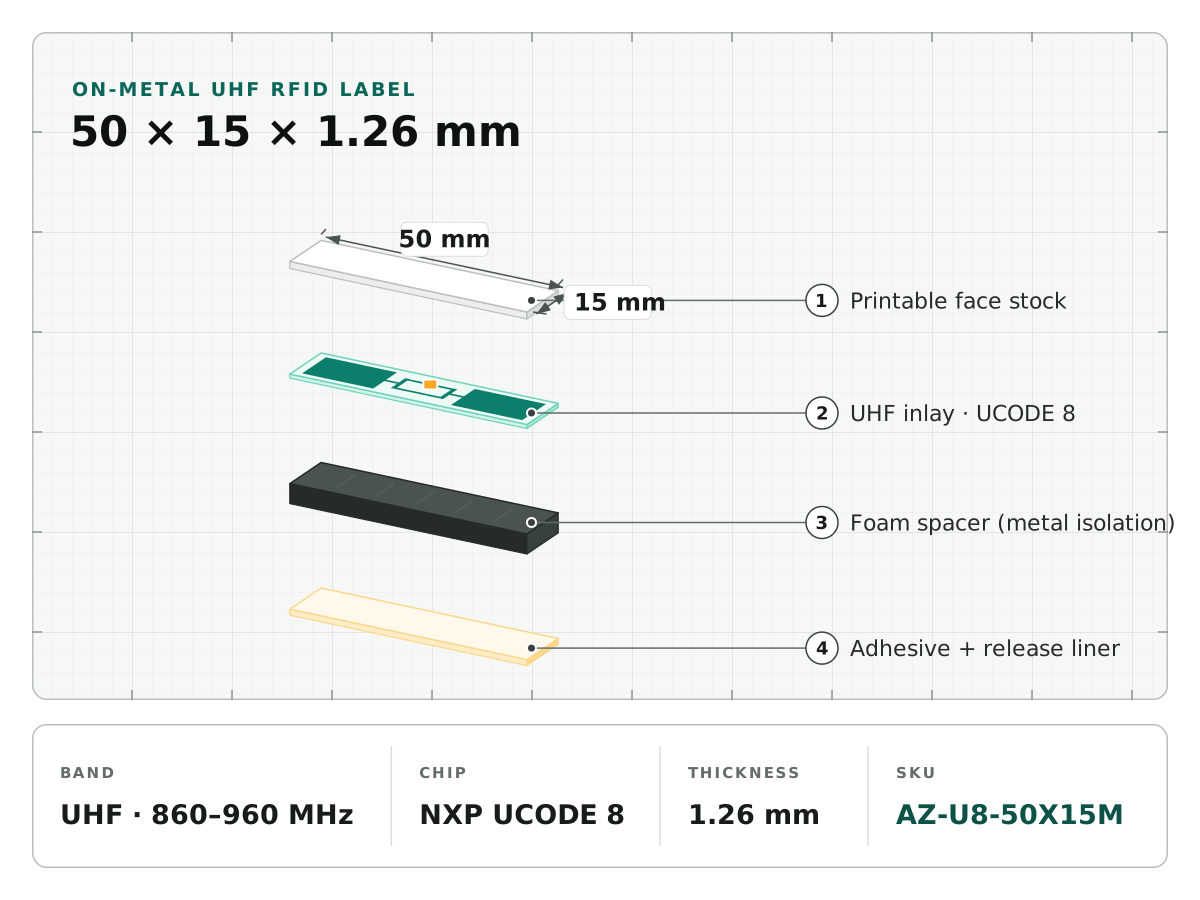
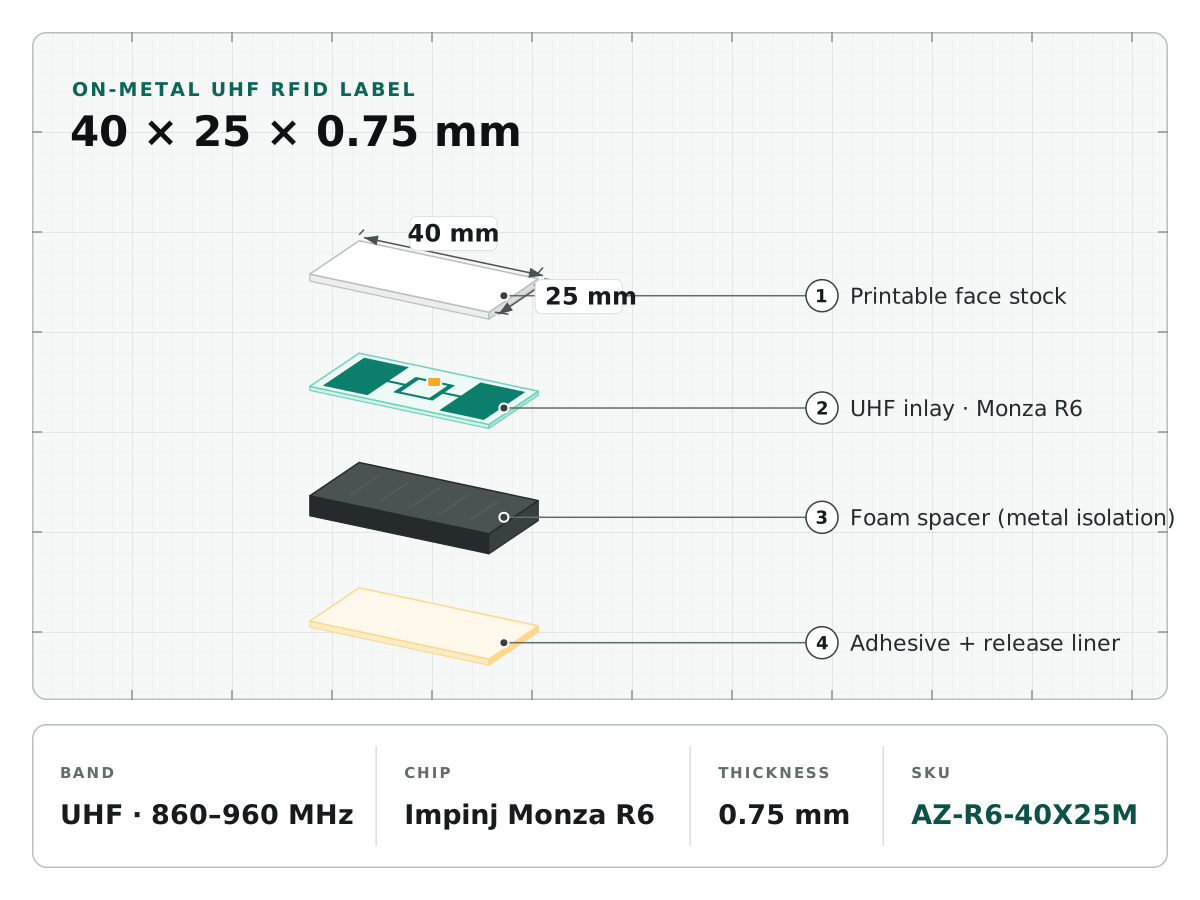
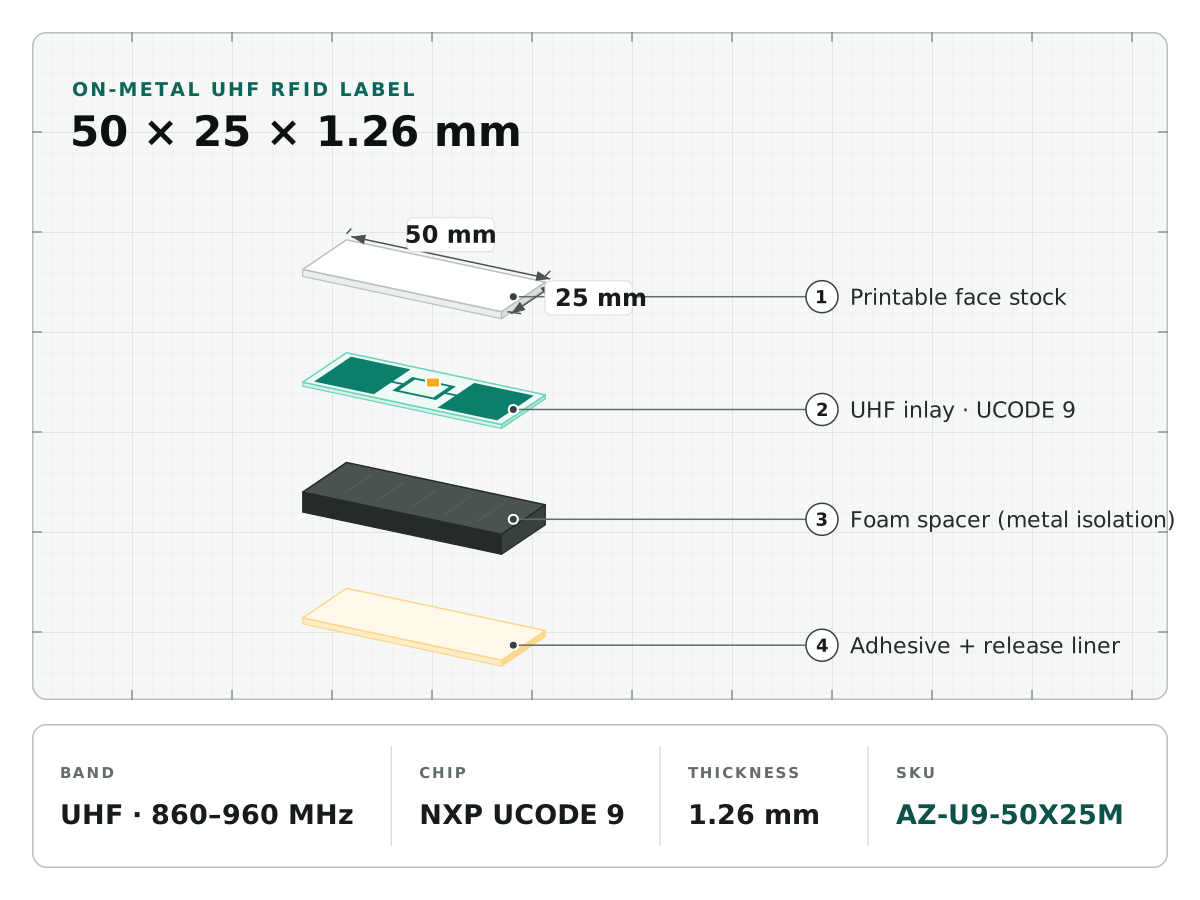
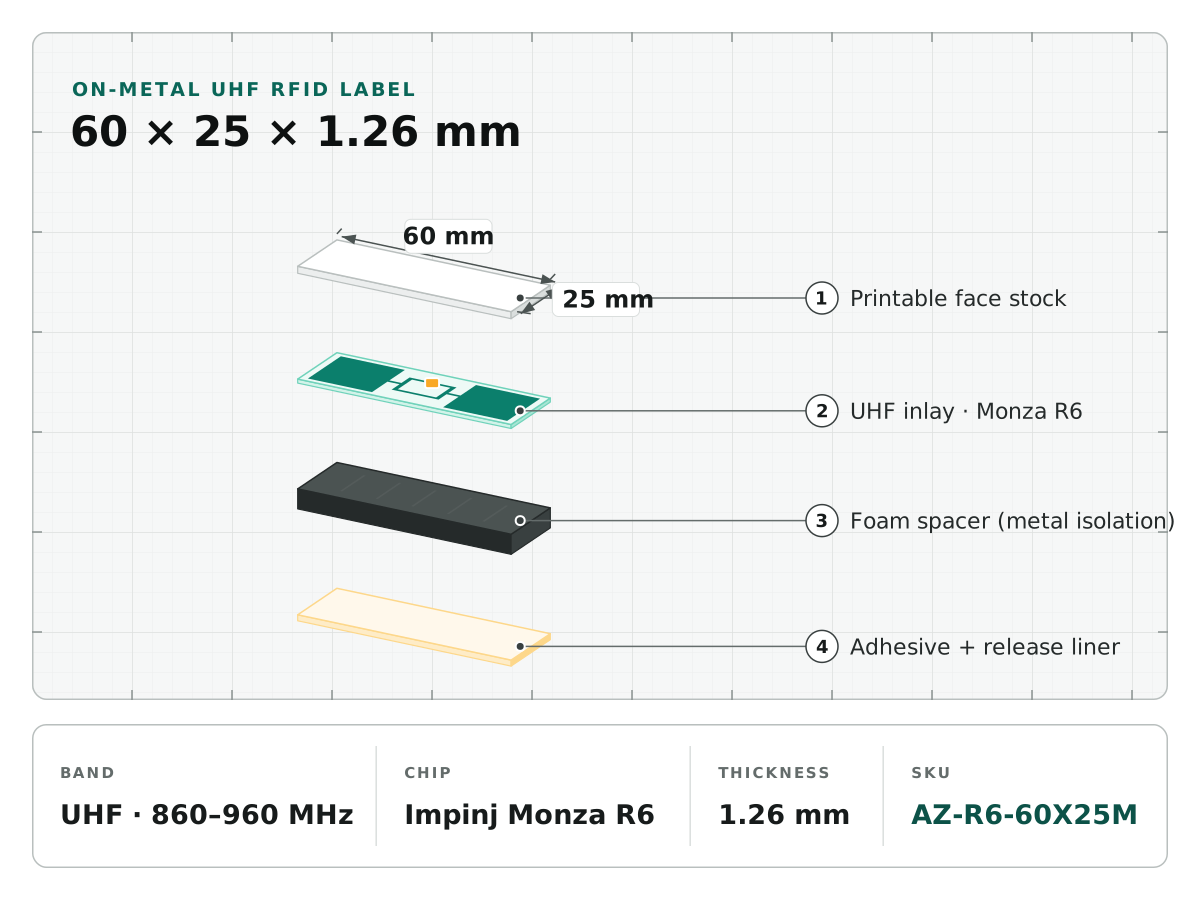
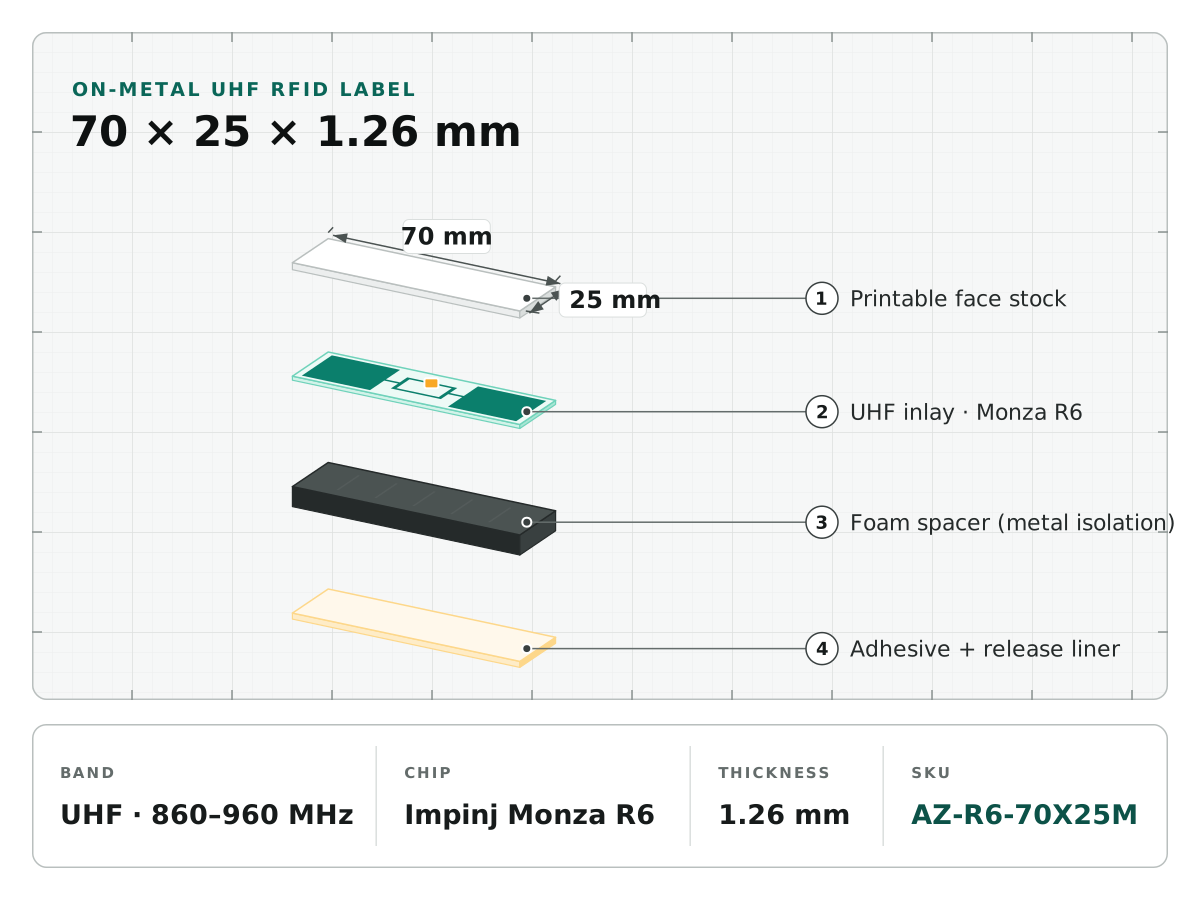
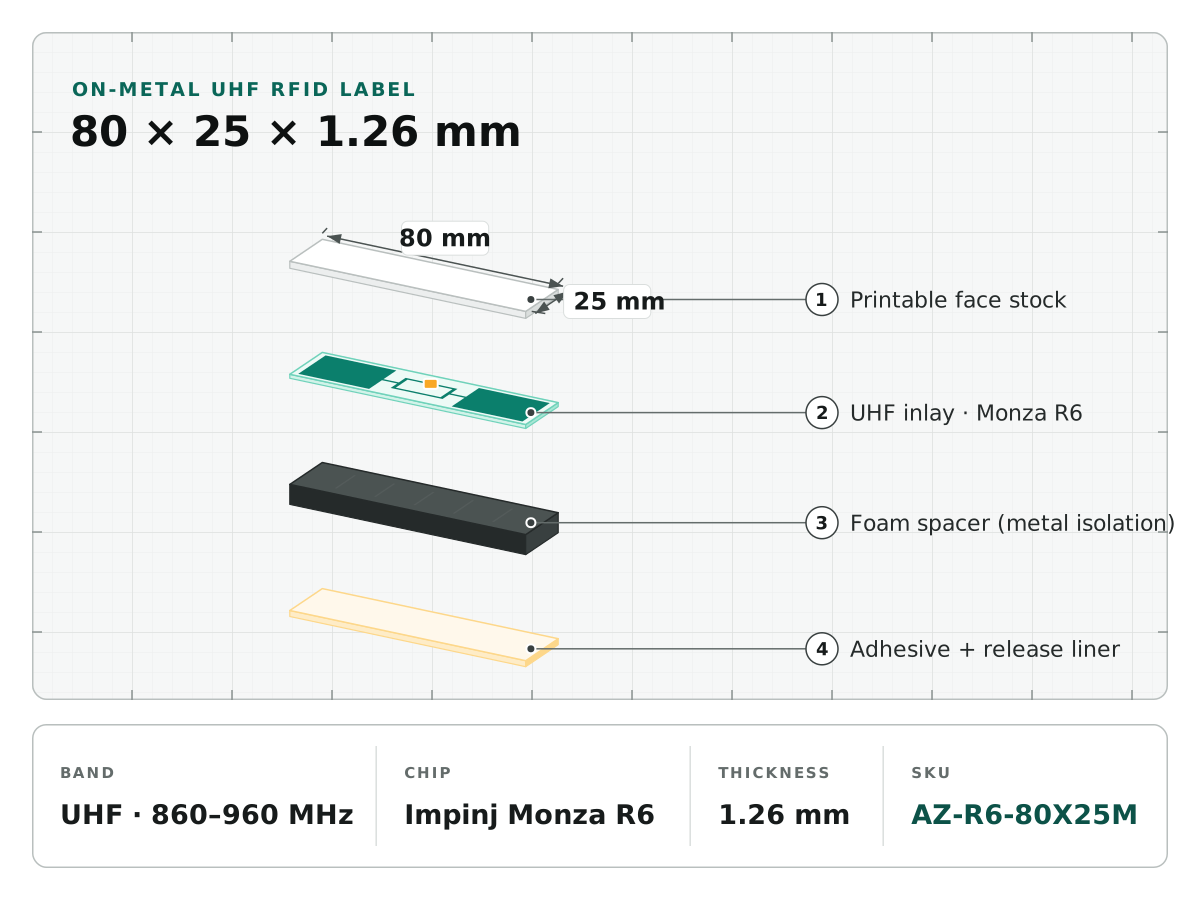
A foam spacer separates the antenna from the metal, so the tag uses the surface as a ground plane instead of being detuned by it.
Ten footprints from 40 × 25 to 80 × 35 mm, including slim 65 × 5 mm and 50 × 15 mm formats for edges and narrow parts. Match the footprint to the asset, not the other way round.
Seven sizes use Impinj Monza R6 (96-bit EPC, AutoTune), two use NXP UCODE 8 and one NXP UCODE 9. Each product page shows its chip and the datasheet values.
The labels have an adhesive backing; for vibration, heat or washdown, describe the conditions and we confirm materials or advise mechanical fixing before you order.
On metal, a larger tag generally reads further. Pick the largest footprint the asset allows, then confirm with samples on your real surface; we can send several sizes for a side-by-side test.
| Frequency | UHF 860–960 MHz, EPC Gen2, RAIN RFID |
|---|---|
| Chips | Impinj Monza R6 (7 sizes), NXP UCODE 8 (2), NXP UCODE 9 (1) |
| Sizes | 40×25 · 50×15 · 50×25 · 60×25 · 65×5 · 65×35 · 70×25 · 70×30 · 80×25 · 80×35 mm |
| Thickness | 0.75 mm or 1.26 mm, depending on size |
| Surfaces | Steel, aluminium, racking and equipment housings; also reads on non-metal surfaces |
| Read range (reference) | Up to 3–6 m on metal, depending on size Reference only; depends on reader, antenna, power and the tagged material |
All ten on-metal labels, smallest footprint first.
UHF AZ-U8-65X5M
 UHF
UHF AZ-U8-50X15M
 UHF
UHF AZ-R6-40X25M
 UHF
UHF AZ-U9-50X25M
 UHF
UHF AZ-R6-60X25M
 UHF
UHF AZ-R6-70X25M
 UHF
UHF AZ-R6-80X25M
 UHF
UHF AZ-R6-70X30M
 UHF
UHF AZ-R6-65X35M
 UHF
UHF AZ-R6-80X35M
Share surface, read distance, chip preference and volume. We shortlist tags that fit.
Receive sample tags of the shortlisted designs to try in your own setup.
Test on your items, readers and printers. We adjust chip, size or format if needed.
Volume production with 100% inline electrical test, then export shipping.
Specify the surface, read event, available space, environment, data and delivery format. A seven-question checklist makes RFID samples and quotes useful.
Plan an RFID sample test with real items, controlled reader settings and acceptance criteria. Check RF behavior, encoding, adhesion and repeatability.
Choose an on-metal RFID label by mounting surface, available area, thickness and reader workflow. Test the complete structure before approving bulk supply.
RFID read range depends on the complete system. Control power, antenna, surface, orientation and reader settings when comparing labels on real objects.
Talk to an RFID engineer
Tell us the asset type, the free mounting area and the read distance. An engineer replies within 24 hours with a size recommendation and a sample plan.
Email us: sales@antenza.com