A passive UHF tag must receive enough energy and return a signal the reader can distinguish. Both directions matter. A distance measured in open space describes one setup; it does not predict a doorway surrounded by shelving and moving metal carts.
Six inputs to record
- Reader settings: region, transmit power, inventory mode, firmware and antenna ports.
- Reader antenna: gain, polarization, position and cable loss.
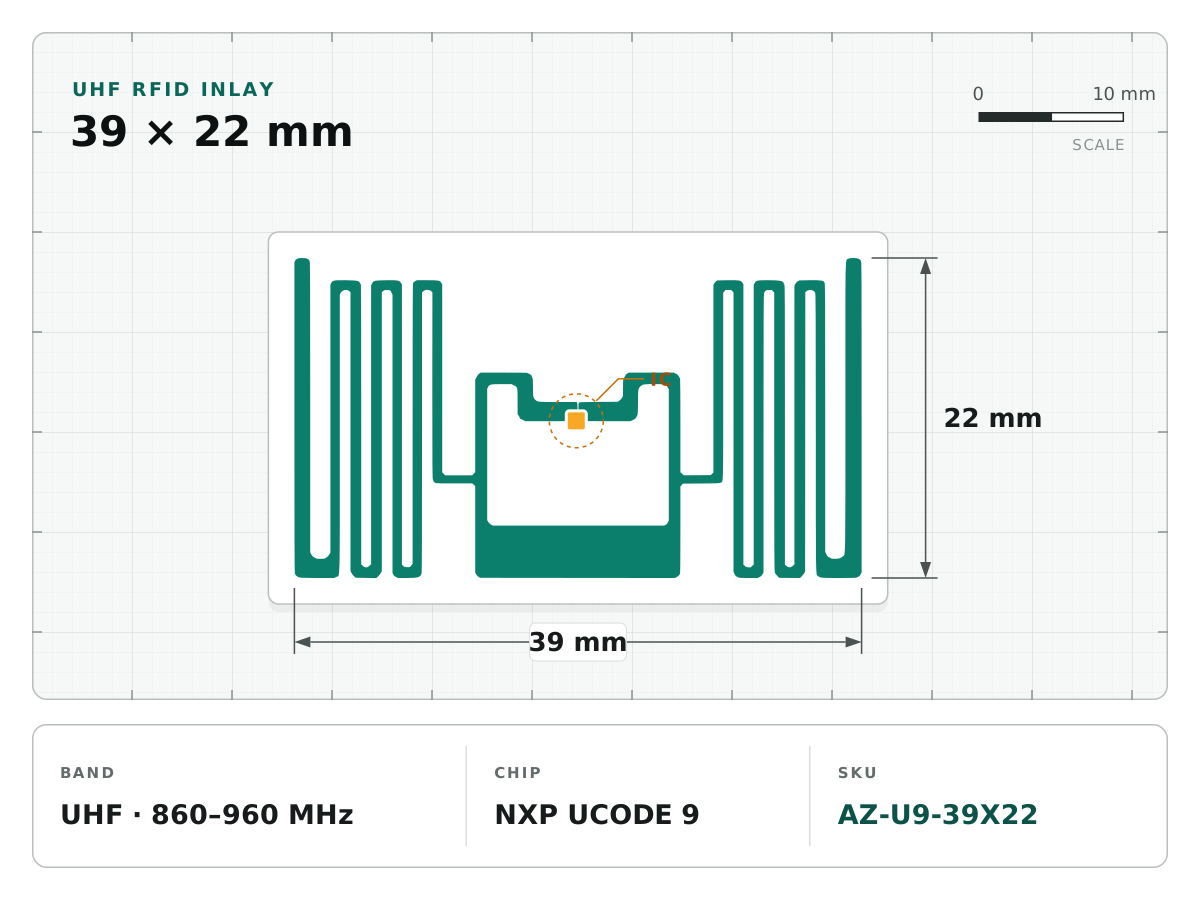
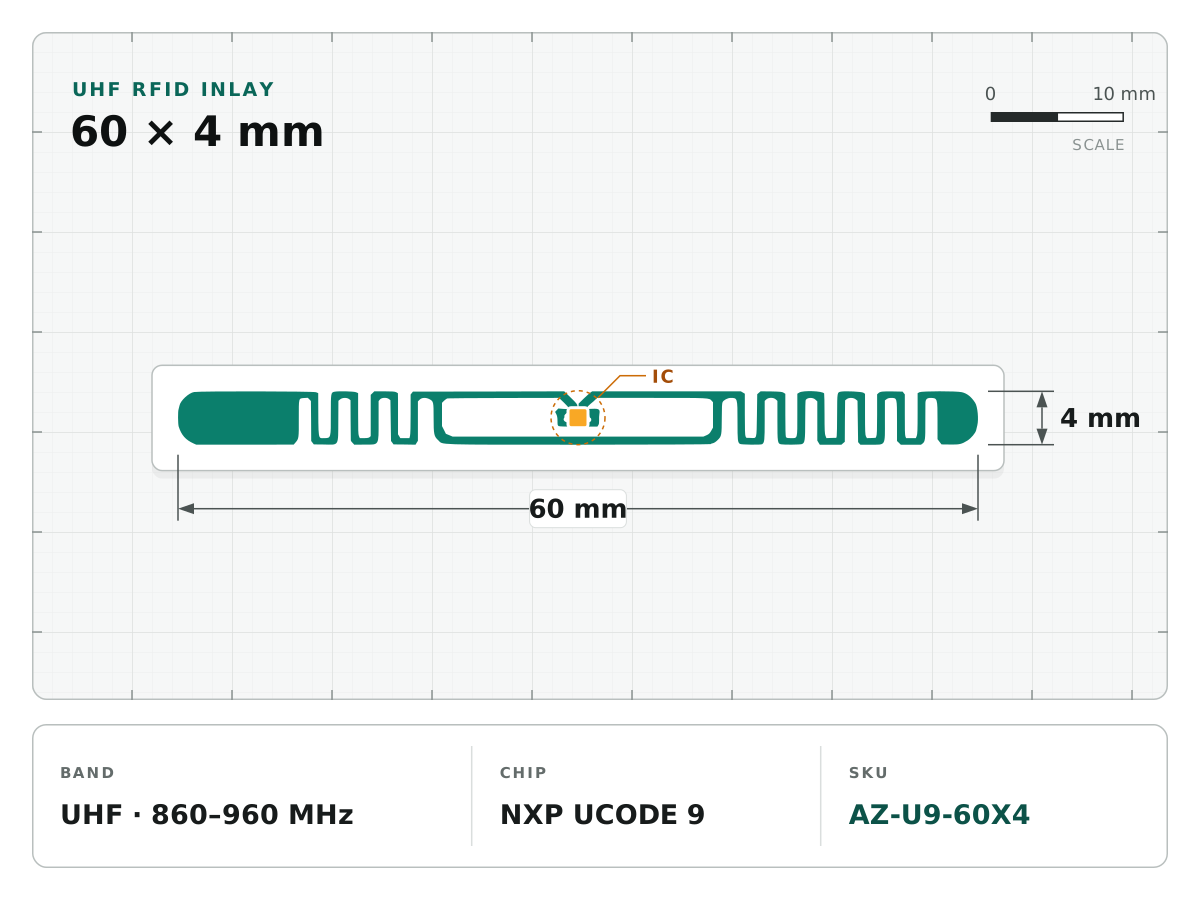
- Complete tag: chip, antenna, conversion materials and batch.
- Item: mounting surface, contents and tag position.
- Geometry: distance, approach direction, angle and movement speed.
- Surroundings: racks, floor reflections, other readers and neighboring tags.
Use the same settings for candidate comparisons. Increasing power for one sample hides differences and can expand unwanted read zones.
Material and placement often dominate
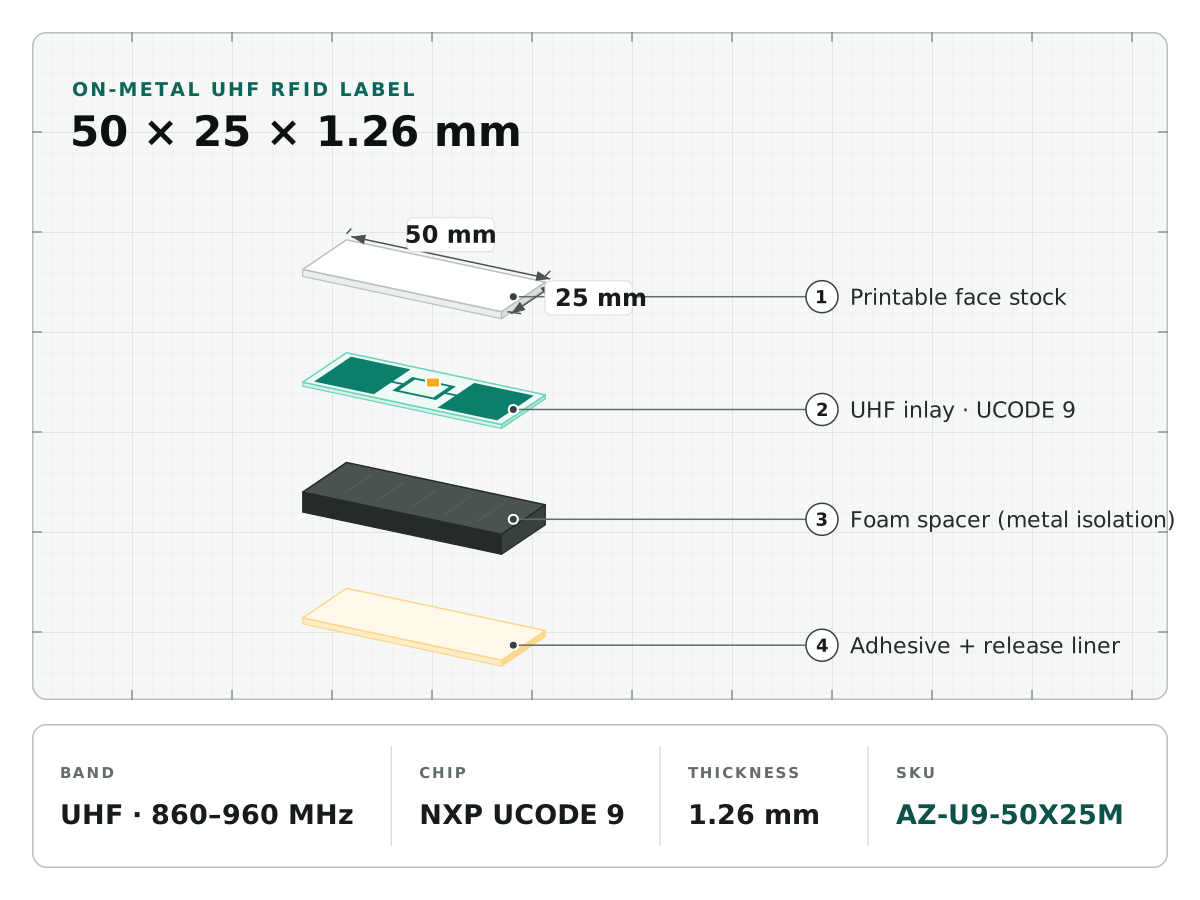
A label on an empty box and the same label on a filled box can behave differently. Foil, metal parts and water-rich contents deserve separate trials. Test the full shipping configuration, including stacked items. Metal mounting calls for a designed on-metal RFID tag; ordinary UHF labels are a different construction.
Rotation also matters. Reader polarization and tag orientation interact. More antenna diversity may improve coverage, but a single impressive demonstration angle is not a robust acceptance test.
Separate range from read-zone quality
The longest detectable distance is rarely the operating requirement. At a dock, you may need every intended carton identified while cartons on the next lane remain excluded. Measure missed items, false inclusions and time to complete an inventory separately. Count unique identities rather than repeated read events.
Record where failures occur. A reflection-related blind spot can remain at a short distance even though the label reads farther away. Test multiple positions, approach directions and antenna arrangements before selecting a larger tag.
A repeatable sample procedure
Apply several candidate sizes to representative finished items. Fix the reader setup and photograph the layout. Start with isolated items, then repeat at realistic density and movement speed. Include difficult orientations and items outside the desired zone. Repeat on different samples so one unusually favorable tag does not decide the purchase.
A reference range should always state its conditions. Antenza treats catalog distances as reference values, with lab-reference wording for values above 12 m. Send the required geometry and item details through the engineering inquiry to choose candidates for an on-site trial.