 UHF
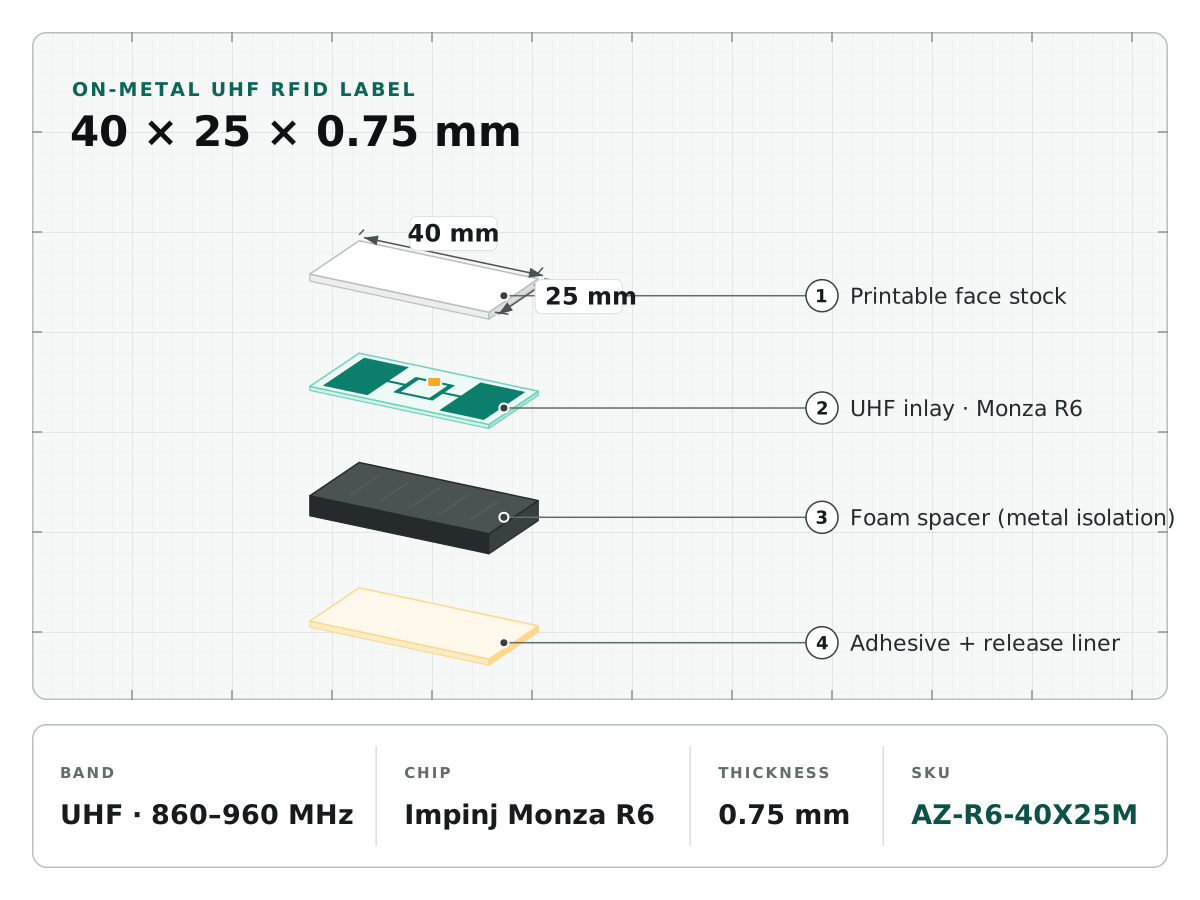
UHF AZ-R6-40X25M
Monza R6 On-Metal RFID Tag, 40 × 25 × 0.75 mm
- Chip
- Impinj Monza R6
- Antenna size
- 40 × 25 mm
Tag family
Thin foam-spacer UHF labels designed for direct mounting on flat metal assets.
Metal changes the electrical environment of a tag antenna. A standard inlay placed directly on steel or aluminium can become detuned and lose its usable read response. An on-metal RFID label separates the antenna from the mounting surface using a purpose-designed structure. The foam-spacer designs in this collection are intended for direct attachment to metal, making them a practical option for equipment, cabinets, tools and IT assets where a conventional paper label cannot provide reliable RF performance.
Begin by measuring the flat area available on the asset. The label needs enough room to sit securely, and its position should support the direction from which your reader approaches. The size and shape of the metal object matter, as do nearby metal parts, covers and obstructions. A result measured on a large flat plate is a reference for comparison, not a promise that the same distance will be achieved on a small component or recessed equipment panel.
Compare the chip, footprint and total thickness in each product record. The collection includes different Monza and UCODE chip choices; they are not interchangeable specifications. Memory and sensitivity come from the chip datasheet, while the complete label needs application testing. A thin label may be easier to fit into a confined location, but choosing the thinnest option without testing can overlook the mounting surface and the RF requirements of the workflow.
Printing and EPC encoding let the visible asset number, barcode and electronic identifier follow your own numbering scheme. Specify the face artwork and the data to be written, including any locking requirement. Before a volume order, apply samples to cleaned, dry surfaces and test them with your handheld, portal or fixed reader. Check reads at the expected distance and orientation, with doors and covers in their normal positions. Share the operating environment and handling conditions so we can assess the label construction and adhesive with you.
Read distances are reference values; validate on your own items and reader setup.
Showing 10 of 10 products
UHF AZ-R6-40X25M
 UHF
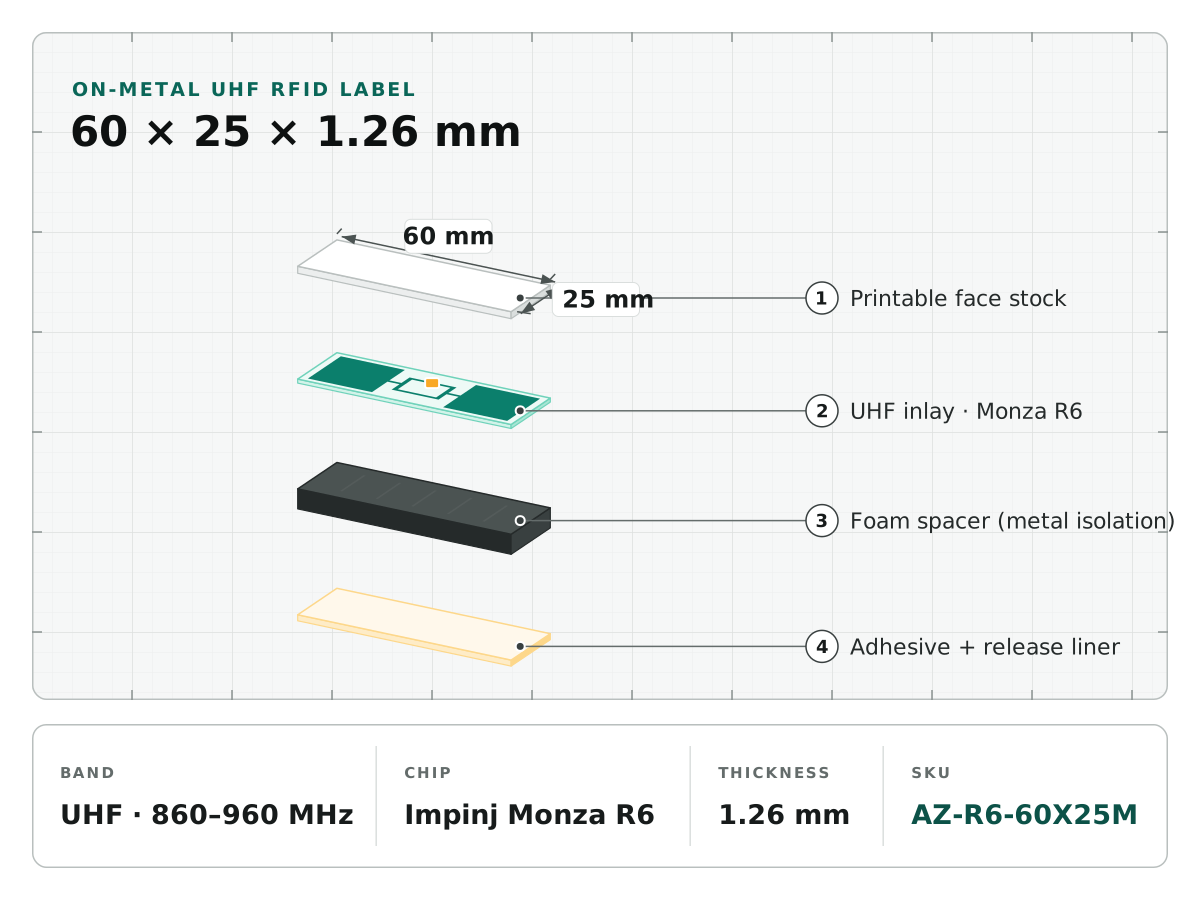
UHF AZ-R6-60X25M
 UHF
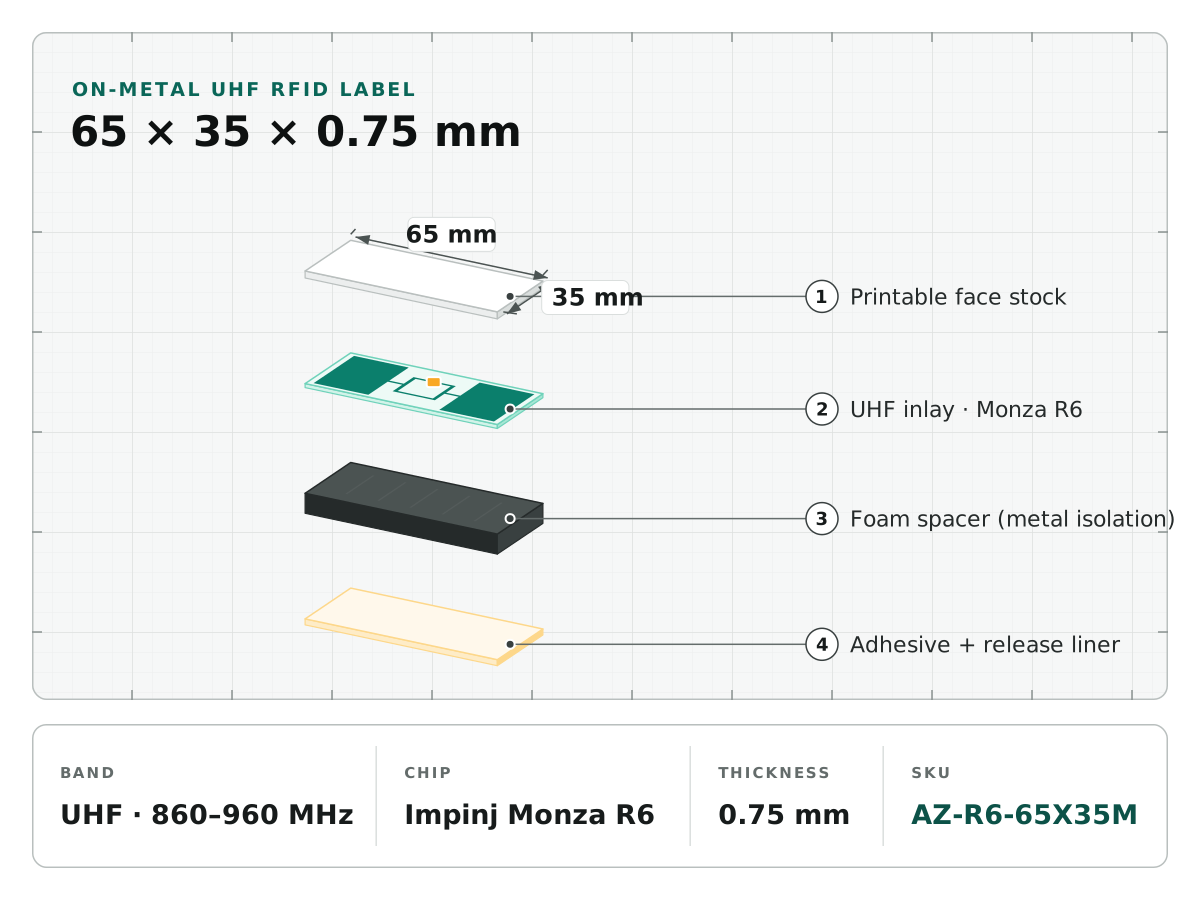
UHF AZ-R6-65X35M
 UHF
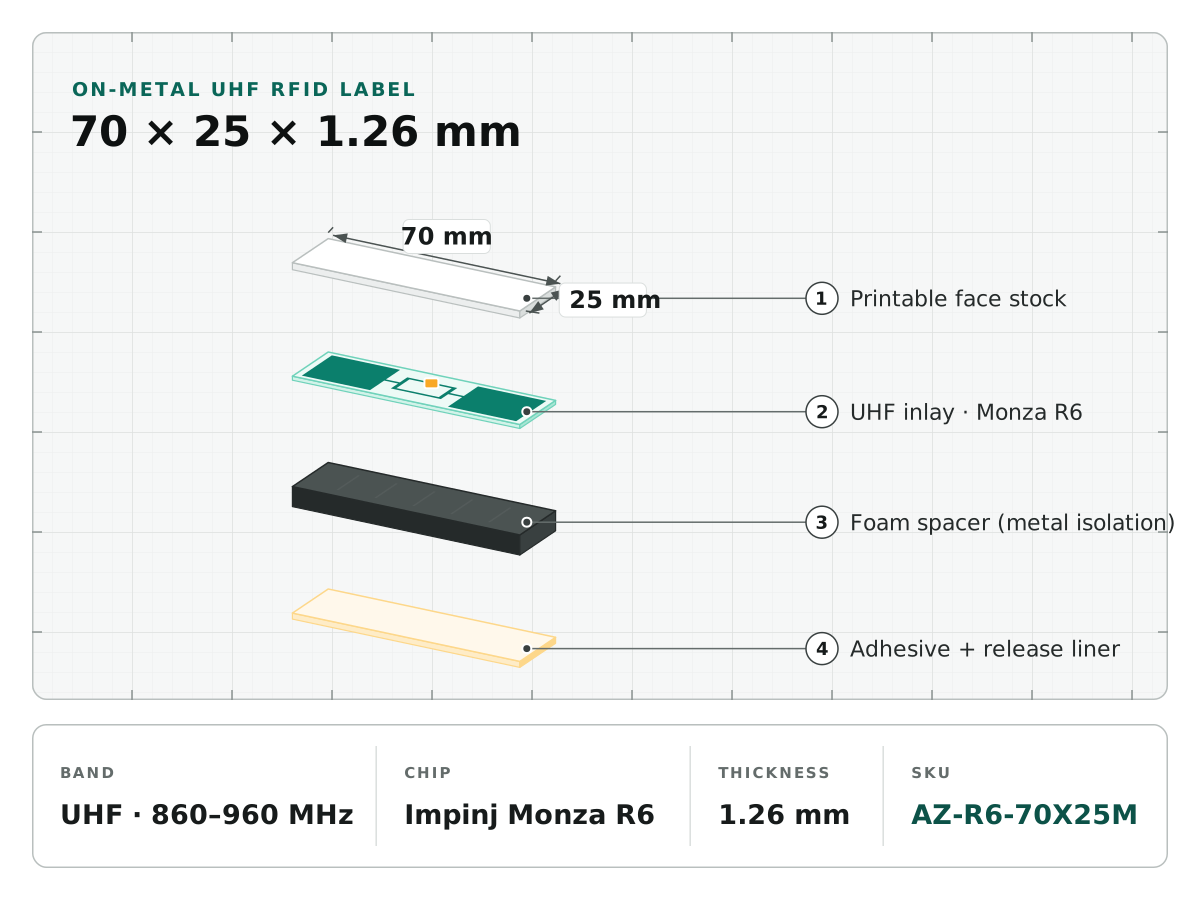
UHF AZ-R6-70X25M
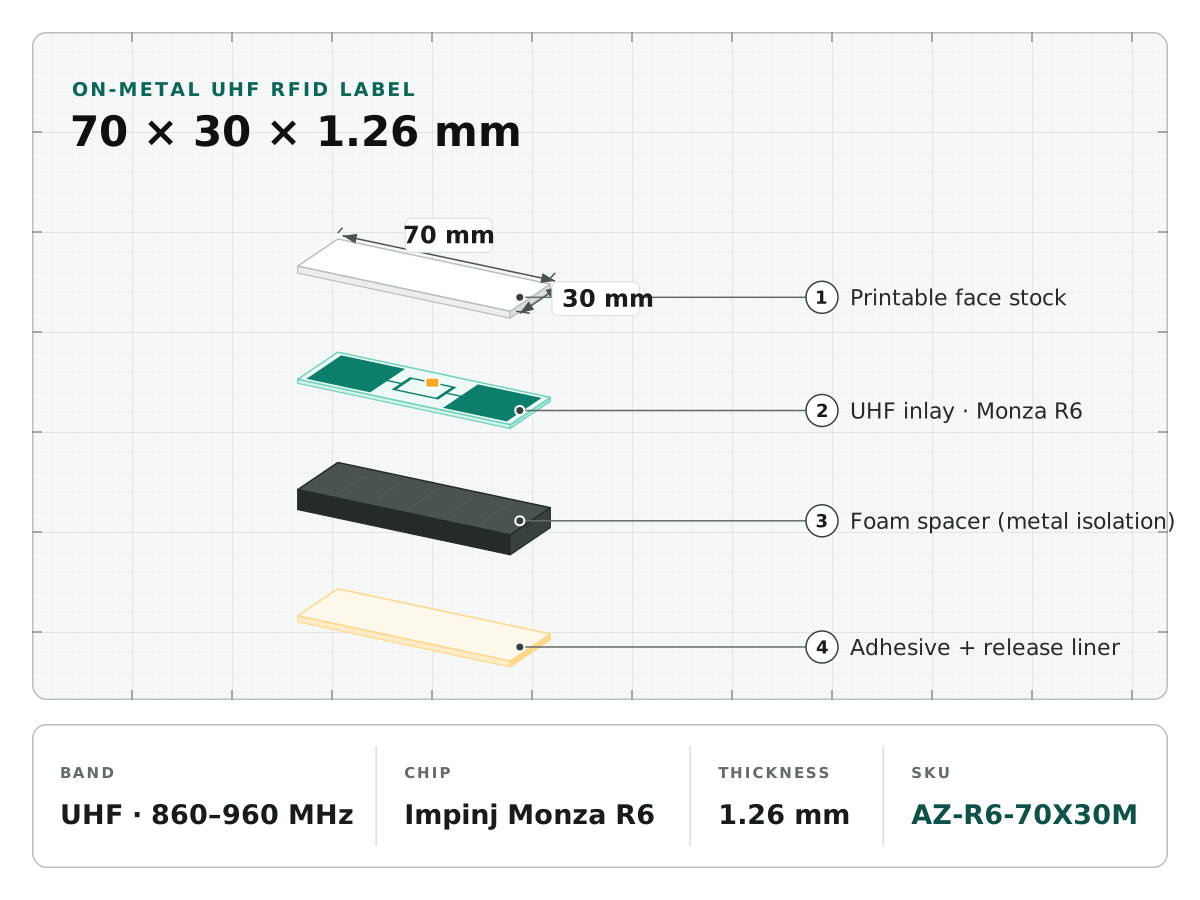 UHF
UHF AZ-R6-70X30M
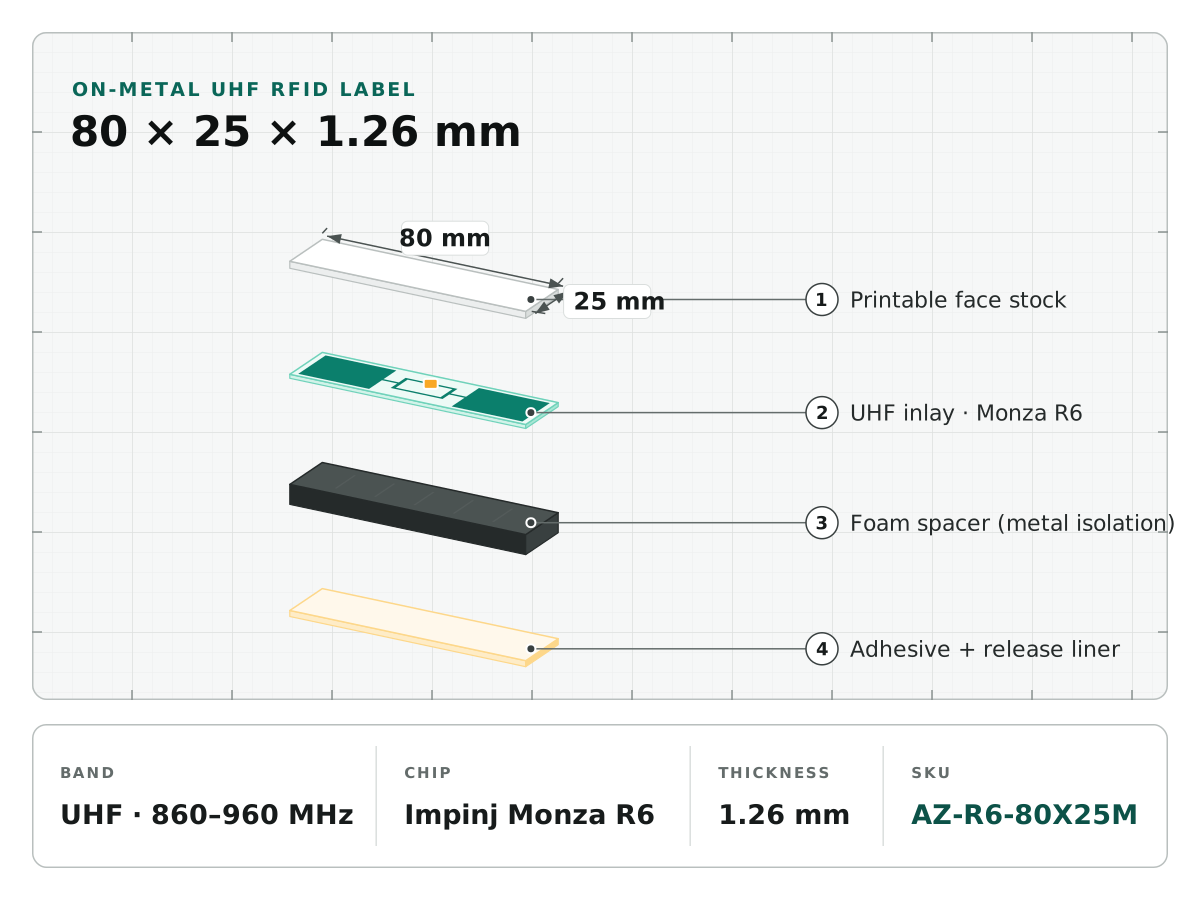 UHF
UHF AZ-R6-80X25M
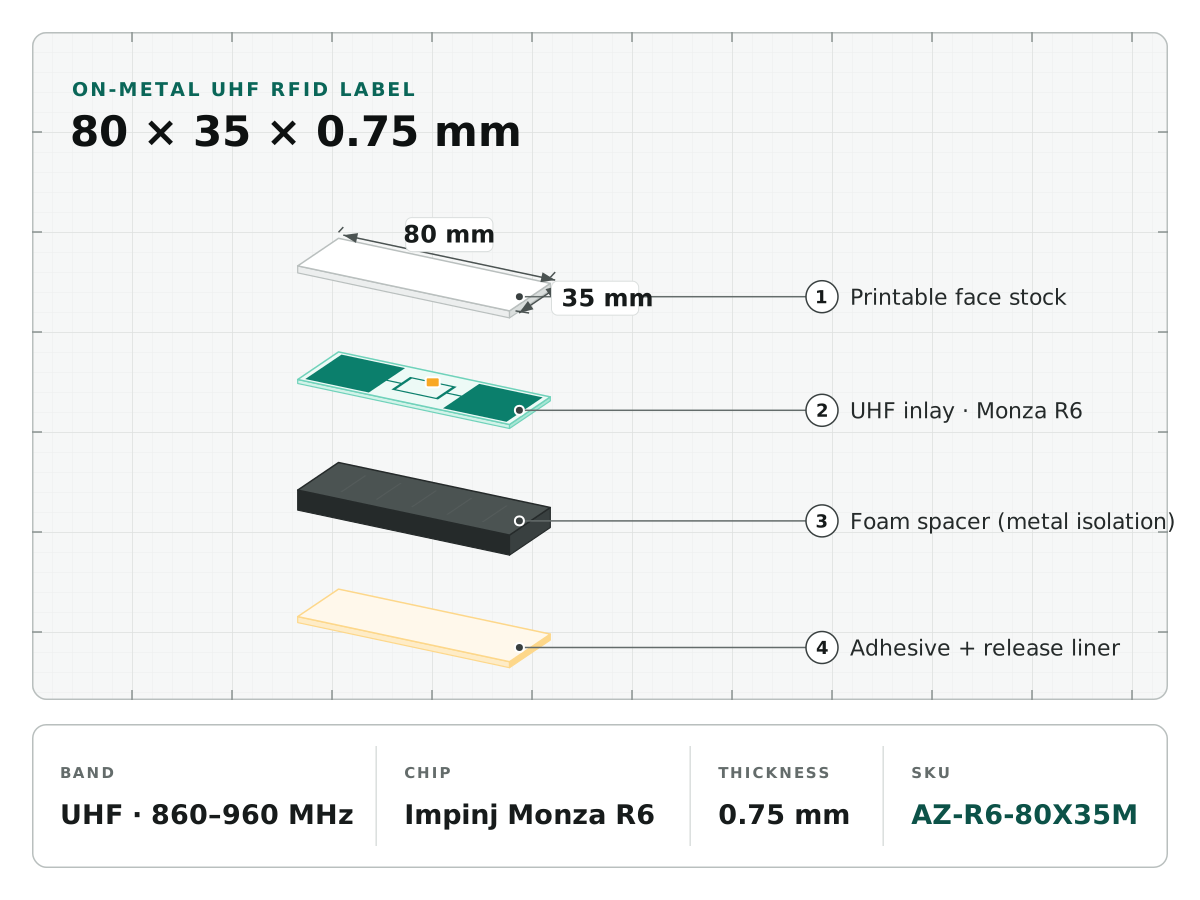 UHF
UHF AZ-R6-80X35M
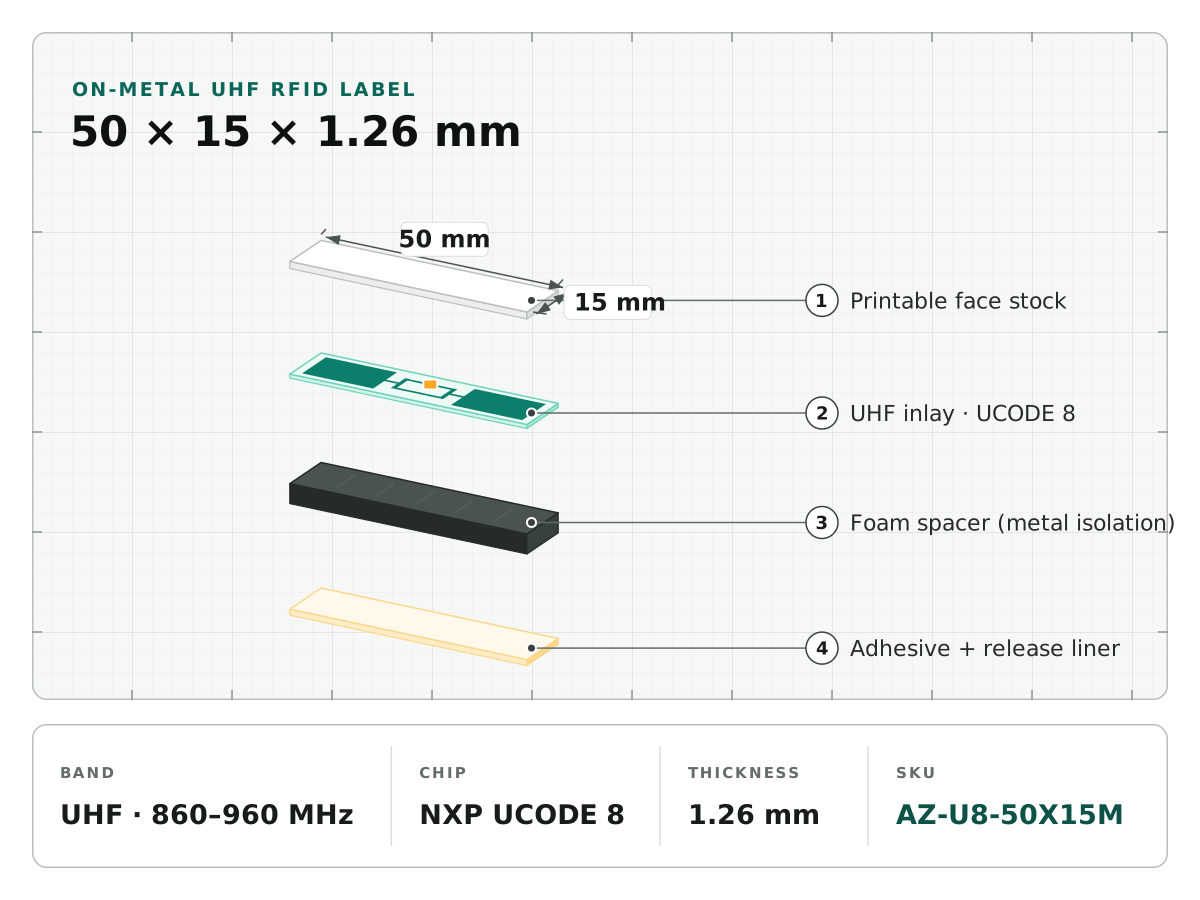 UHF
UHF 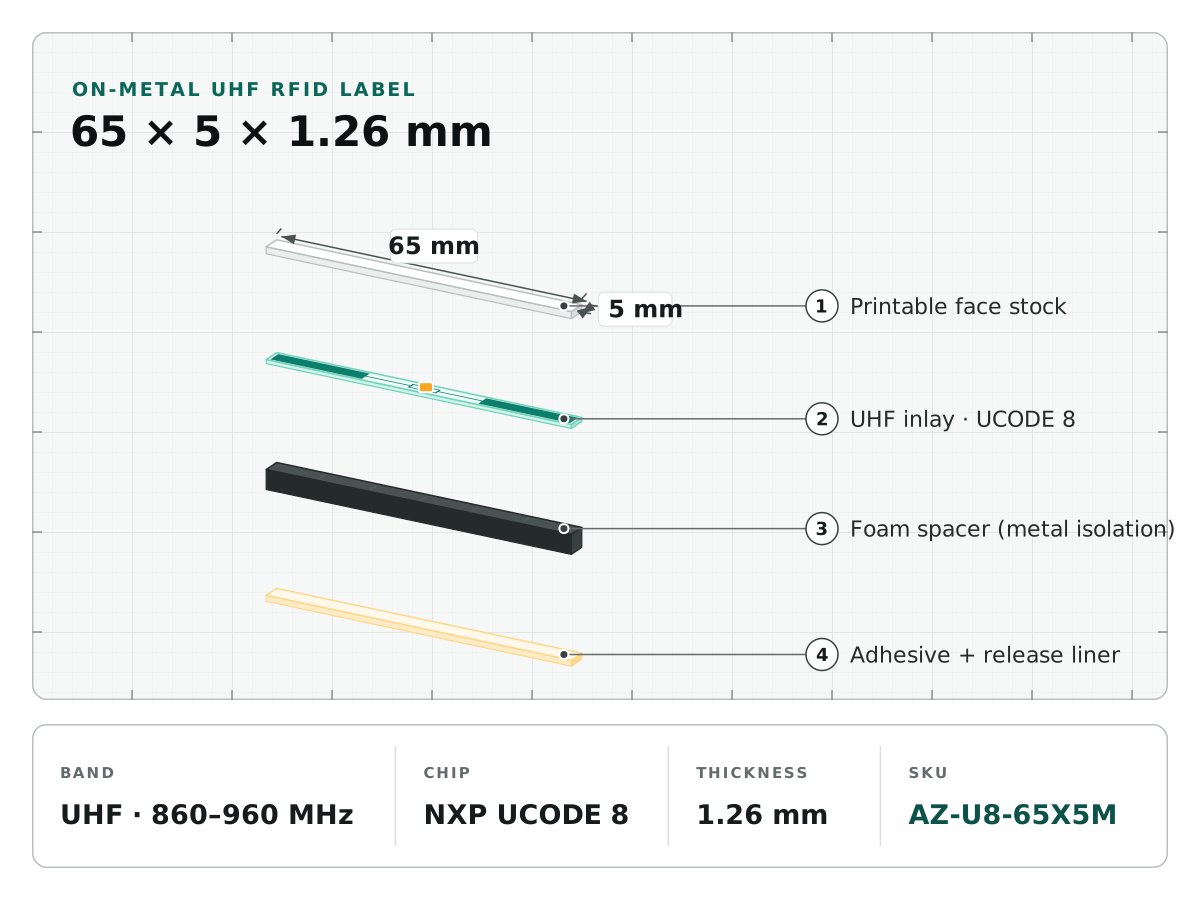 UHF
UHF 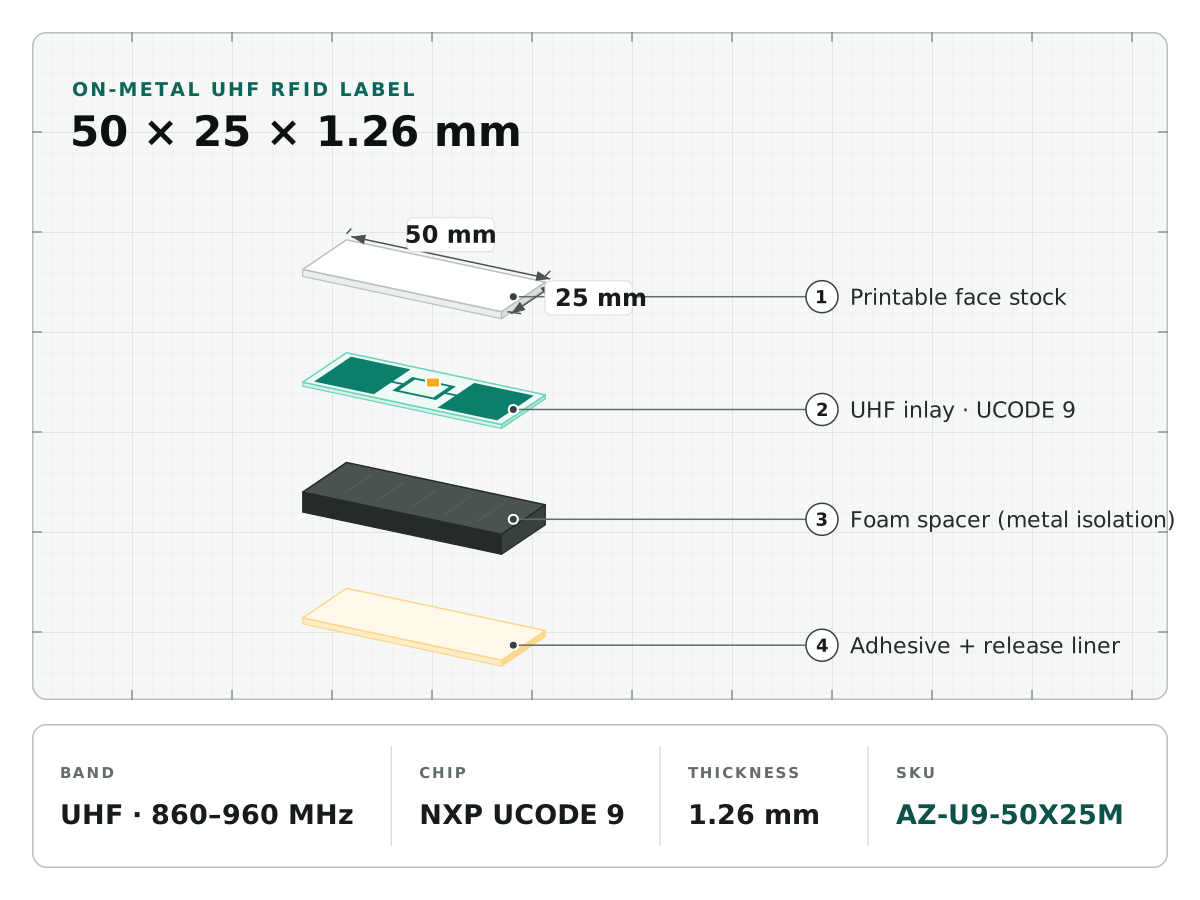 UHF
UHF No product matches these filters.
Ask an engineer for a custom optionShare surface, read distance, chip preference and volume. We shortlist tags that fit.
Receive sample tags of the shortlisted designs to try in your own setup.
Test on your items, readers and printers. We adjust chip, size or format if needed.
Volume production with 100% inline electrical test, then export shipping.
Choose an on-metal RFID label by mounting surface, available area, thickness and reader workflow. Test the complete structure before approving bulk supply.
RFID read range depends on the complete system. Control power, antenna, surface, orientation and reader settings when comparing labels on real objects.
Talk to an RFID engineer
Send the surface, read distance and volume. An engineer replies within 24 hours with a recommendation and a sample plan.
Email us: sales@antenza.com