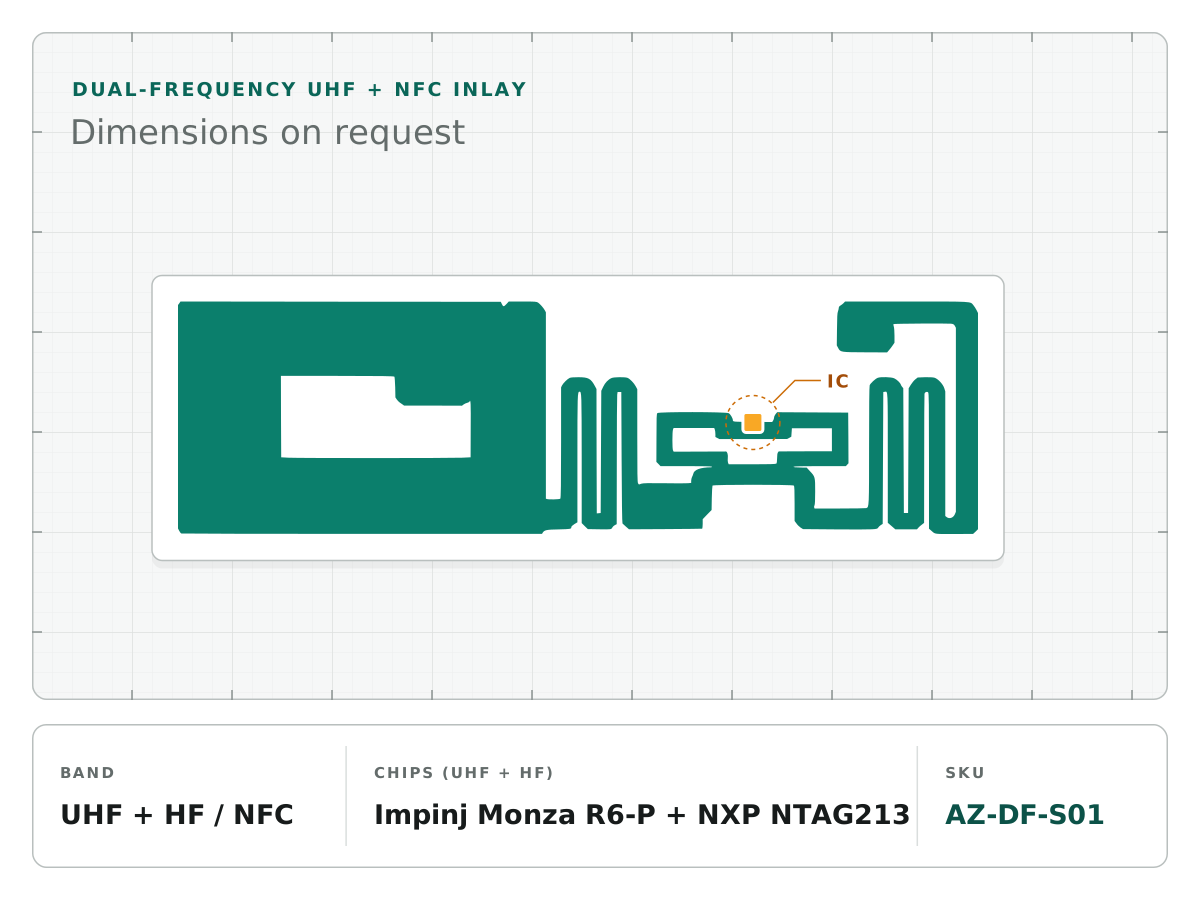
 UHF + NFC
 AZ-DF-S01
Monza R6-P + NTAG213 Dual-Frequency Tag, AZ-DF-S01
- Chips (UHF + HF)
- Monza R6-P + NTAG213
- Antenna size
- On request
Tag family
Short-range phone interactions and dedicated HF workflows, matched to the right chip protocol.
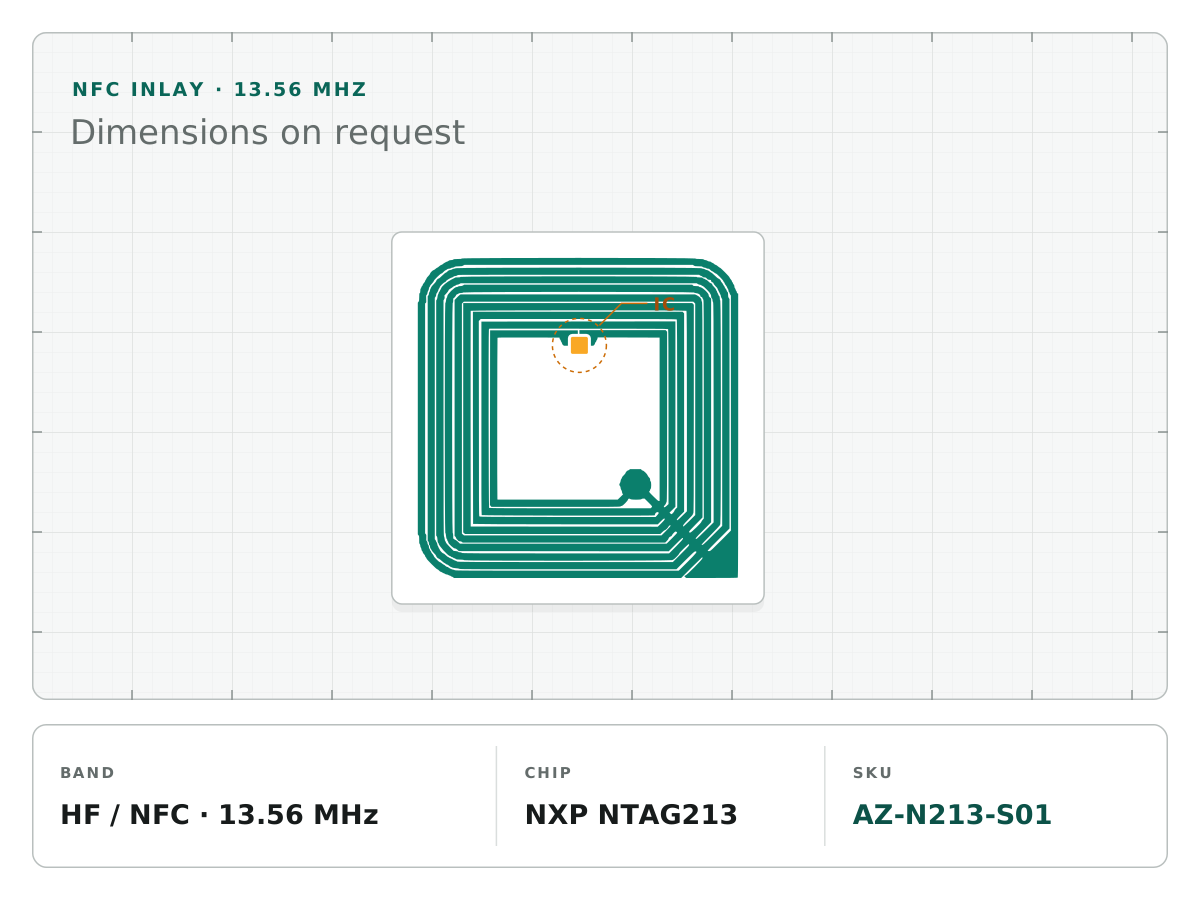
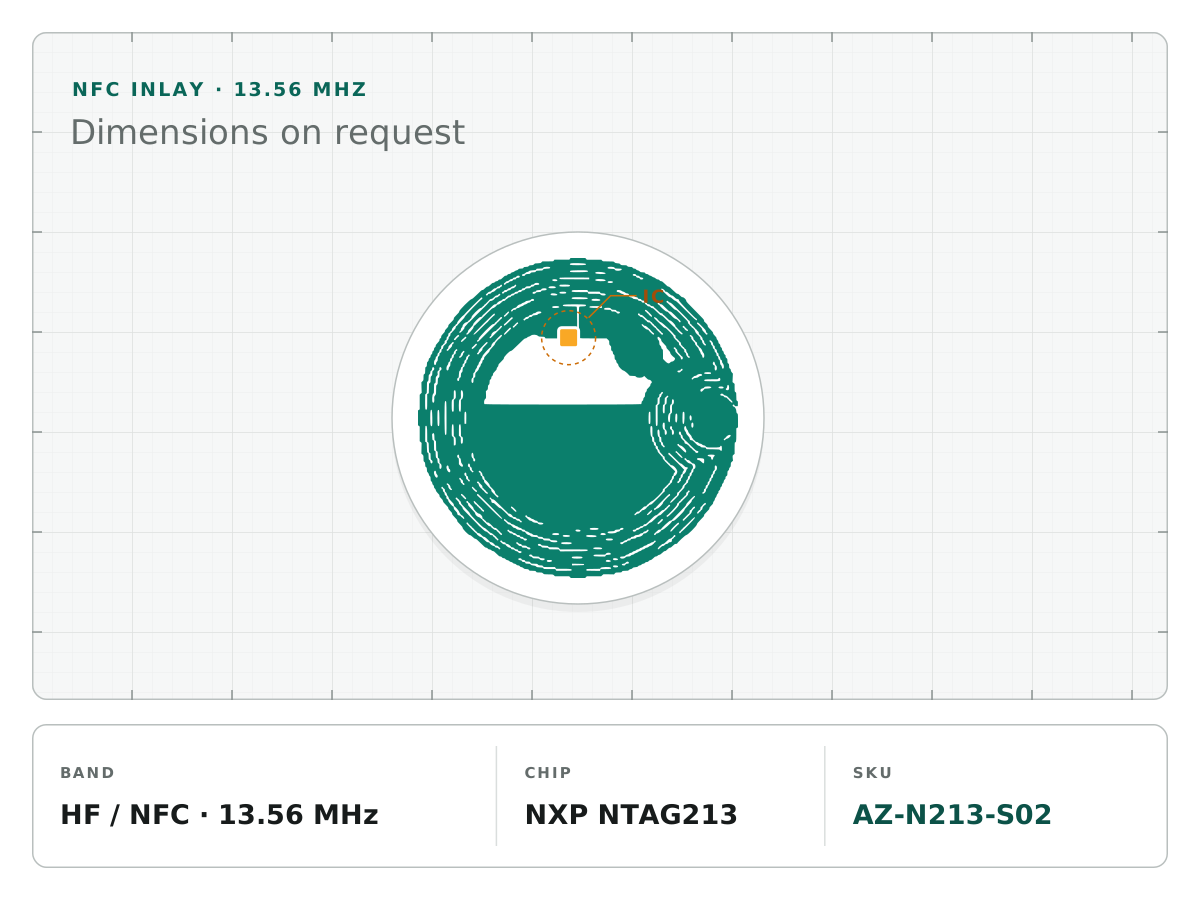
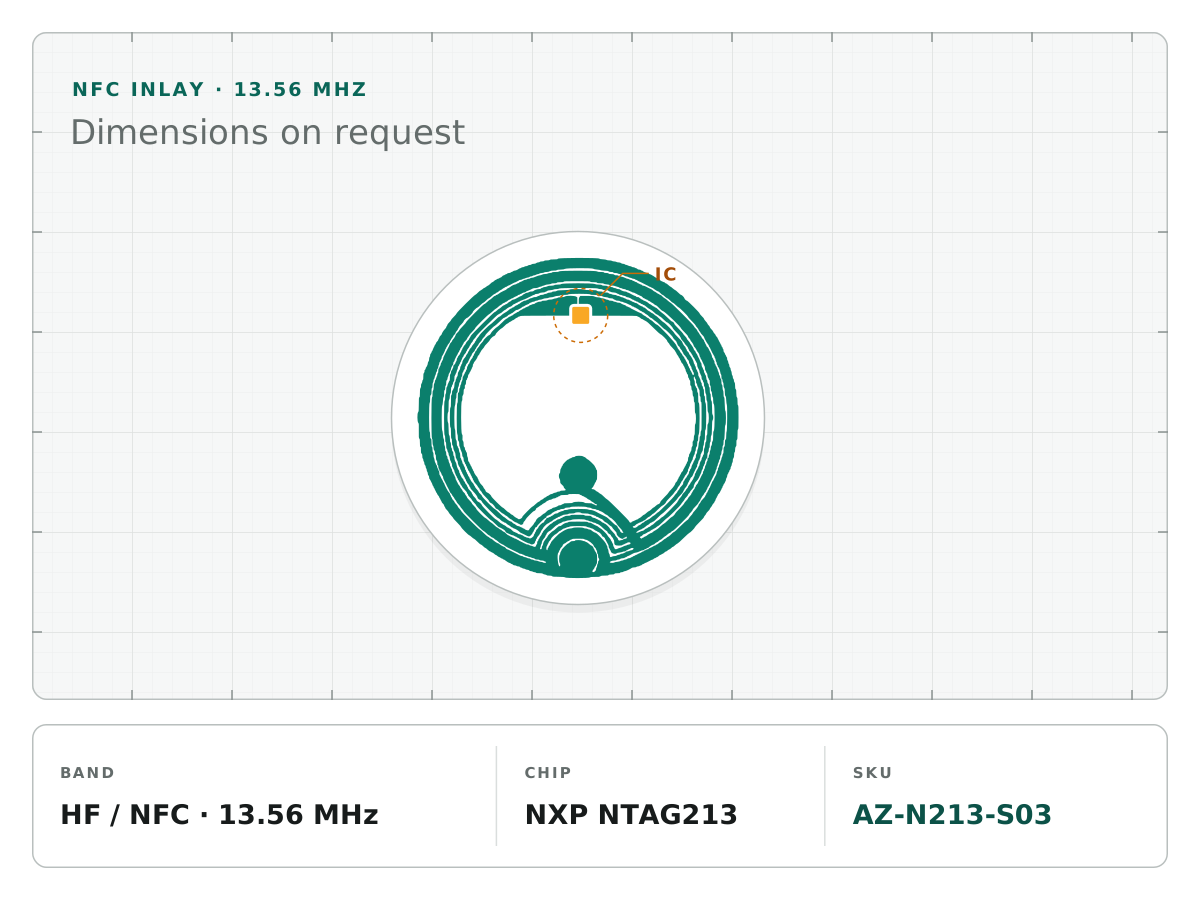
NFC and HF RFID tags operate at 13.56 MHz, but frequency alone does not establish compatibility. The protocol and NFC Forum tag type determine which reader or phone can communicate with the chip. This collection covers NTAG213 and MIFARE Ultralight EV1 designs using ISO/IEC 14443-A and NFC Forum Type 2, plus ICODE SLIX and SLIX2 designs using ISO/IEC 15693 and NFC Forum Type 5. Select the protocol your system supports before comparing antenna shapes or ordering formats.
For consumer interactions, an NFC phone can read a compatible tag at short range. A common payload is an NDEF record containing a web address, which can point to product information, registration or a brand-owned verification service. The tag stores the data you encode; it does not automatically create an authentication platform. If anti-counterfeiting is part of the project, define how the identifier, server-side validation and physical packaging work together rather than assuming a static URL prevents copying.
Dedicated HF readers are often used for library circulation, pharmaceutical items and document workflows. ICODE designs should be matched to the ISO 15693 system in use, including its inventory and data requirements. Do not substitute a phone-oriented Type 2 chip simply because both chips work at the same frequency. Different chip families also provide different user-memory capacities and features, so check the relevant datasheet and the amount of data your payload actually needs.
Dry inlay, wet inlay and finished label formats allow the same HF antenna design to fit different converting processes. A wet inlay works as a sticker; a finished label adds a face stock for printing. The antenna area, the reader’s antenna and nearby material influence reading behaviour. Validate phone models or dedicated readers with samples applied to the intended object. Share the payload, locking policy, available footprint and surrounding materials so the sample configuration reflects the final application. Confirm the encoding and the user experience before volume production.
Read distances are reference values; validate on your own items and reader setup.
Showing 15 of 15 products
UHF + NFC AZ-DF-S01
 HF / NFC
  HF / NFC
  HF / NFC
 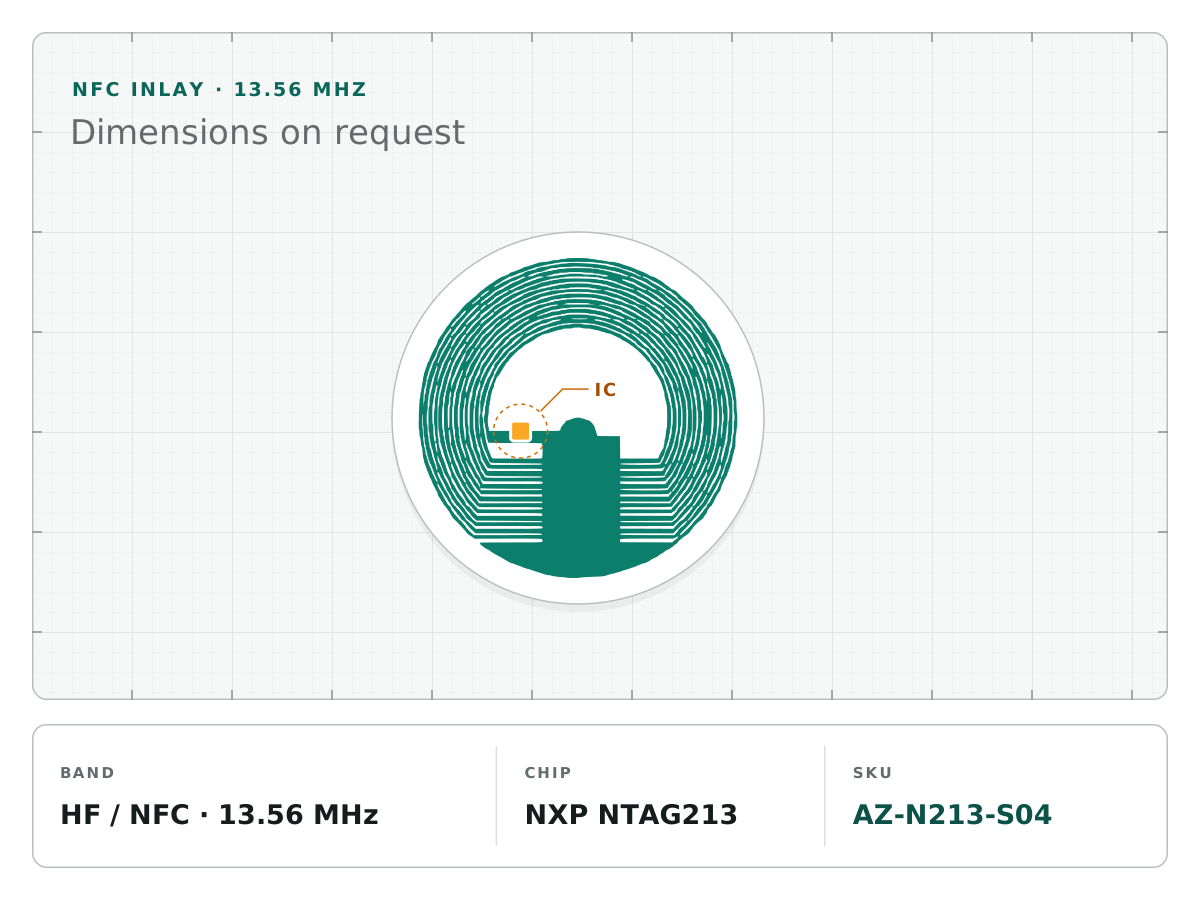 HF / NFC
 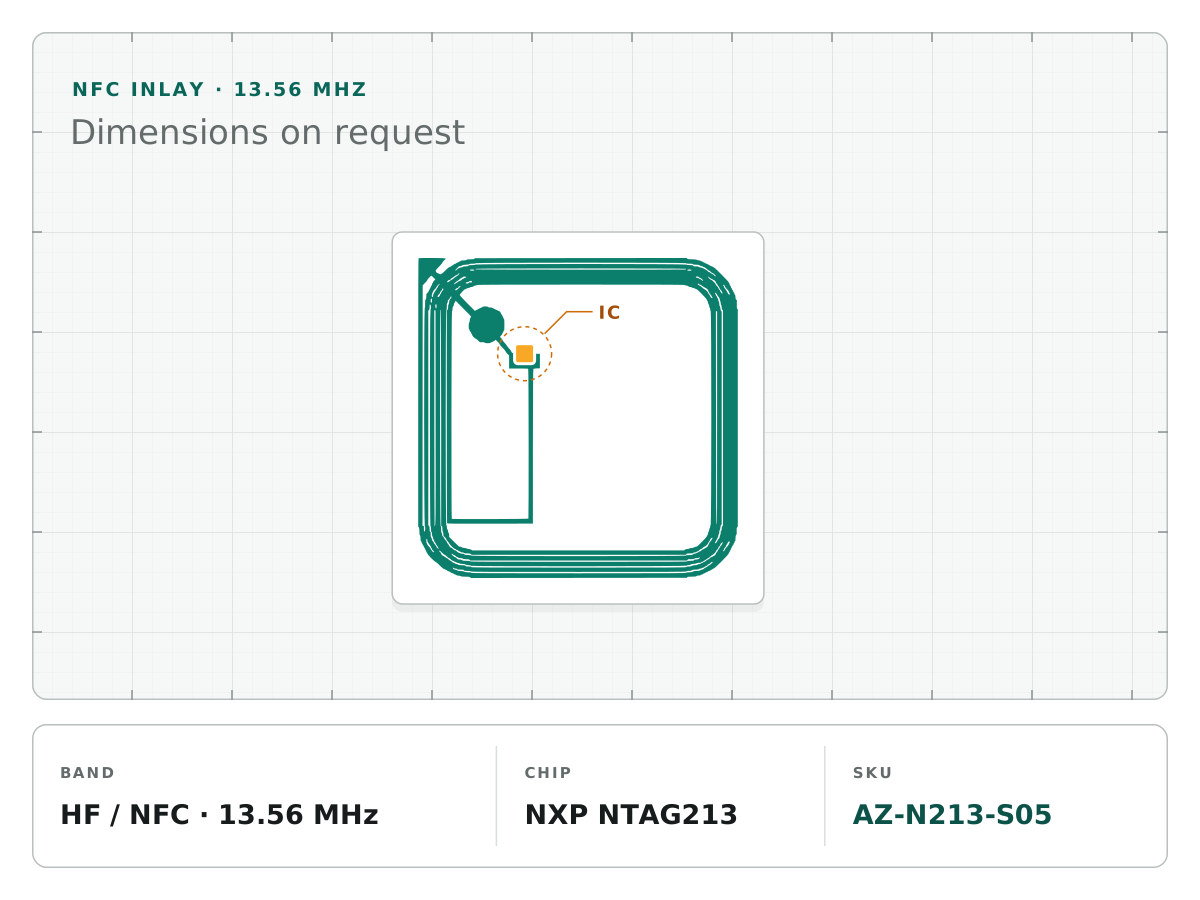 HF / NFC
 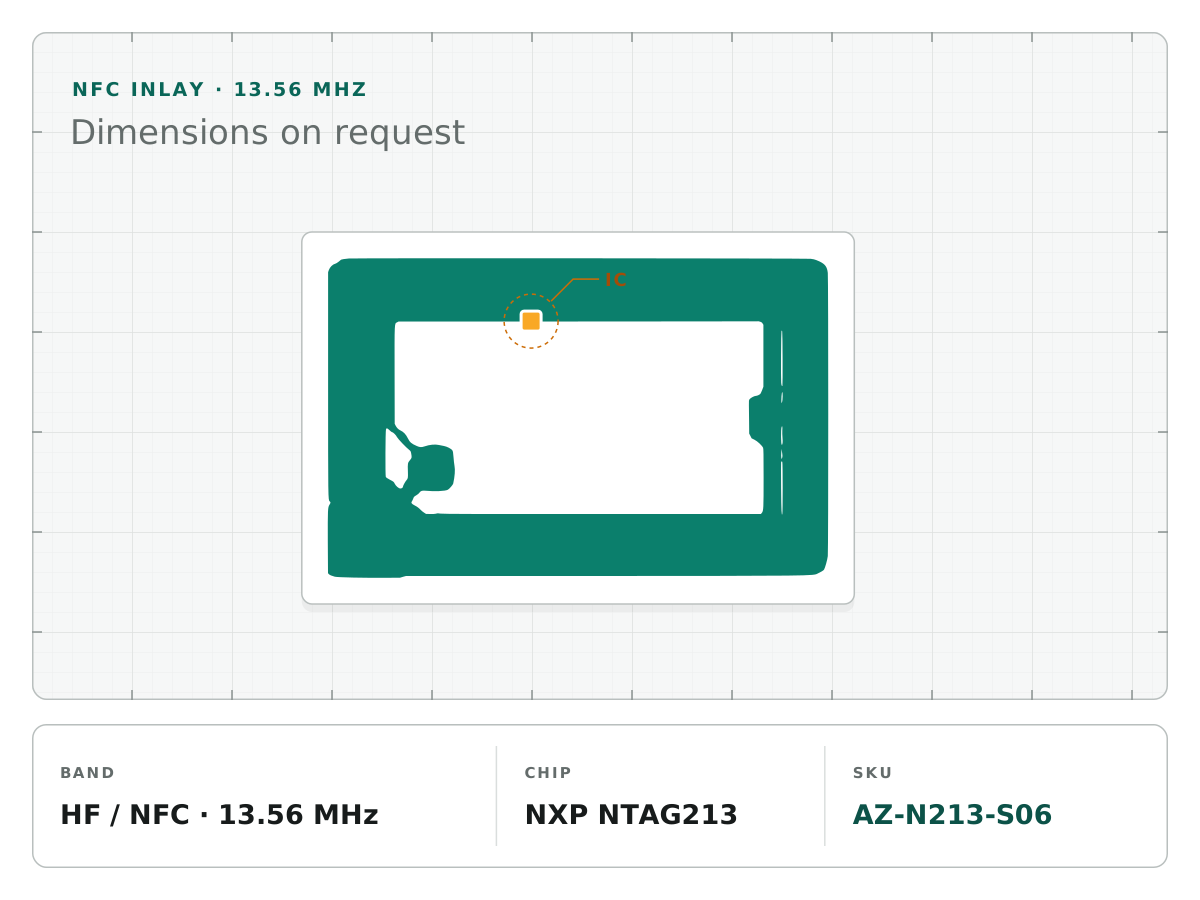 HF / NFC
 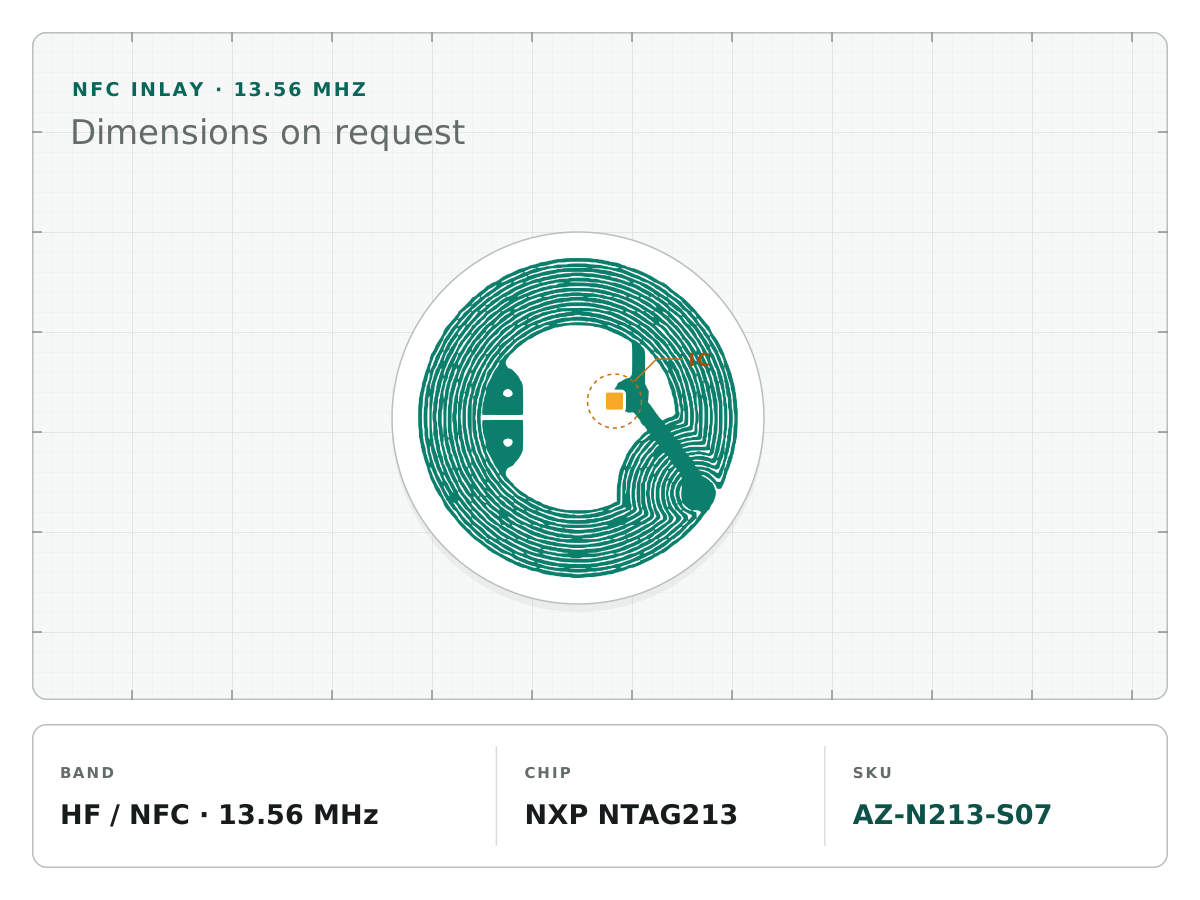 HF / NFC
 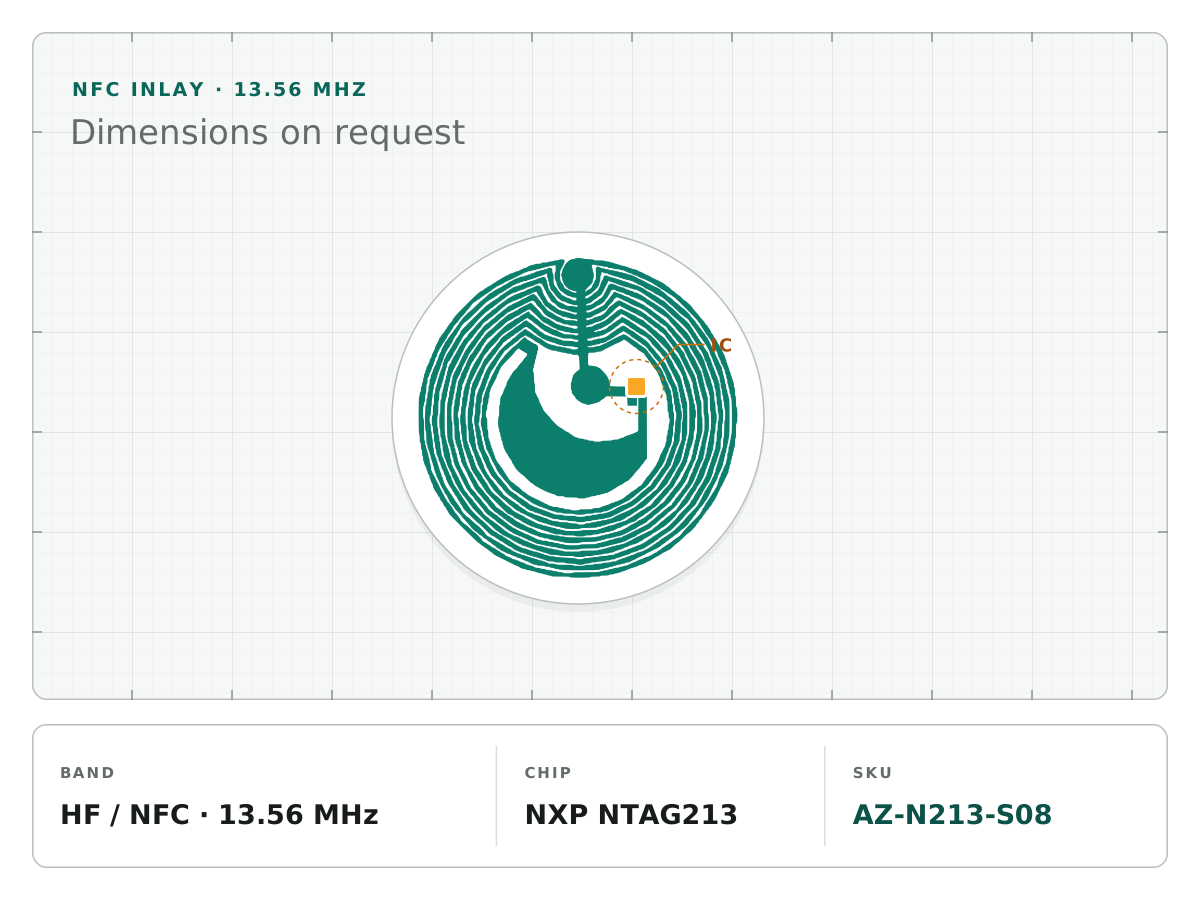 HF / NFC
 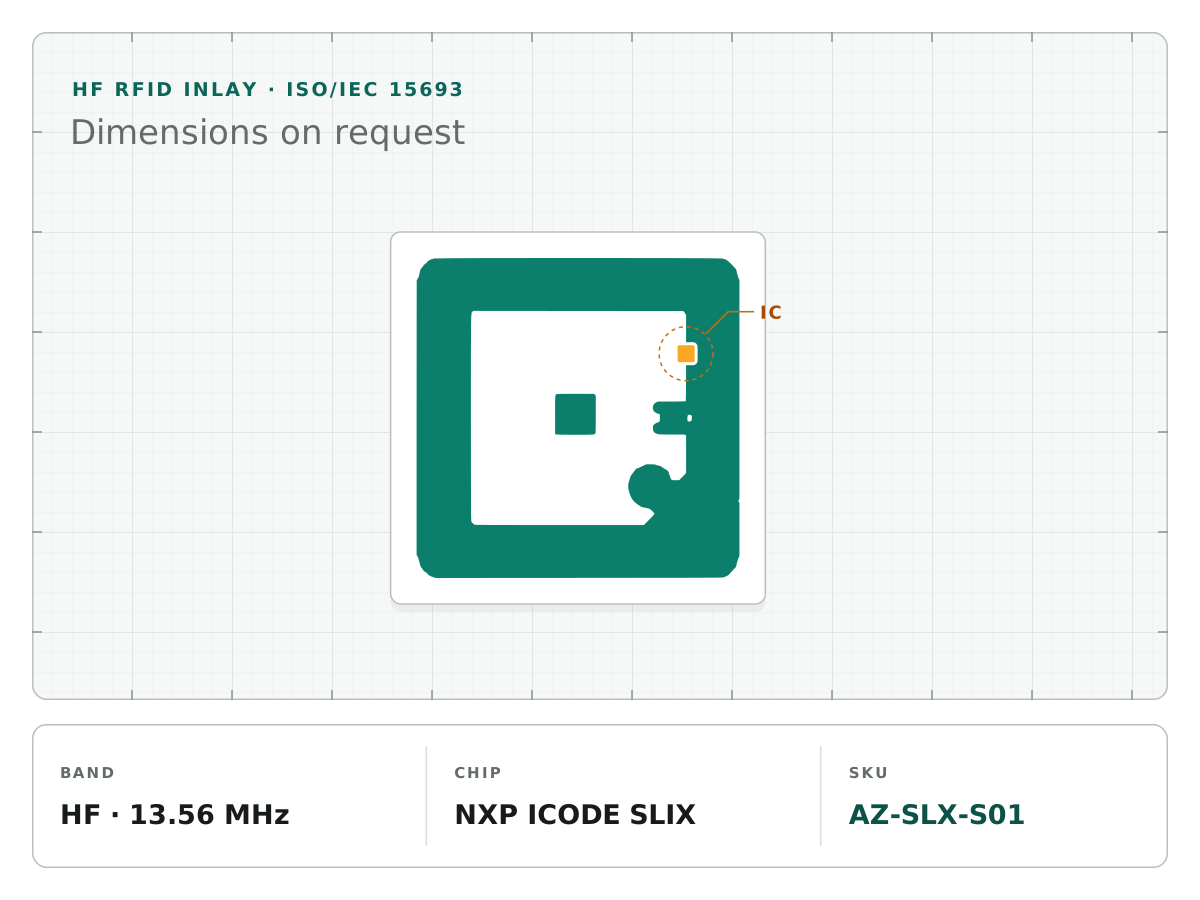 HF / NFC
 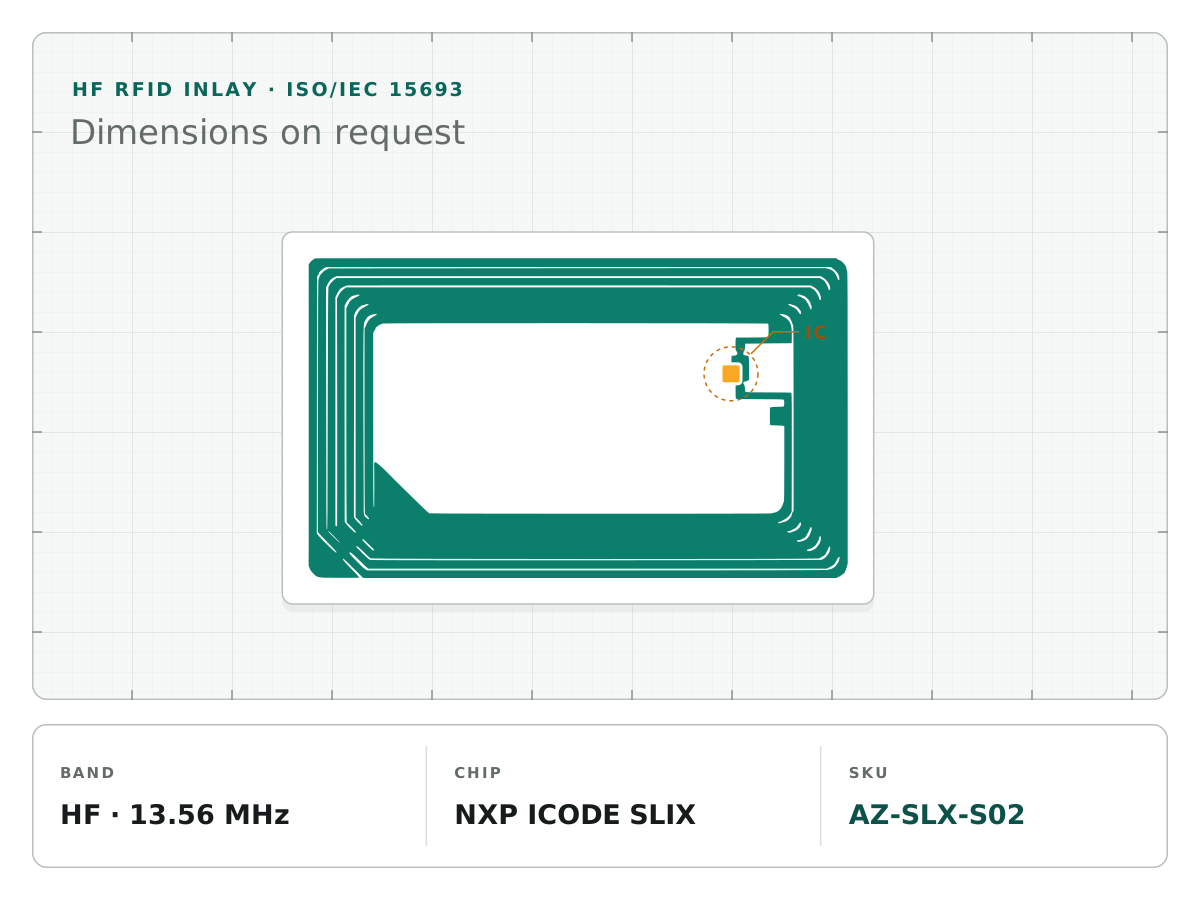 HF / NFC
 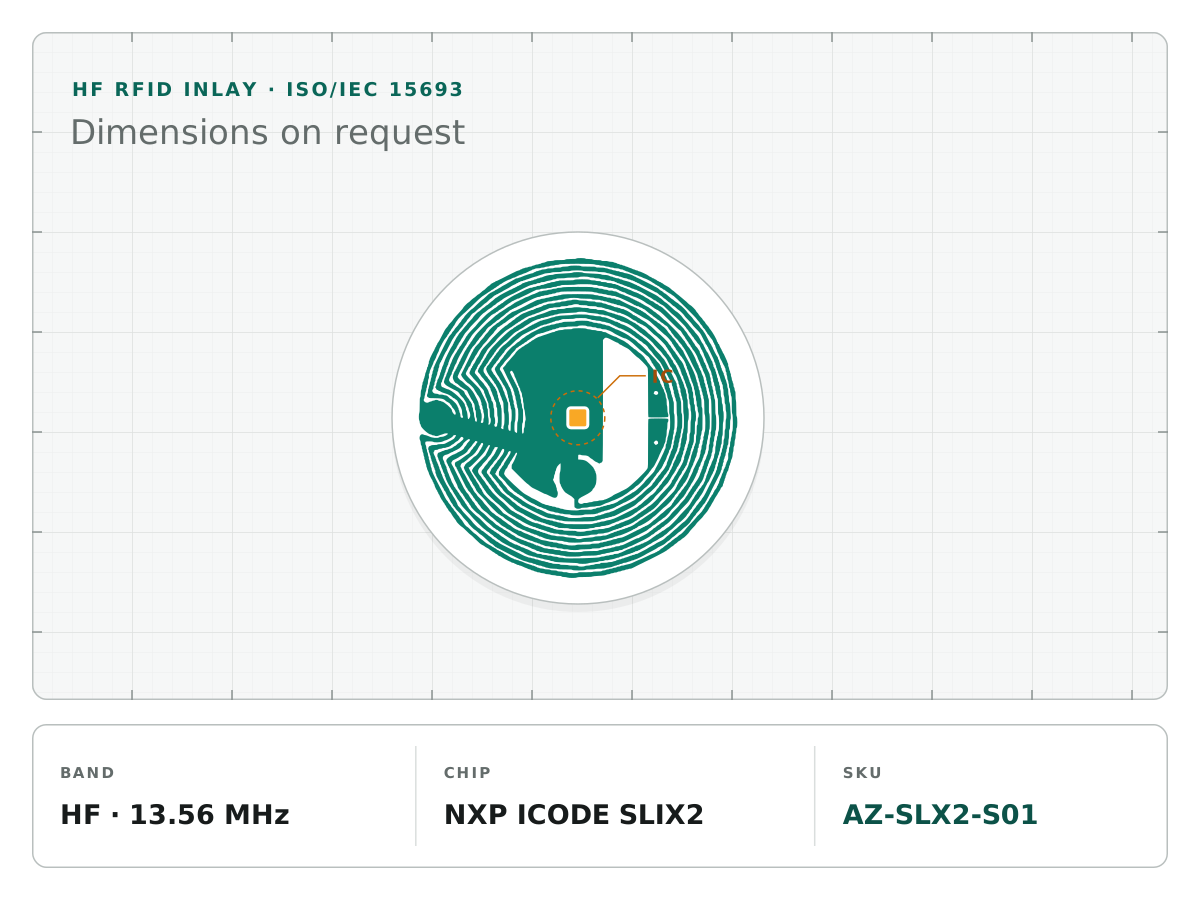 HF / NFC
 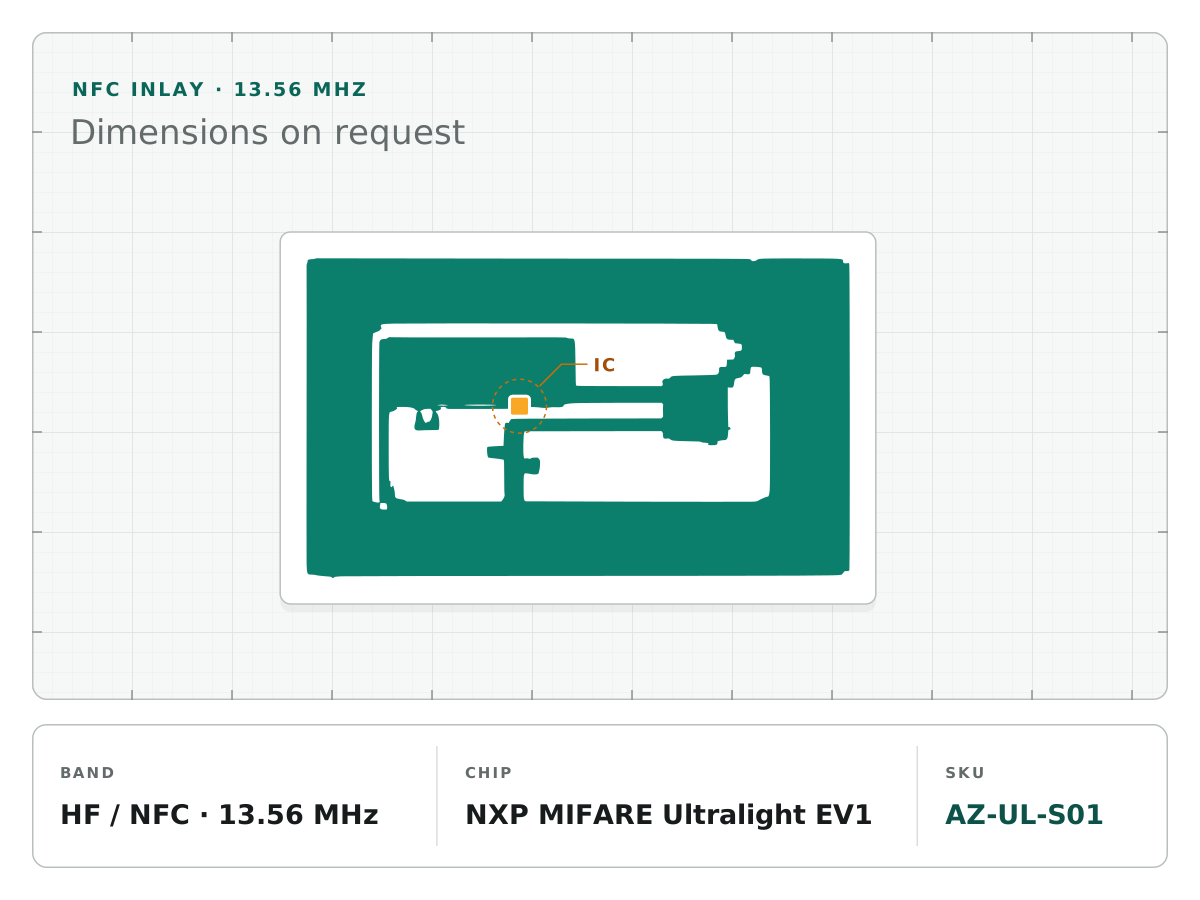 HF / NFC
 AZ-UL-S01
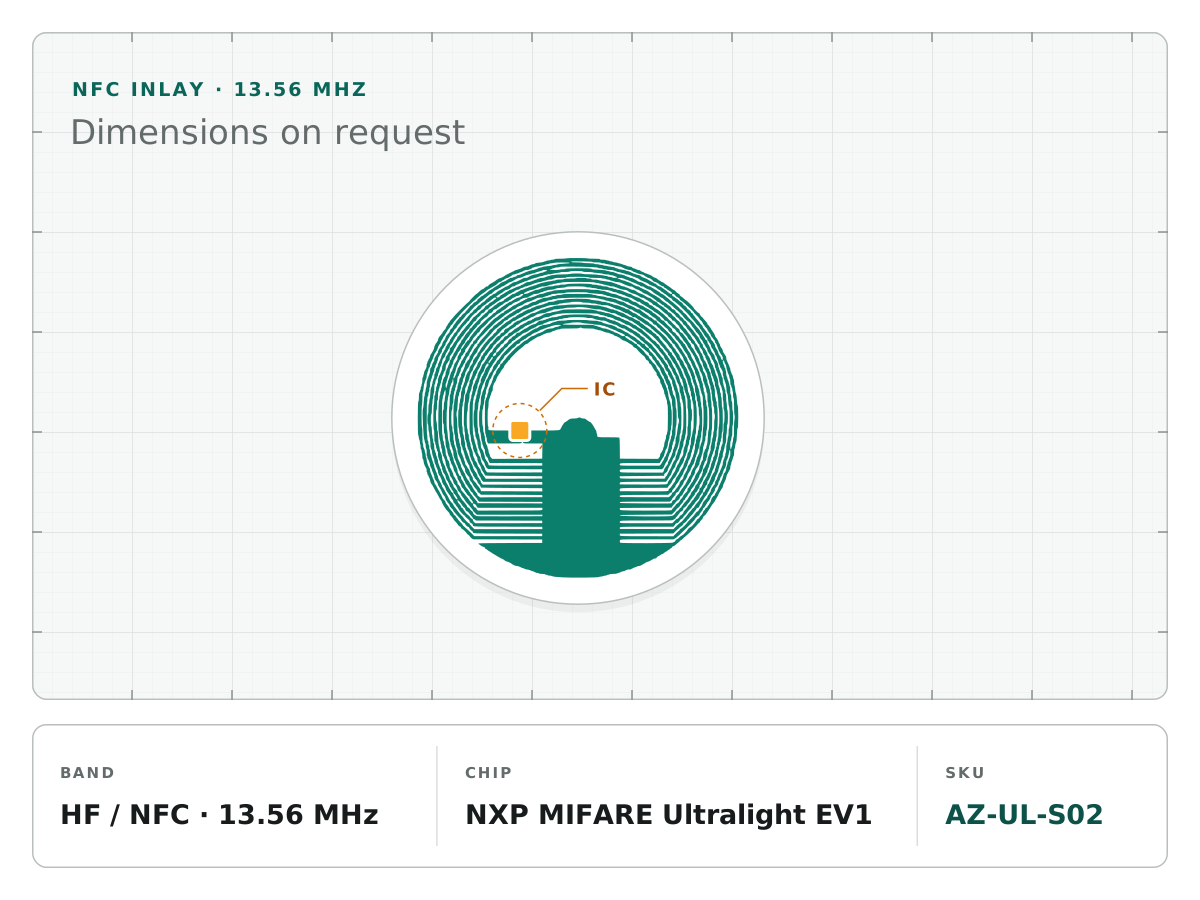 HF / NFC
 AZ-UL-S02
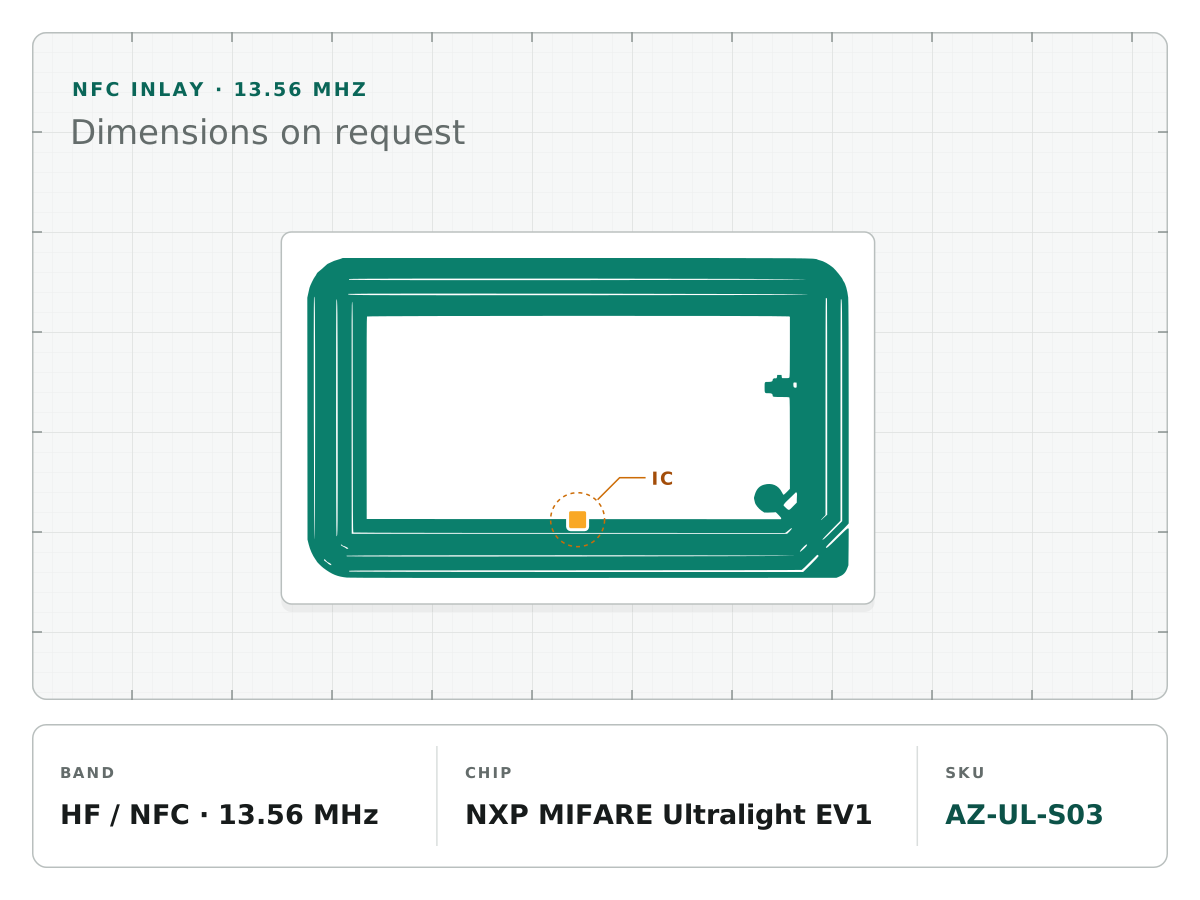 HF / NFC
 AZ-UL-S03
No product matches these filters.
Ask an engineer for a custom optionShare surface, read distance, chip preference and volume. We shortlist tags that fit.
Receive sample tags of the shortlisted designs to try in your own setup.
Test on your items, readers and printers. We adjust chip, size or format if needed.
Volume production with 100% inline electrical test, then export shipping.
Choose NTAG213, 215 or 216 by the actual NDEF payload and workflow. Check usable memory, locking and finished-tag performance before specifying NFC labels.
Build an NFC brand-protection brief around threats, tag security and a verification service. A copied URL or static UID is not proof of authenticity.
Talk to an RFID engineer
Send the surface, read distance and volume. An engineer replies within 24 hours with a recommendation and a sample plan.
Email us: sales@antenza.com