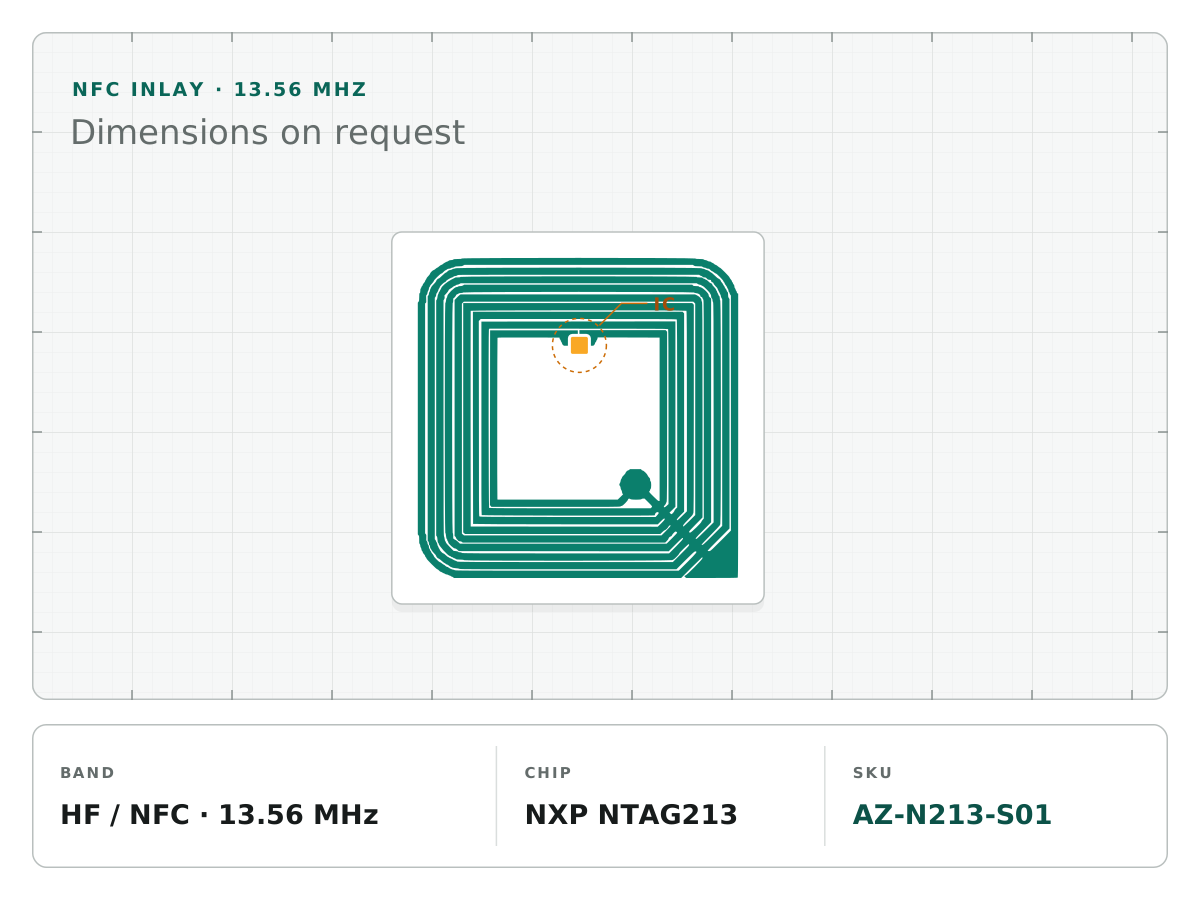
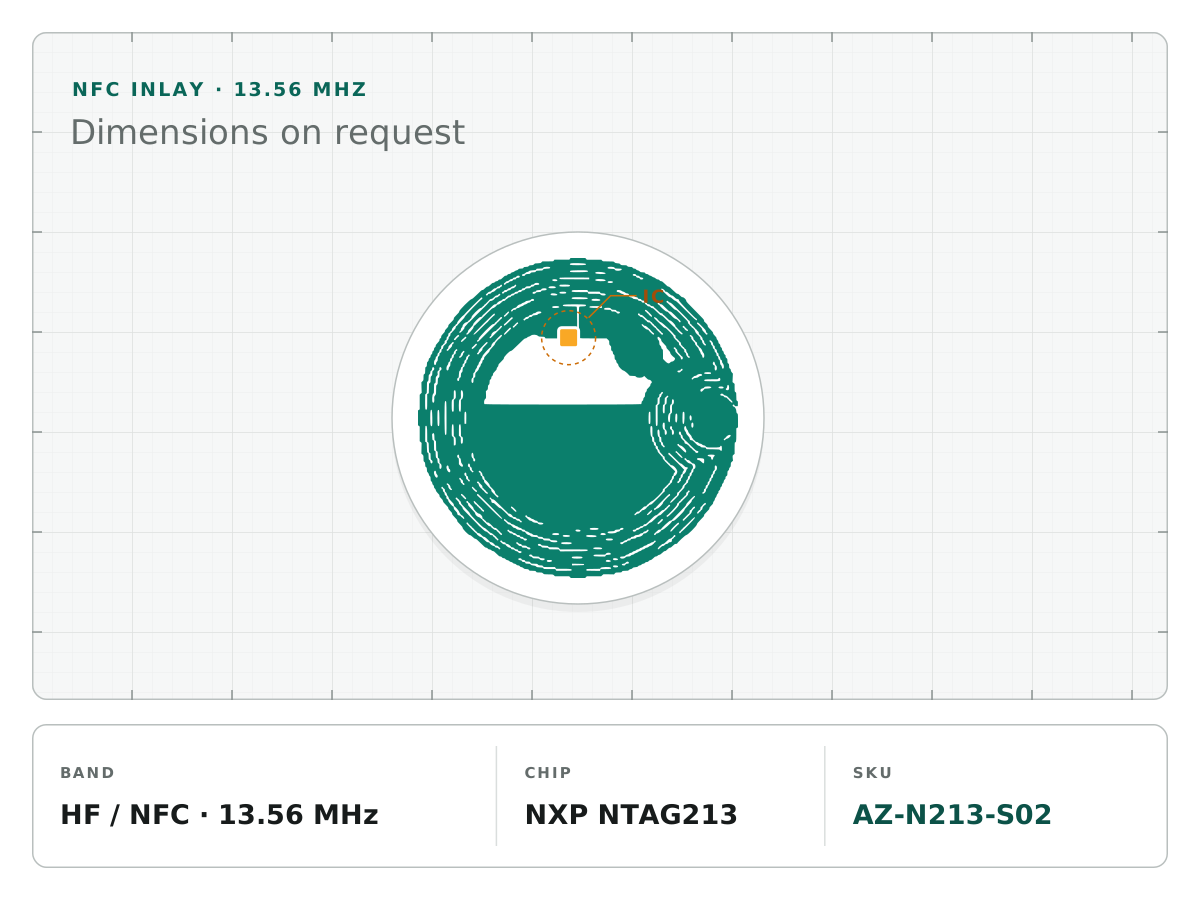
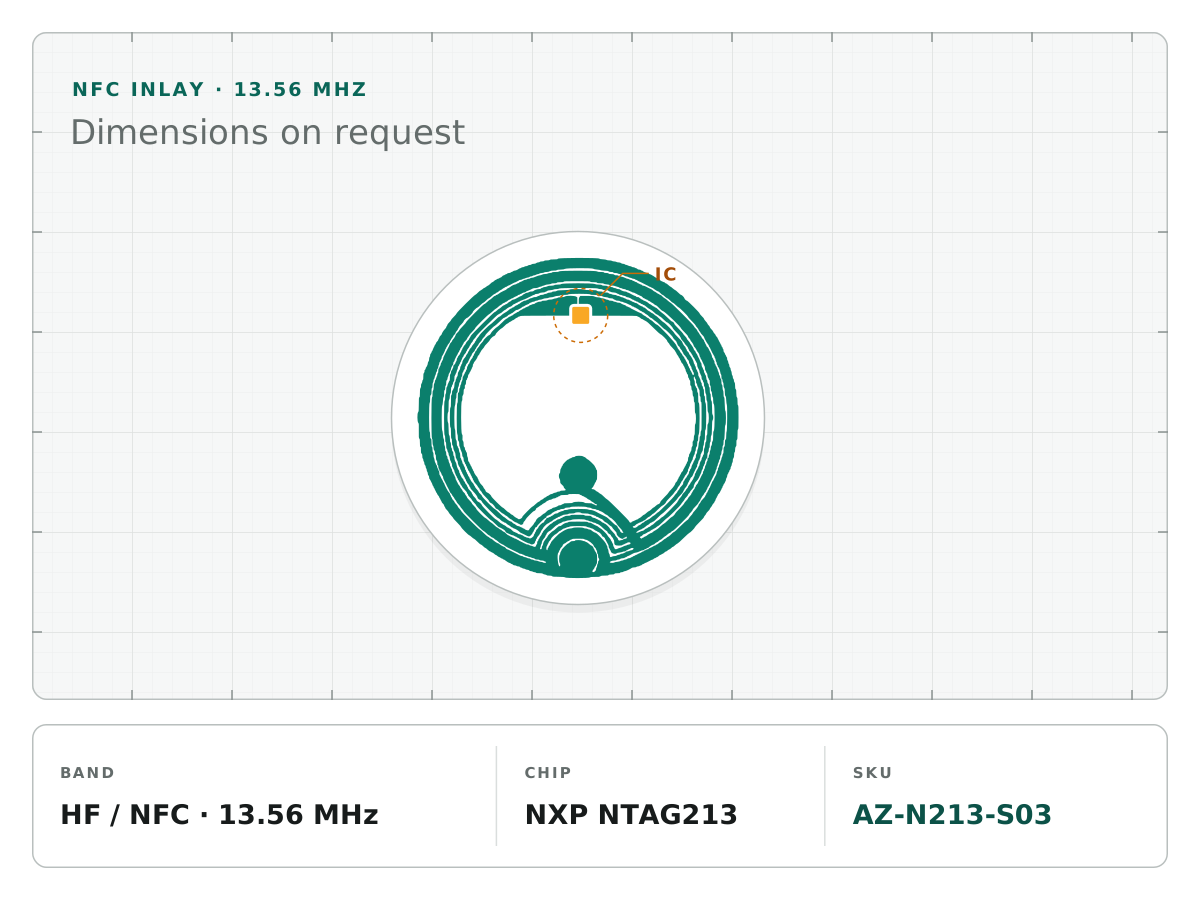
NTAG213, NTAG215 and NTAG216 are related NFC Type 2 devices. Their most visible difference is user-memory capacity. Select by the encoded message, not by the assumption that a larger number means a more secure or longer-range tag.
Start with usable memory
| Device | User memory in the NXP datasheet | Buying implication |
|---|---|---|
| NTAG213 | 144 bytes | Compact payloads and links |
| NTAG215 | 504 bytes | More space for the defined message |
| NTAG216 | 888 bytes | Larger messages where genuinely needed |
These figures describe user memory. They are not an allowance for an equally long plain-text URL: NDEF framing and the selected record type also consume space. The table does not imply that all three variants are stocked by Antenza; confirm the exact chip in the quotation.
Measure the encoded message
Generate the complete intended NDEF record with a representative longest payload. Include the serialized part of the URL and any planned future fields. Read the message back using the target application and phones. A short redirect link under your control can reduce payload size, but it creates a service-maintenance obligation.
Avoid storing personal information or confidential business data in a publicly readable tag unless the system deliberately requires it. More memory is not a reason to add data that belongs in a managed backend.
Locking and security are different decisions
The family’s password and locking features control memory operations. They do not make a static URL a per-tap product-authentication proof. For a cloning-resistance requirement, evaluate a suitable security architecture rather than paying for extra memory in a standard tag.
Approve any irreversible locking only after checking the message and destination. Keep test samples writable until the payload and operational workflow are stable.
The finished label still needs testing
Compare NFC and HF tag constructions on the final packaging with representative phones. Antenna footprint, foil, nearby metal and label position can dominate usability. The upstream warehouse may still need a separate UHF label mapped to the same product record.
Send your longest payload, packaging and phone workflow through the engineering inquiry form. Request the exact variant, antenna and encoding acceptance procedure together, so a memory choice becomes a deployable label specification.