 UHF
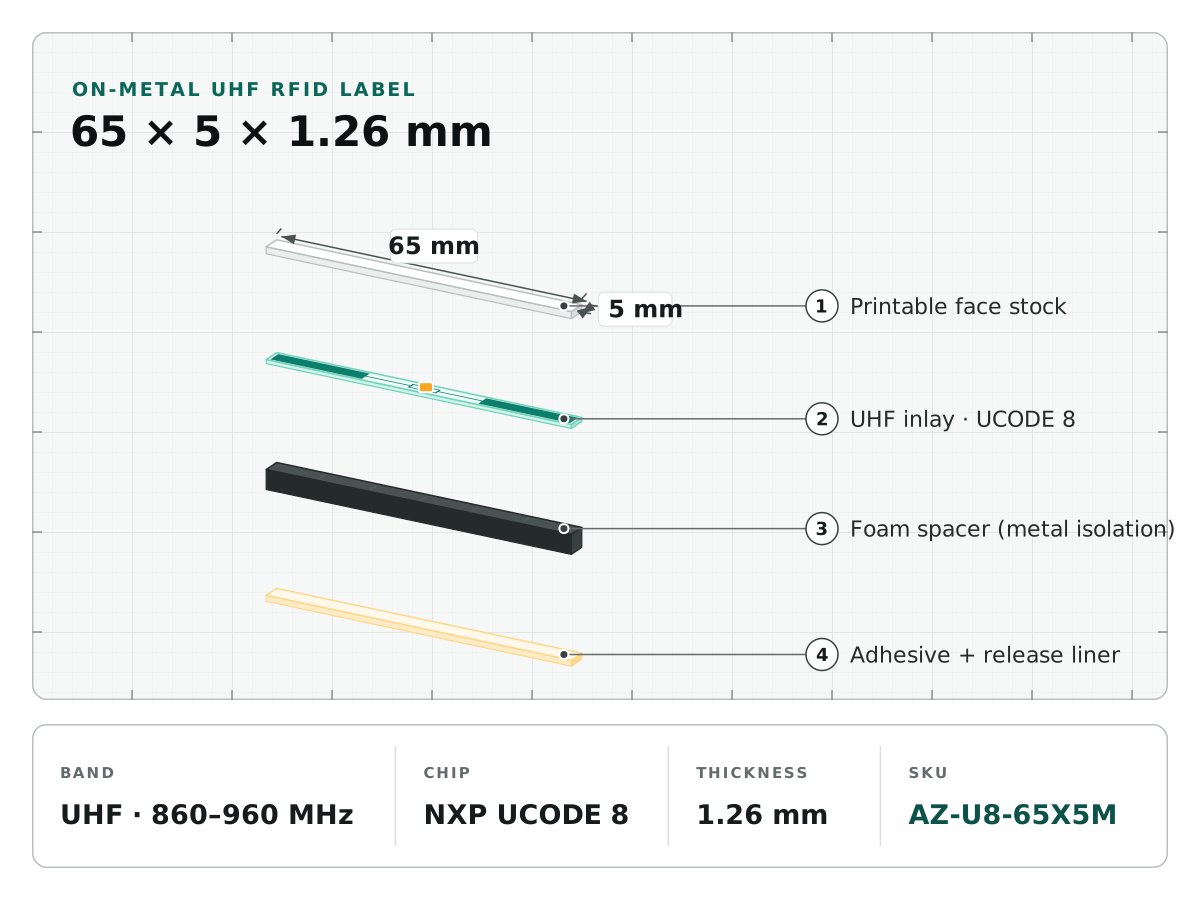
UHF AZ-U8-65X5M
UCODE 8 On-Metal RFID Tag, 65 × 5 × 1.26 mm
- Chip
- NXP UCODE 8
- Antenna size
- 65 × 5 mm
- Read range
- up to 3 m (reference)
Application engineering
A permanent, radio-readable identity on every meter, so field crews confirm the right asset in seconds in any weather.
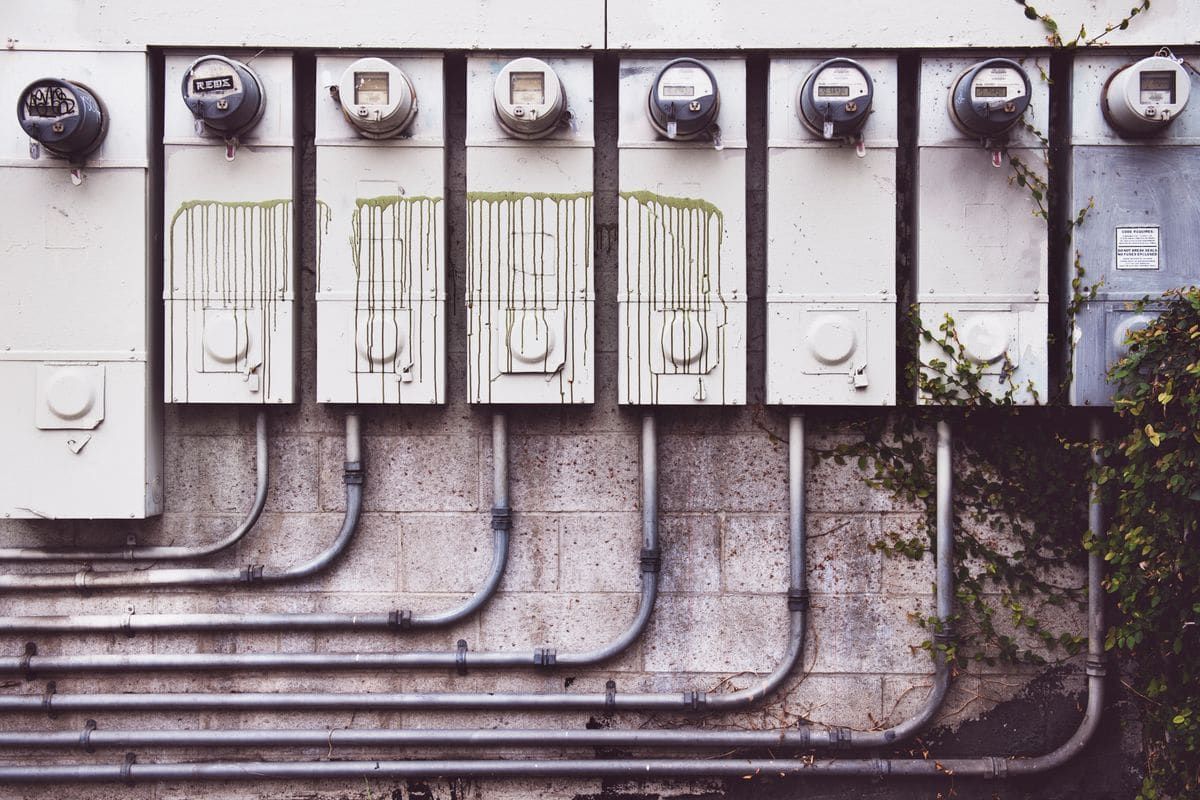
Utilities manage large meter fleets over long service lives, through installs, swaps, recalibrations and audits. Printed serials fade, stickers get painted over, and a mis-recorded meter ID creates billing disputes that cost far more than the hardware. A serialized RFID tag gives each meter an identity a handheld reader confirms in seconds, without wiping the faceplate first.
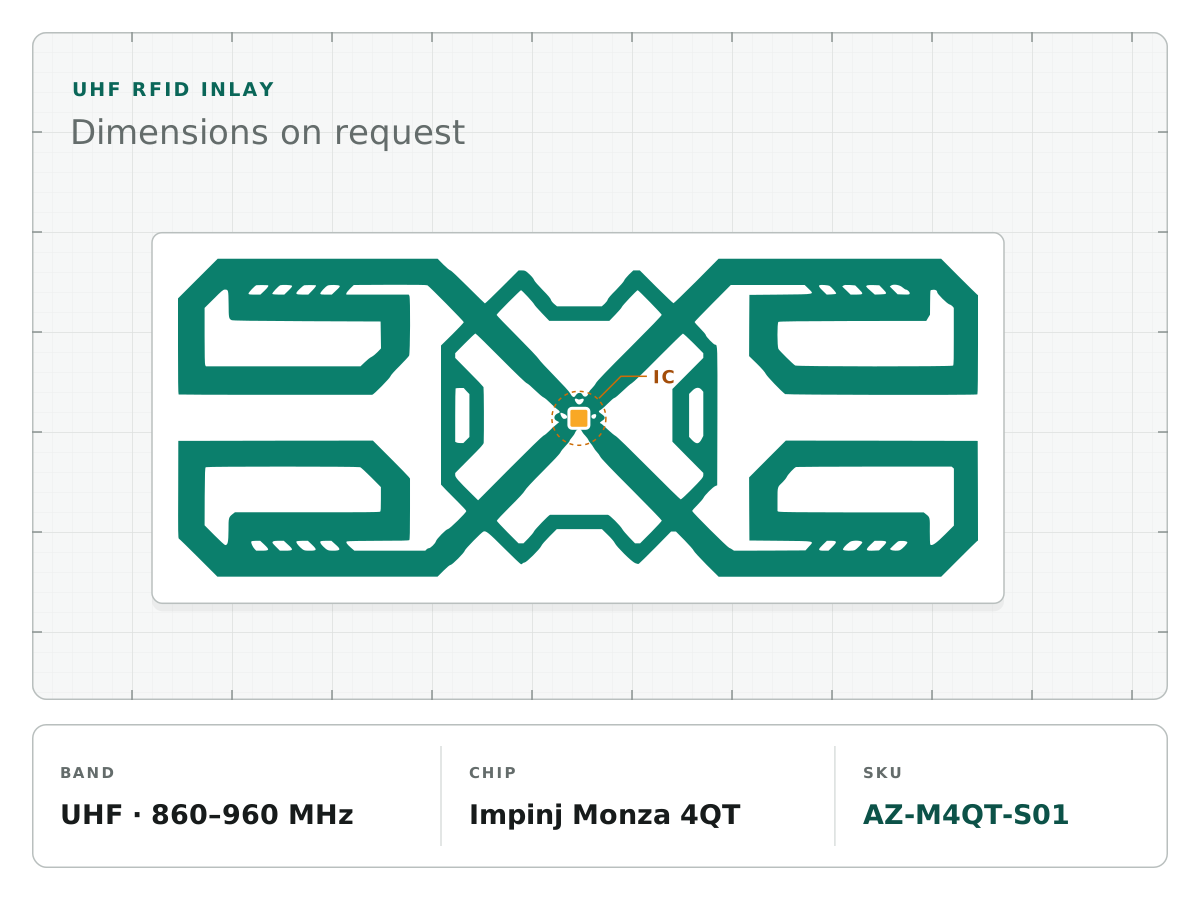
Antenza lists Impinj Monza 4QT inlays for meter tagging: 512 bits of user memory for install or calibration data, and QT profiles that separate public and private data. For steel cabinets and metal meter bodies, our on-metal tags keep reads reliable where standard labels fail.
Sun-bleached, painted-over or dirty nameplates force crews to guess or skip verification.
A swap recorded against the wrong asset ID corrupts billing and the asset register at once.
Crews spend the round on paperwork and data entry instead of inspection.
Meters sit in steel enclosures, exactly where ordinary labels stop reading.
Each tag is encoded with the meter’s ID, locked as required and read-verified before shipment.
The 512-bit user memory of Monza 4QT can hold install date, calibration or seal data; its QT feature separates public and private data profiles.
For steel cabinets and metal meter bodies, on-metal labels from 40 × 25 to 80 × 35 mm.
EPC Gen2 tags read with standard UHF handhelds and fixed readers, with no proprietary reader stack.
Tell us where the tag physically sits (inside a steel cabinet, on the meter body, on a polymer housing), because placement decides between a standard and an on-metal construction.
| Frequency | UHF 860–960 MHz, EPC Gen2, RAIN RFID |
|---|---|
| Chips in the listed range | Impinj Monza 4QT (meter inlays) · on-metal: Monza R6, UCODE 8, UCODE 9 |
| User memory | Monza 4QT: 512 bit, with QT public / private profiles |
| Formats | Durable label · on-metal tag for steel enclosures |
| Encoding | Asset-register IDs, locked as required, read-verified |
| Environment | Outdoor materials on request; confirm climate and mounting in the inquiry |
| Read range (reference) | Handheld reads typically 1–4 m Reference only; depends on reader, antenna, power and the tagged material |
Monza 4QT meter inlays first, then on-metal tags for steel enclosures.
UHF AZ-U8-65X5M
 UHF
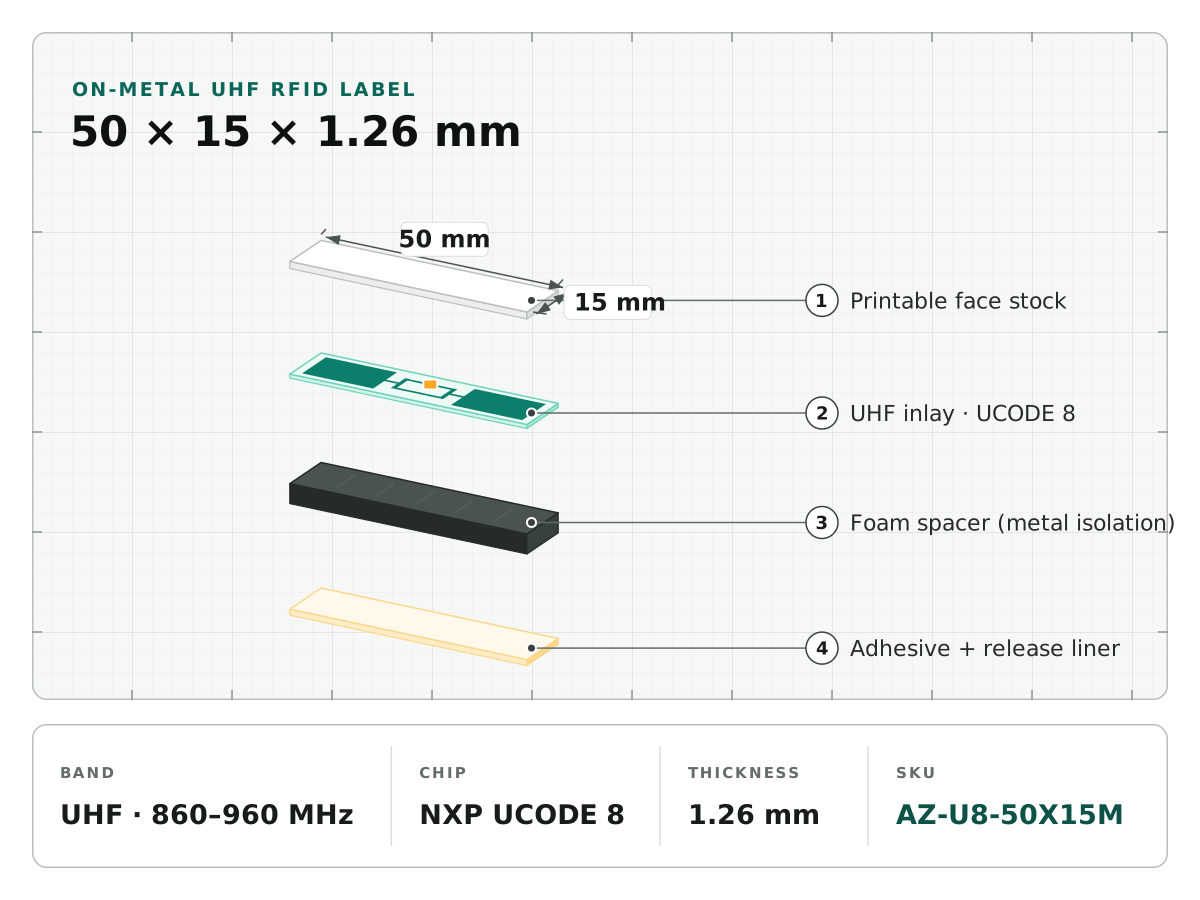
UHF AZ-U8-50X15M
 UHF
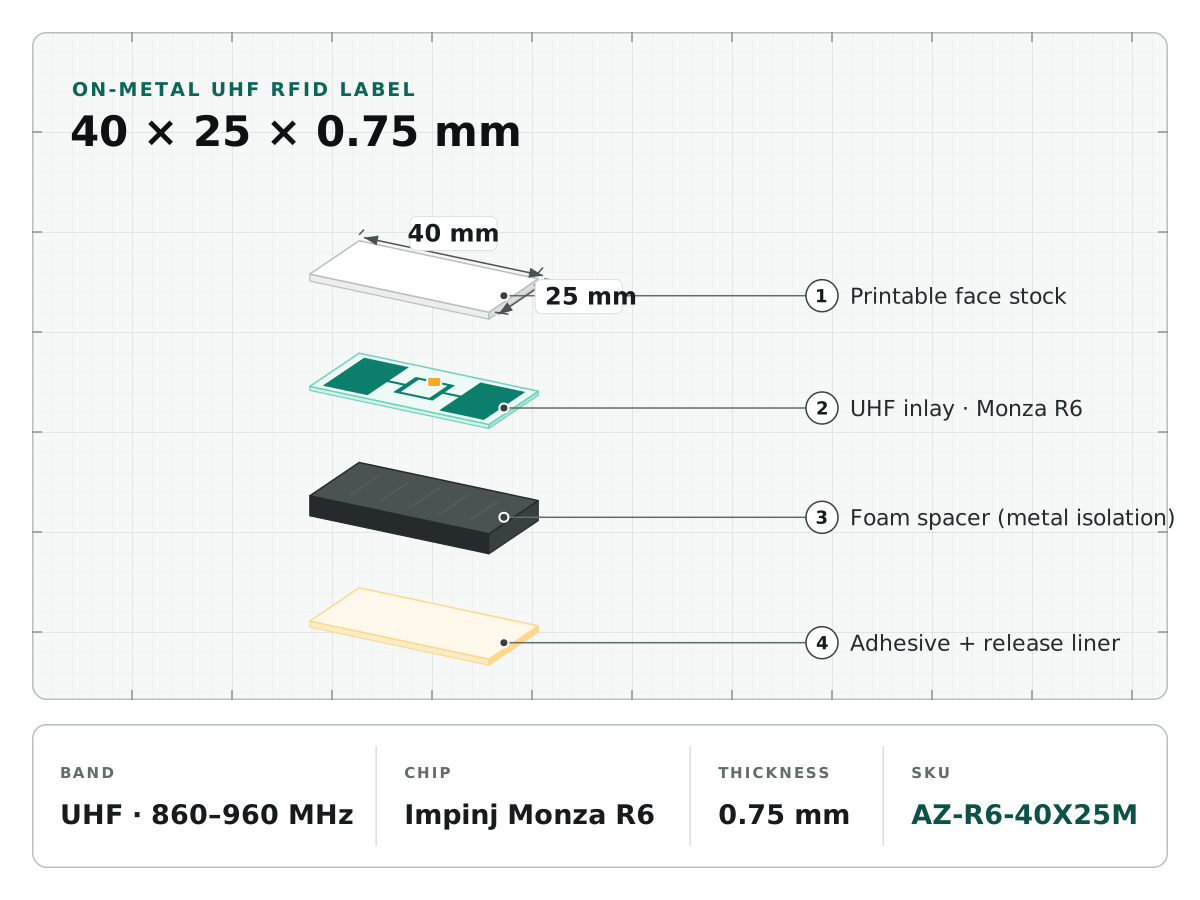
UHF AZ-R6-40X25M
 UHF
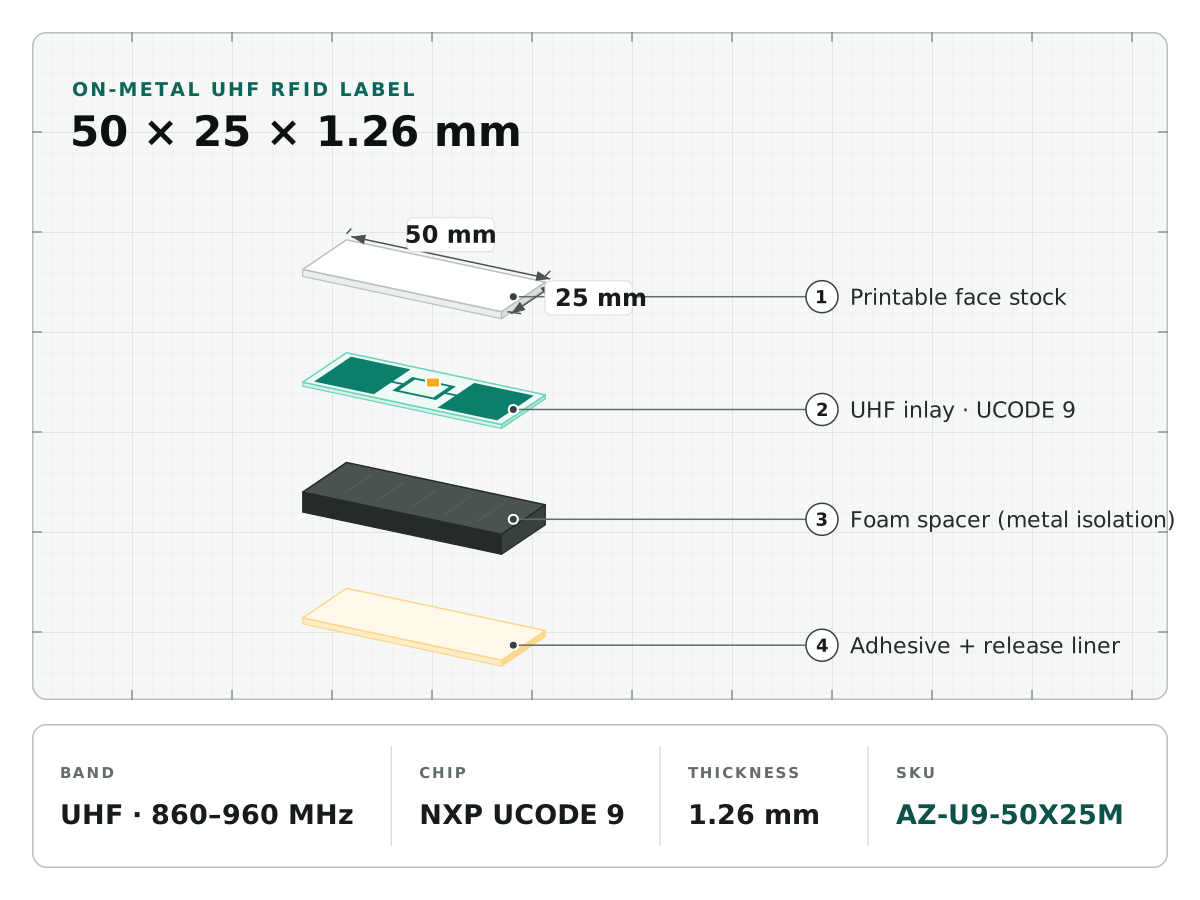
UHF AZ-U9-50X25M
 UHF
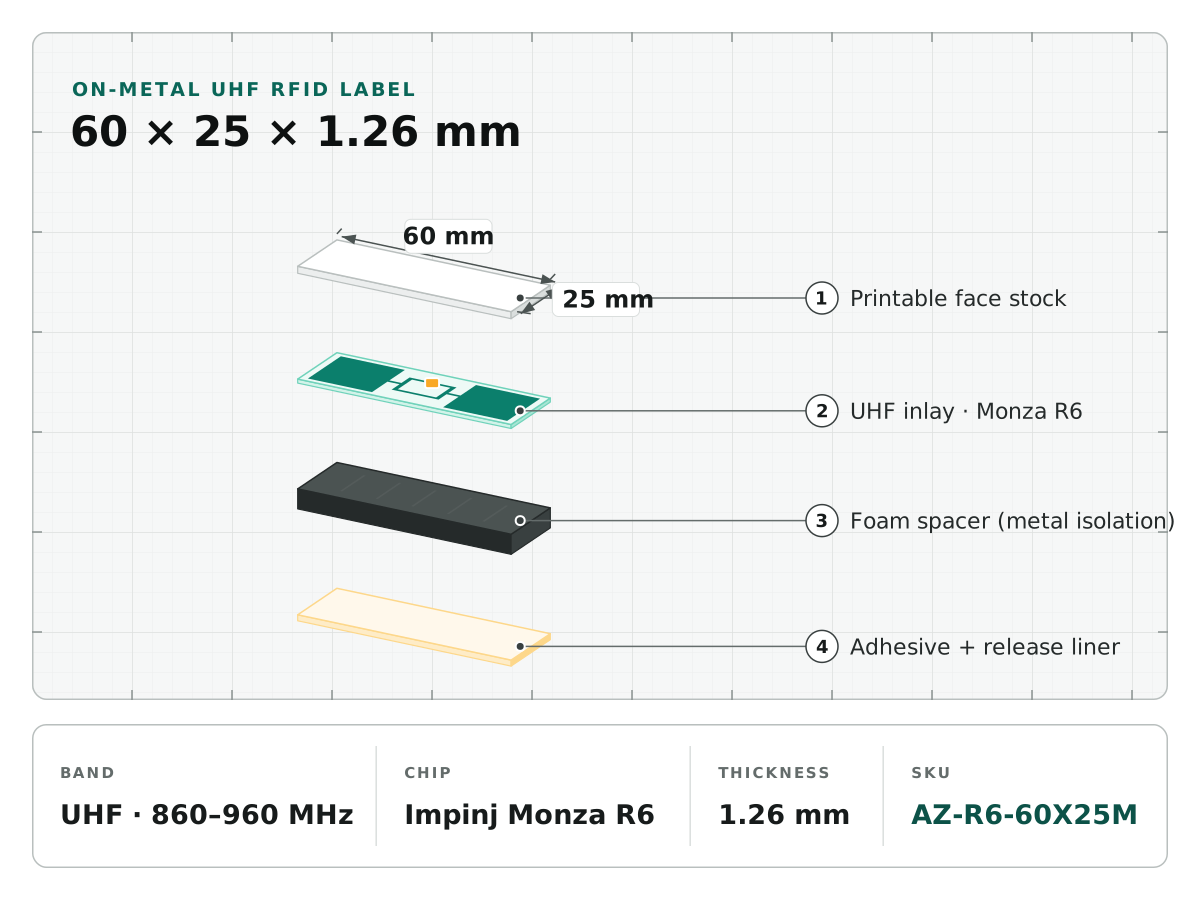
UHF AZ-R6-60X25M
 UHF
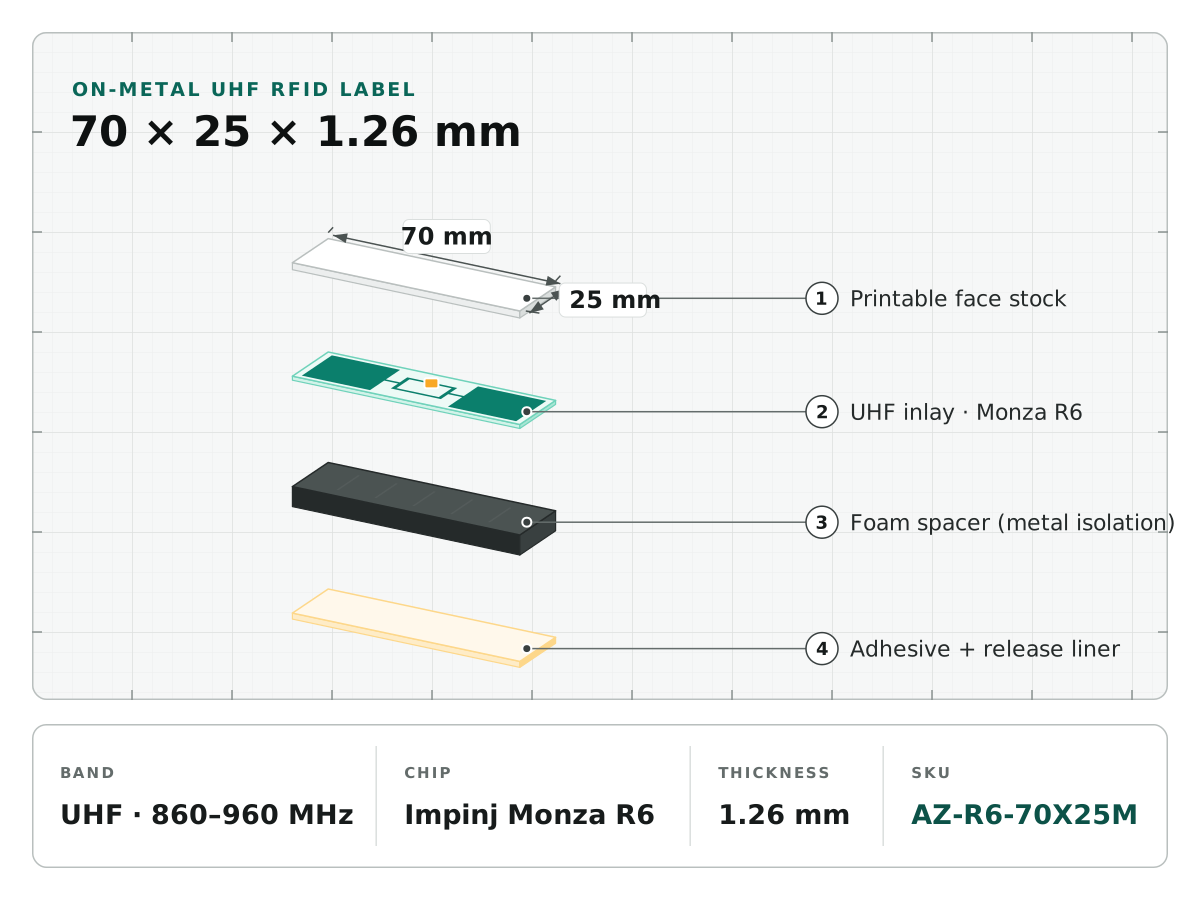
UHF AZ-R6-70X25M
 UHF
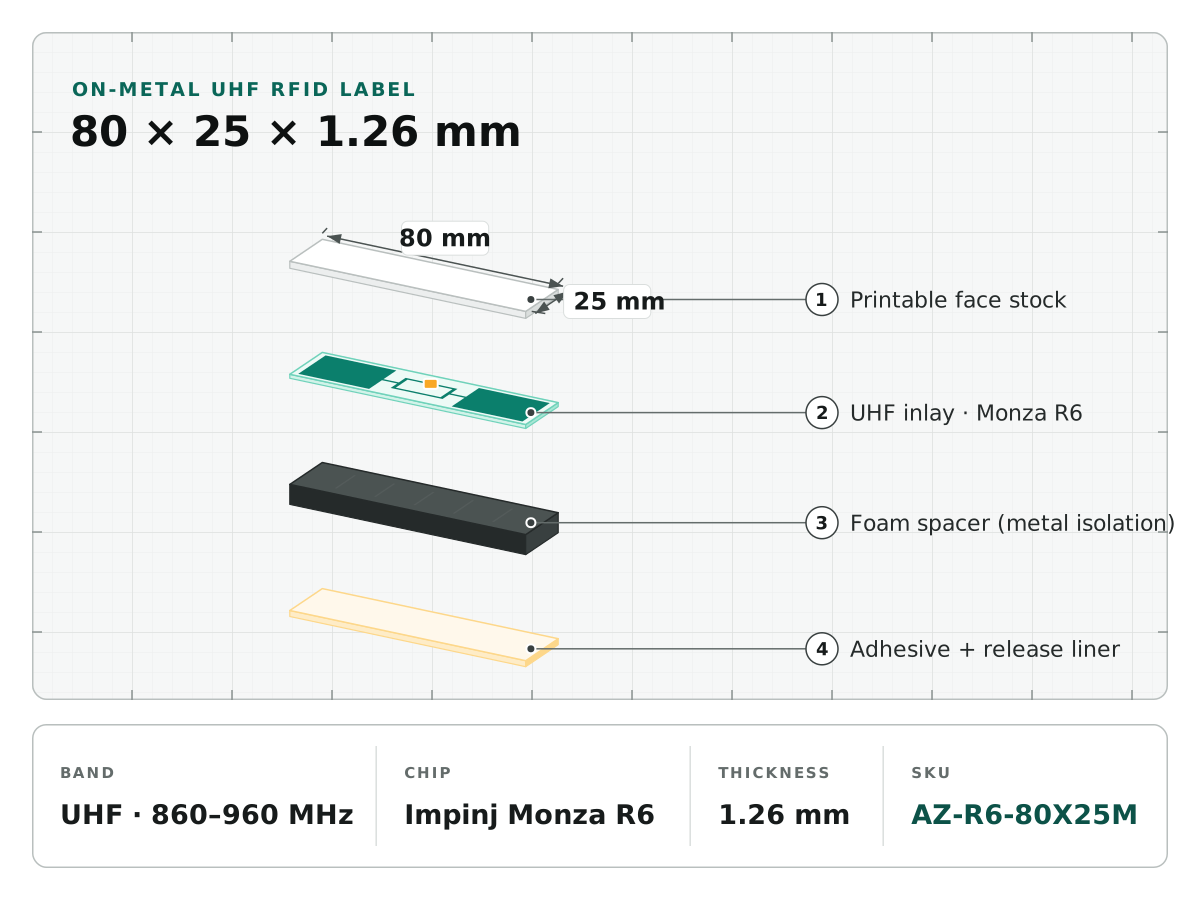
UHF AZ-R6-80X25M
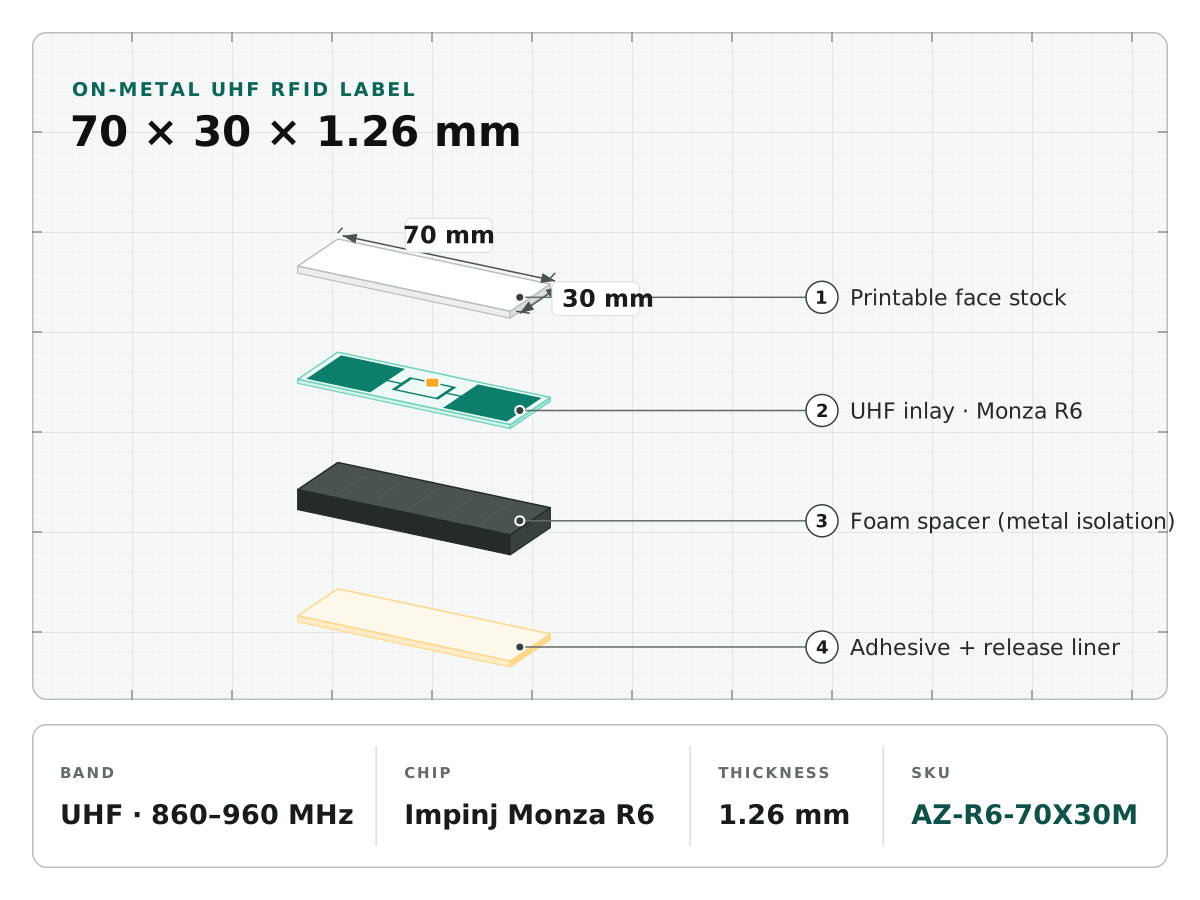 UHF
UHF AZ-R6-70X30M
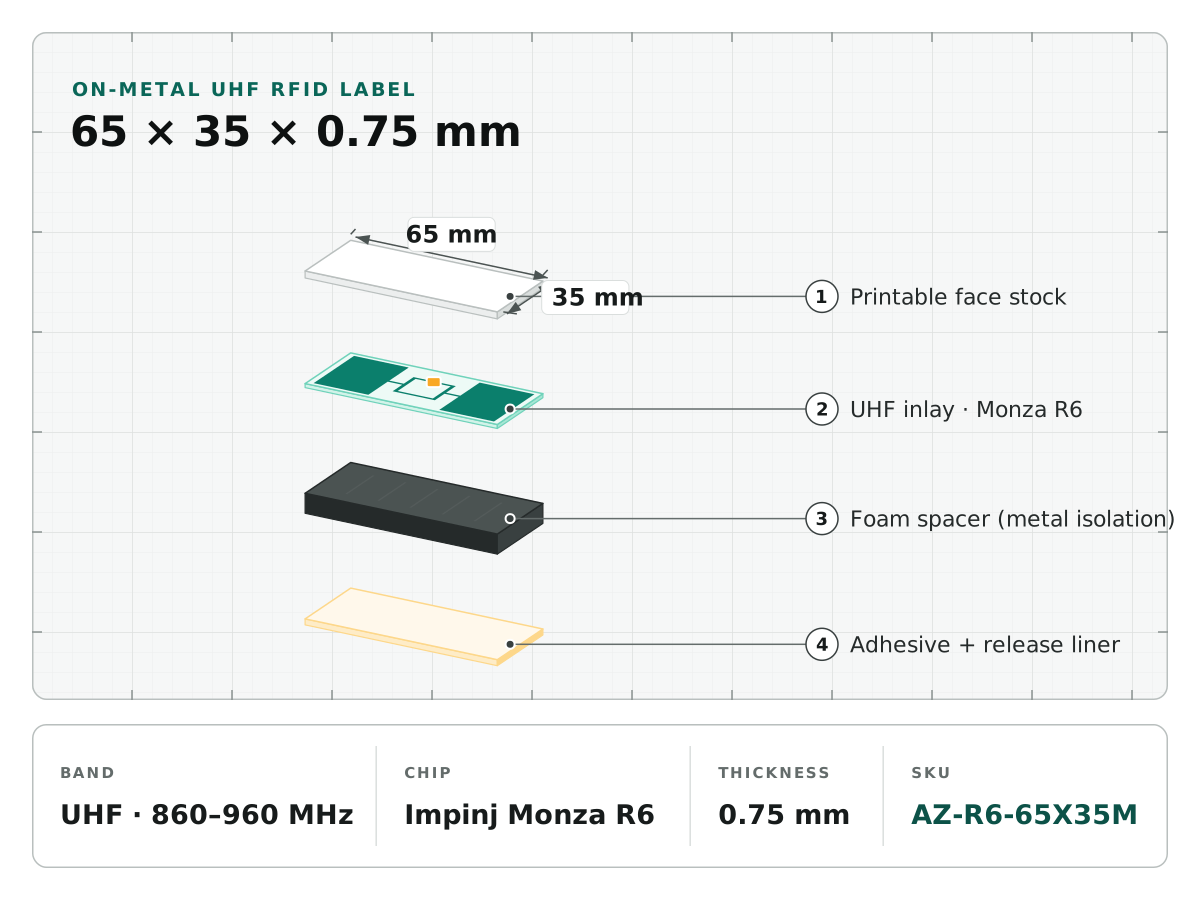 UHF
UHF AZ-R6-65X35M
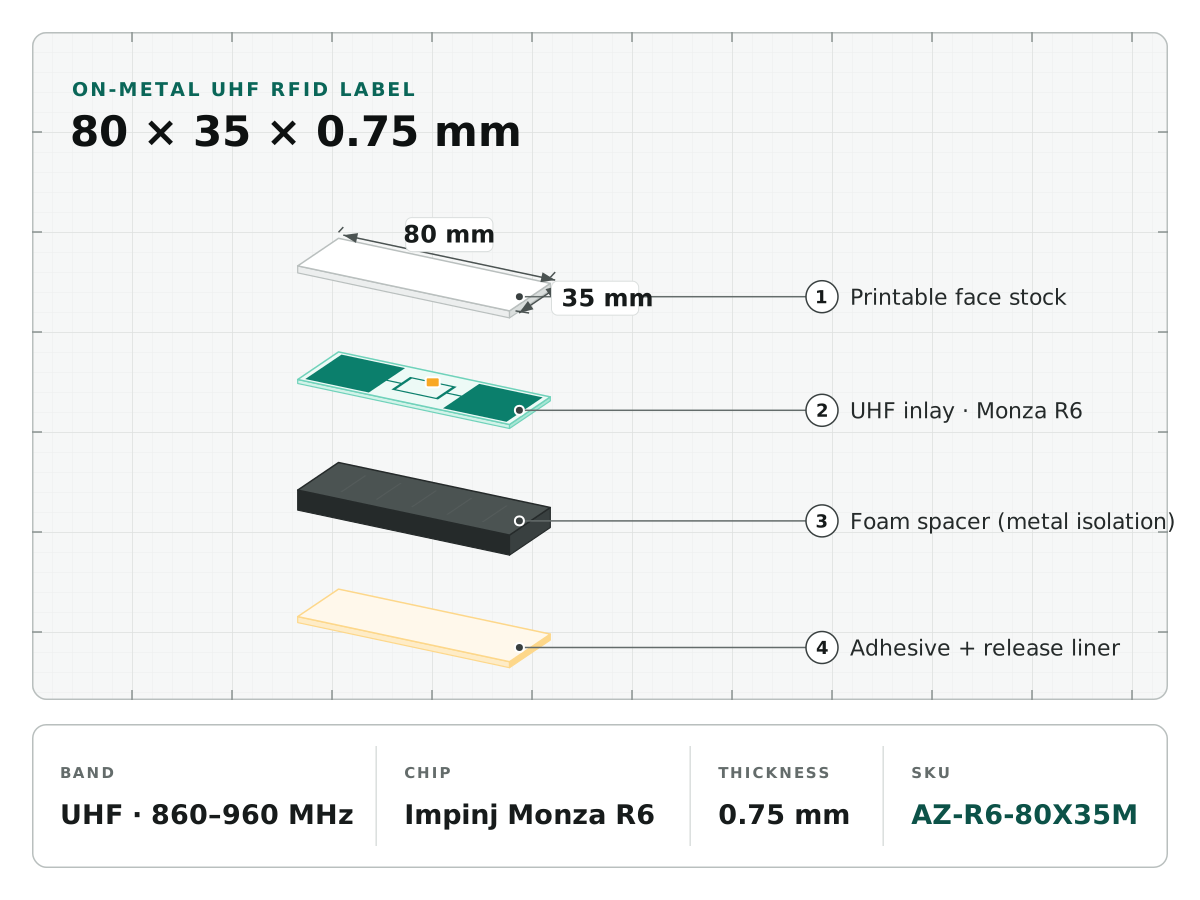 UHF
UHF AZ-R6-80X35M
 UHF
UHF 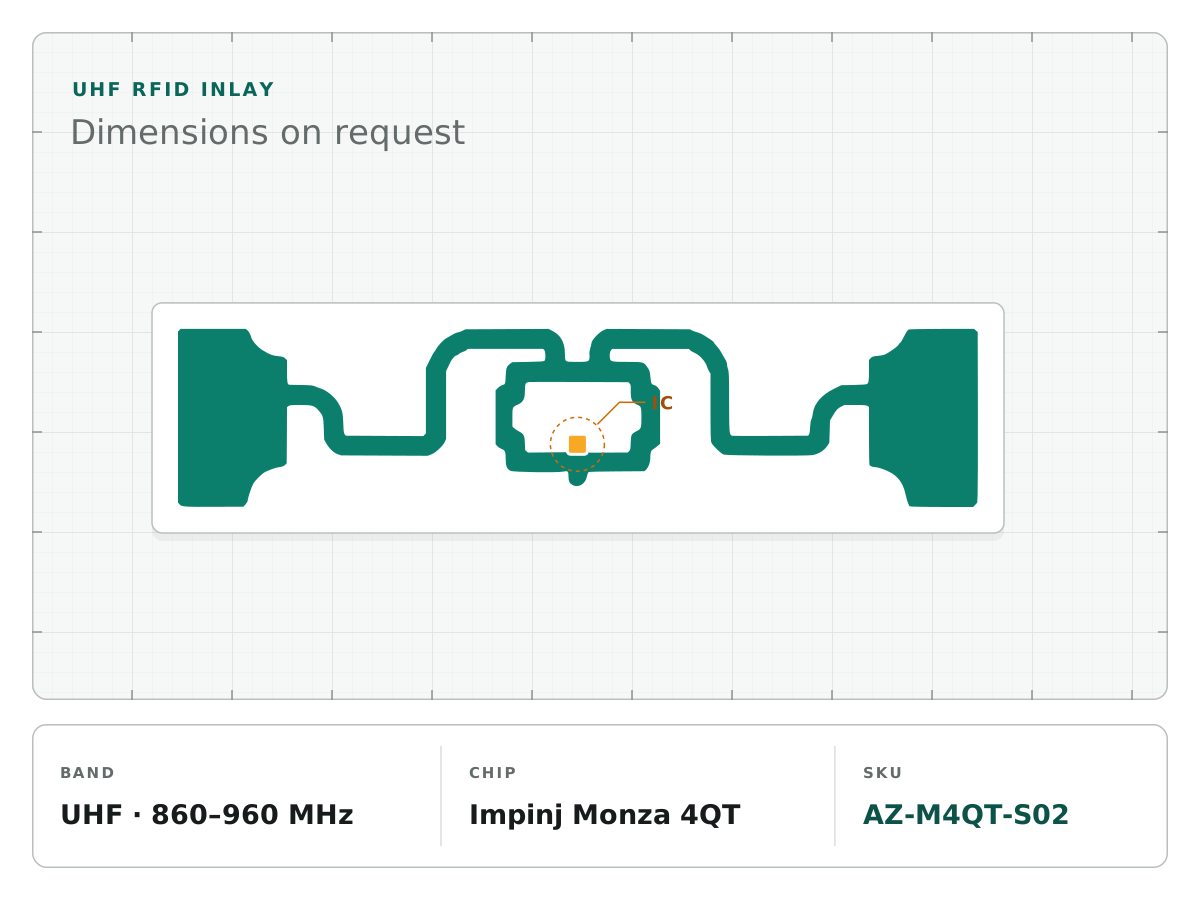 UHF
UHF Share surface, read distance, chip preference and volume. We shortlist tags that fit.
Receive sample tags of the shortlisted designs to try in your own setup.
Test on your items, readers and printers. We adjust chip, size or format if needed.
Volume production with 100% inline electrical test, then export shipping.
Plan an RFID sample test with real items, controlled reader settings and acceptance criteria. Check RF behavior, encoding, adhesion and repeatability.
Choose an on-metal RFID label by mounting surface, available area, thickness and reader workflow. Test the complete structure before approving bulk supply.
RFID read range depends on the complete system. Control power, antenna, surface, orientation and reader settings when comparing labels on real objects.
Talk to an RFID engineer
Tell us the meter types, mounting position and climate. An engineer replies within 24 hours with a shortlist and a pilot plan.
Email us: sales@antenza.com