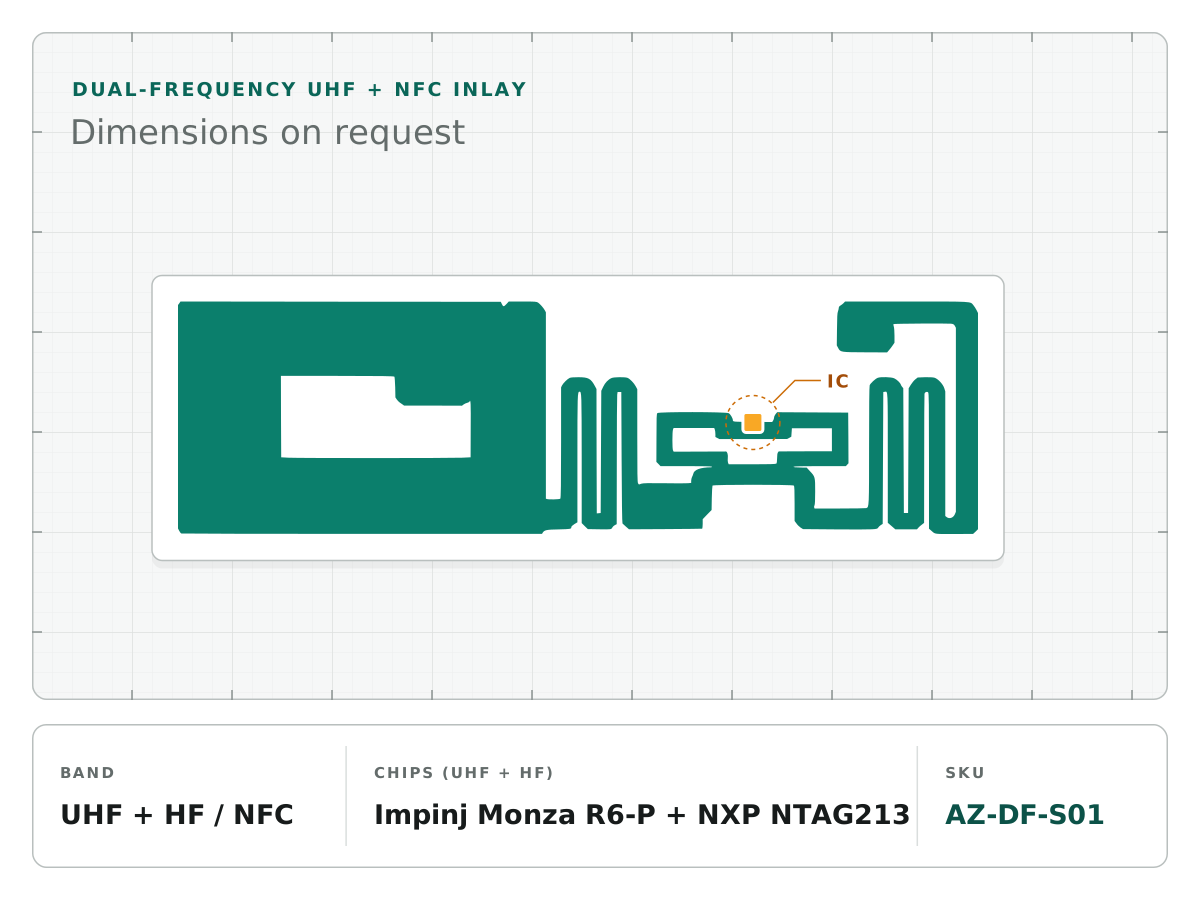
 UHF + NFC
 AZ-DF-S01
Monza R6-P + NTAG213 Dual-Frequency Tag, AZ-DF-S01
- Chips (UHF + HF)
- Monza R6-P + NTAG213
- Antenna size
- On request
Tag family
Choose the chip and antenna first, then specify the dry inlay, wet inlay or finished label your process needs.
A UHF RFID inlay combines an integrated circuit and an antenna on a thin carrier. It is the functional layer inside an RFID label, hang tag or laminated document. Unlike a barcode, a passive UHF tag can be read without a direct line of sight, and a reader can identify several items within its interrogation zone. Performance still depends on how the antenna is mounted, which reader is used and what surrounds the item.
Dry inlays are supplied without adhesive for converters that add their own layers. Wet inlays add pressure-sensitive adhesive and a release liner. Finished labels put a printable face stock over the same underlying antenna. These are ordering formats for one design, rather than separate antenna models. Specify your label footprint, face material, adhesive and roll requirements when asking for samples, particularly if an existing printer or applicator sets the dimensions you can use.
Chip choice affects memory, encoding and sensitivity. NXP UCODE, Impinj Monza and Alien Higgs families offer different combinations, so compare the actual chip record rather than choosing by brand alone. A sensitivity figure in a chip datasheet describes the bare chip; it does not establish the finished label’s read range. Where a design has several chip options, the available options represent alternatives fitted to the same antenna, not several chips in every tag.
Start with the object, the tagging position and the reader workflow. A long antenna may suit a carton or apparel hang tag; a compact footprint may be necessary for jewelry or small packaging. Ordinary UHF inlays are usually unsuitable when placed directly on metal, and liquids can also change the RF response. Use the on-metal family for metal mounting. Validate shortlisted samples on real items, at the actual reader power and orientation, before confirming a production format and encoding plan.
Read distances are reference values; validate on your own items and reader setup.
Showing 67 of 67 products
UHF + NFC AZ-DF-S01
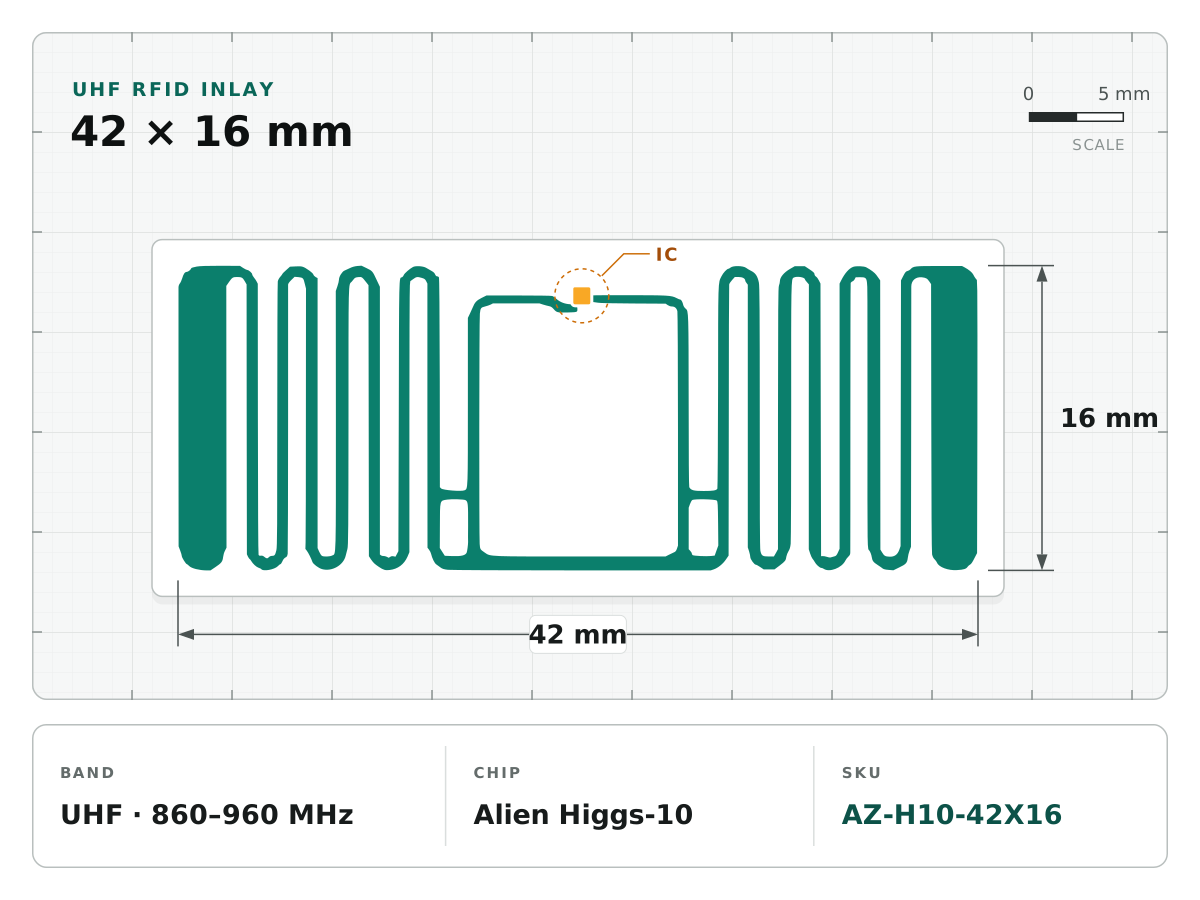 UHF
UHF 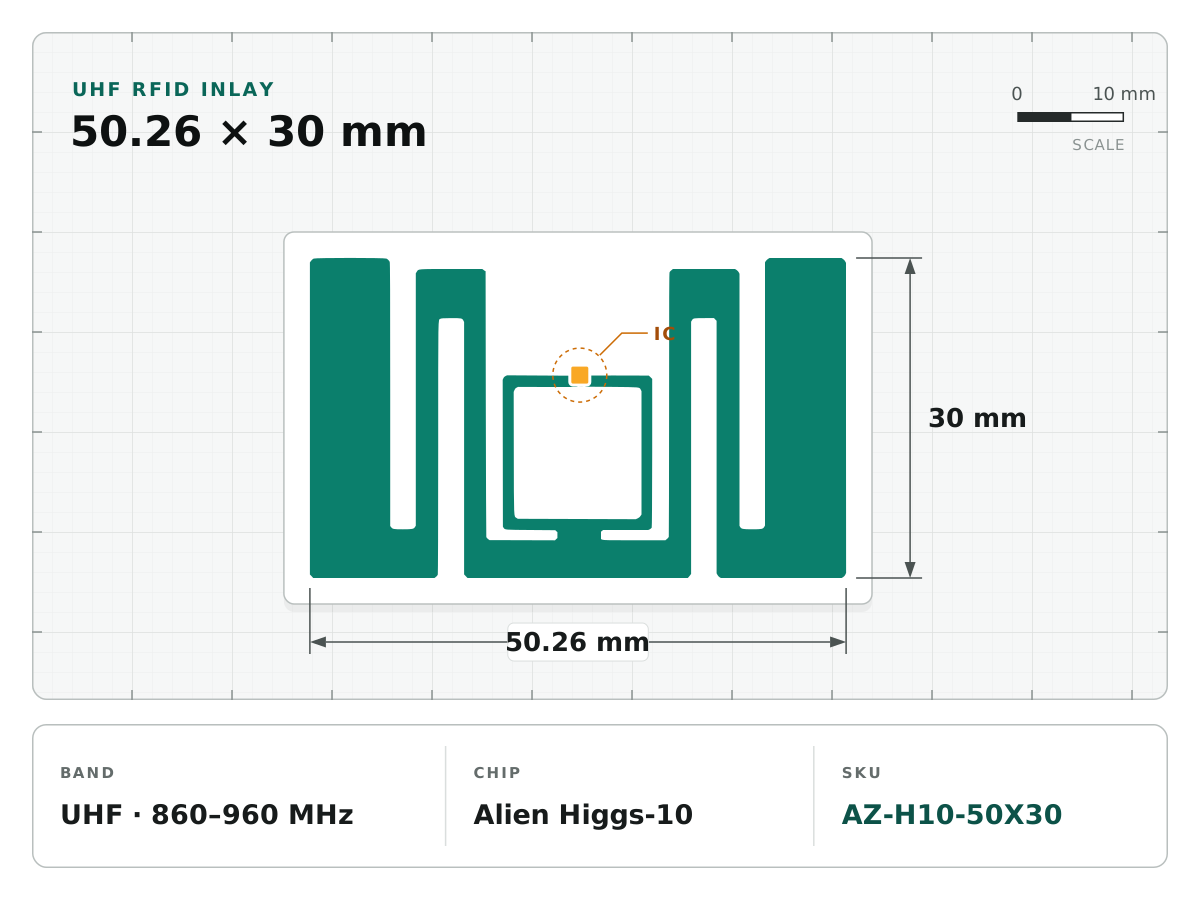 UHF
UHF 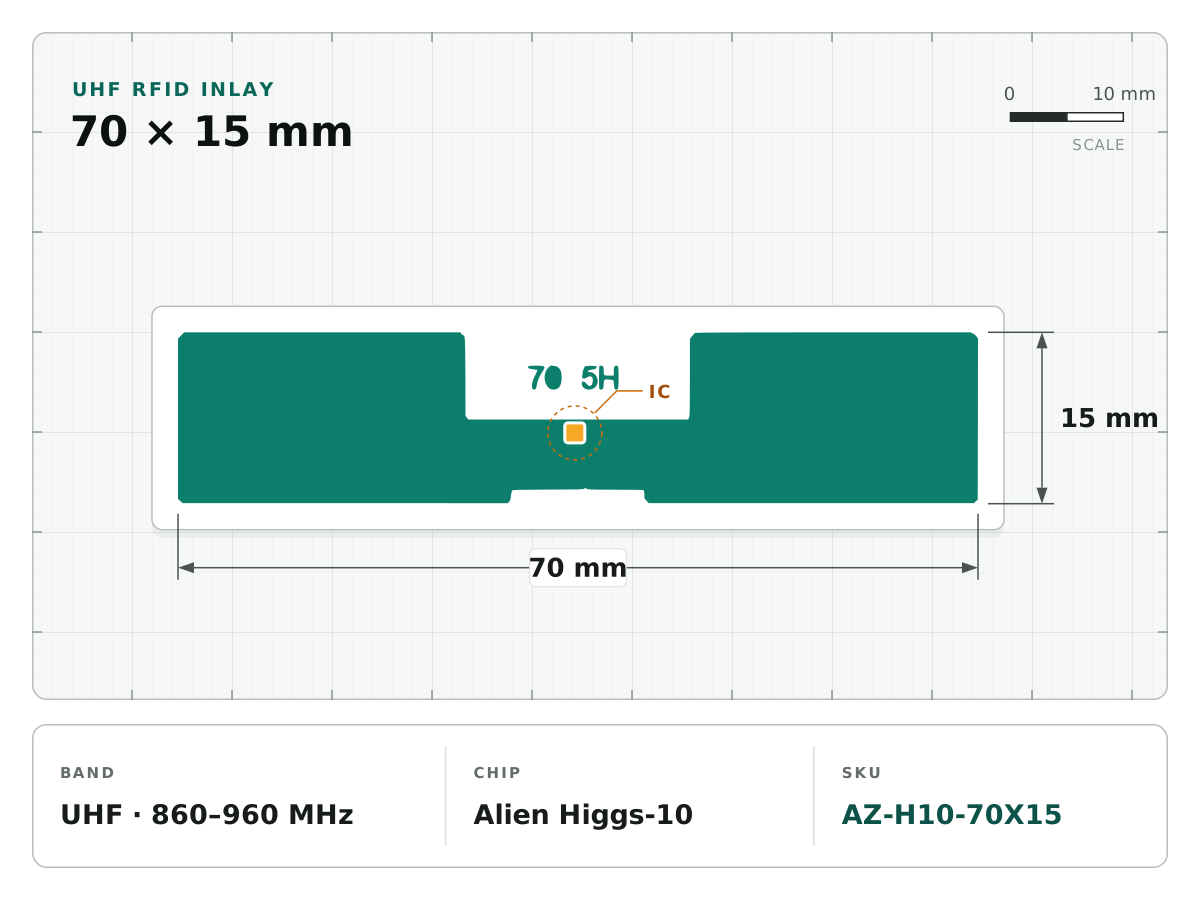 UHF
UHF 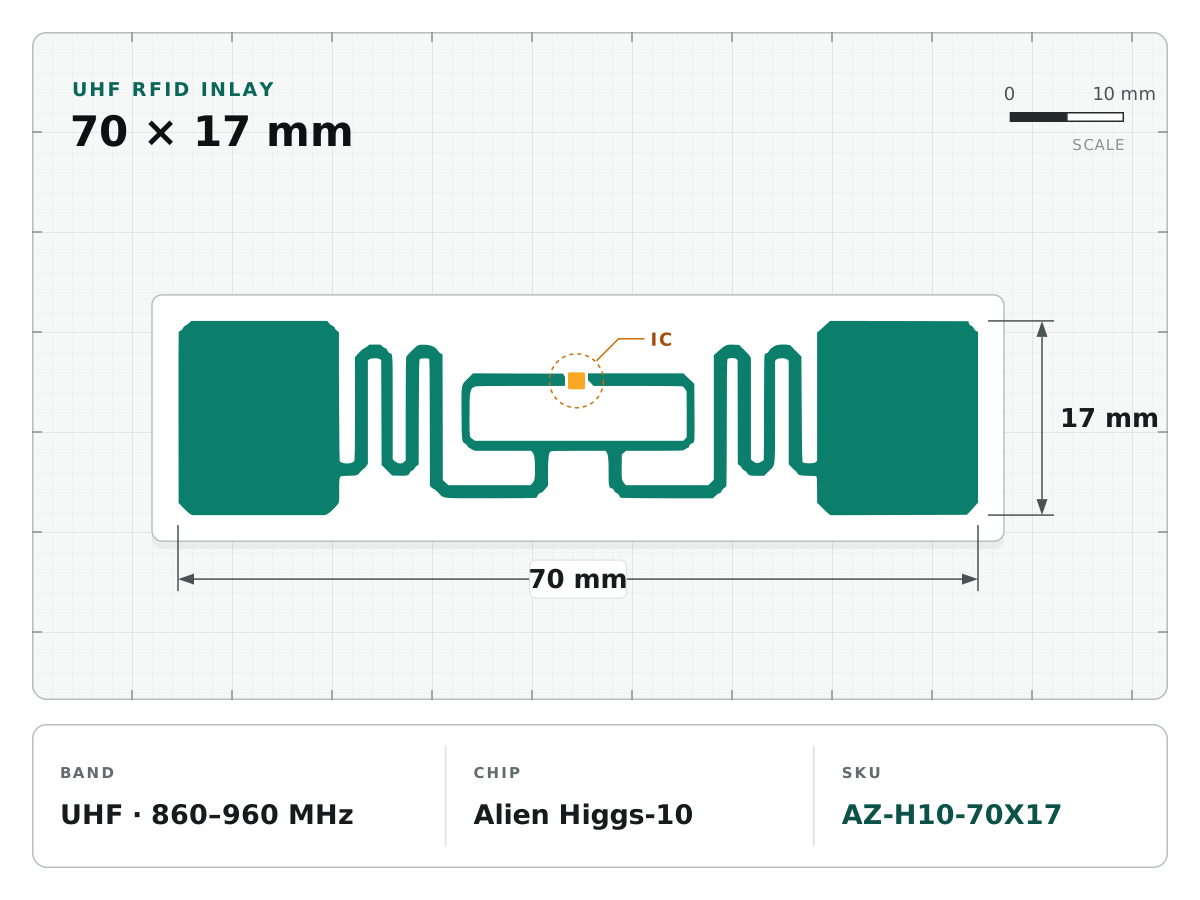 UHF
UHF 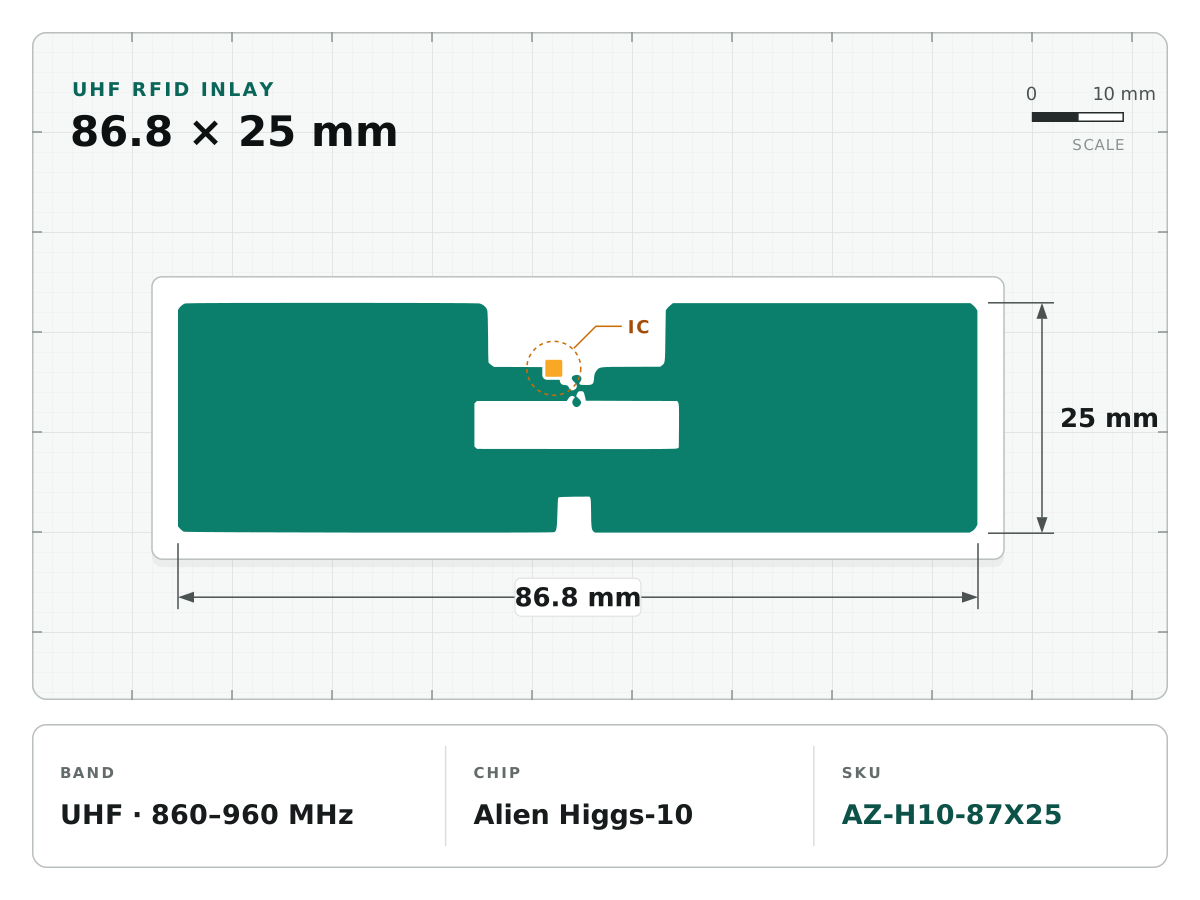 UHF
UHF 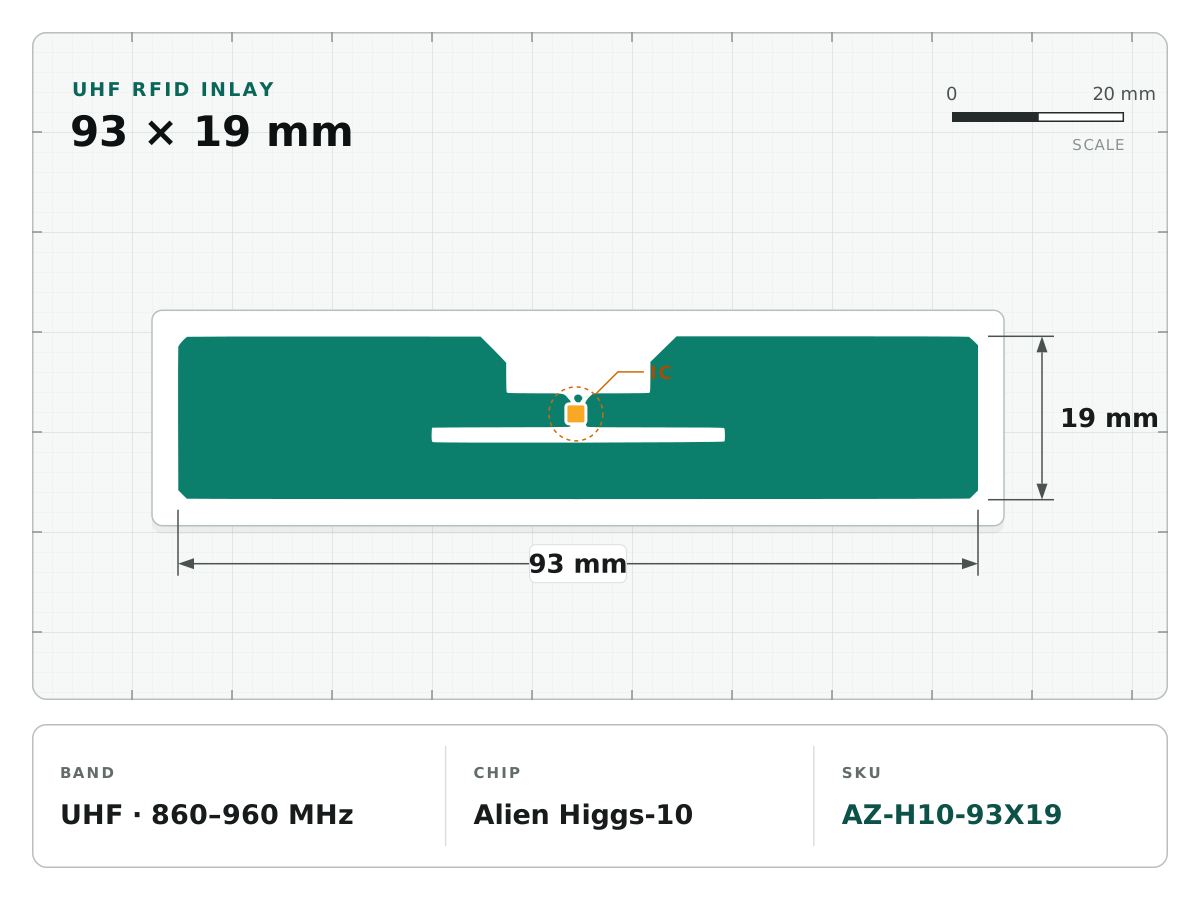 UHF
UHF 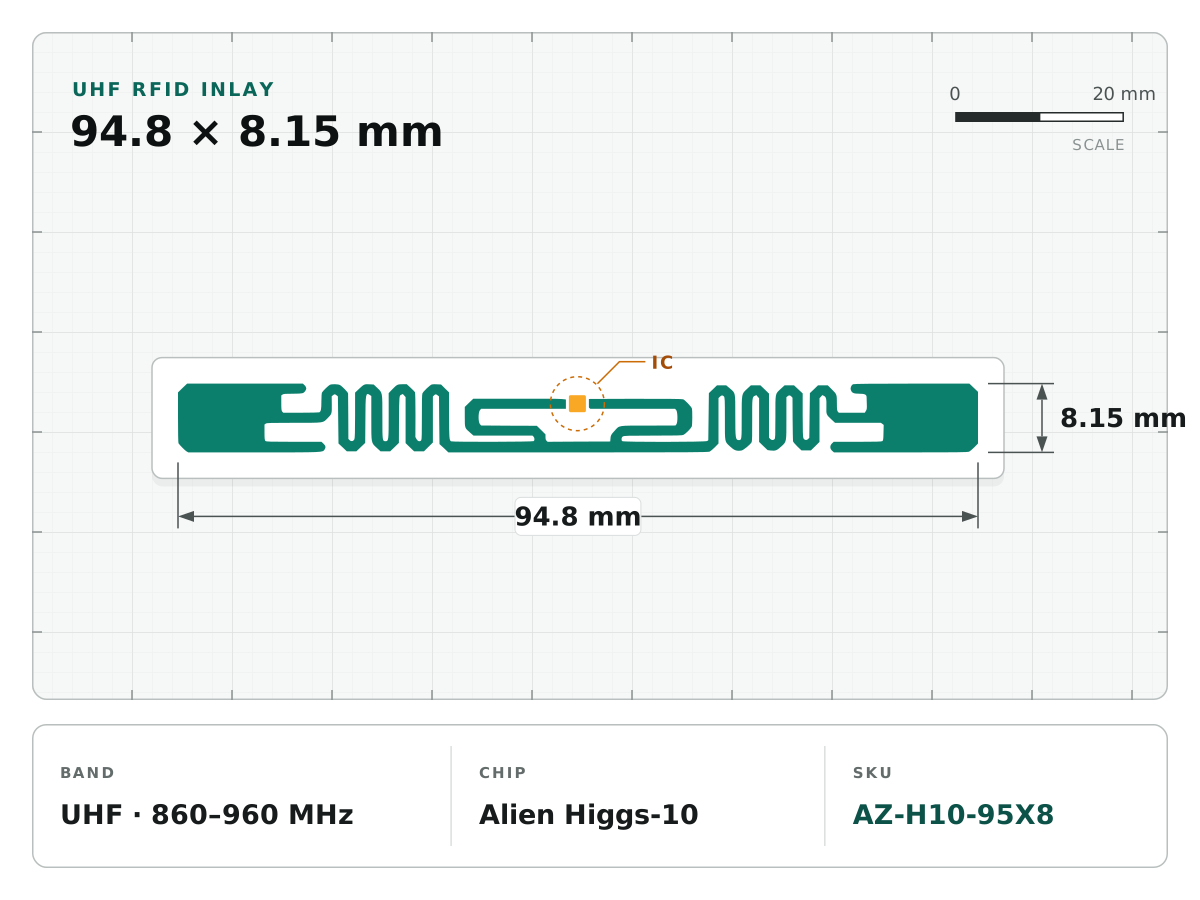 UHF
UHF 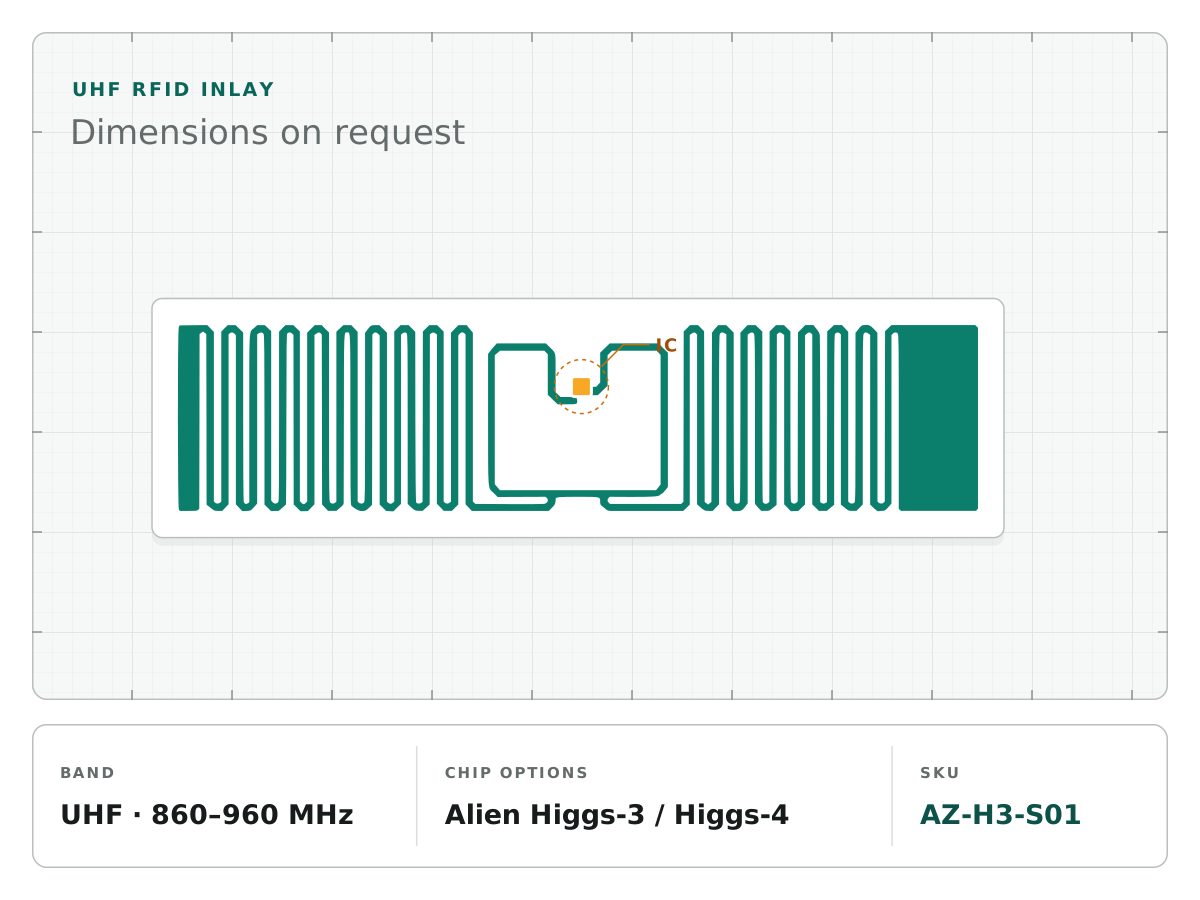 UHF
UHF AZ-H3-S01
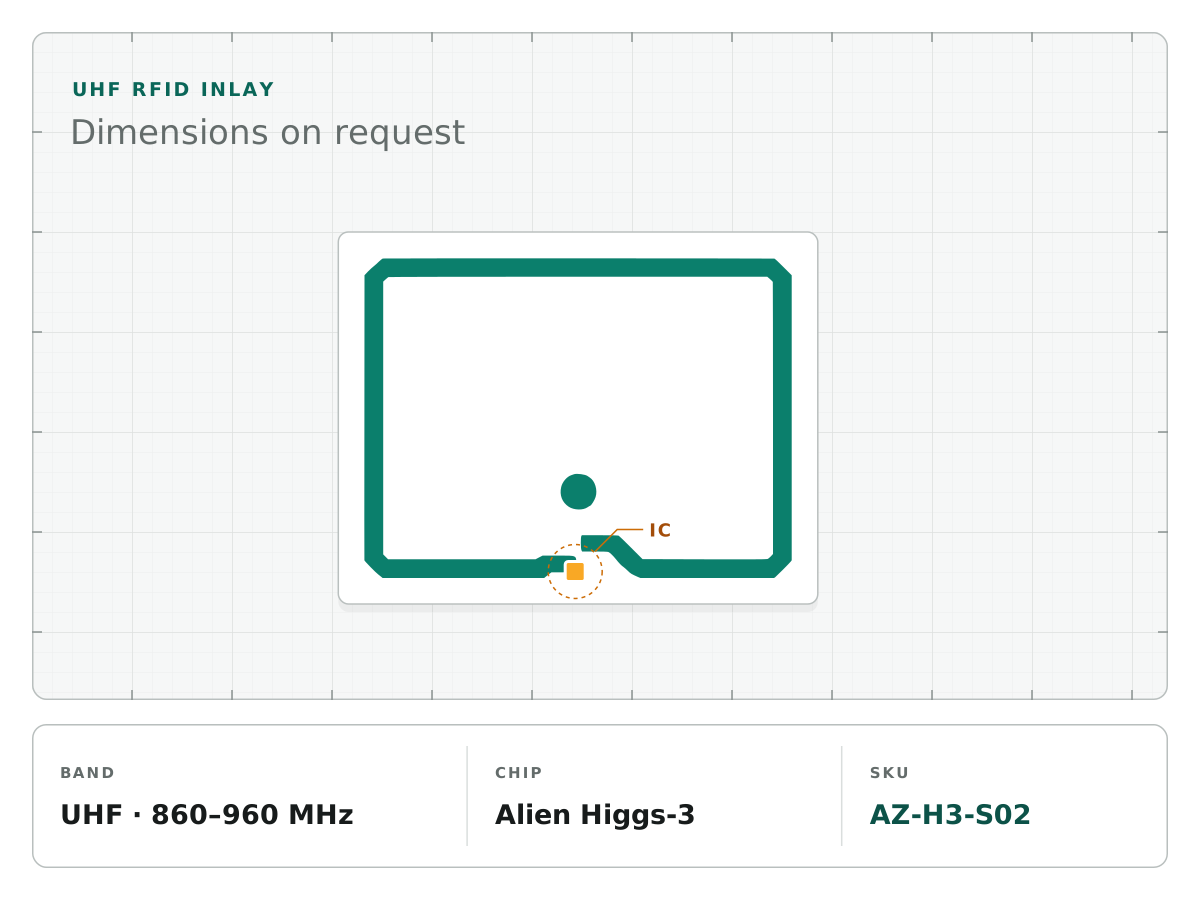 UHF
UHF 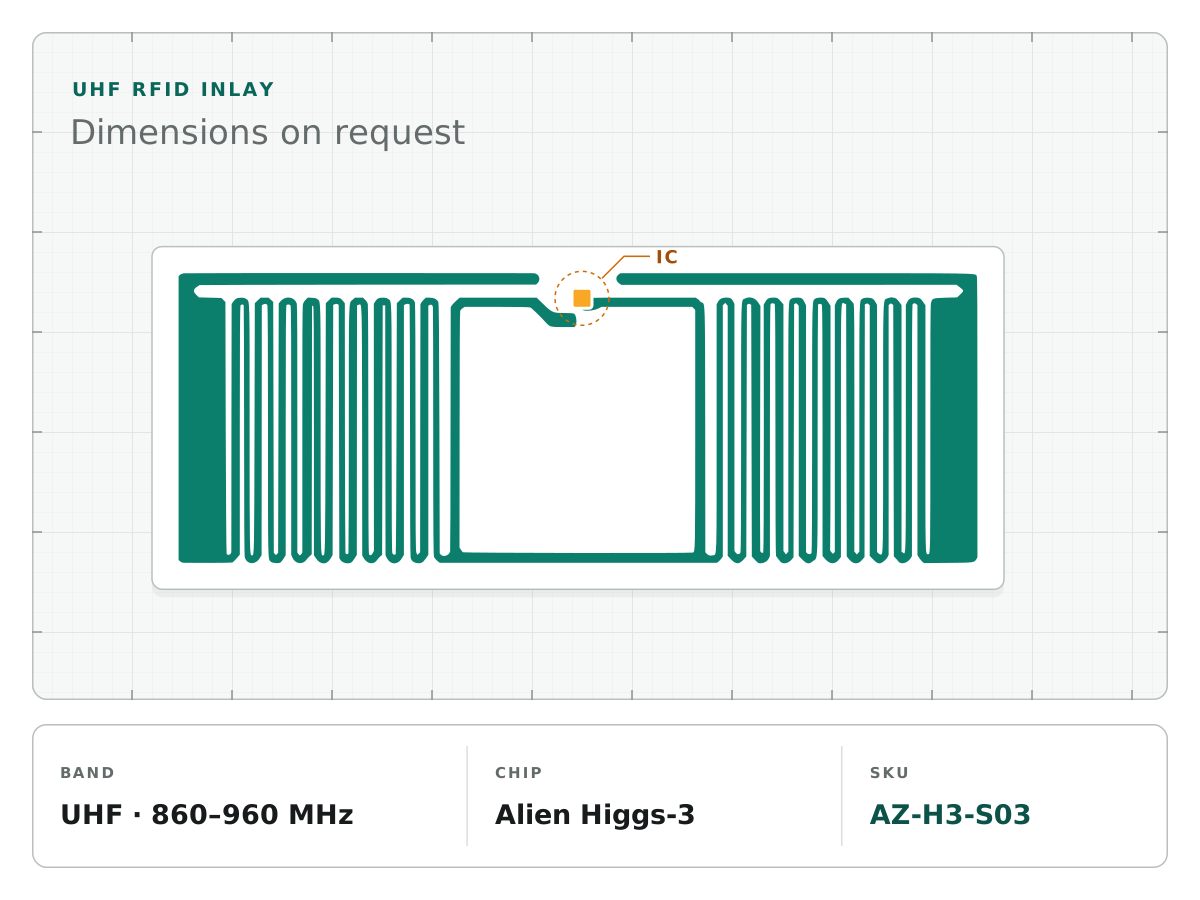 UHF
UHF 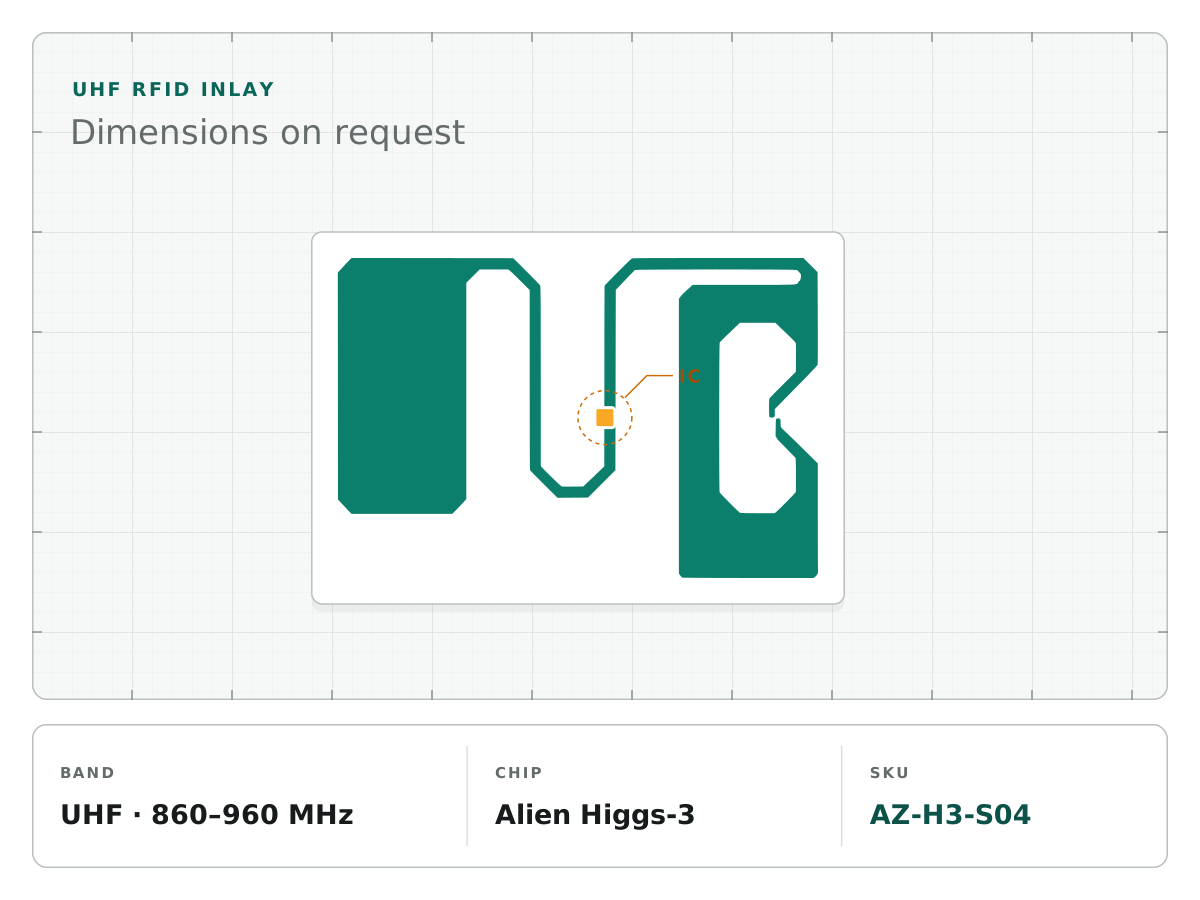 UHF
UHF 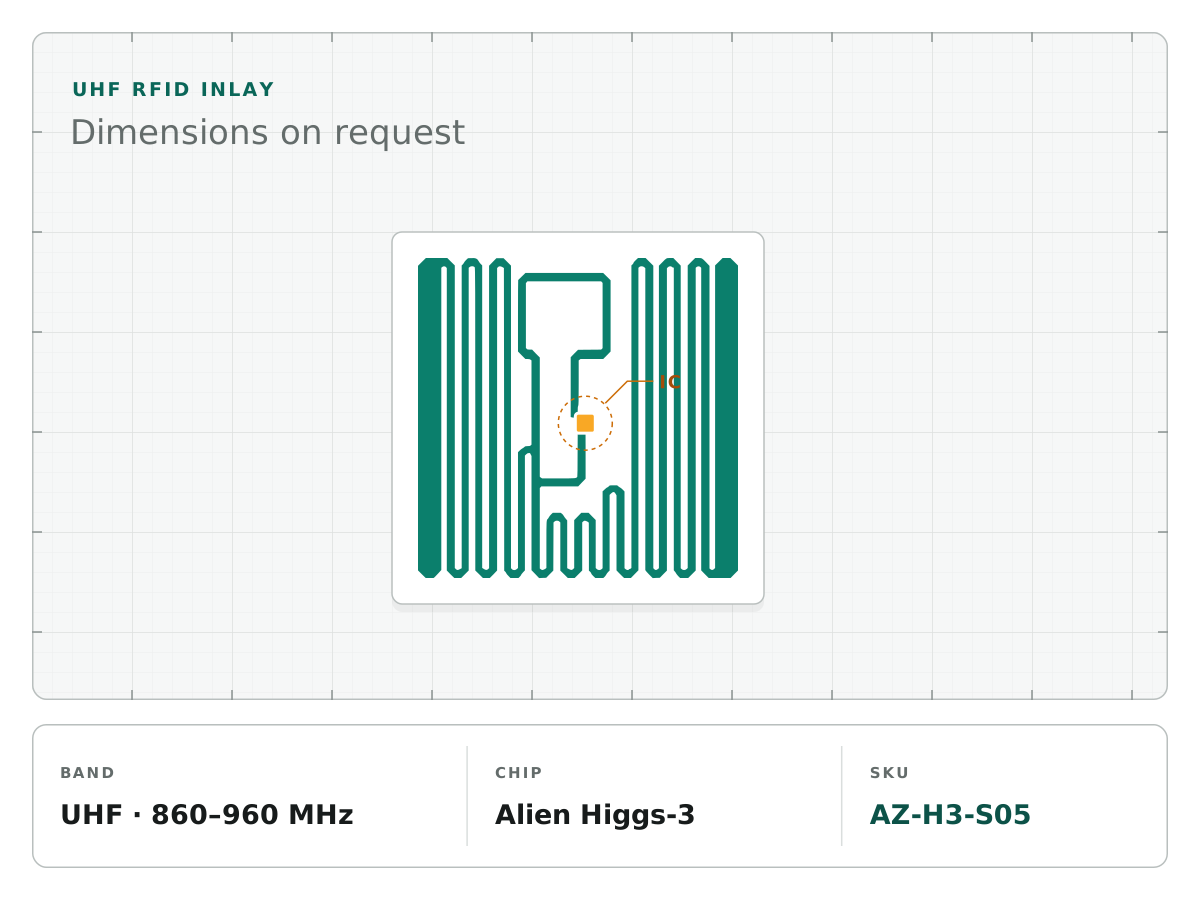 UHF
UHF 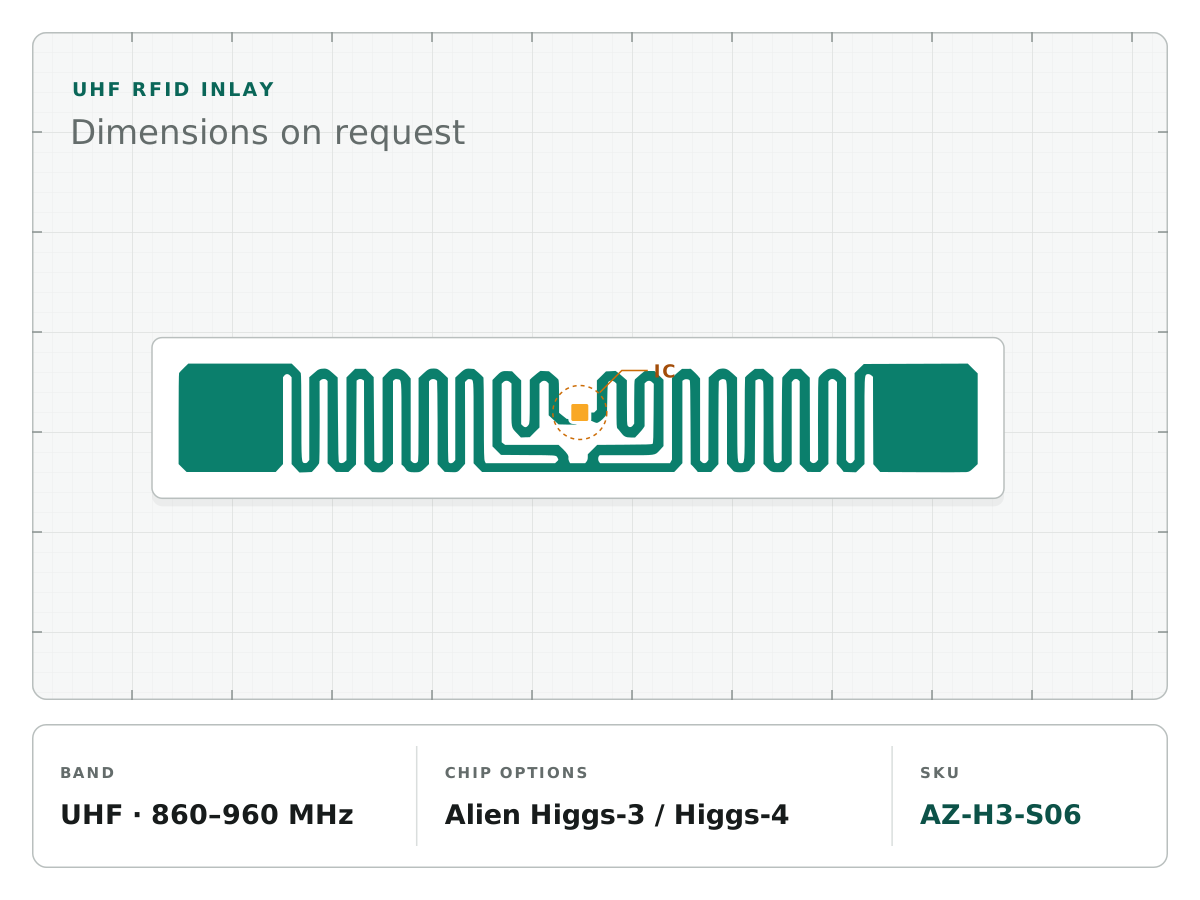 UHF
UHF AZ-H3-S06
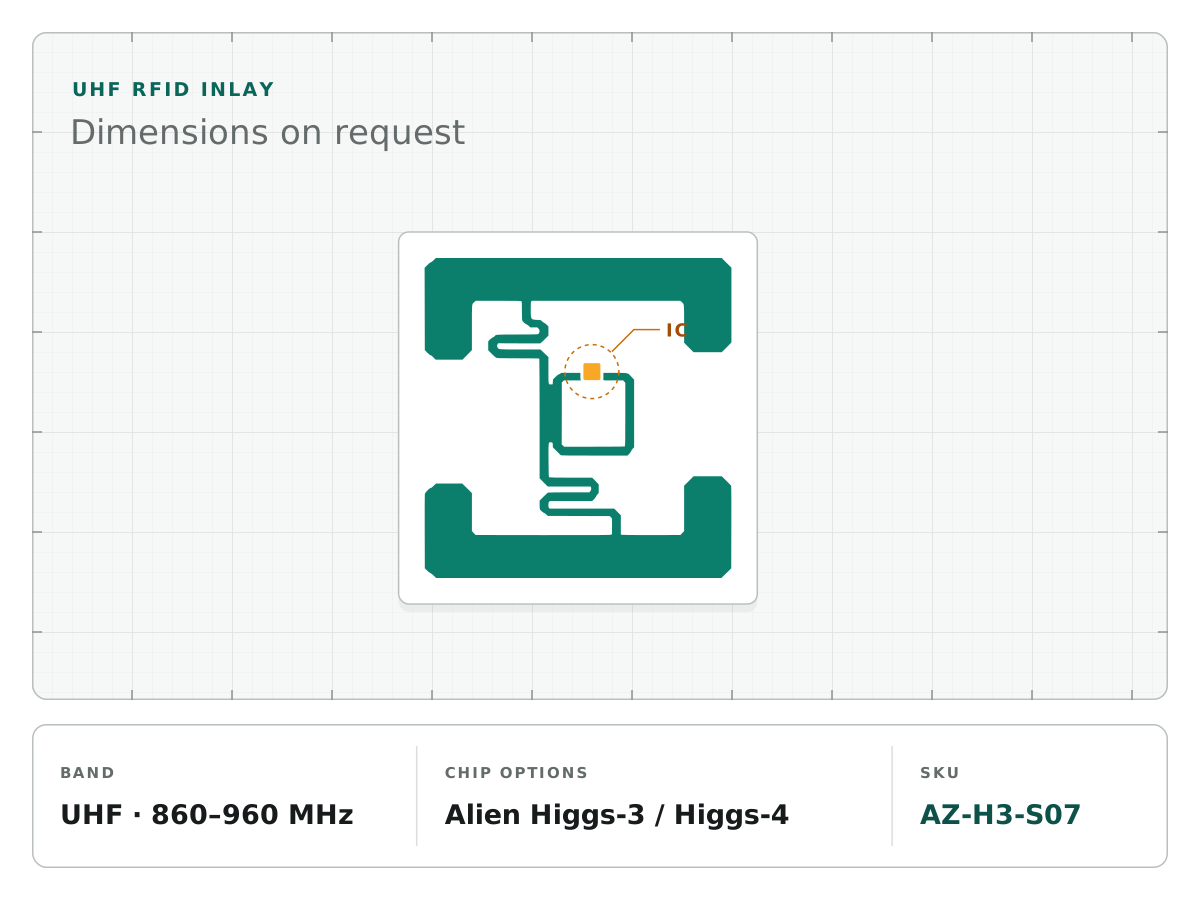 UHF
UHF AZ-H3-S07
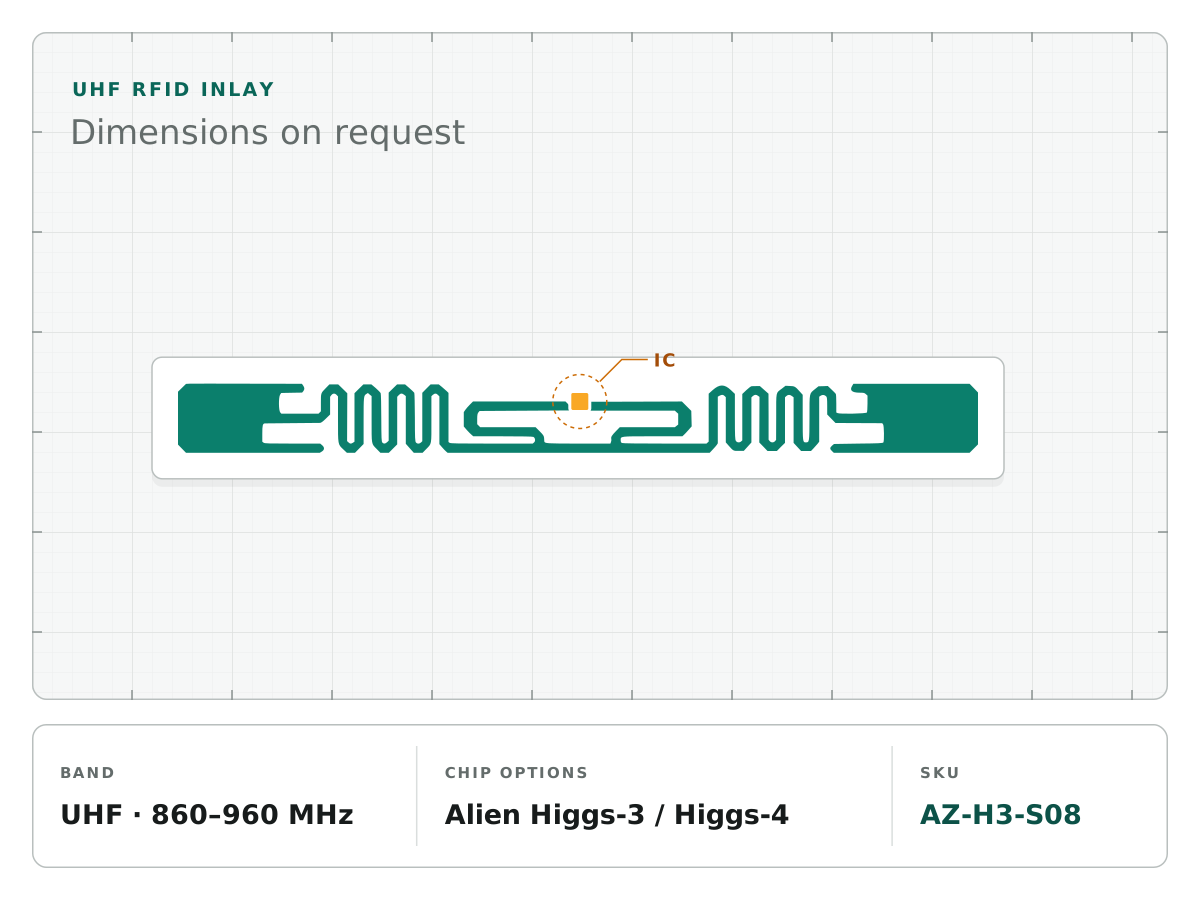 UHF
UHF AZ-H3-S08
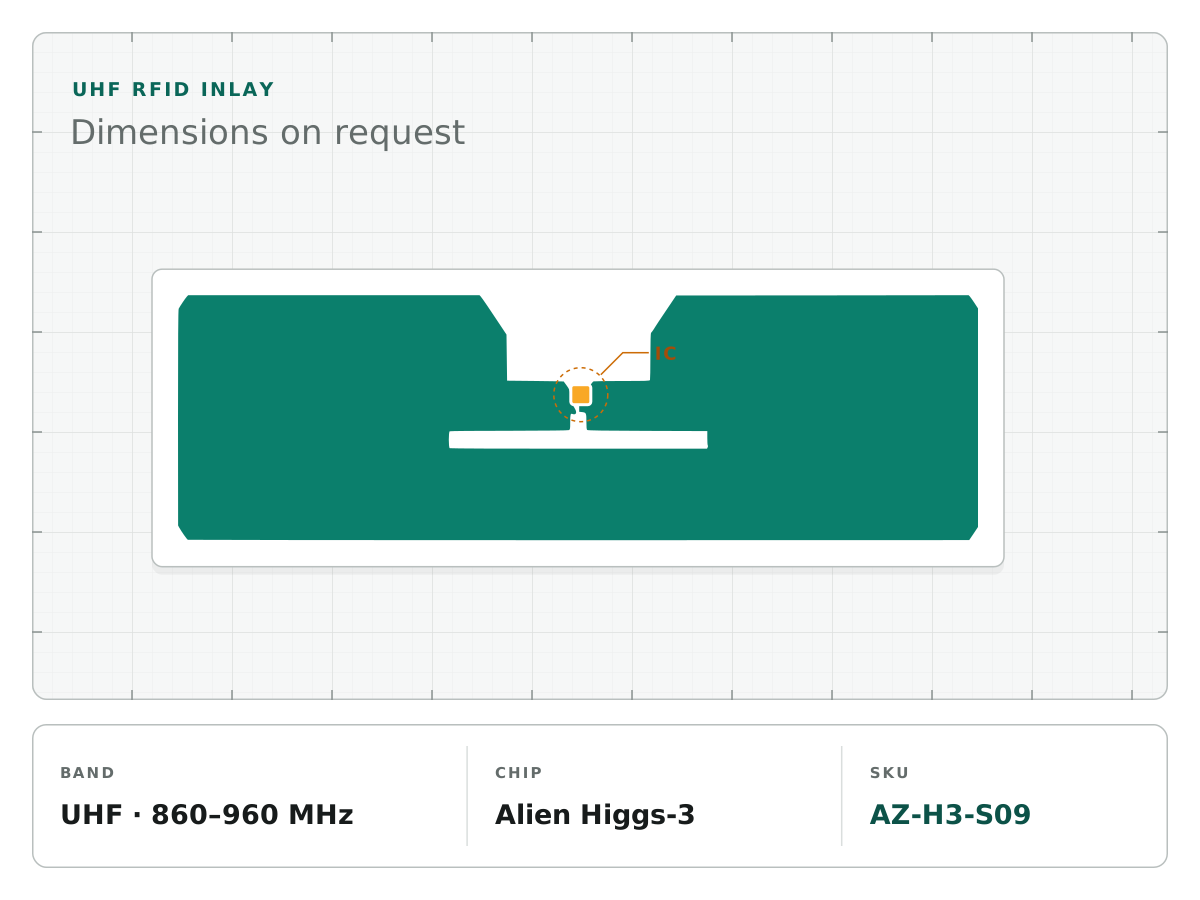 UHF
UHF 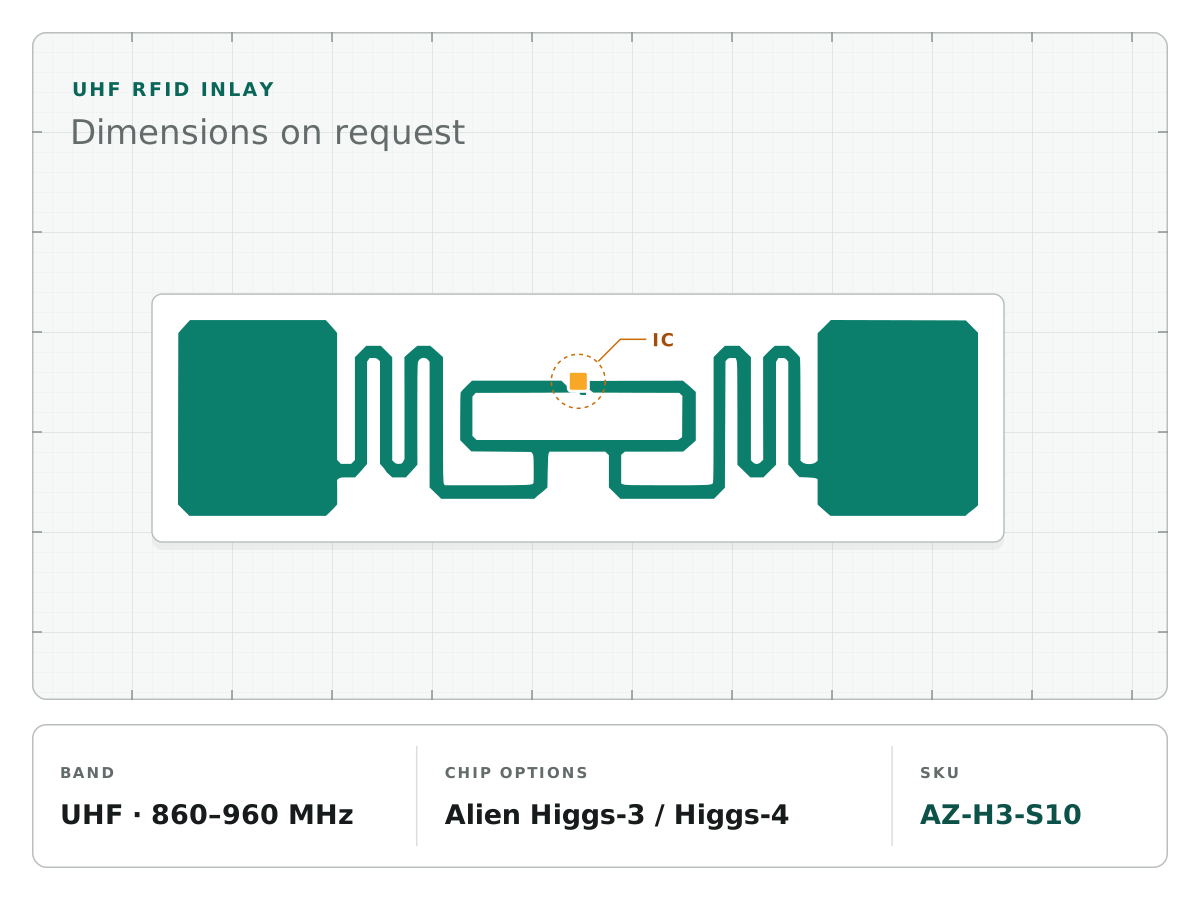 UHF
UHF AZ-H3-S10
 UHF
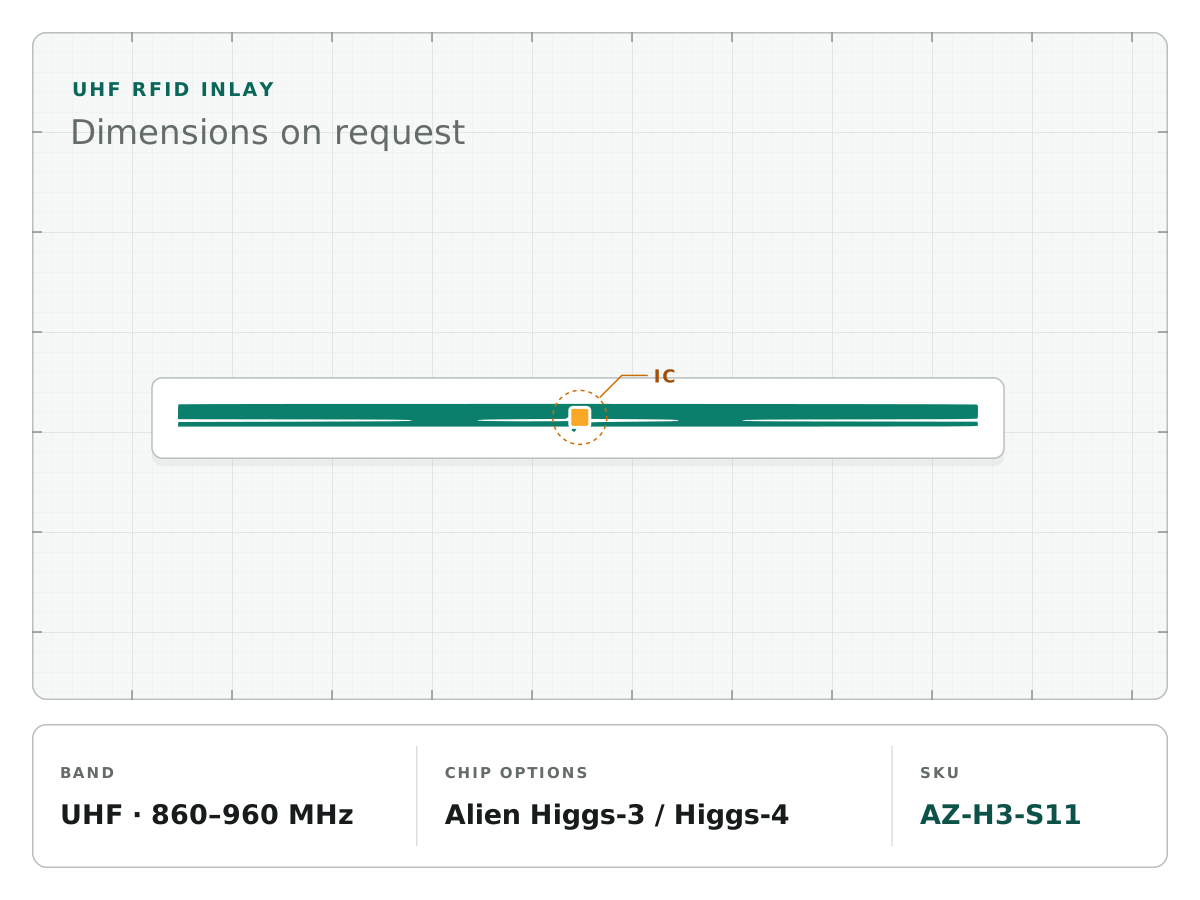
UHF AZ-H3-S11
 UHF
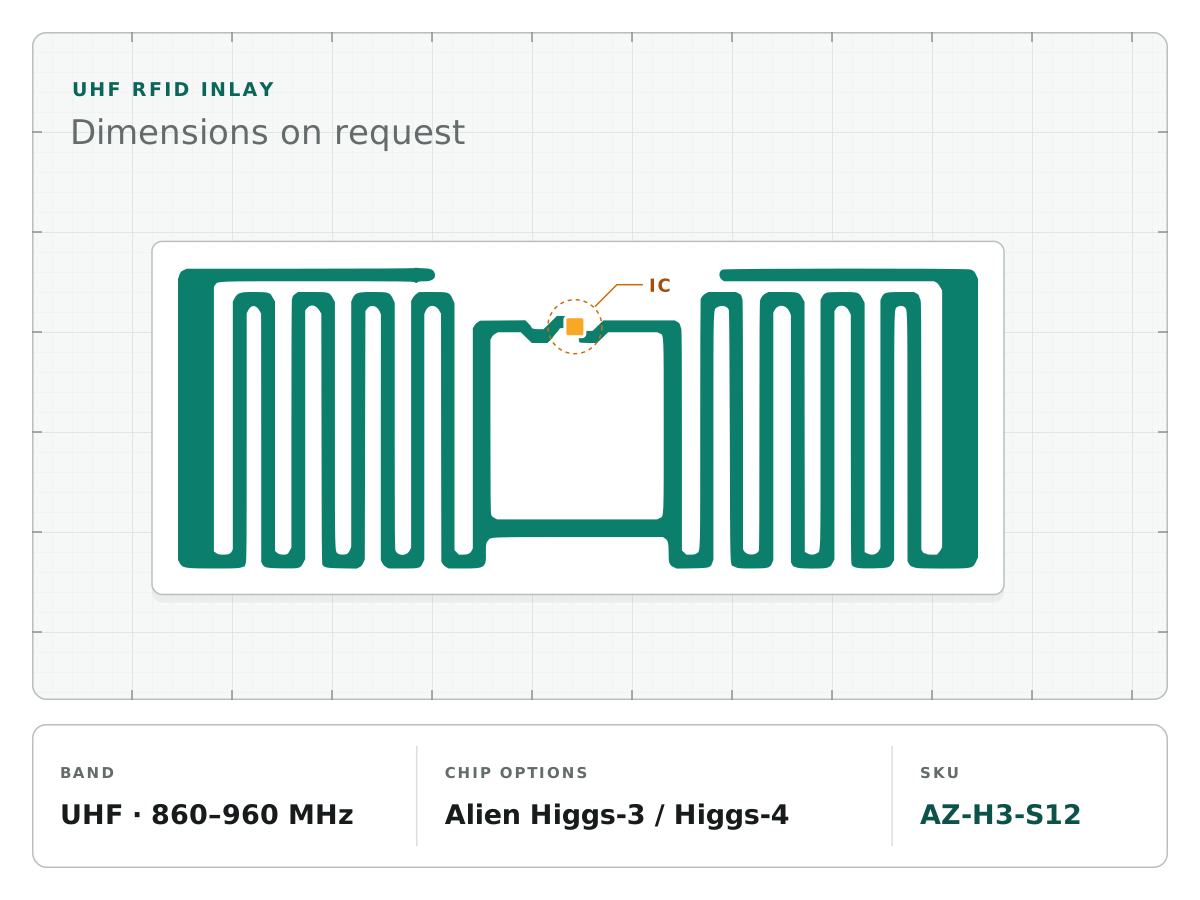
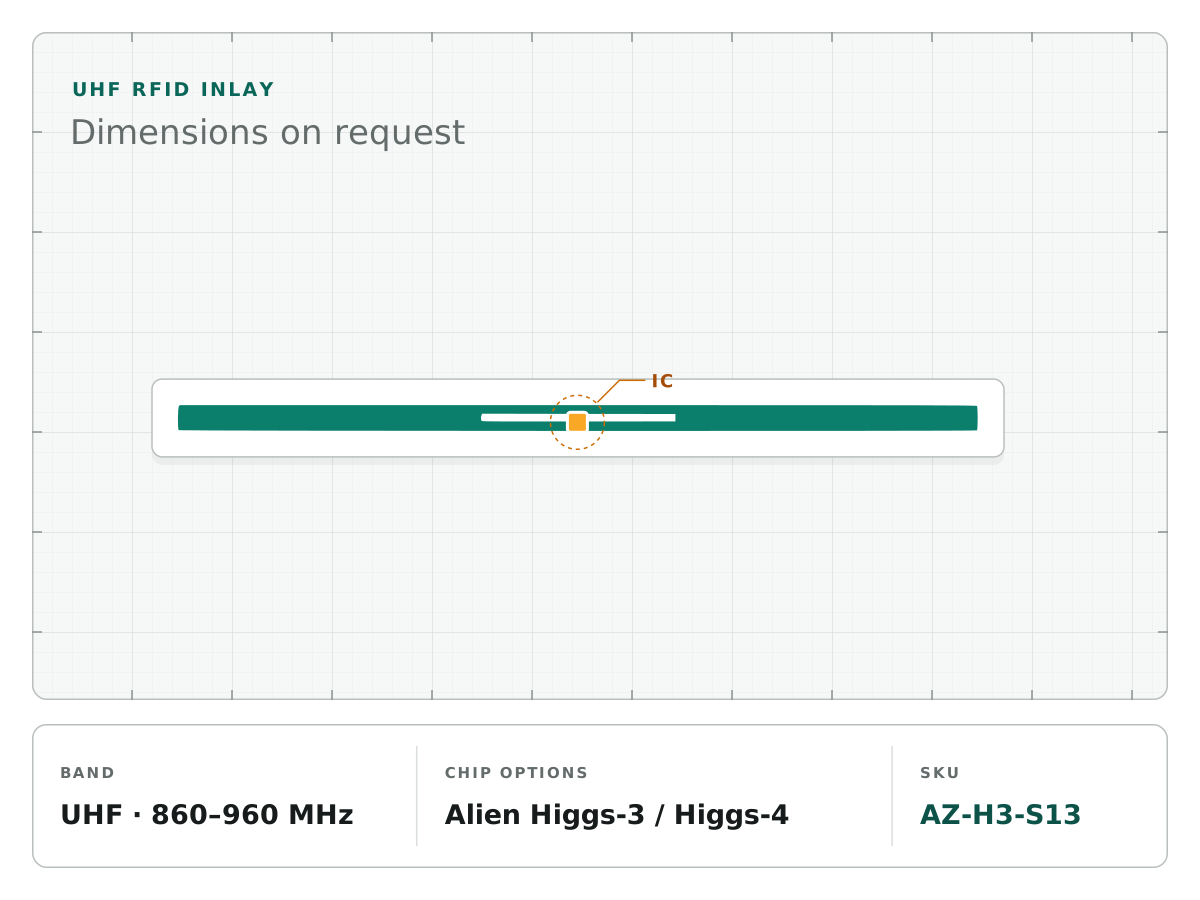
UHF AZ-H3-S12
 UHF
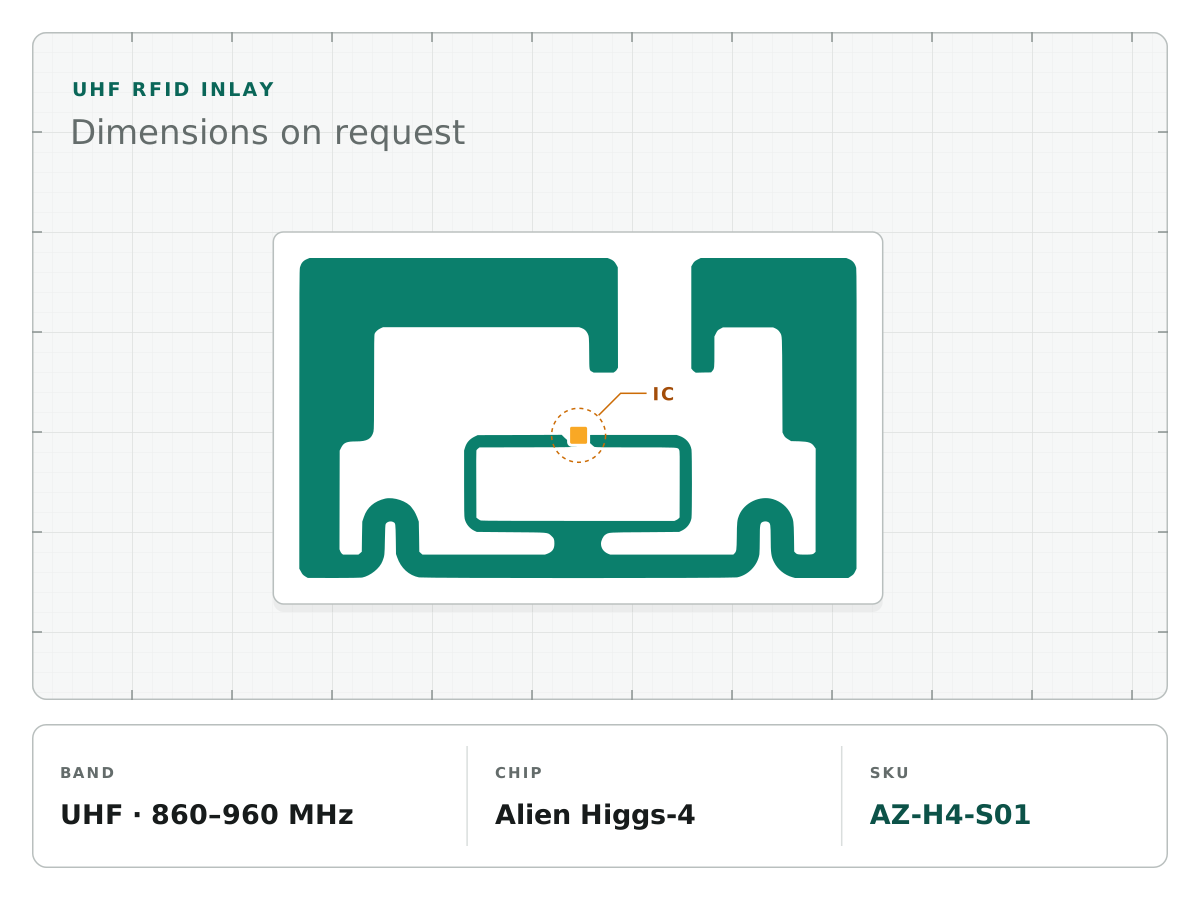
UHF AZ-H3-S13
 UHF
UHF  UHF
UHF  UHF
UHF 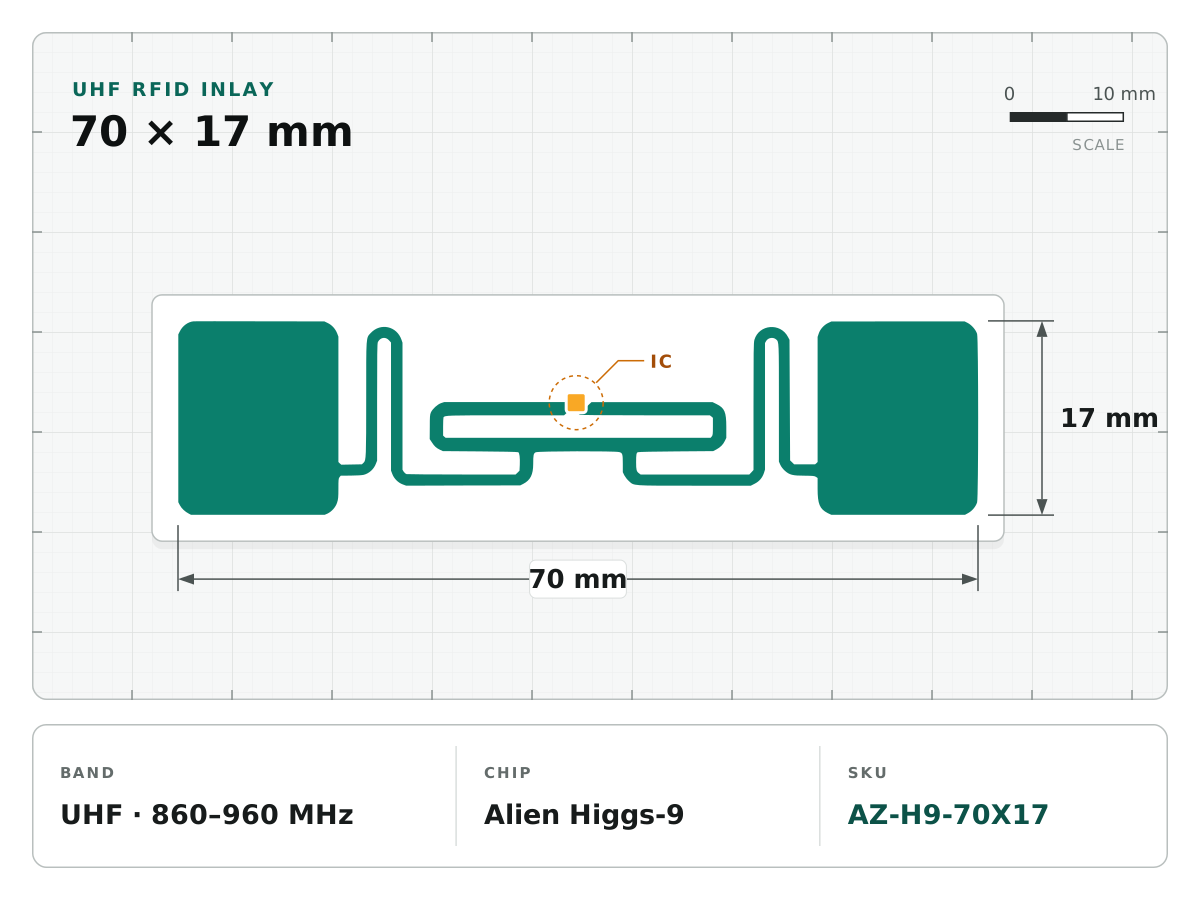 UHF
UHF 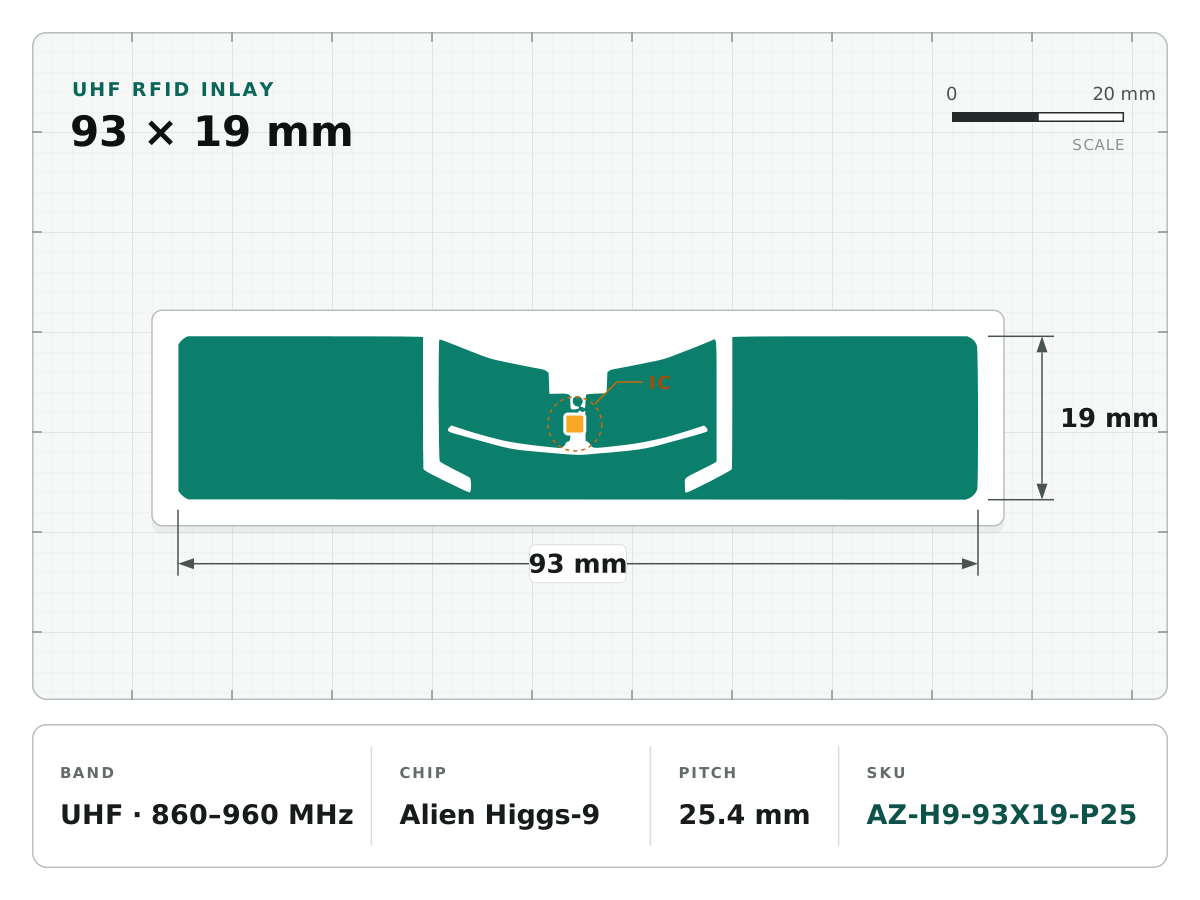 UHF
UHF AZ-H9-93X19-P25
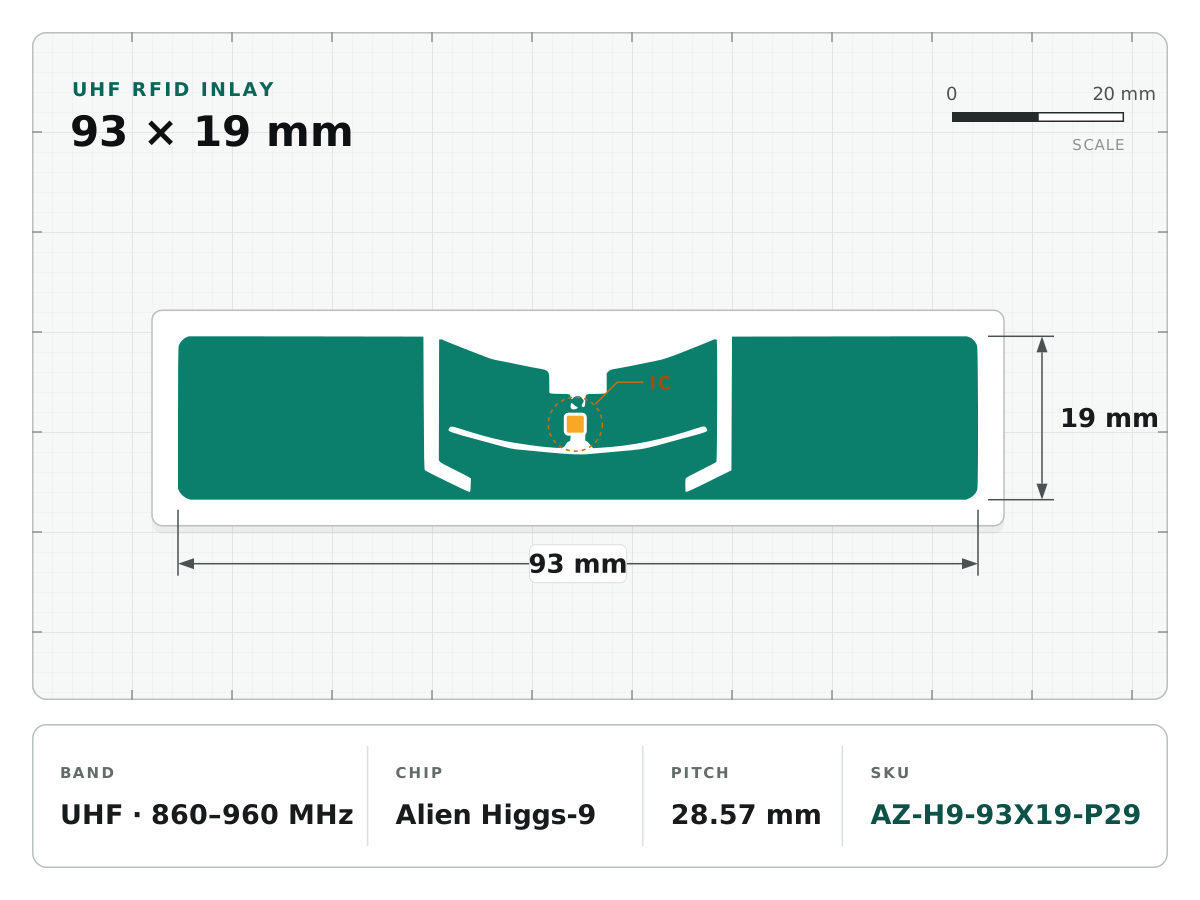 UHF
UHF AZ-H9-93X19-P29
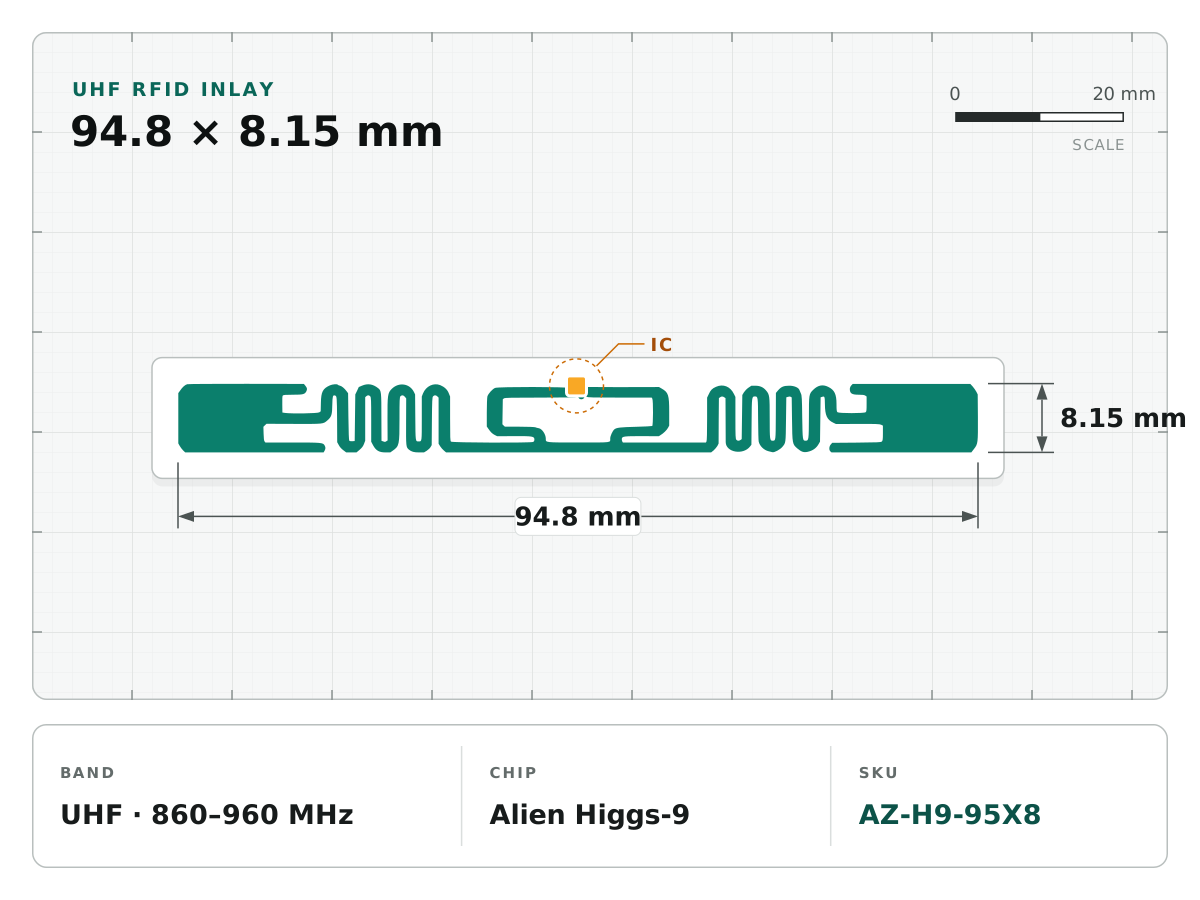 UHF
UHF 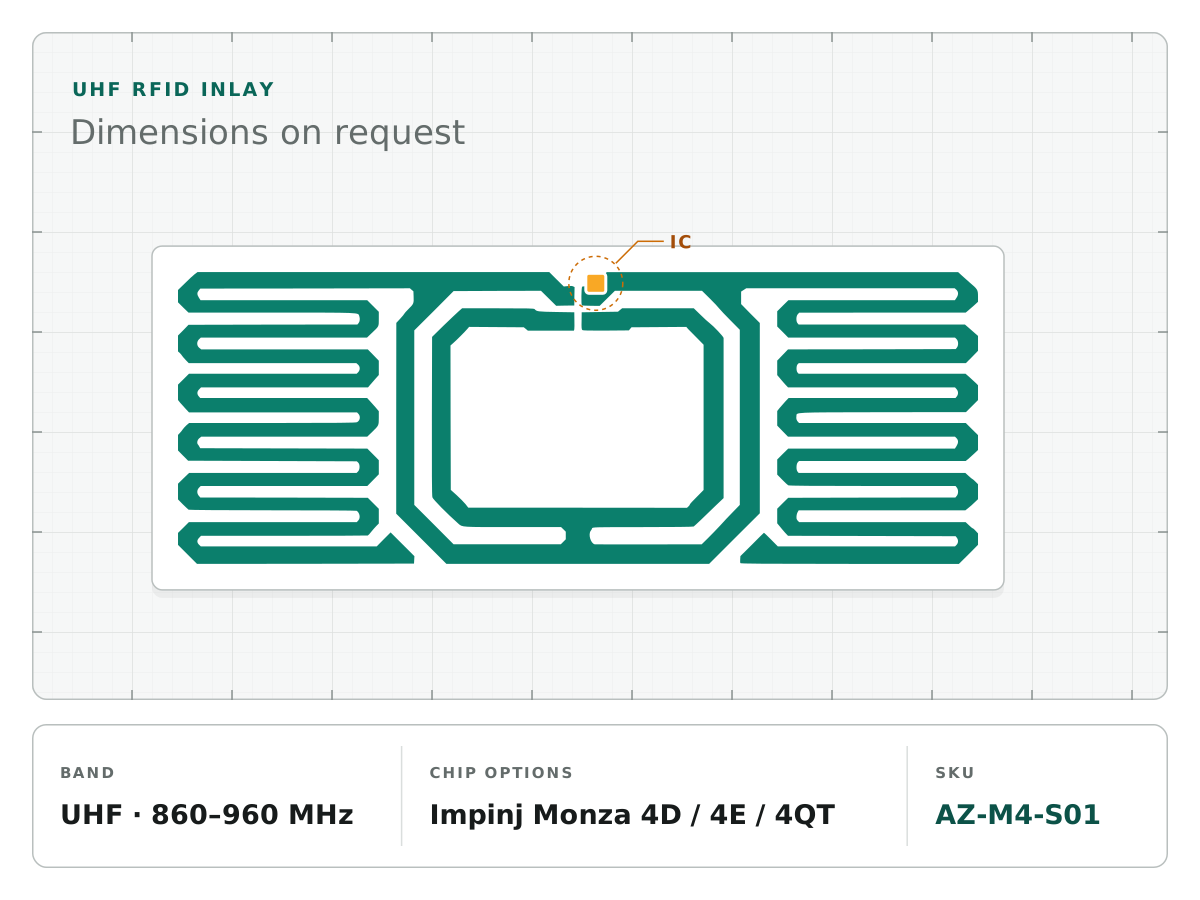 UHF
UHF AZ-M4-S01
 UHF
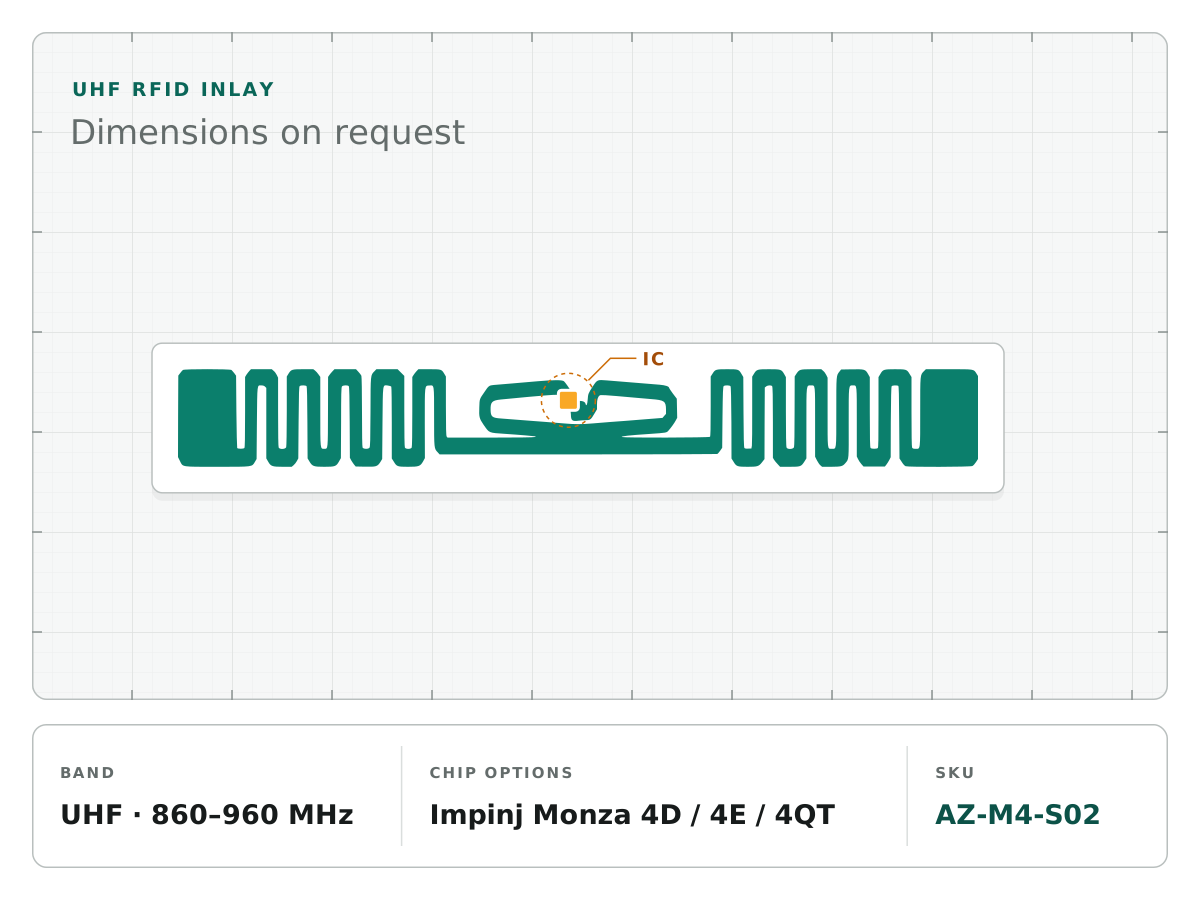
UHF AZ-M4-S02
 UHF
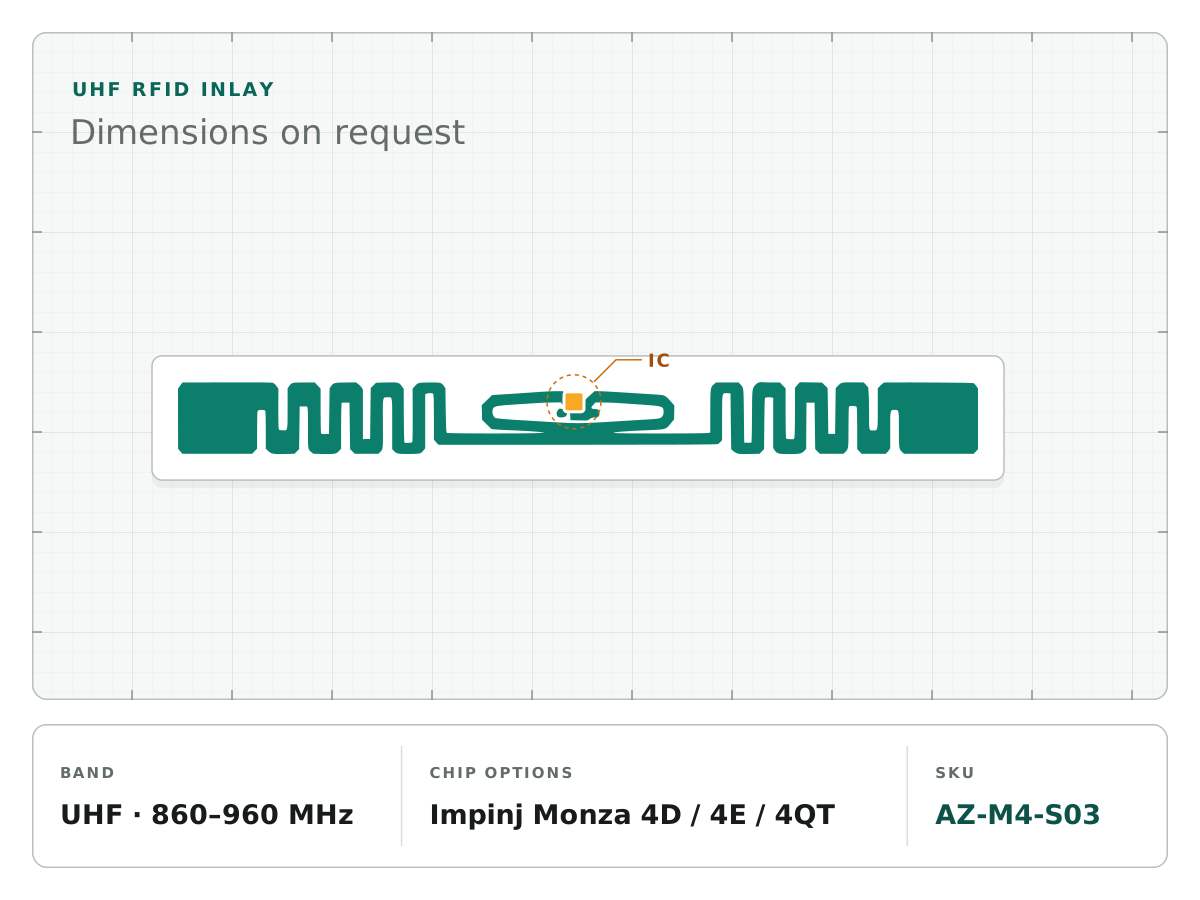
UHF AZ-M4-S03
 UHF
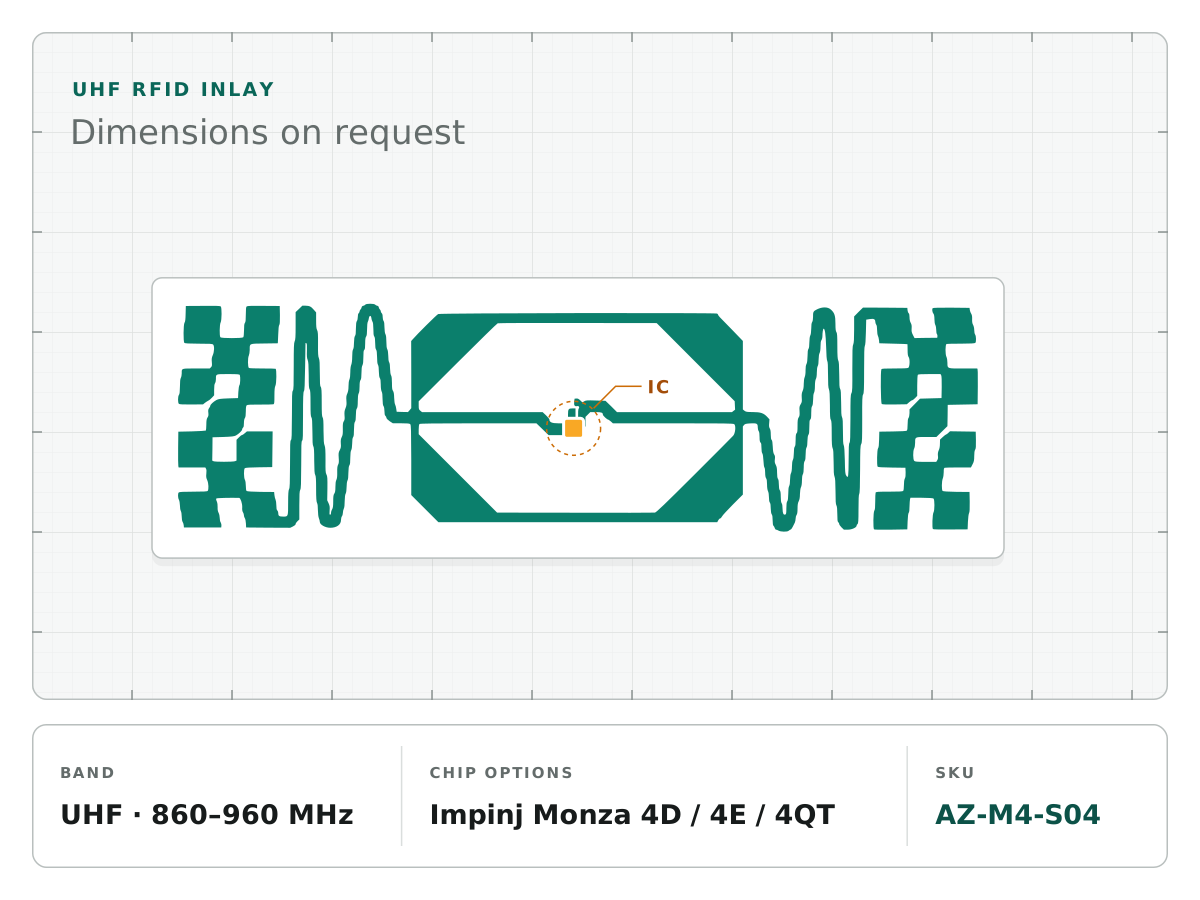
UHF AZ-M4-S04
 UHF
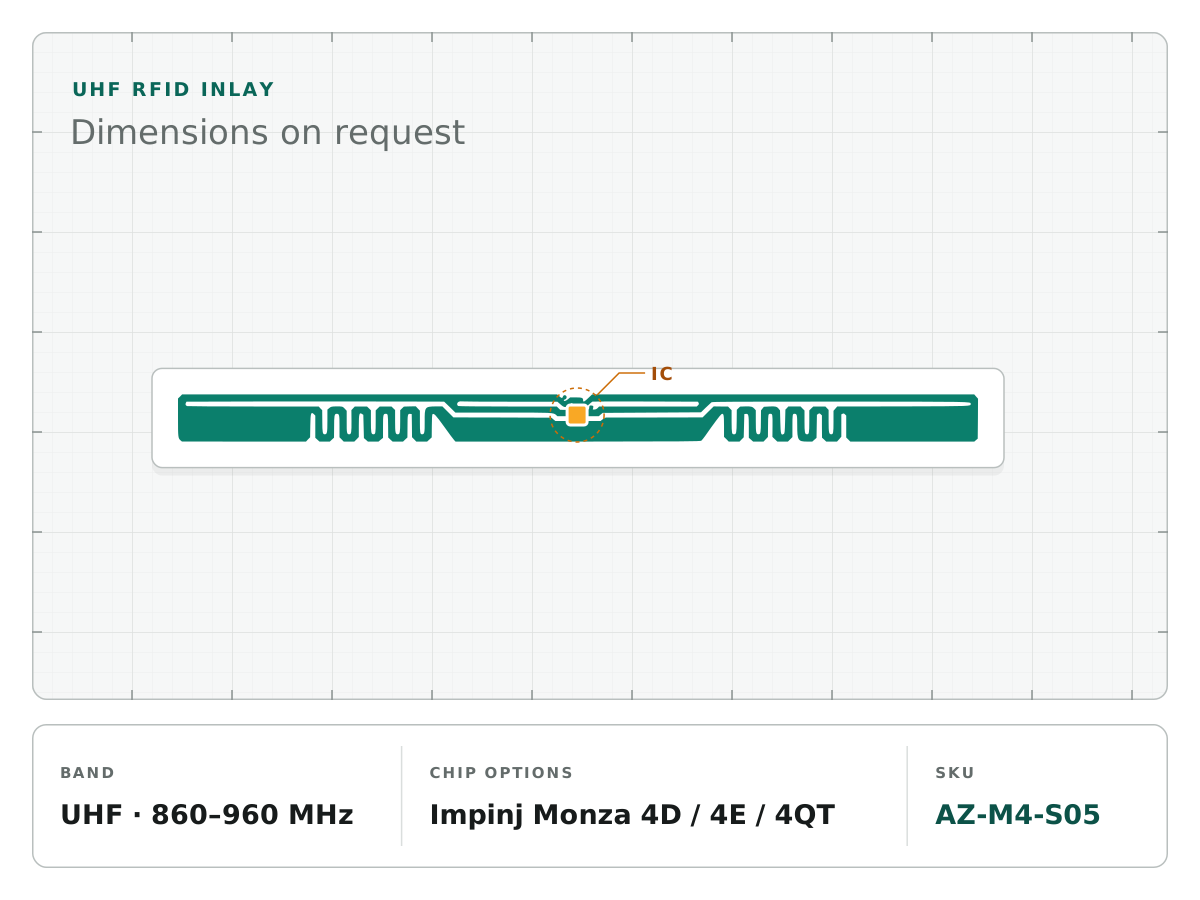
UHF AZ-M4-S05
 UHF
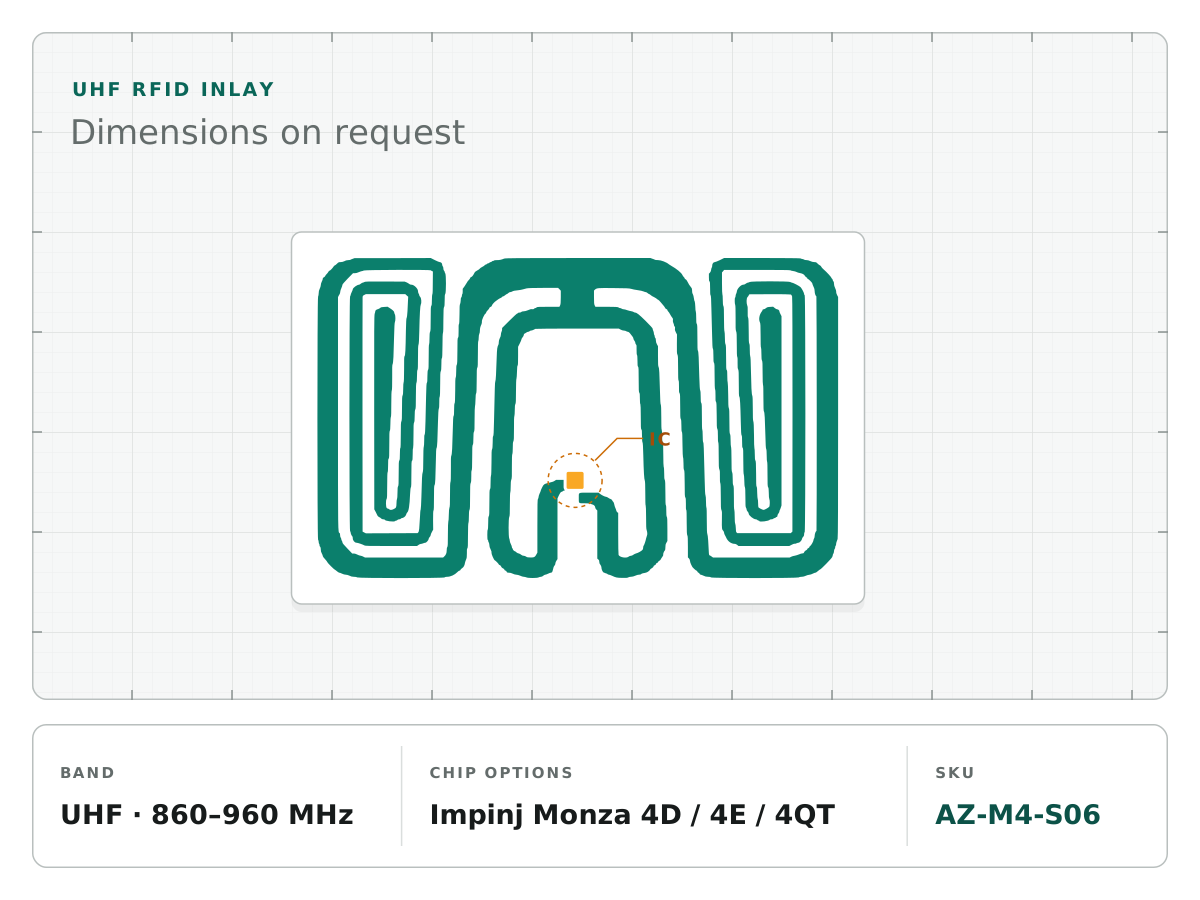
UHF AZ-M4-S06
 UHF
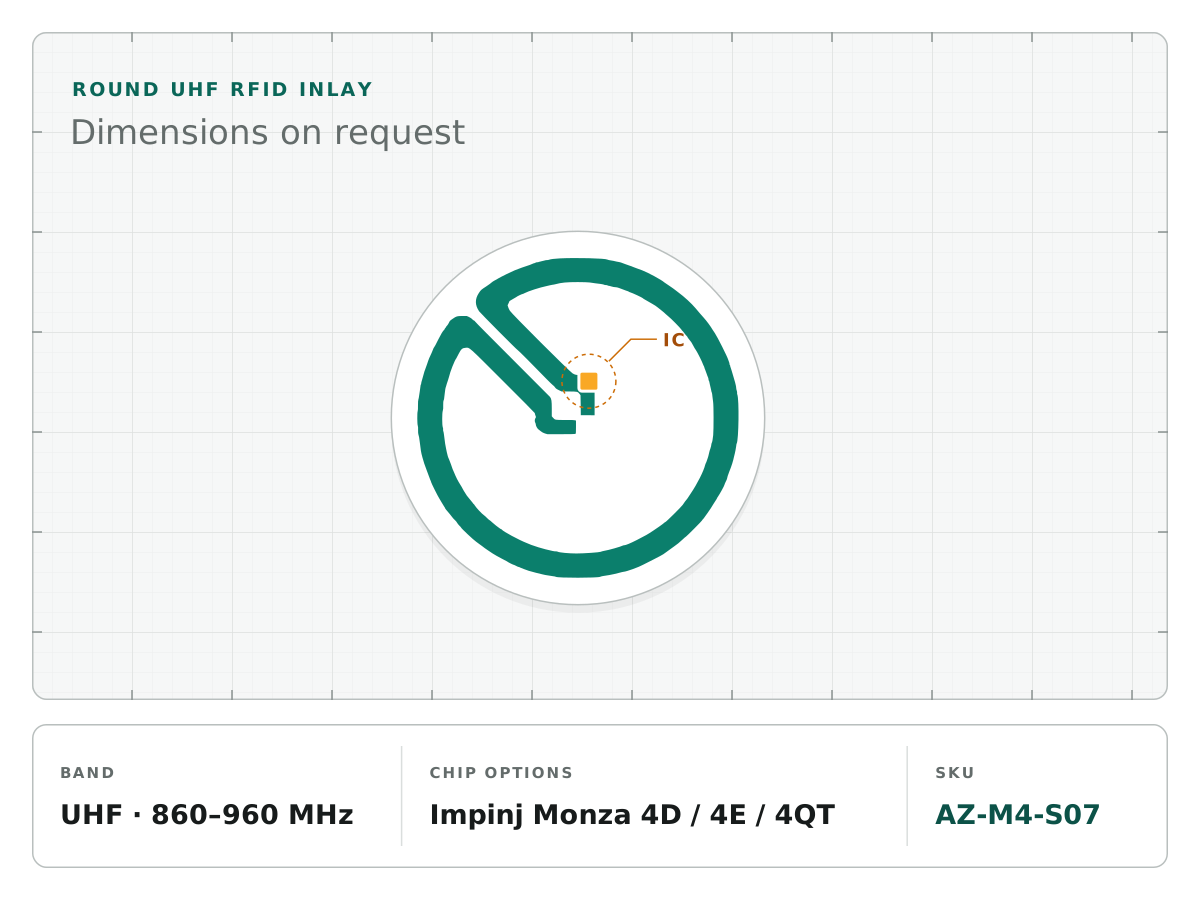
UHF AZ-M4-S07
 UHF
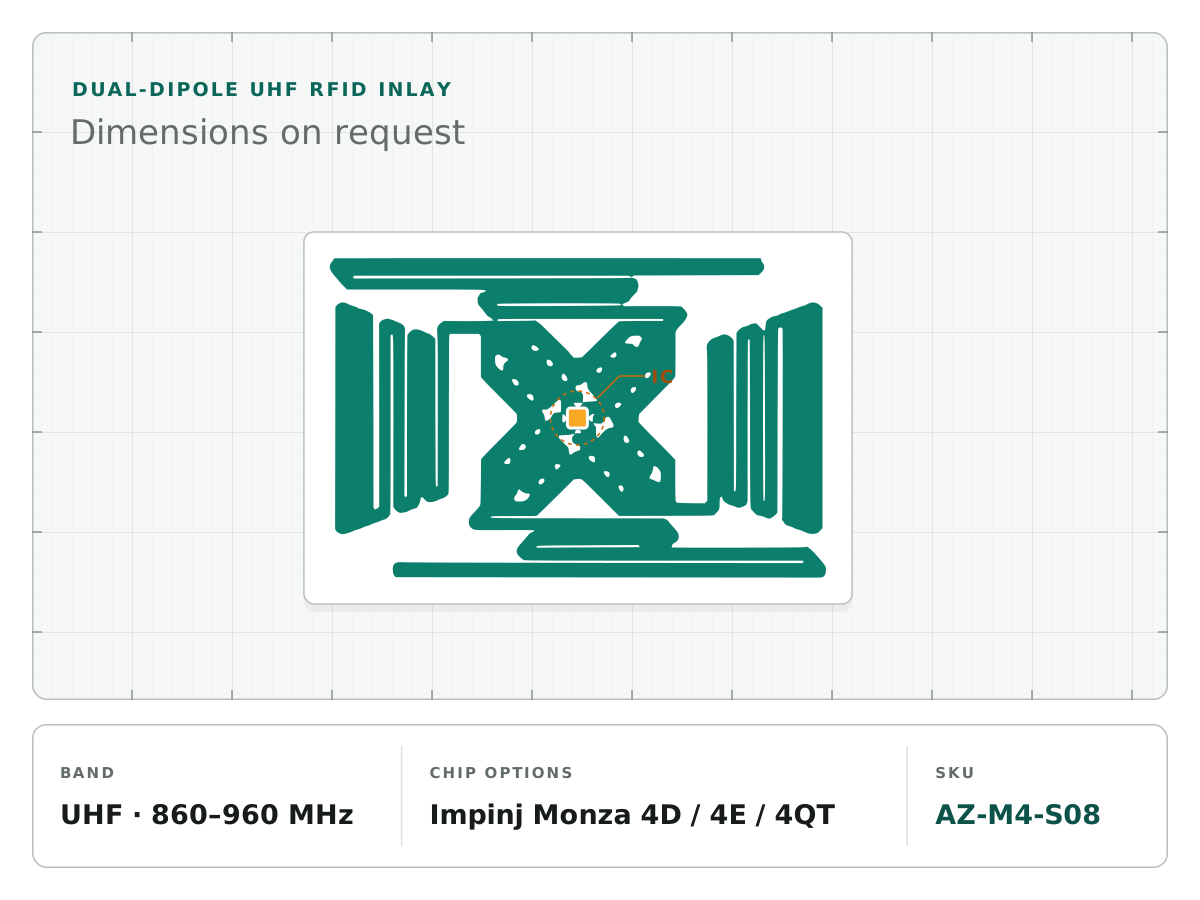
UHF AZ-M4-S08
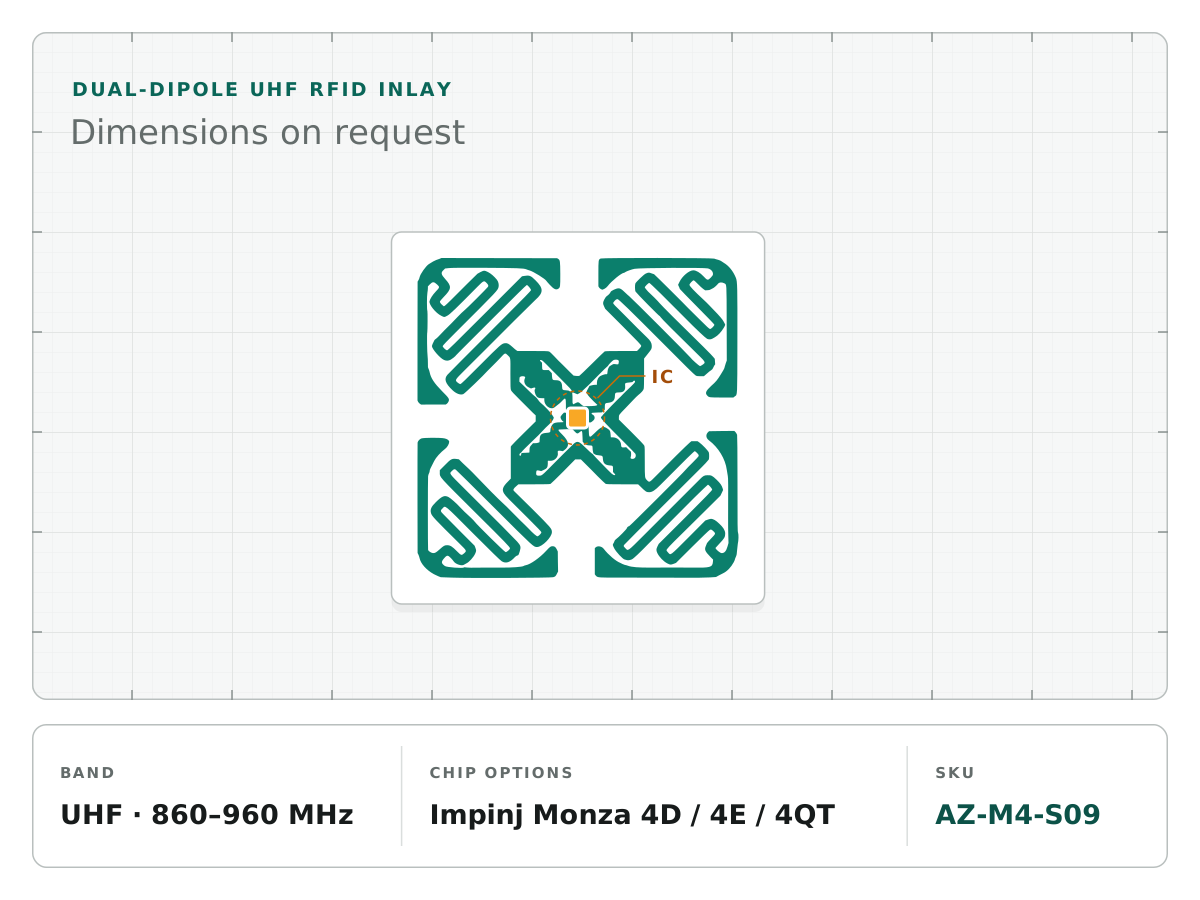 UHF
UHF AZ-M4-S09
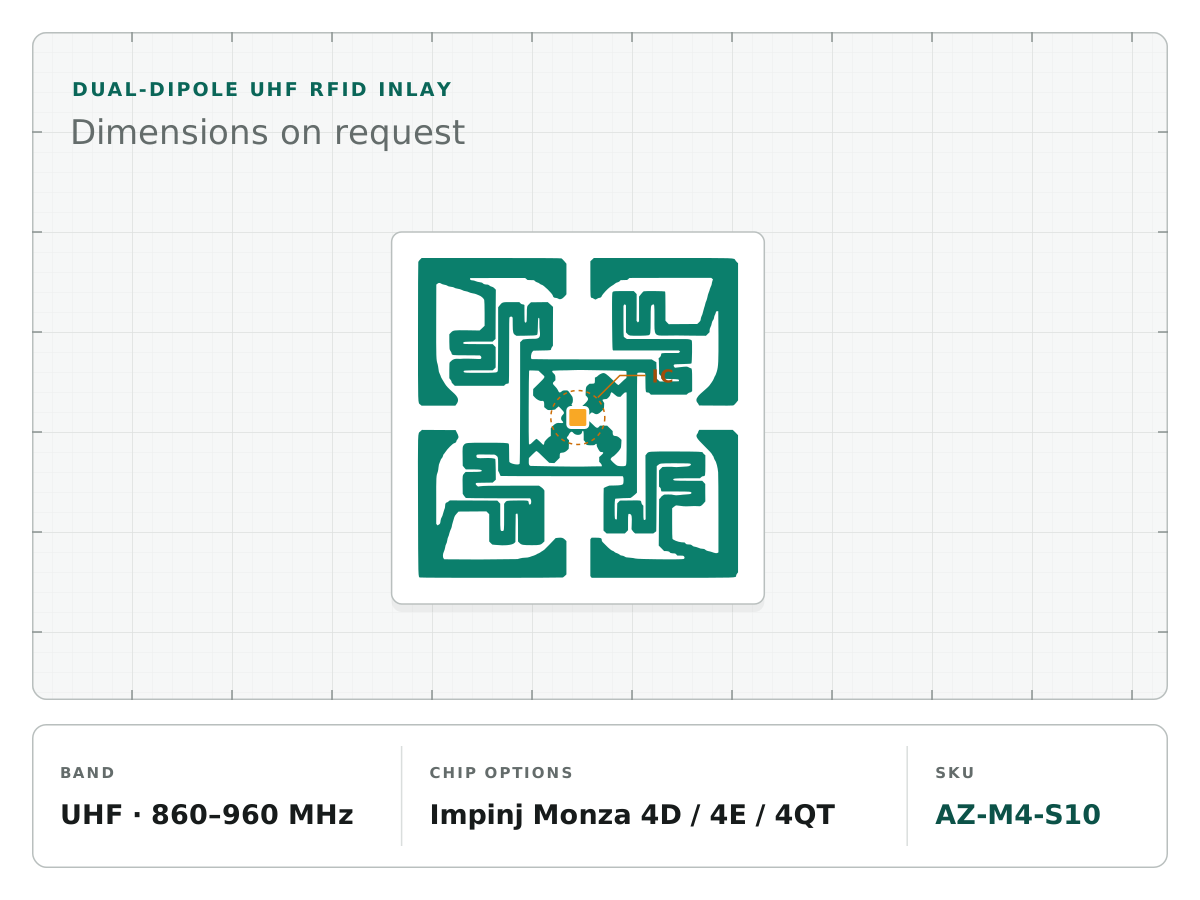 UHF
UHF AZ-M4-S10
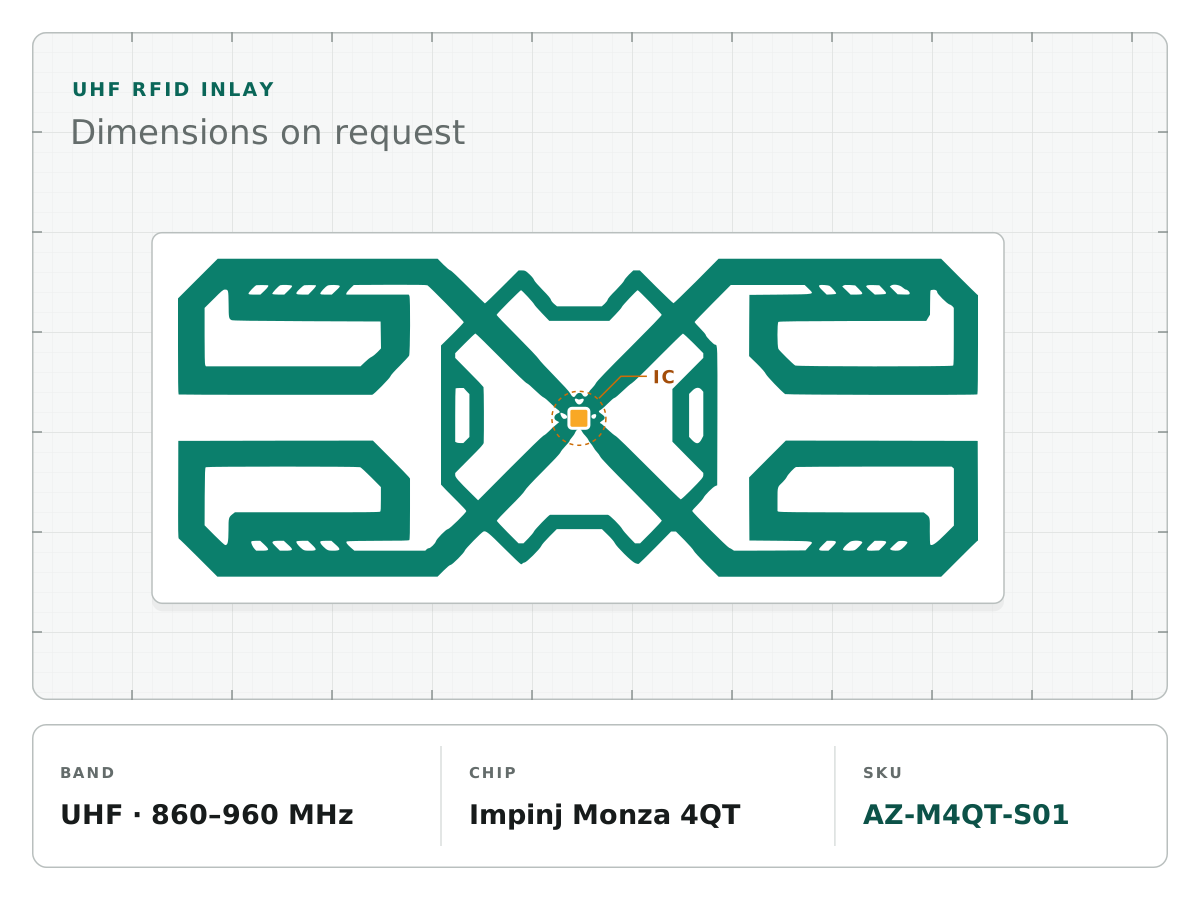 UHF
UHF 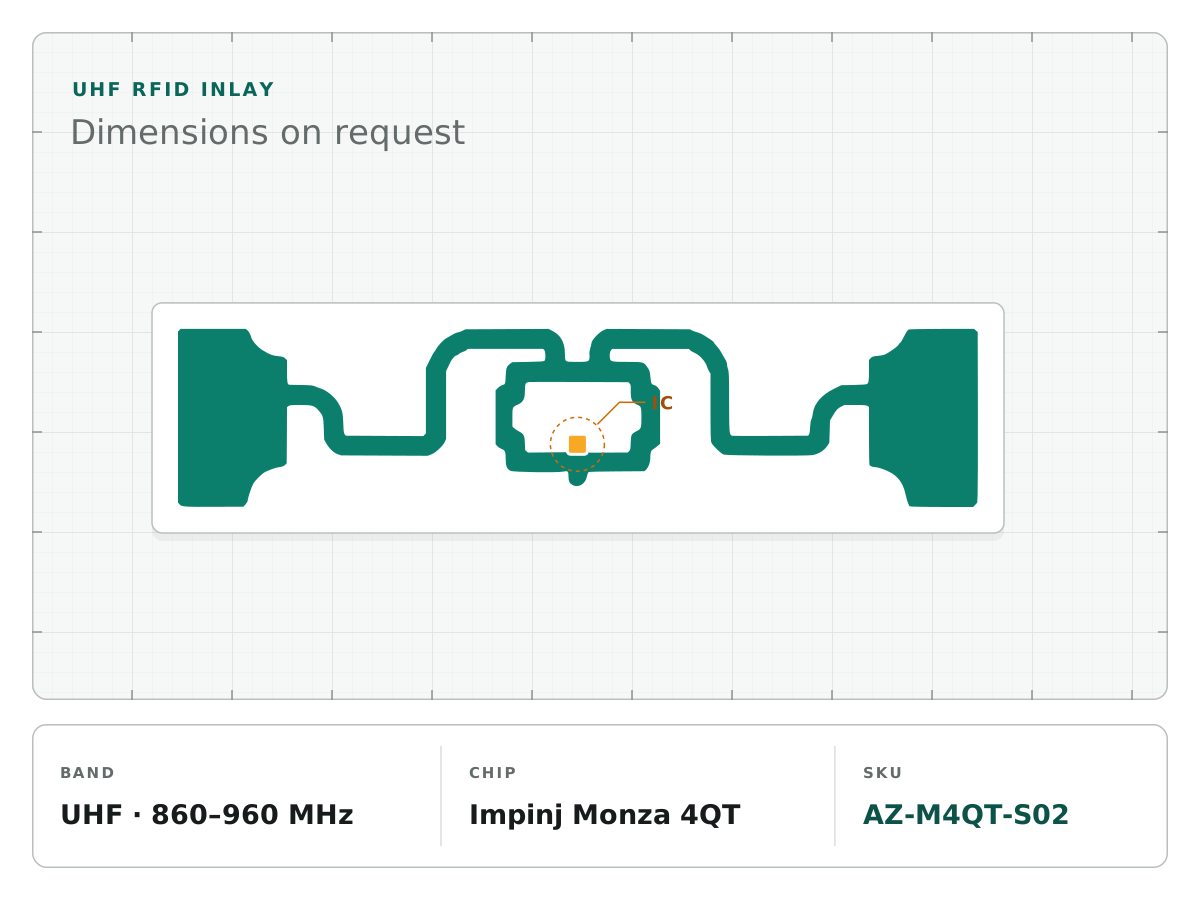 UHF
UHF 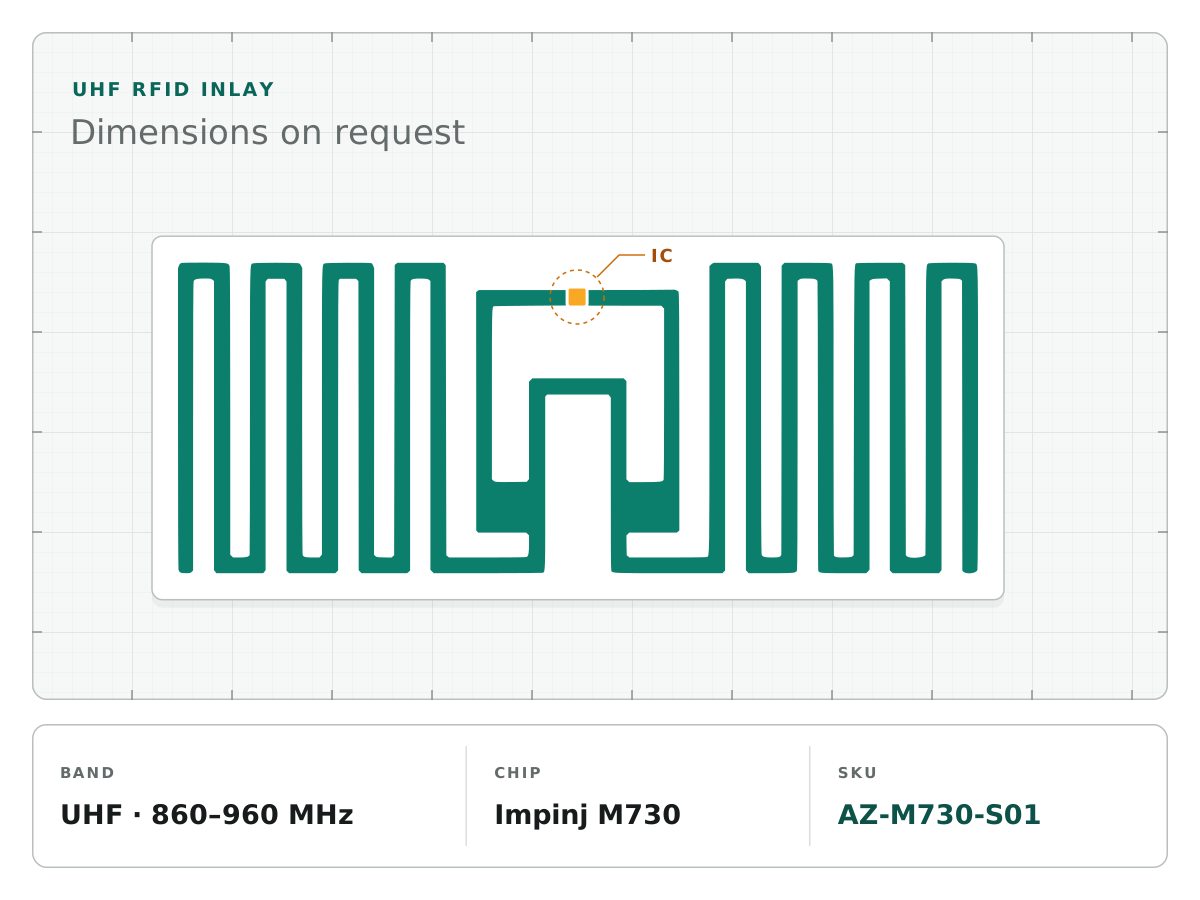 UHF
UHF 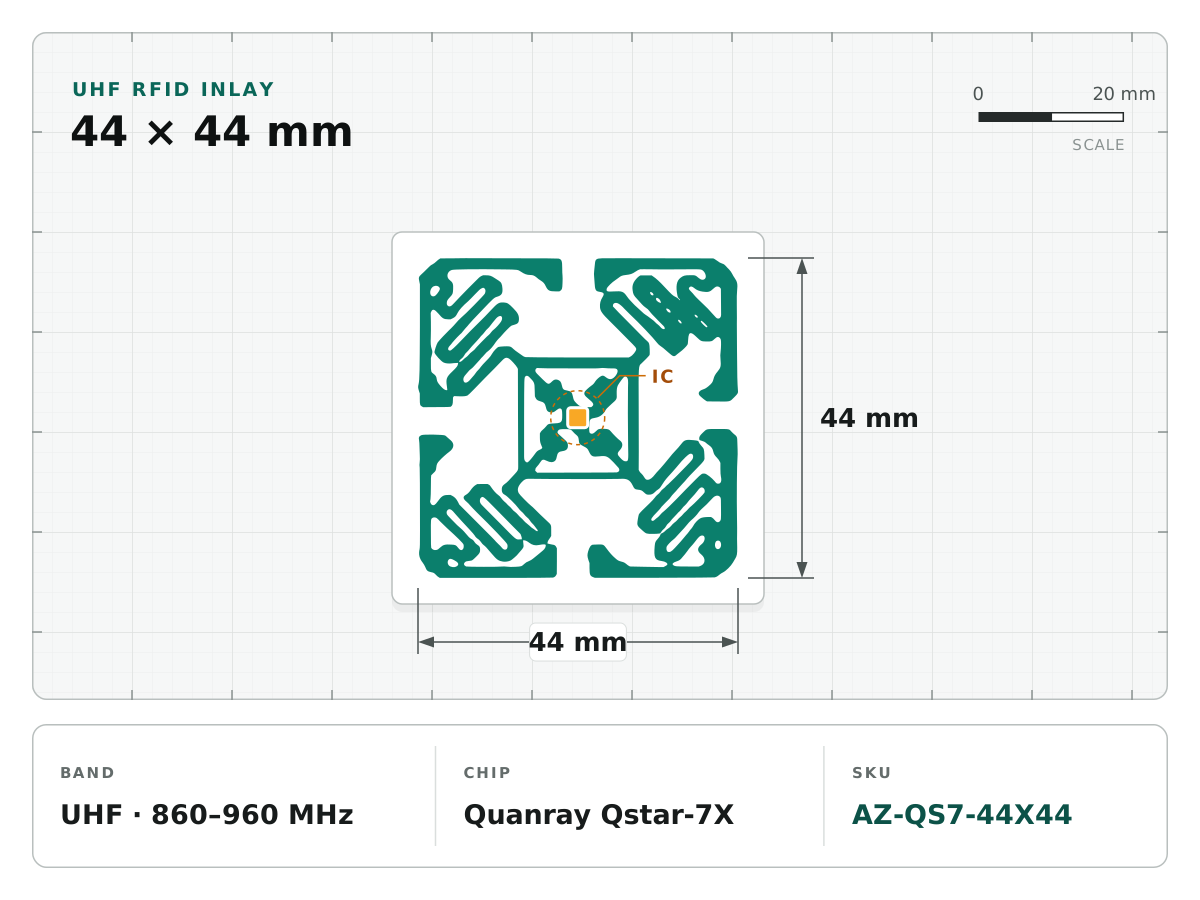 UHF
UHF 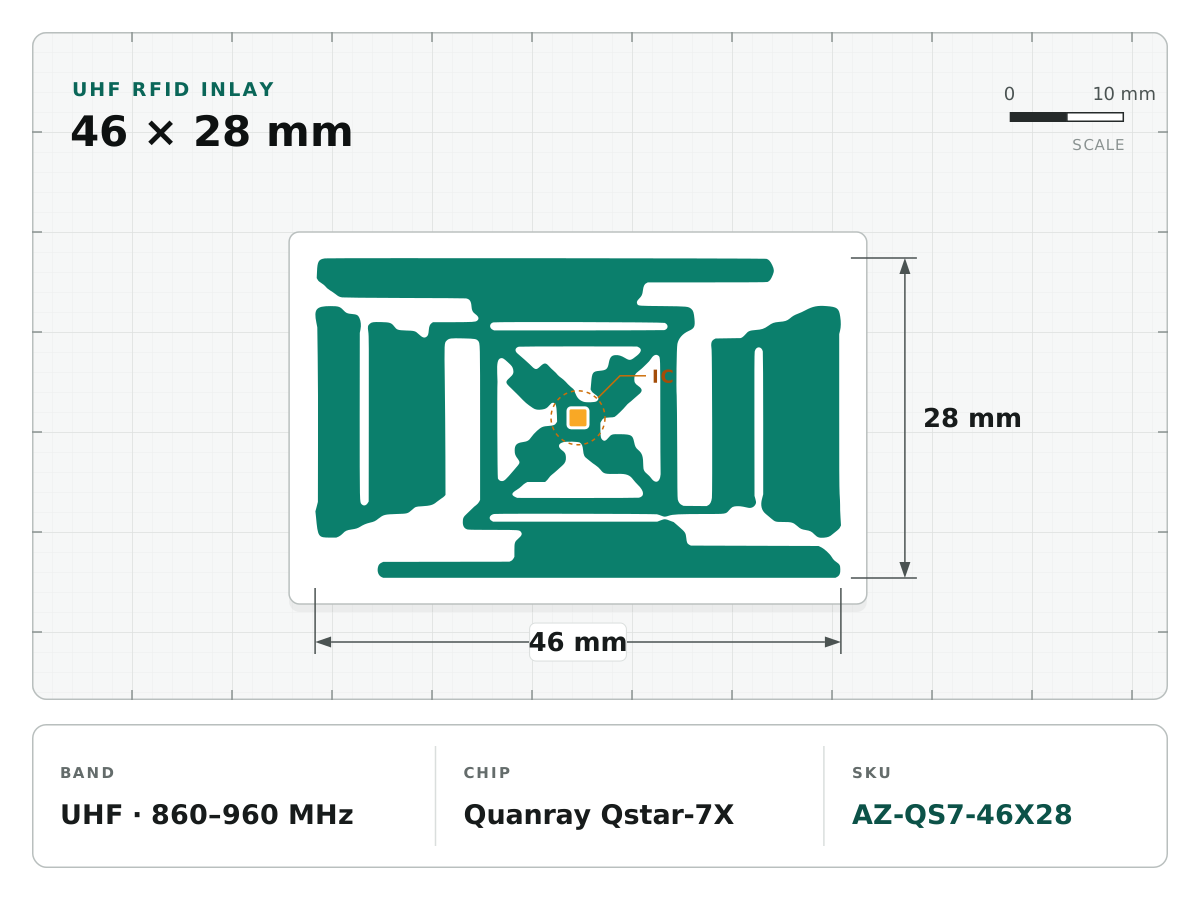 UHF
UHF 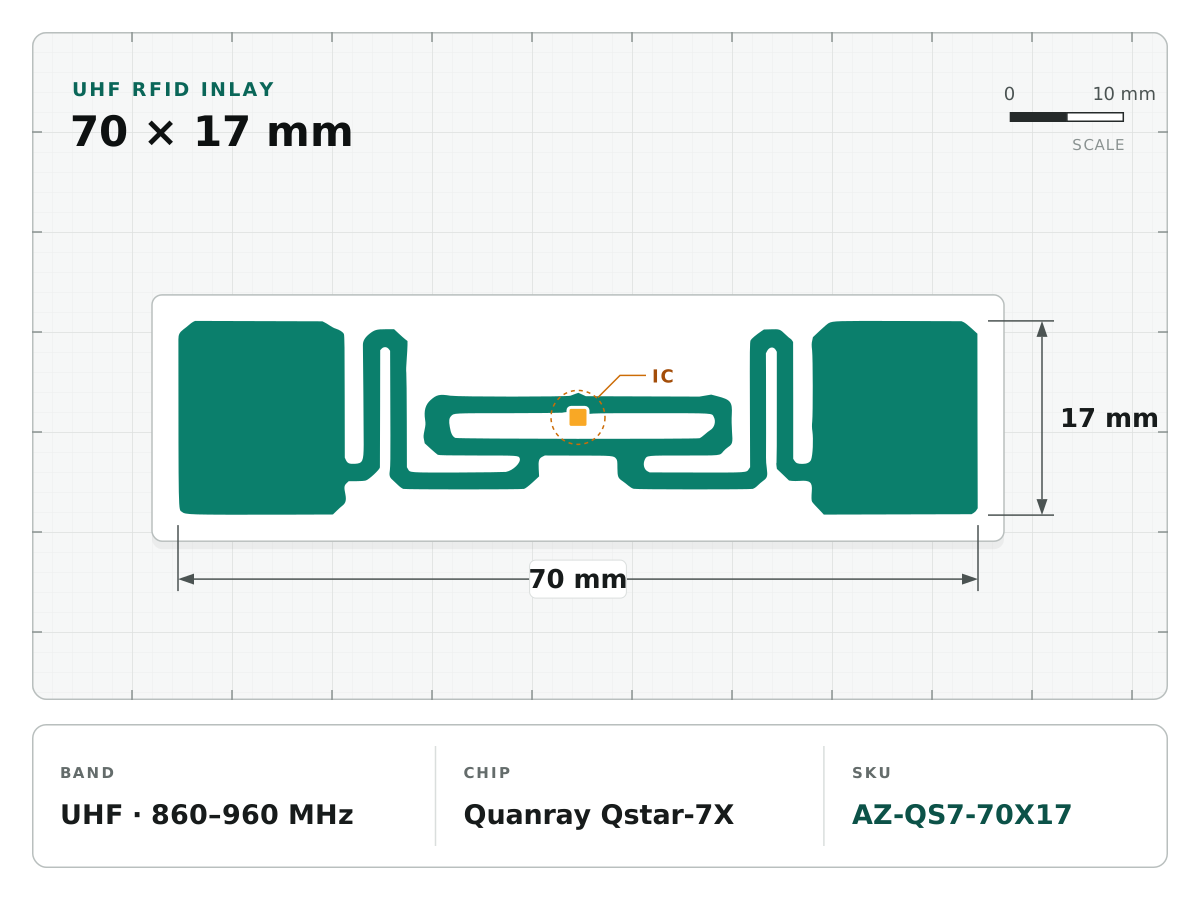 UHF
UHF 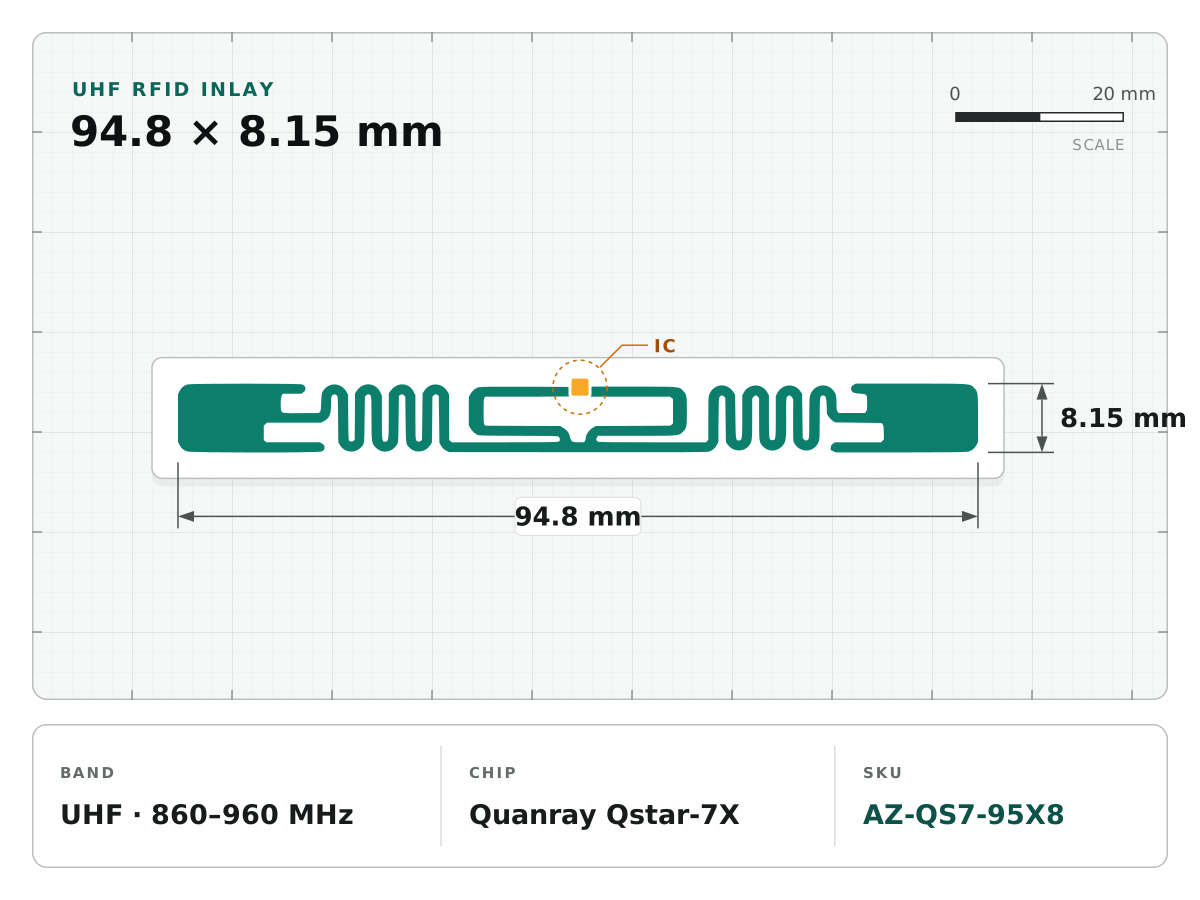 UHF
UHF AZ-QS7-95X8
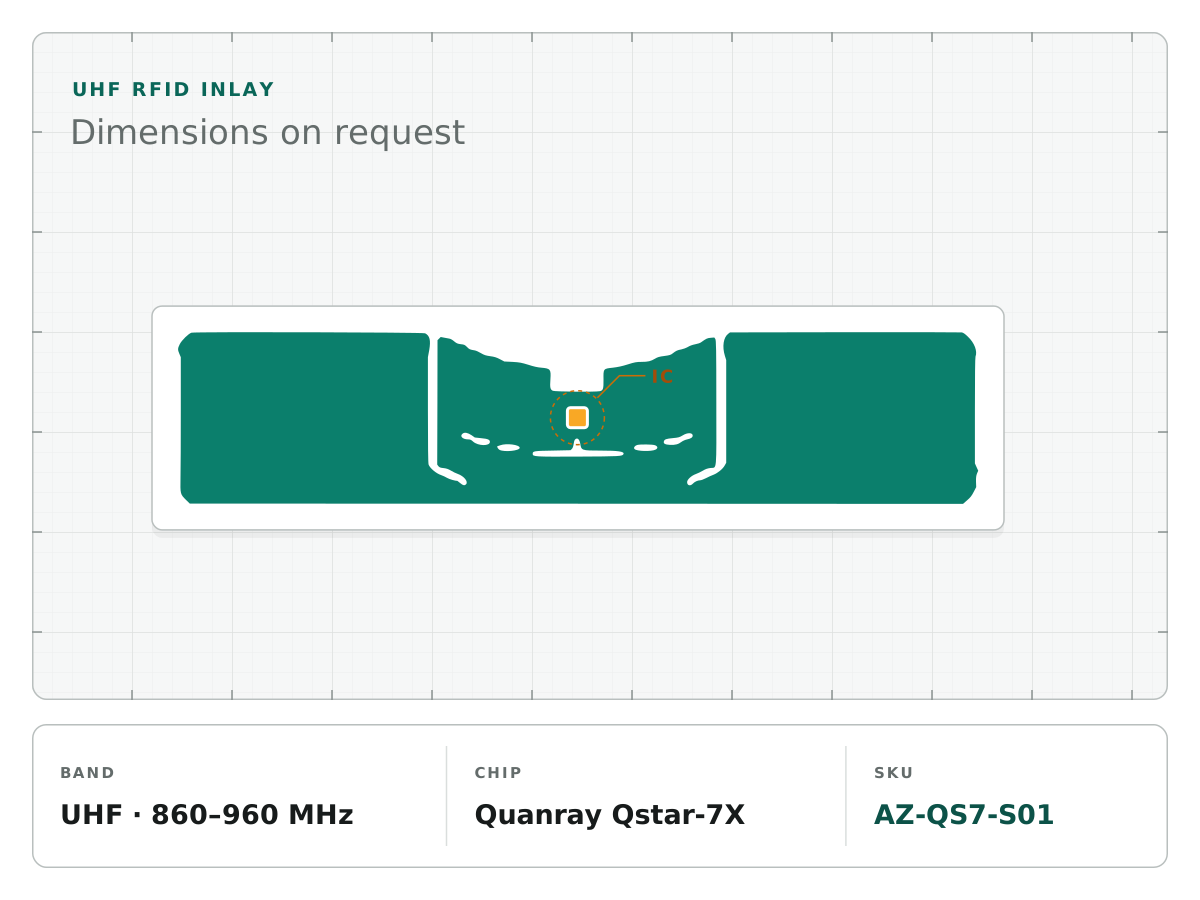 UHF
UHF 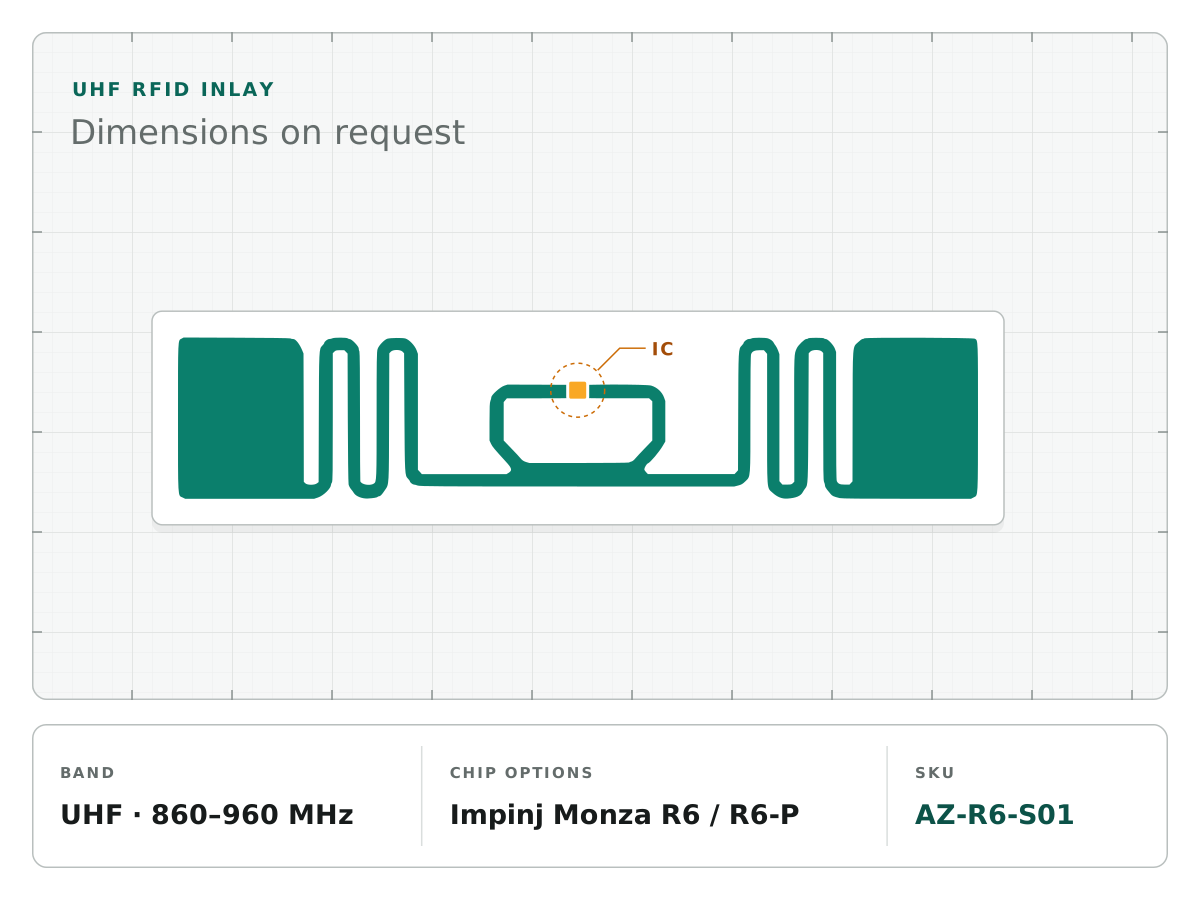 UHF
UHF AZ-R6-S01
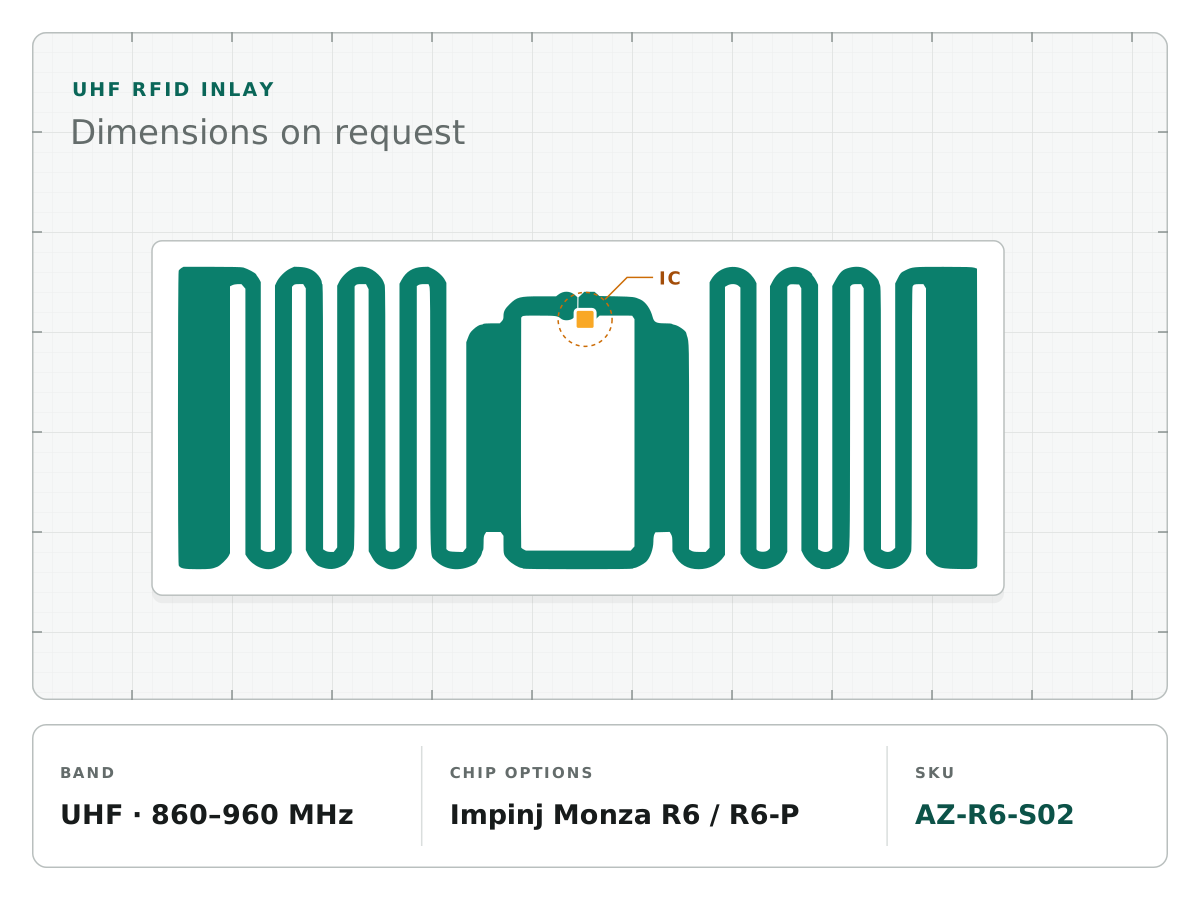 UHF
UHF AZ-R6-S02
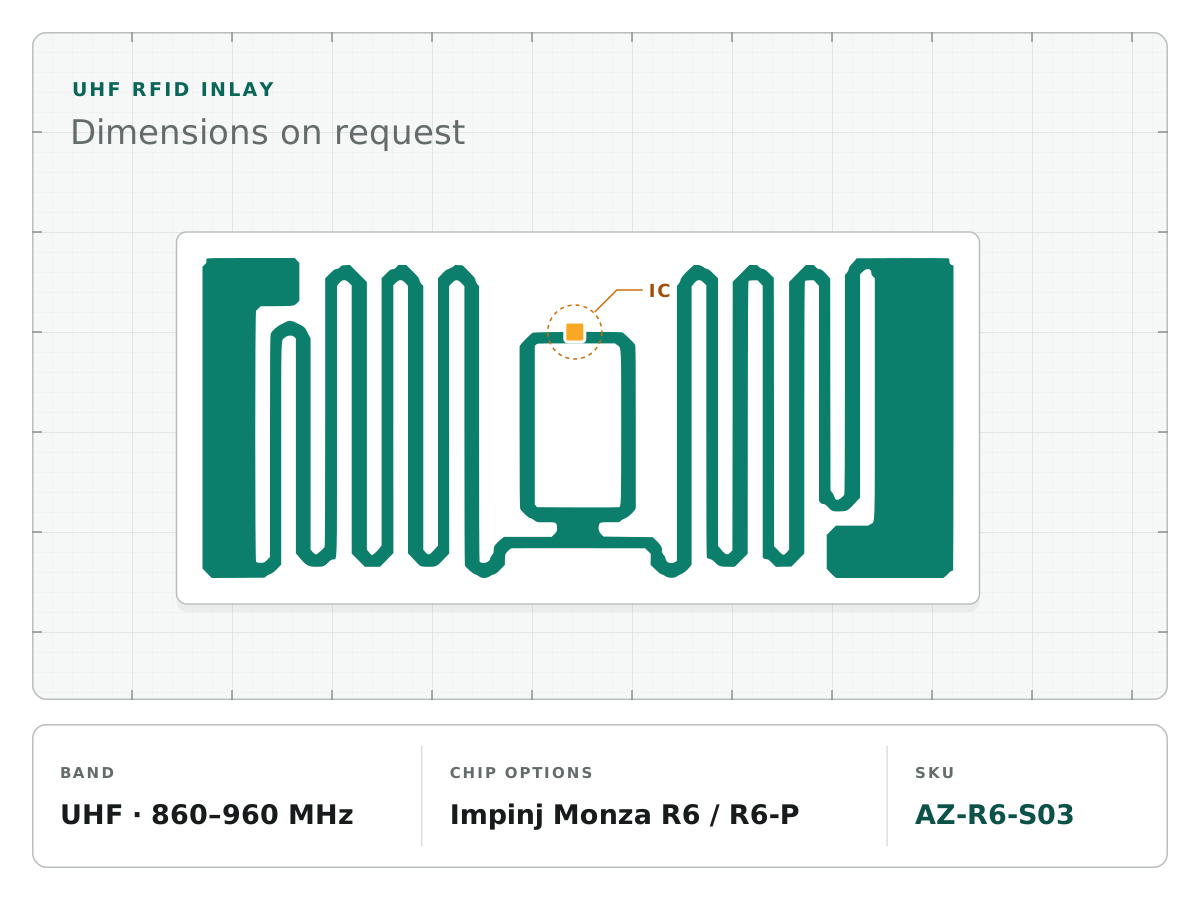 UHF
UHF AZ-R6-S03
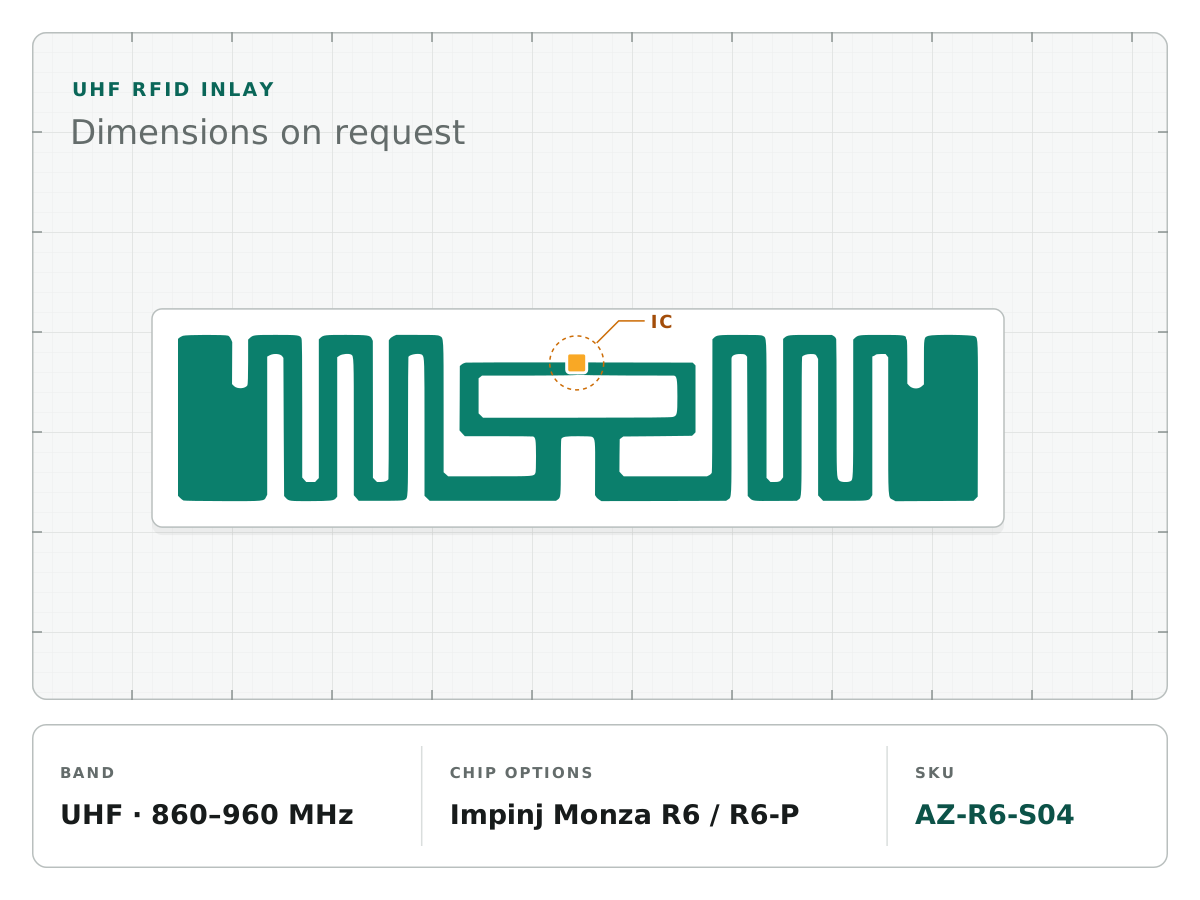 UHF
UHF AZ-R6-S04
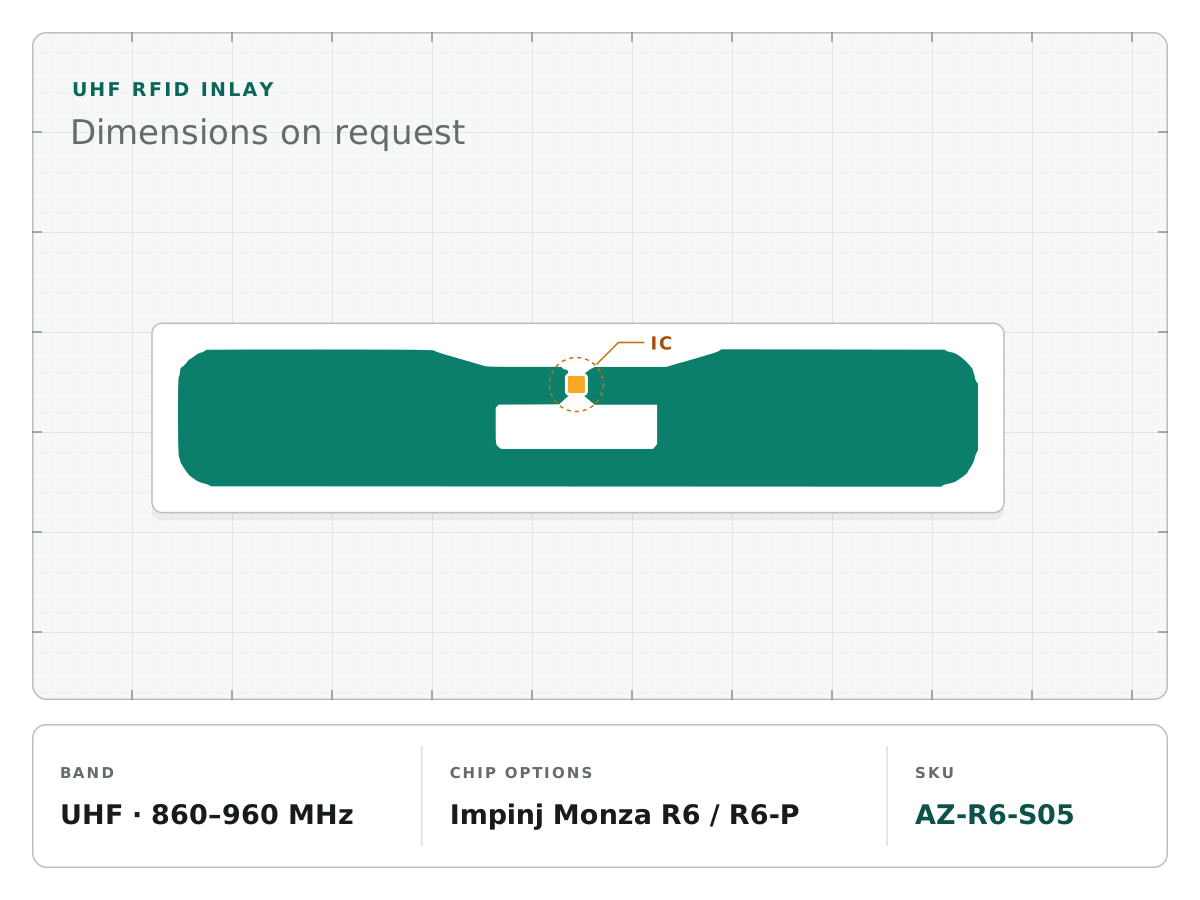 UHF
UHF AZ-R6-S05
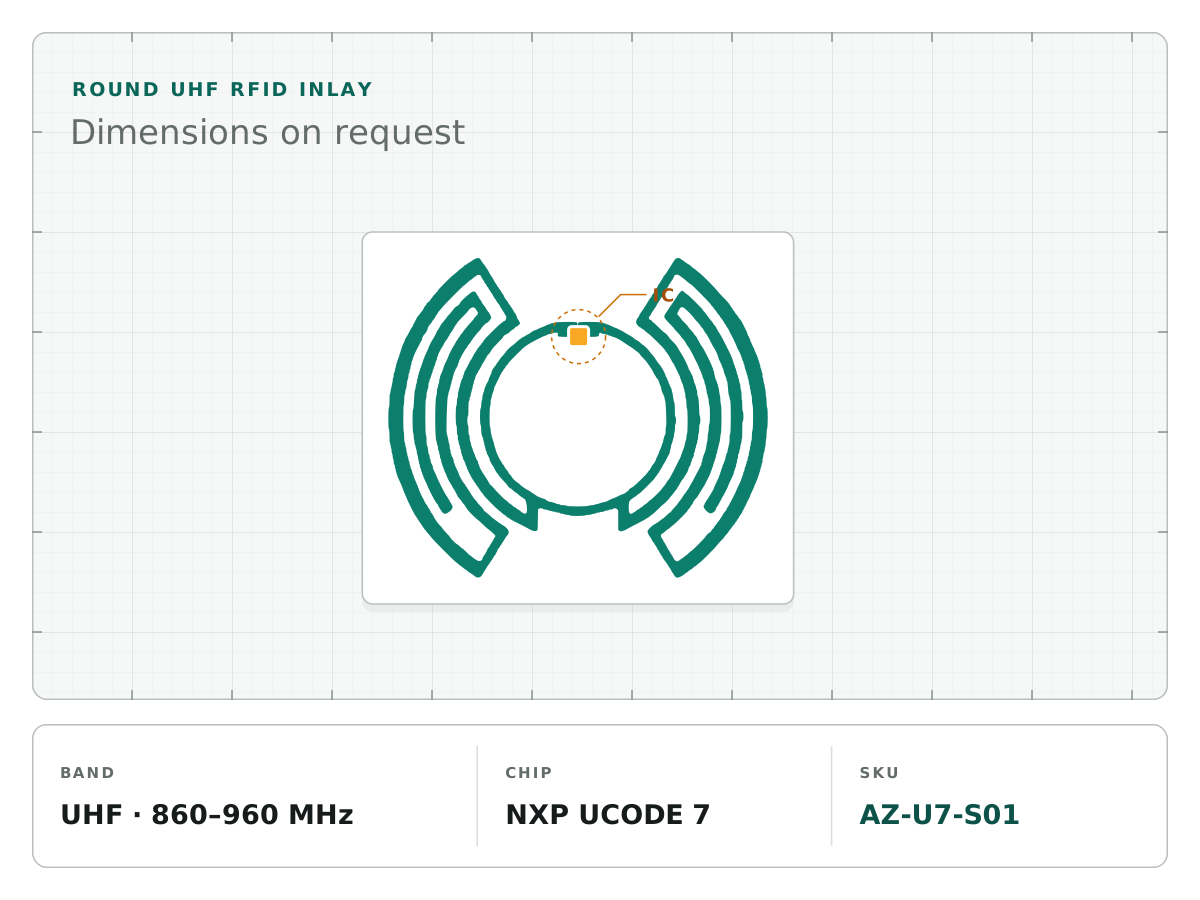 UHF
UHF 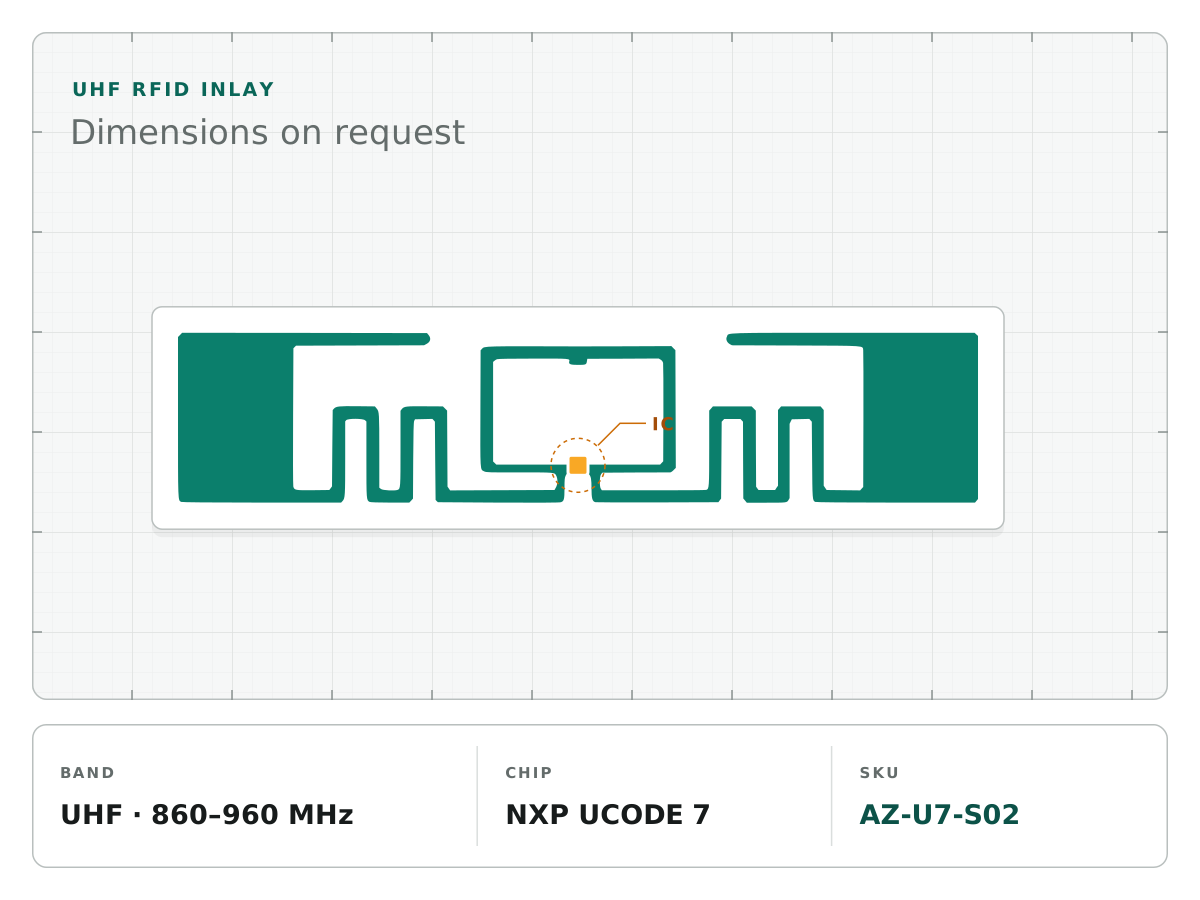 UHF
UHF 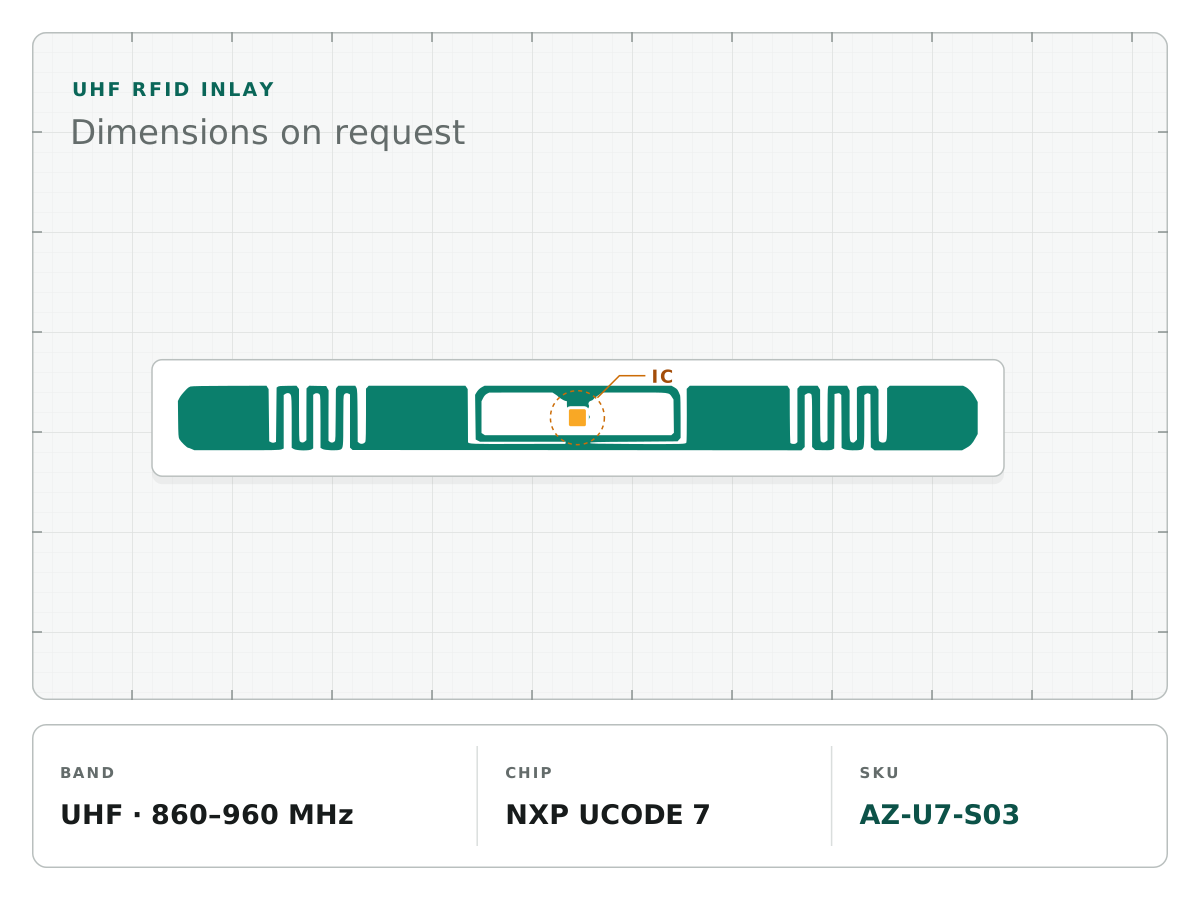 UHF
UHF 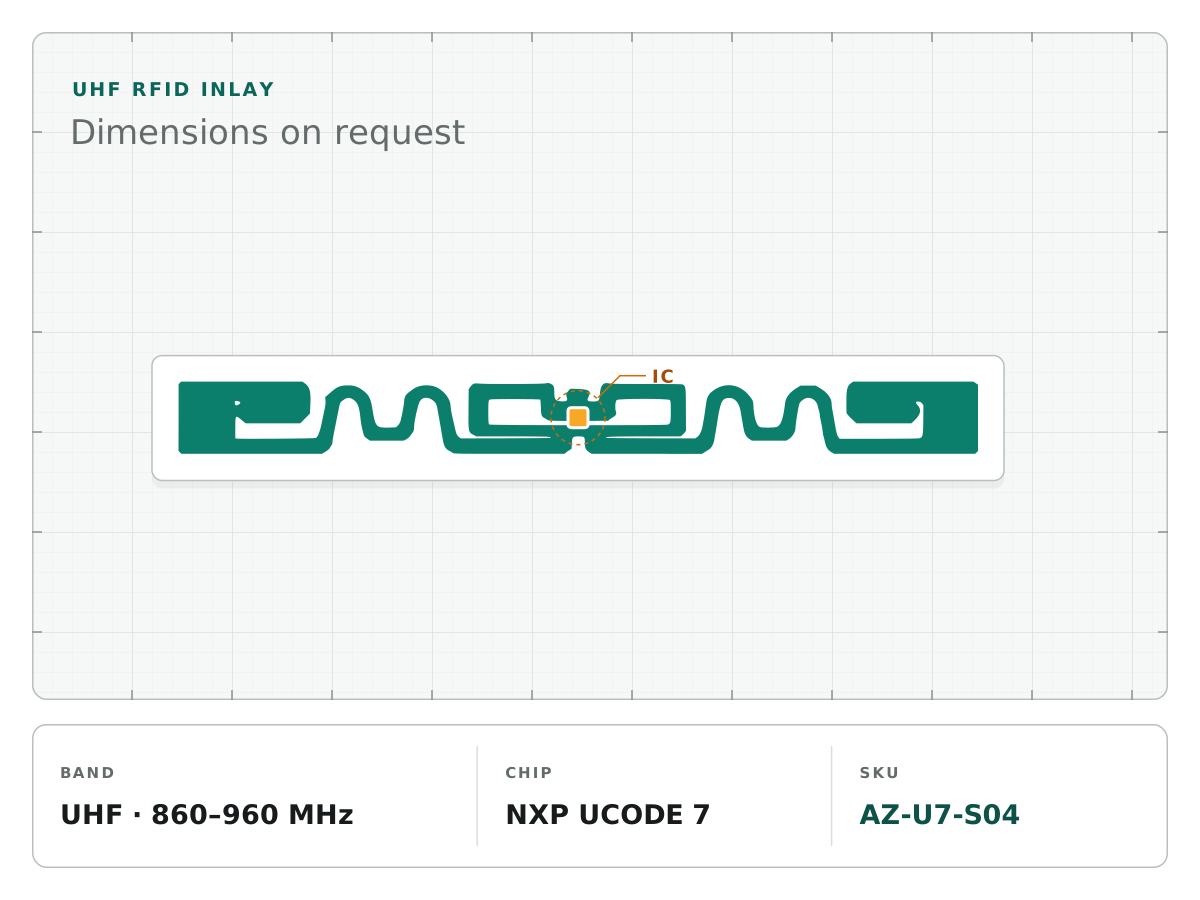 UHF
UHF 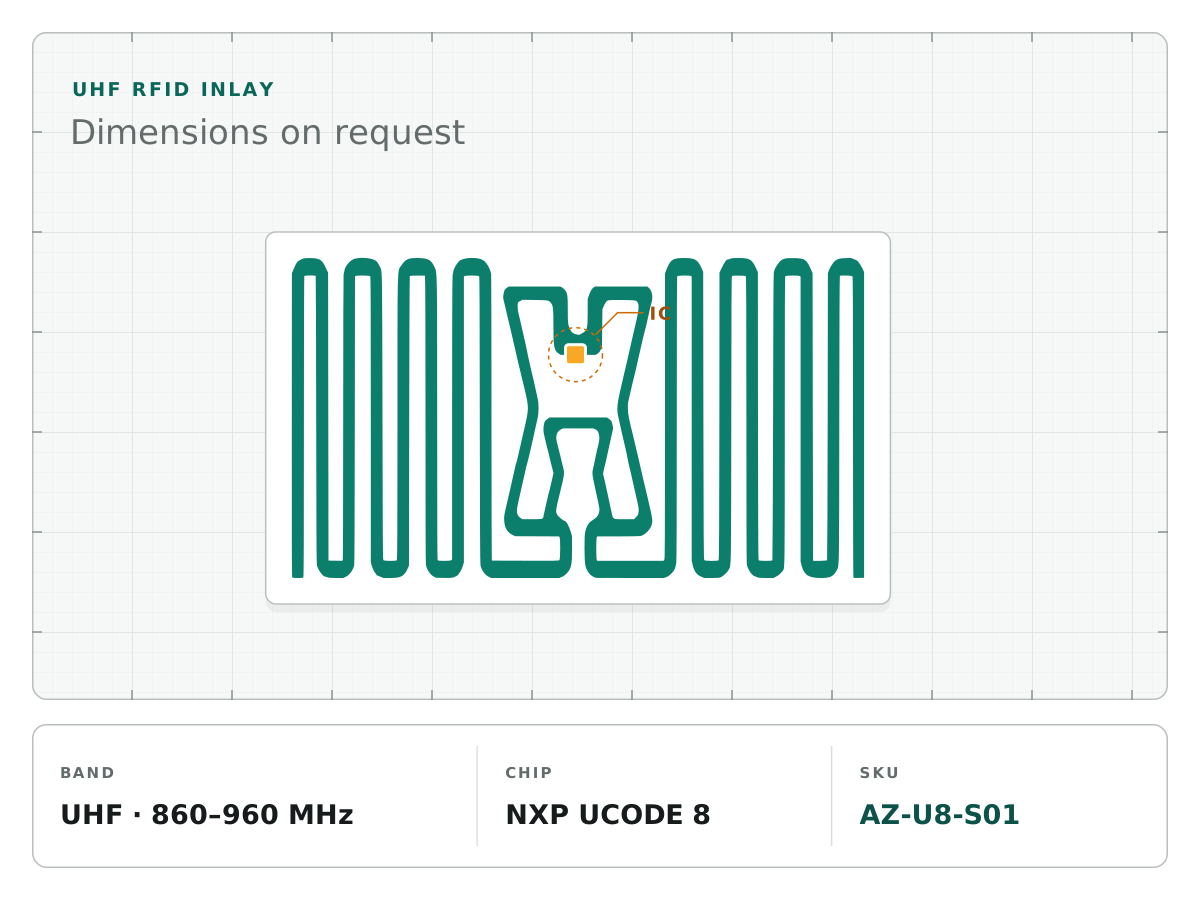 UHF
UHF 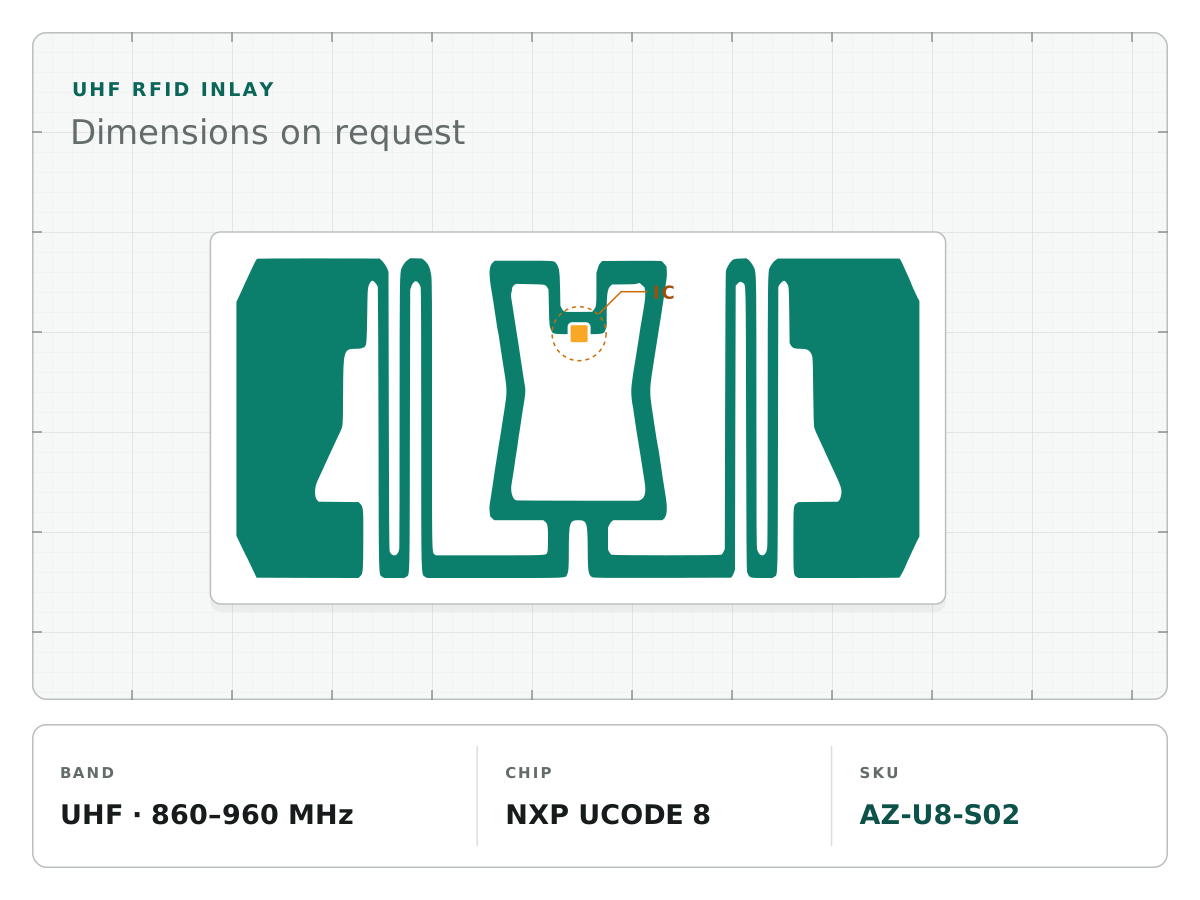 UHF
UHF 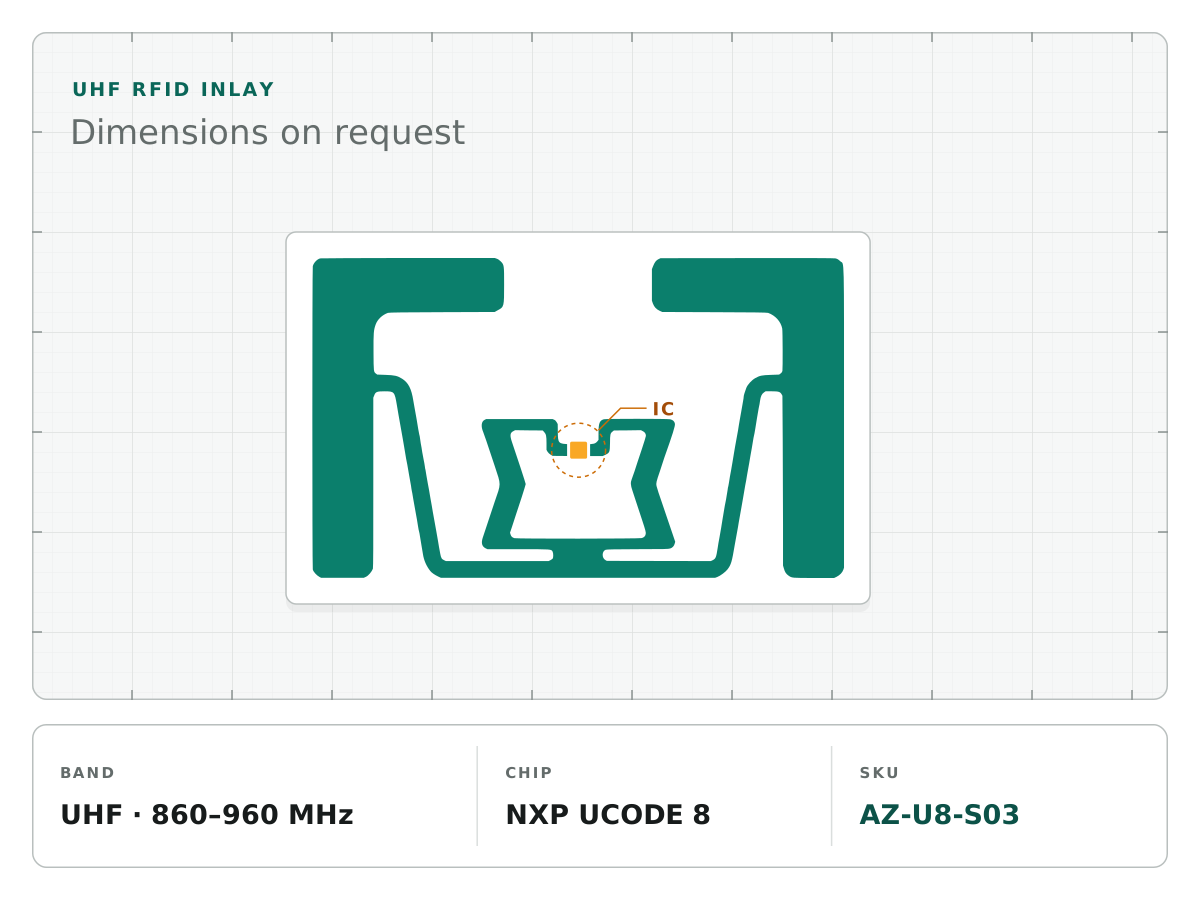 UHF
UHF 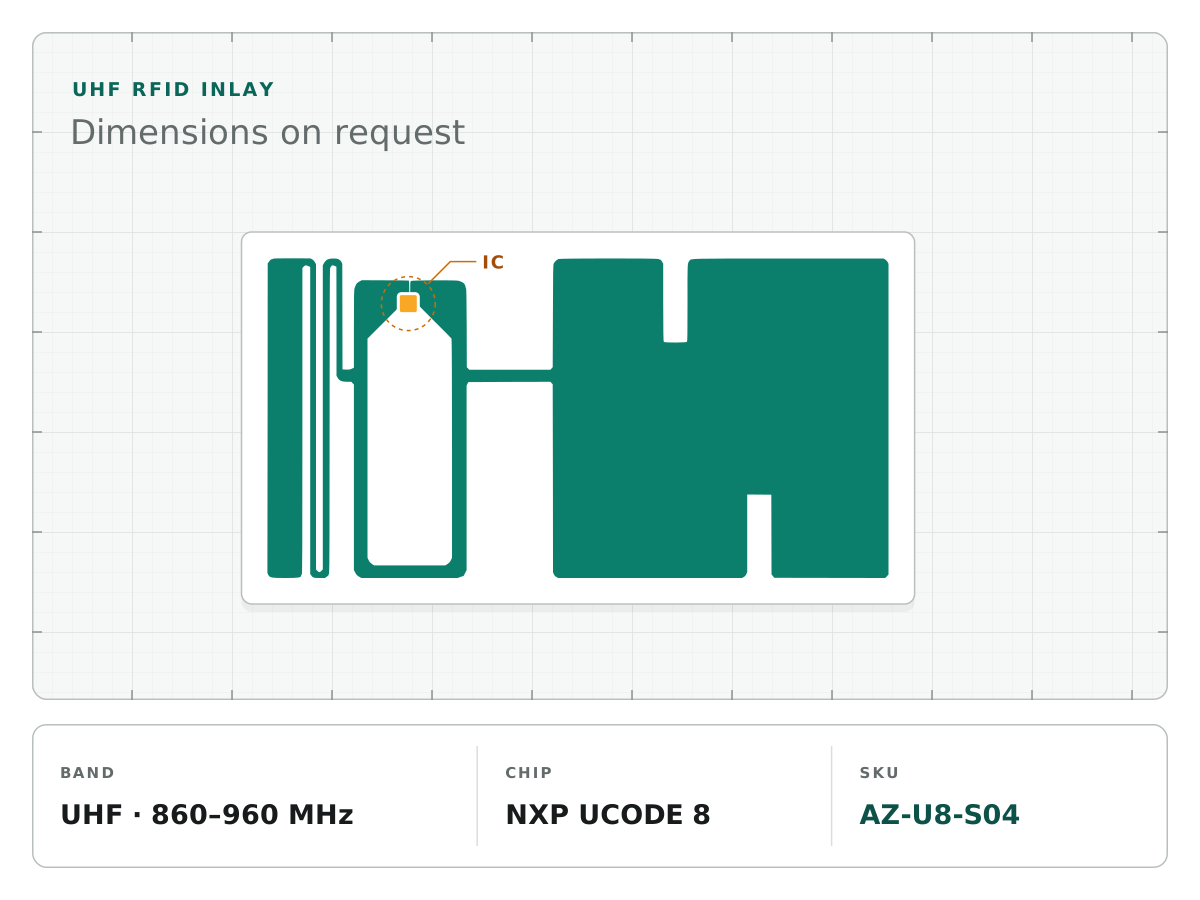 UHF
UHF 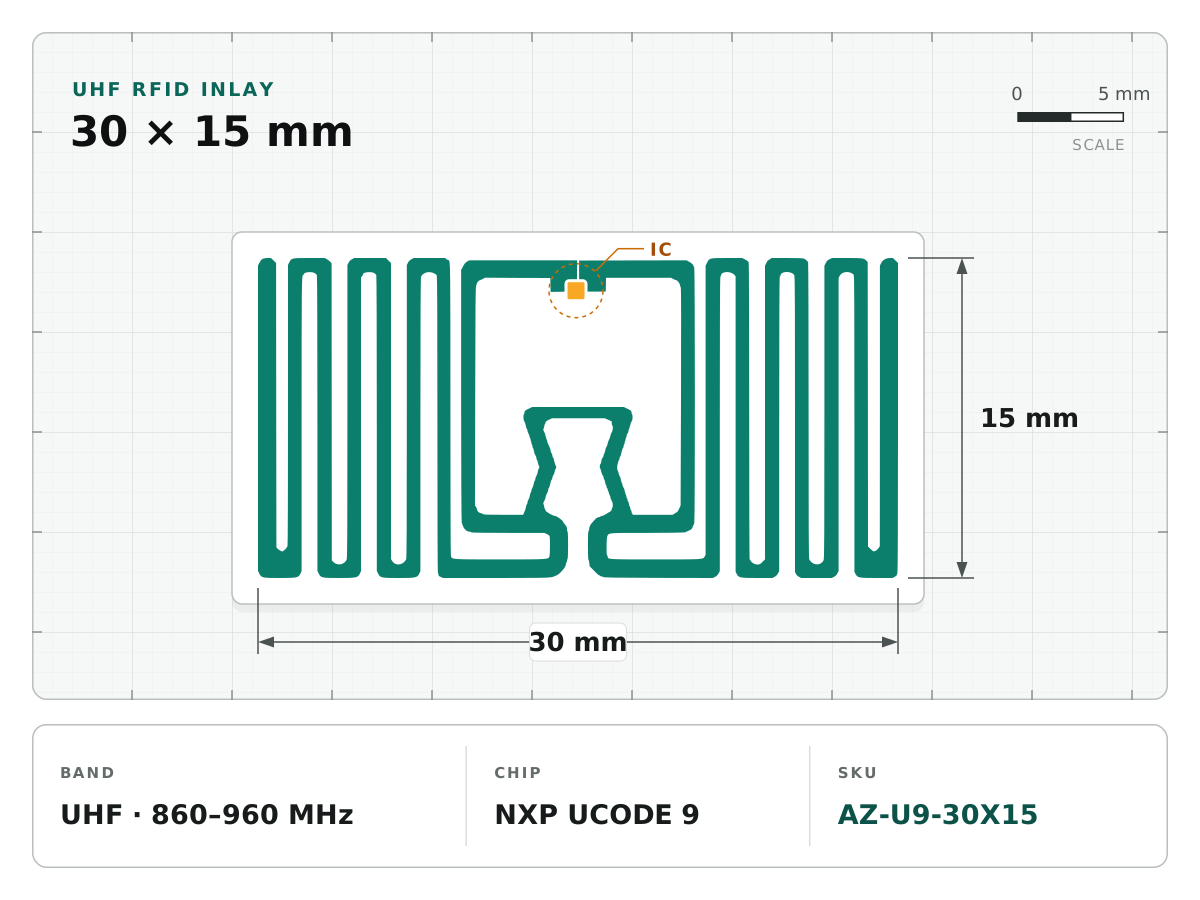 UHF
UHF 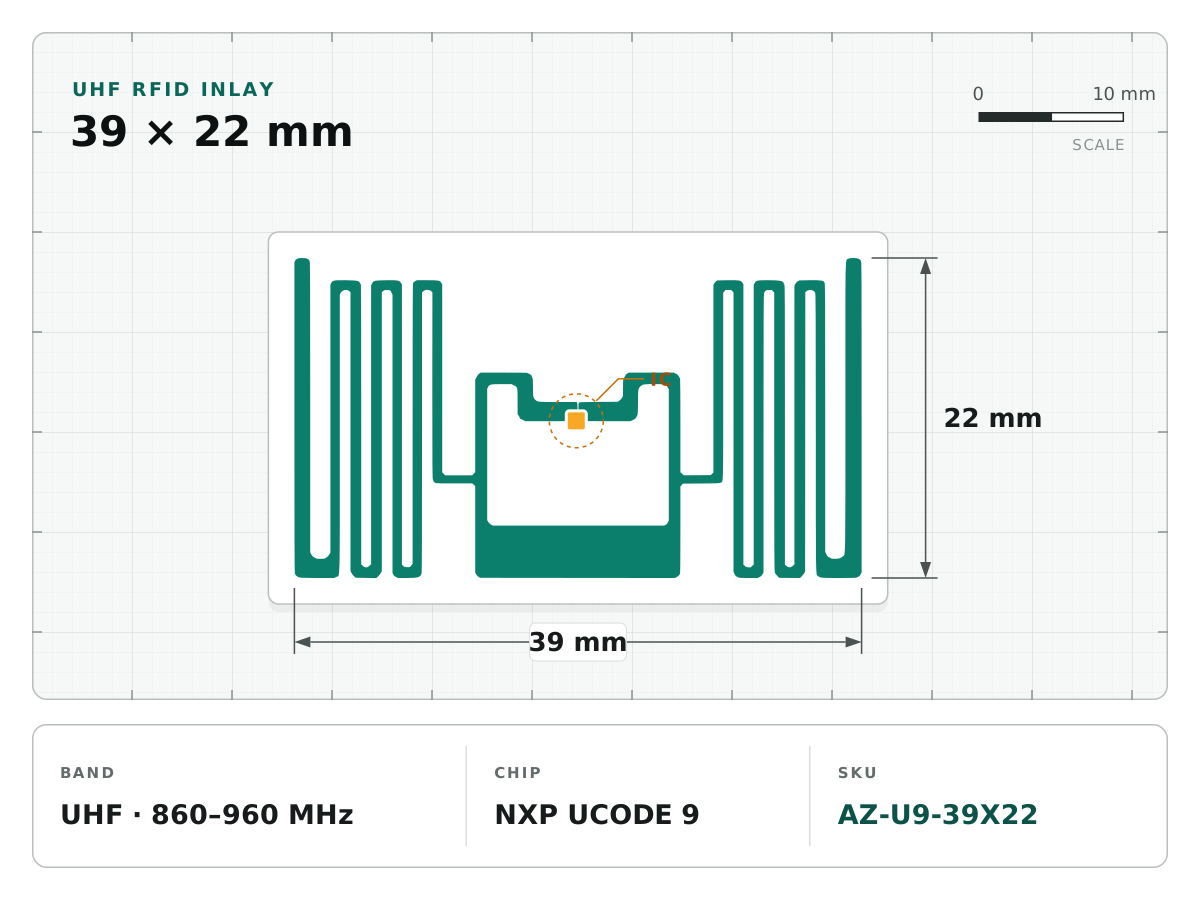 UHF
UHF 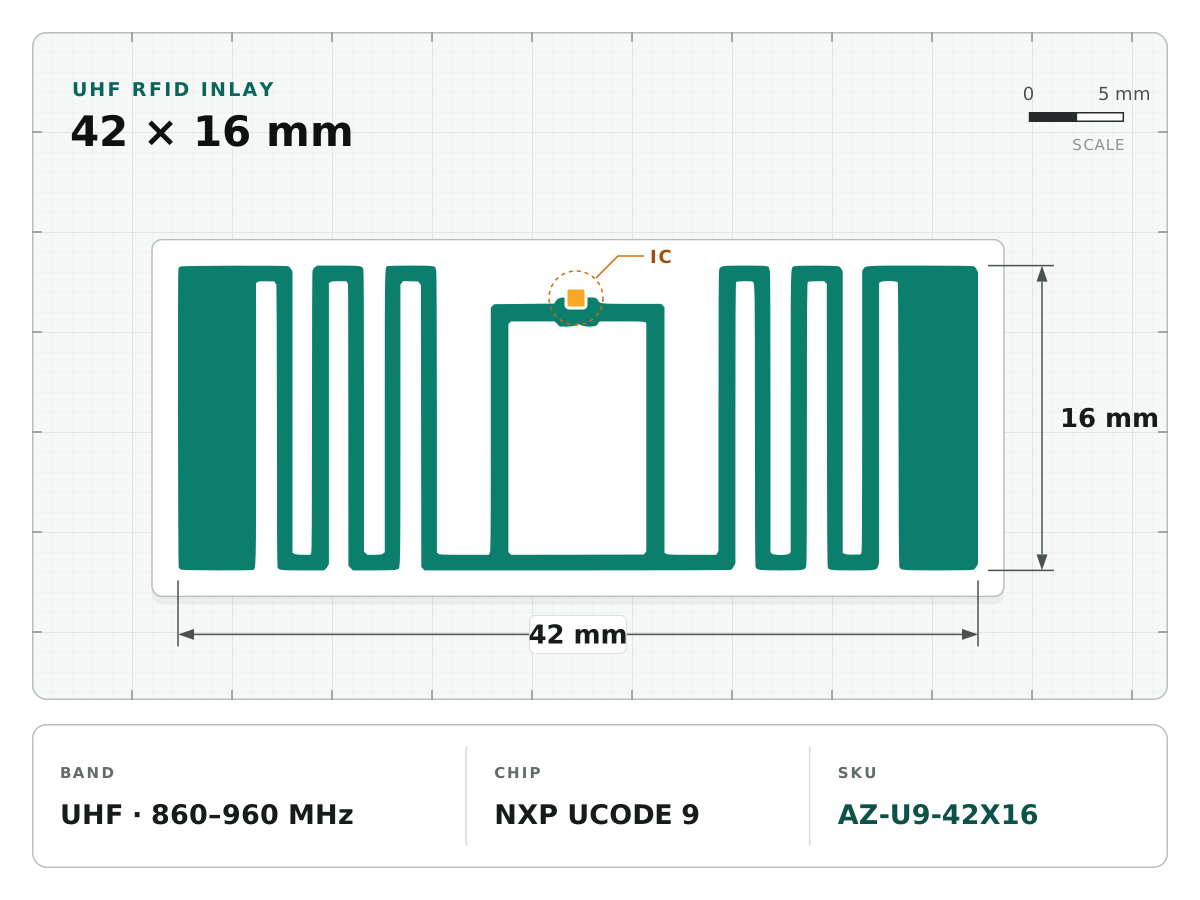 UHF
UHF 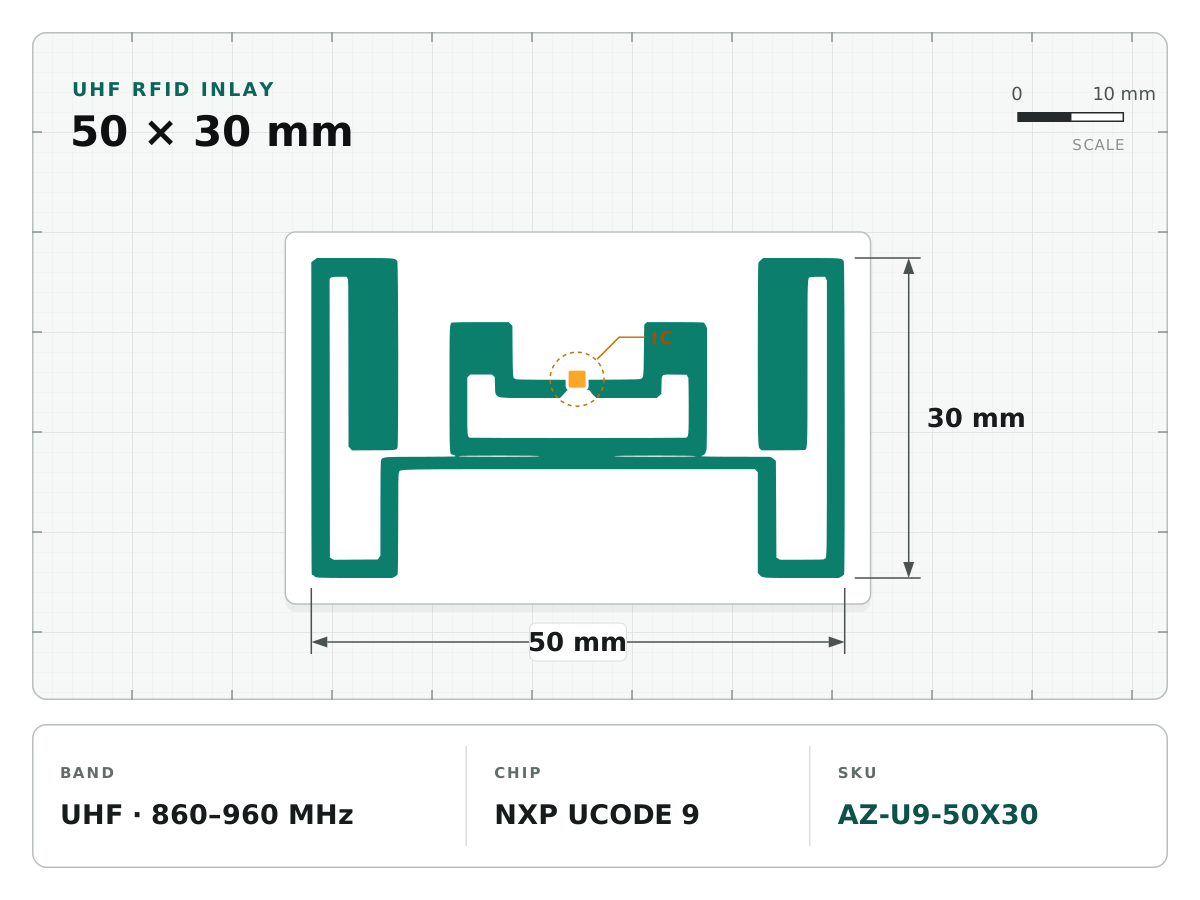 UHF
UHF 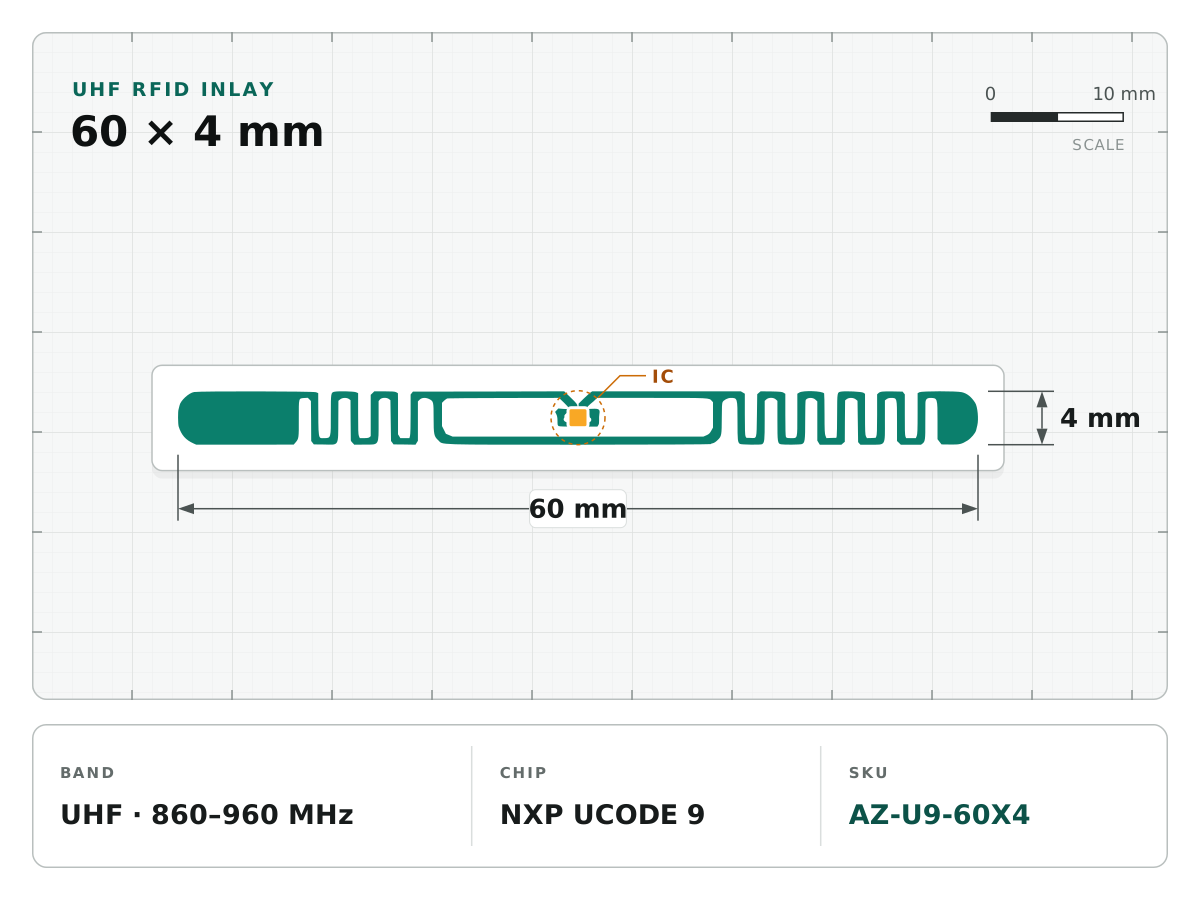 UHF
UHF 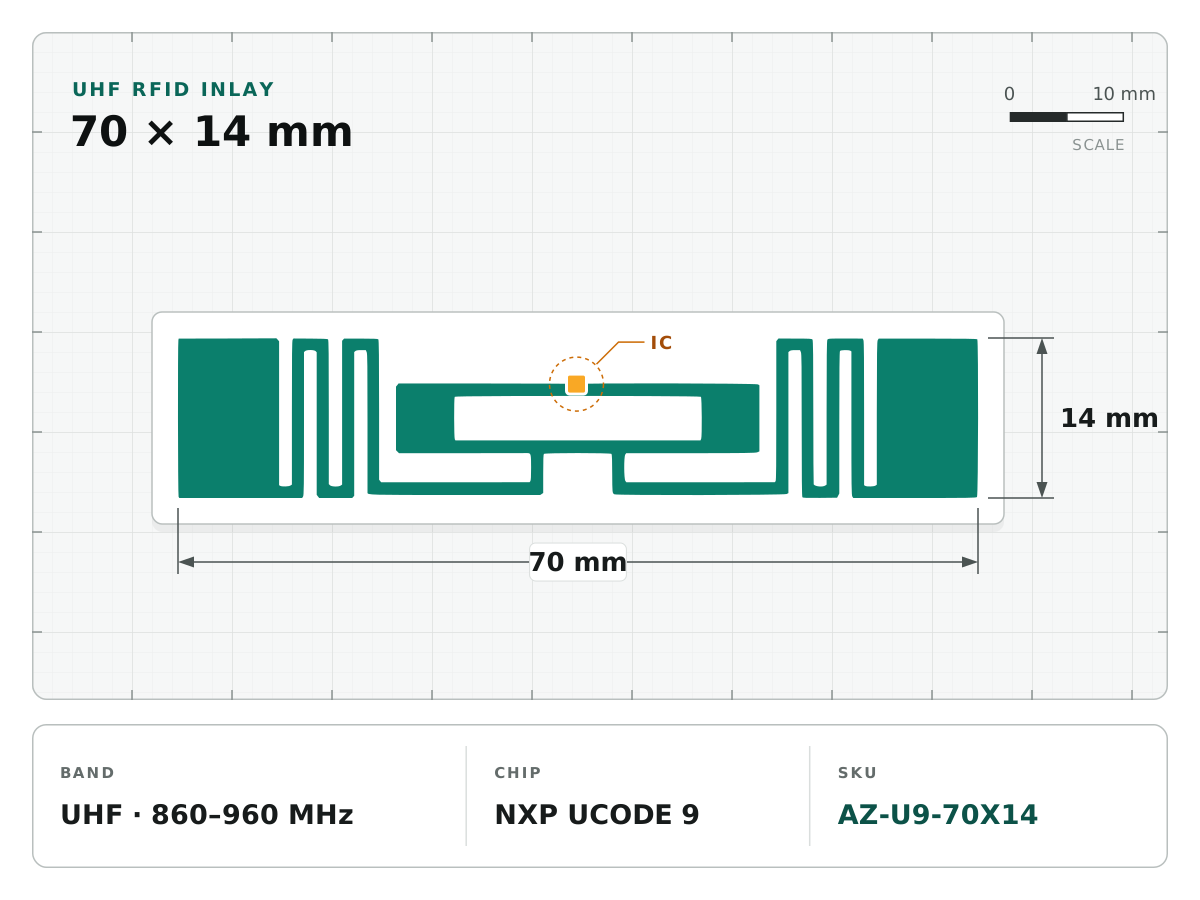 UHF
UHF 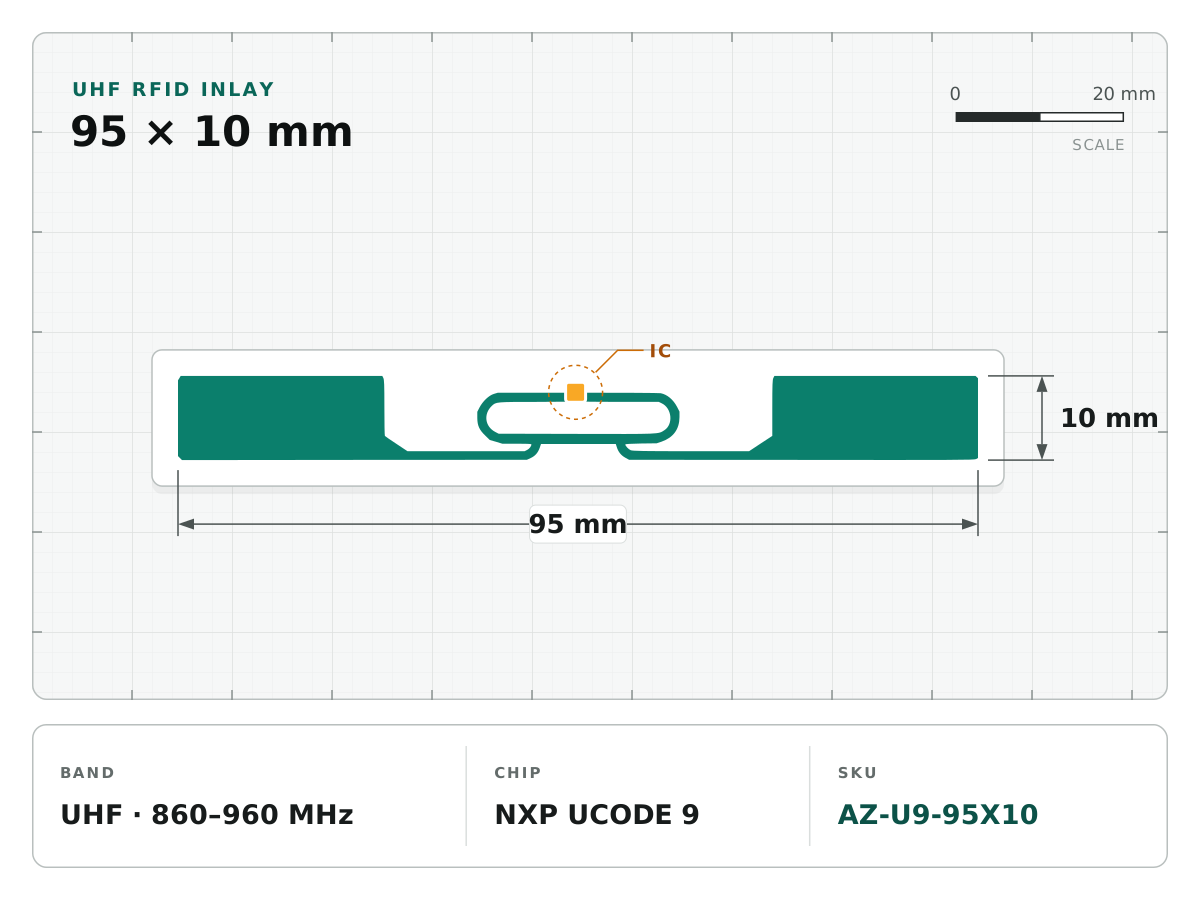 UHF
UHF 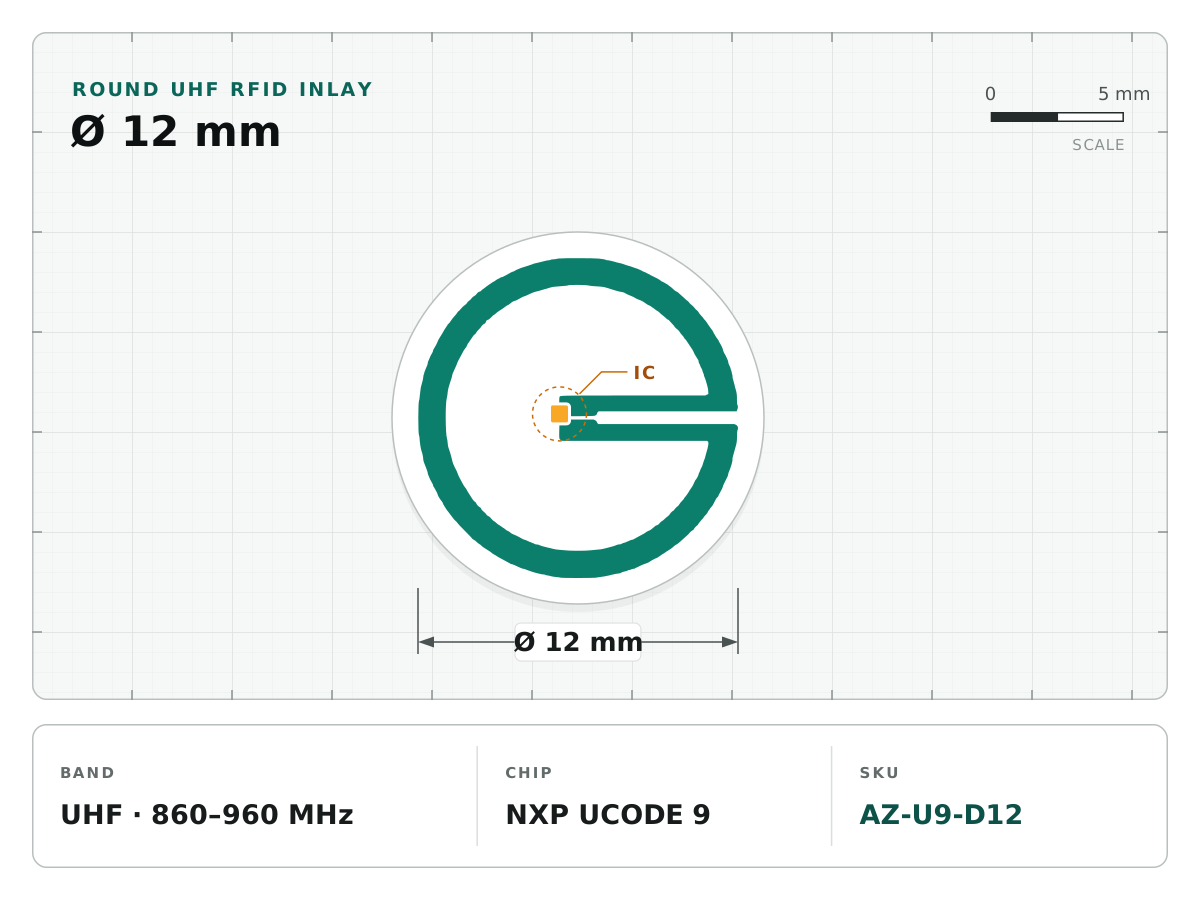 UHF
UHF No product matches these filters.
Ask an engineer for a custom optionShare surface, read distance, chip preference and volume. We shortlist tags that fit.
Receive sample tags of the shortlisted designs to try in your own setup.
Test on your items, readers and printers. We adjust chip, size or format if needed.
Volume production with 100% inline electrical test, then export shipping.
Understand dry inlays, adhesive wet inlays and converted labels. Specify the antenna, finished dimensions and roll format so your RFID order is usable.
Compare UHF chip memory, reader features and lifecycle support. Use official datasheets to shortlist chips, then test the complete inlay on your items.
Talk to an RFID engineer
Send the surface, read distance and volume. An engineer replies within 24 hours with a recommendation and a sample plan.
Email us: sales@antenza.com