Barcode and RFID are data carriers. Neither fixes inaccurate master data or missing serial allocation. Choose the carrier by the reading workflow, then keep the identity consistent across the printed code, RFID encoding and database.
Compare the task, not the technology slogan
| Task | Barcode starting point | RFID starting point |
|---|---|---|
| Pick one visible item intentionally | Scan the printed code | Control which nearby tag is selected |
| Count a dense rack or carton population | Present codes one by one | Evaluate population reading |
| Handle a damaged or hidden carrier | Inspect and recover manually | Test RF response and maintain an exception carrier |
| Consumer access with a phone | Camera-readable code | Supported NFC tap interaction |
UHF can identify tags without optical visibility, but material, orientation and radio conditions still matter. A barcode is not affected by RF detuning, but its optical presentation must be usable. Both technologies need a failure path.
Keep identity and quantity separate
A barcode may identify a product class or an individual item. RFID encoding also needs that distinction. If serialized RFID identities are counted as stock, duplicate or reused serials can corrupt the result even though the reader works perfectly.
Decide which field is the business identity, how each carrier represents it and how a read is reconciled with the database. Keep a human-readable identifier where operators need to resolve exceptions.
Measure the labor that changes
Time the current receiving, stock-counting or picking process. Include preparation, scanning, exception handling and reconciliation. Repeat with an RFID pilot using representative items and operators. Record unique intended items captured, missed items and items read from outside the target zone.
Estimate recurring savings from measured workflow changes. Deduct tag application, equipment, integration, training and maintenance costs. A fast reader demonstration is not a return-on-investment calculation.
Pilot a combined carrier
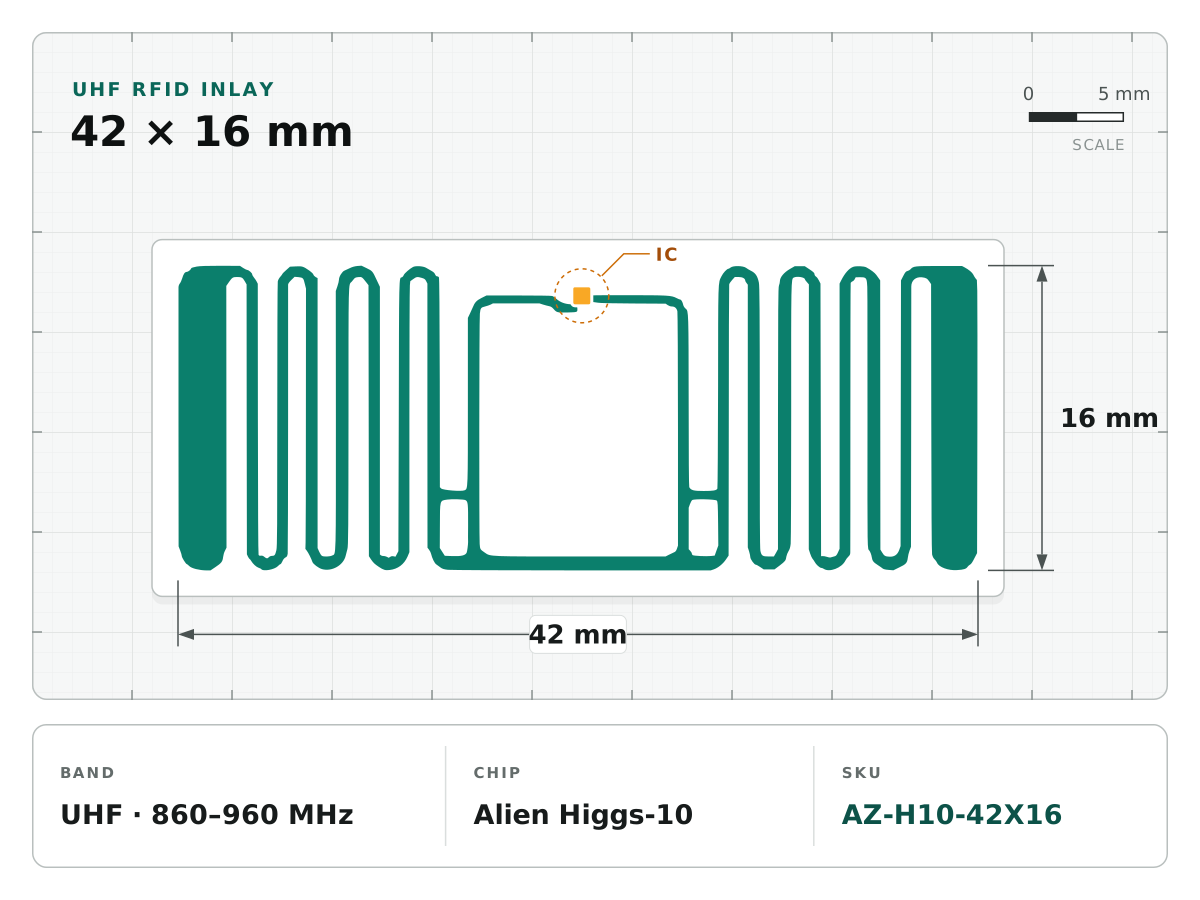
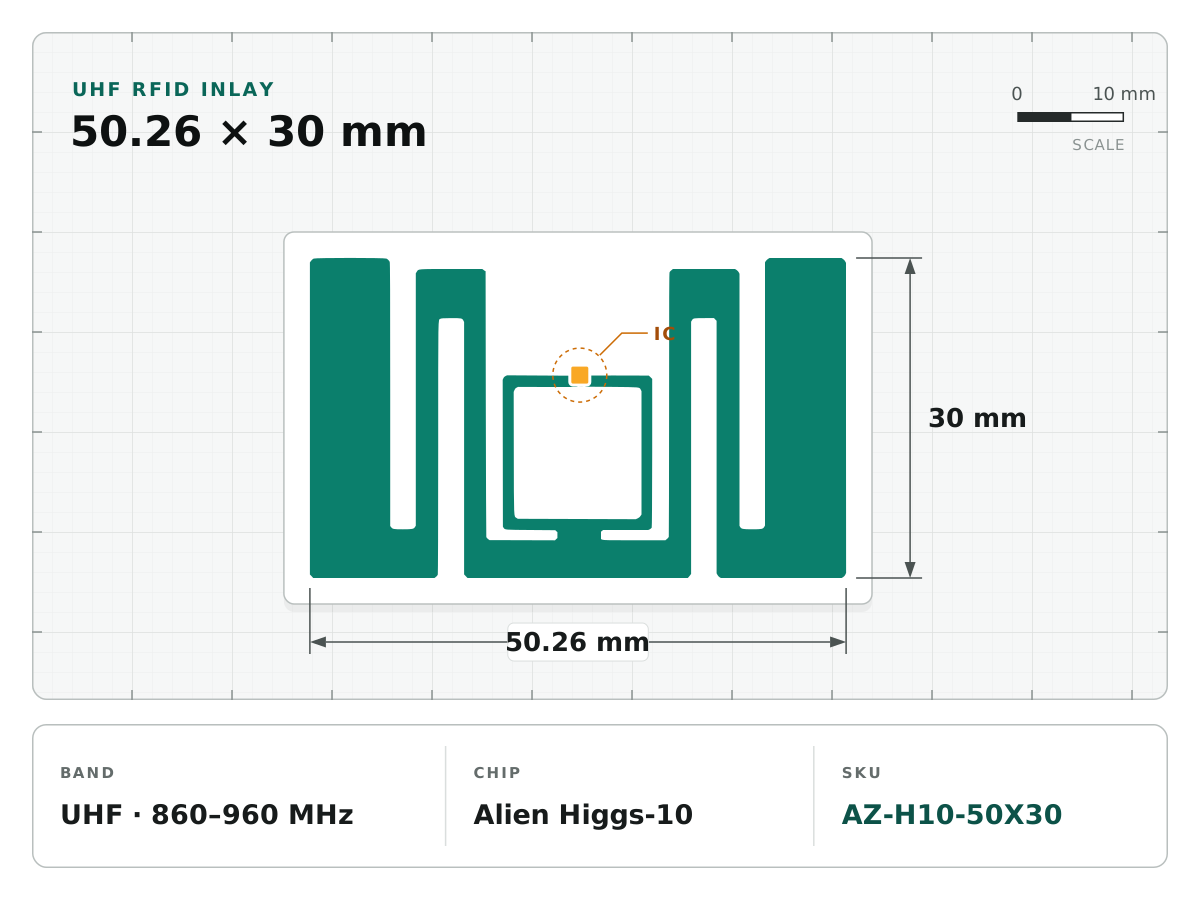
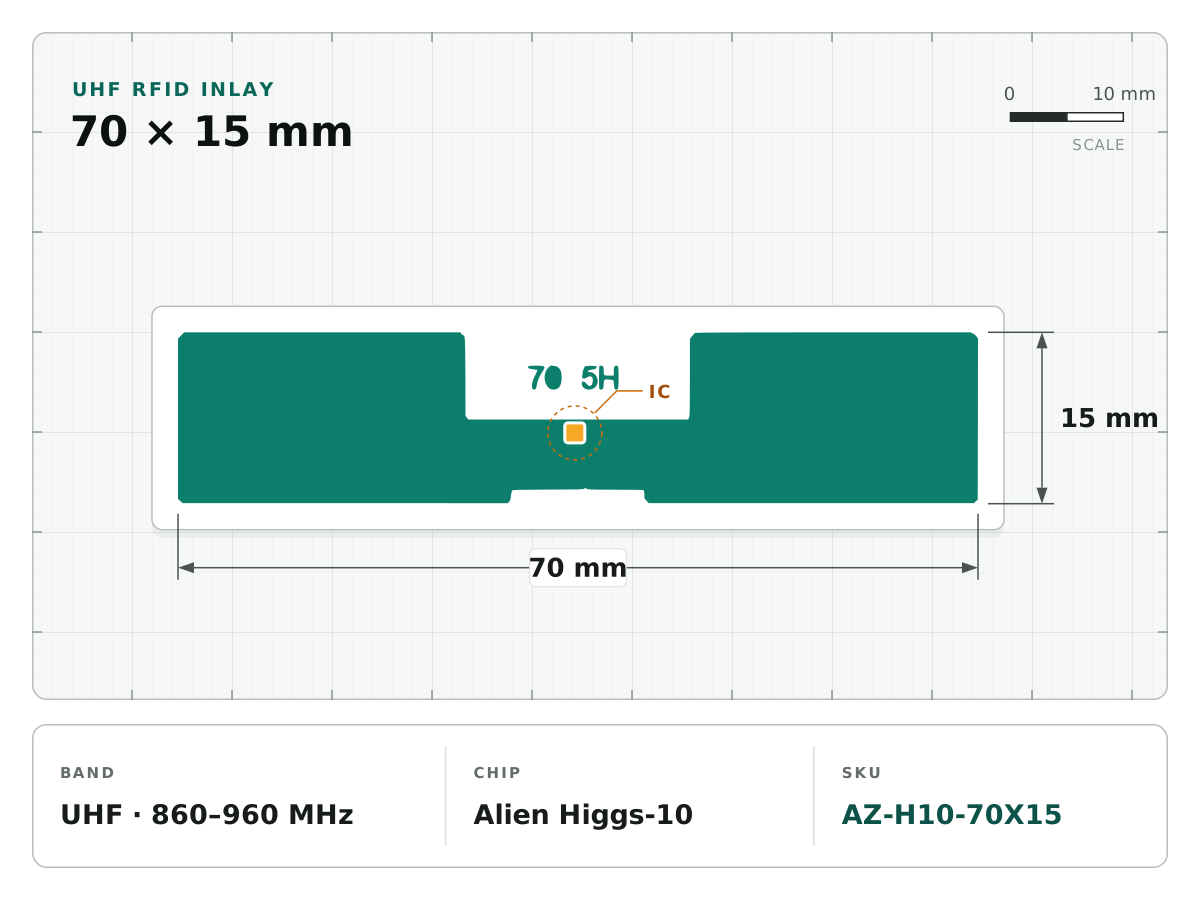
For a retail inventory trial, a printed barcode plus UHF RFID label often preserves manual fallback. Consumer interaction may instead use NFC tags or a printed web code. Select based on the intended interaction and supported devices.
Define the exception procedure before a rollout: when should an operator rescan, replace a carrier, quarantine a duplicate or correct a database record? This is part of system design, not a later support task.
Send the current process, item mix and expected reader locations through the engineering inquiry form. Antenza can help select sample labels for a controlled comparison while the software team defines identity and reconciliation.