A retailer RFID program is an acceptance process, not a generic request for a tag that reads well. The correct starting point is the receiving customer’s current instructions for the specific department, item category and packaging.
This checklist was reviewed on October 1, 2026. It deliberately avoids a universal mandate deadline: category coverage, instructions and approved lists can change. Obtain current buyer or supplier-program documentation for the shipment you intend to make.
Identify the applicable specification
Auburn University’s RFID Lab publishes Walmart category-to-specification information and ARC approved inlay lists. Identify the relevant category and confirm it with the receiving customer. If a category is unclear or directs suppliers to contact the lab, resolve that before selecting a label.
Record the specification, date accessed and exact inlay identity. Ask the converter to identify the approved design and supporting evidence in the quotation. Keep that evidence with the production specification.
Approval is about an exact design
A similar footprint, identical chip or favorable range test does not establish ARC approval. The published lists concern benchmark-tested inlays against particular specifications. Also confirm manufacturing and supply details required by the customer’s program.
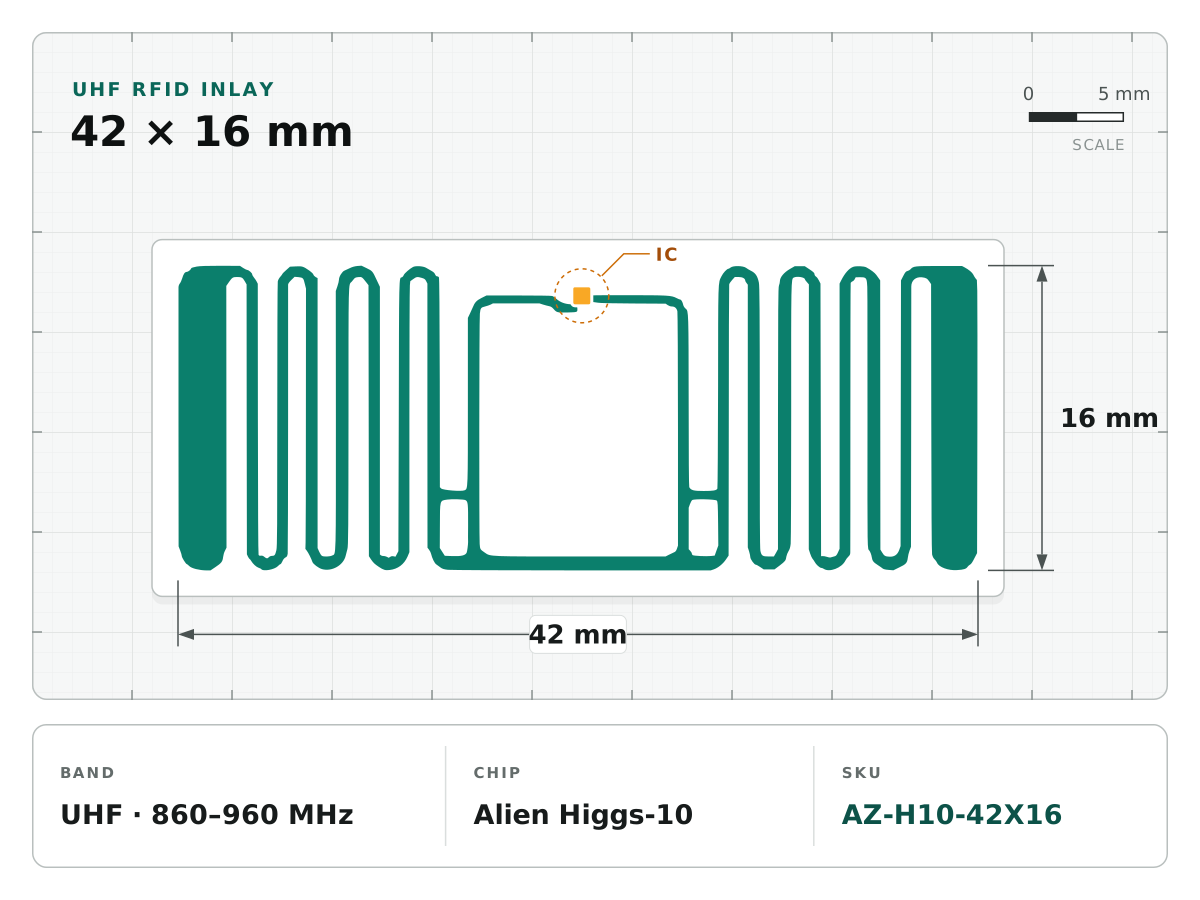
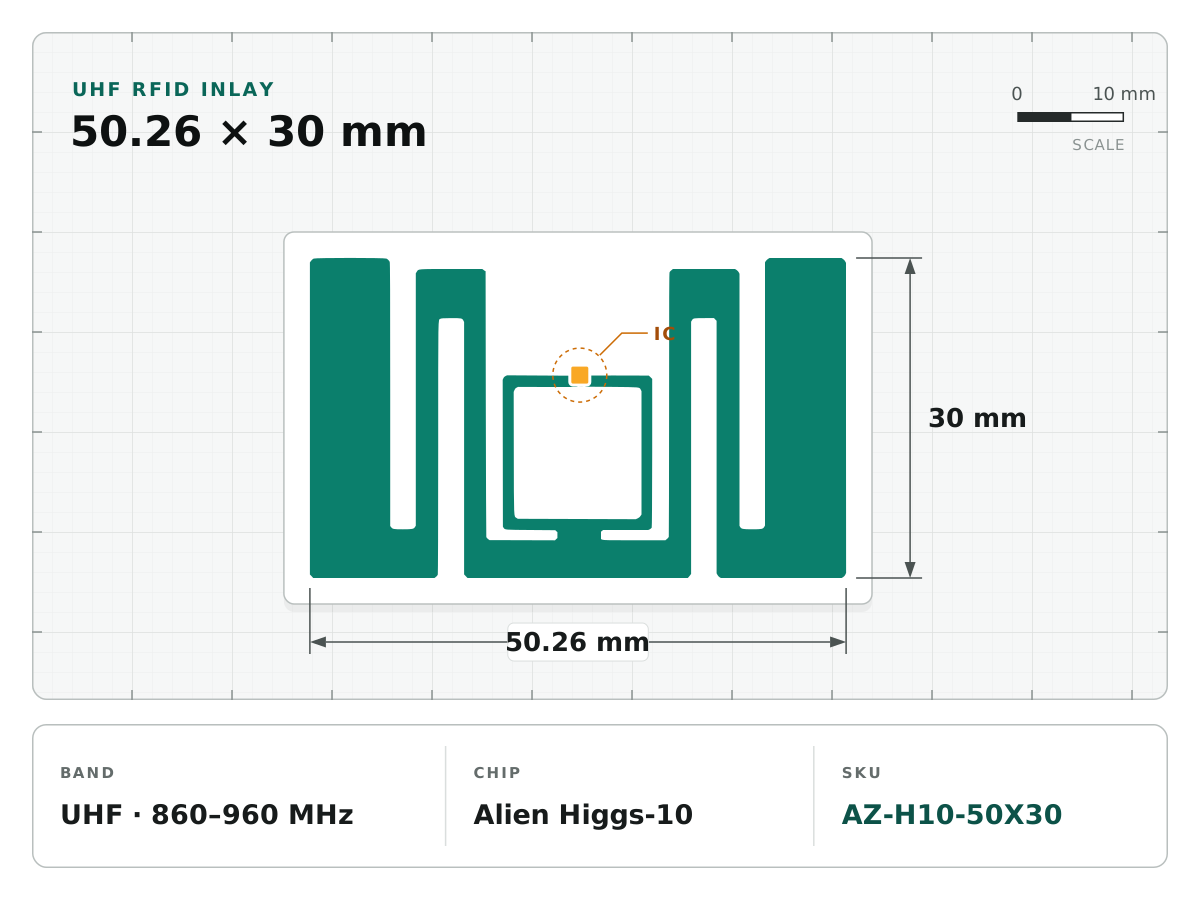
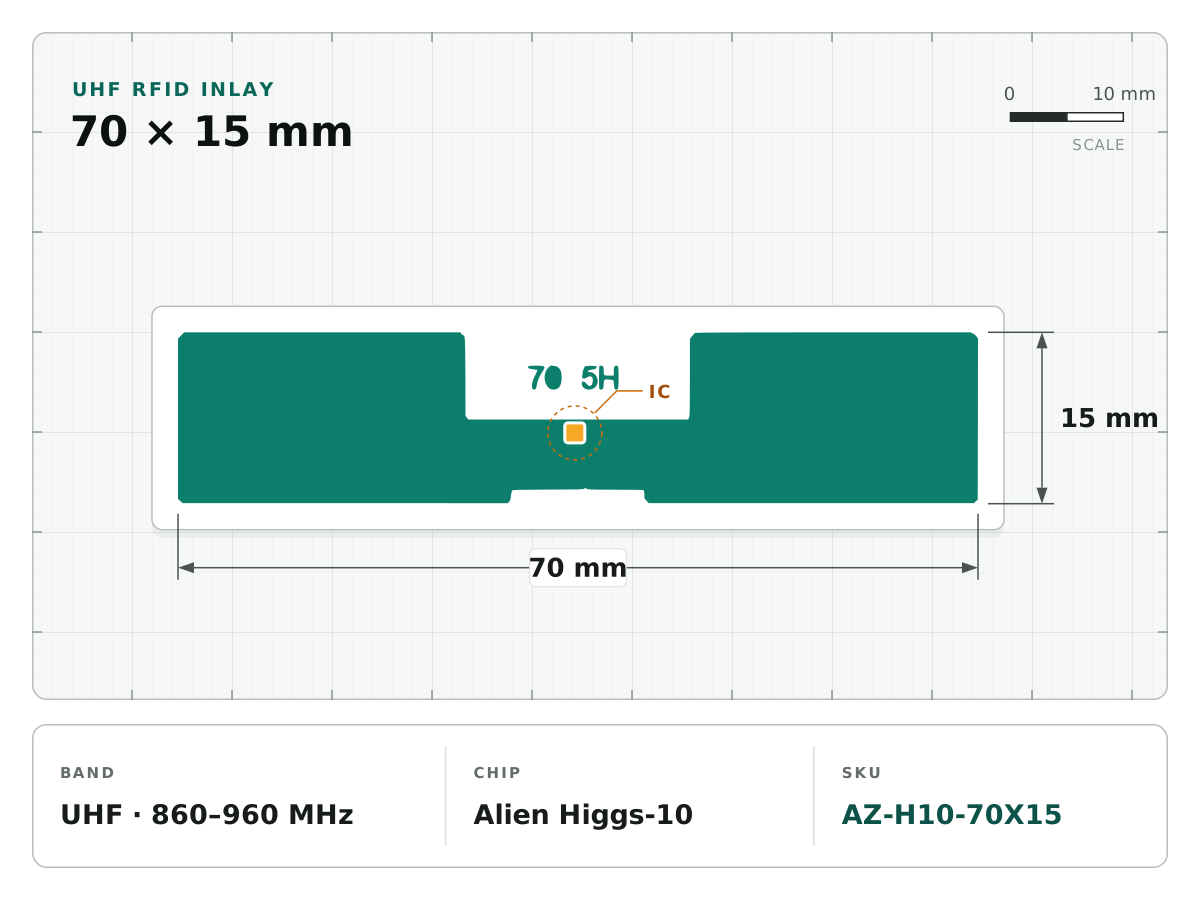
Antenza does not claim that its UHF catalog designs are ARC approved. They can be evaluated for other workflows; a mandated shipment requires an explicitly verified sourcing path for the exact approved inlay. Do not substitute a catalog antenna on visual similarity.
Qualify the finished carrier
The approved inlay still needs correct conversion, placement, attachment and encoding. Check the apparel or retail use case and the customer’s packaging rules. A fold, hole, metallic decoration or changed mounting surface can alter performance after conversion.
Confirm sample submission, review and sign-off requirements. Record the finished-label construction and all deviations, rather than assuming the inlay listing approves the final package.
Control the encoded identity
Obtain the required EPC scheme and serial-allocation procedure from the program owner. Verify decoded data against the product identity and printed code. Define duplicate handling, rejects and replacements. Keep accepted-tag counts and encoding evidence traceable to the shipment.
Before purchase, assemble the current customer instruction, applicable ARC spec, exact approved inlay evidence, finished-tag drawing, sample approval and encoding report requirement. Send those through the Antenza RFQ form to confirm whether the requested supply can be supported. Do not issue a bulk order on an unverified approval claim.