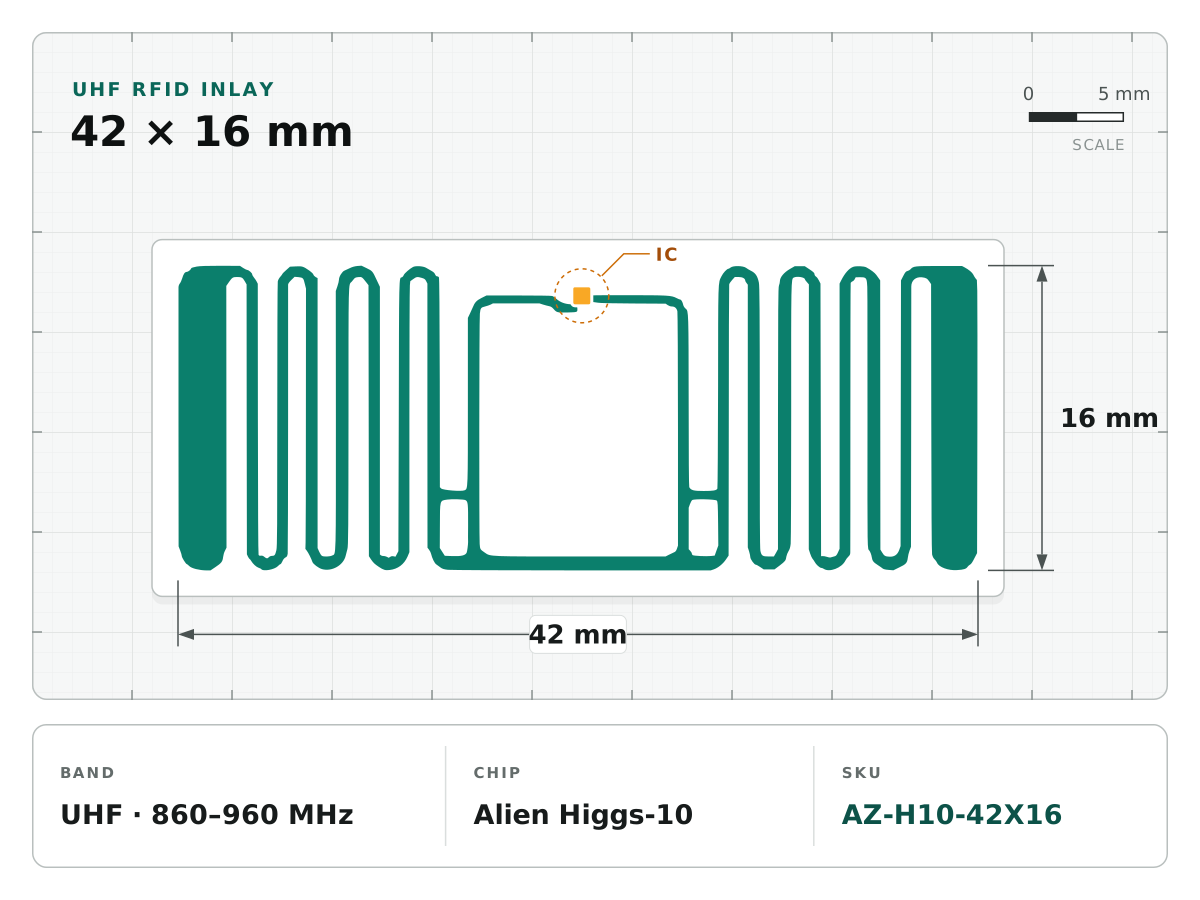
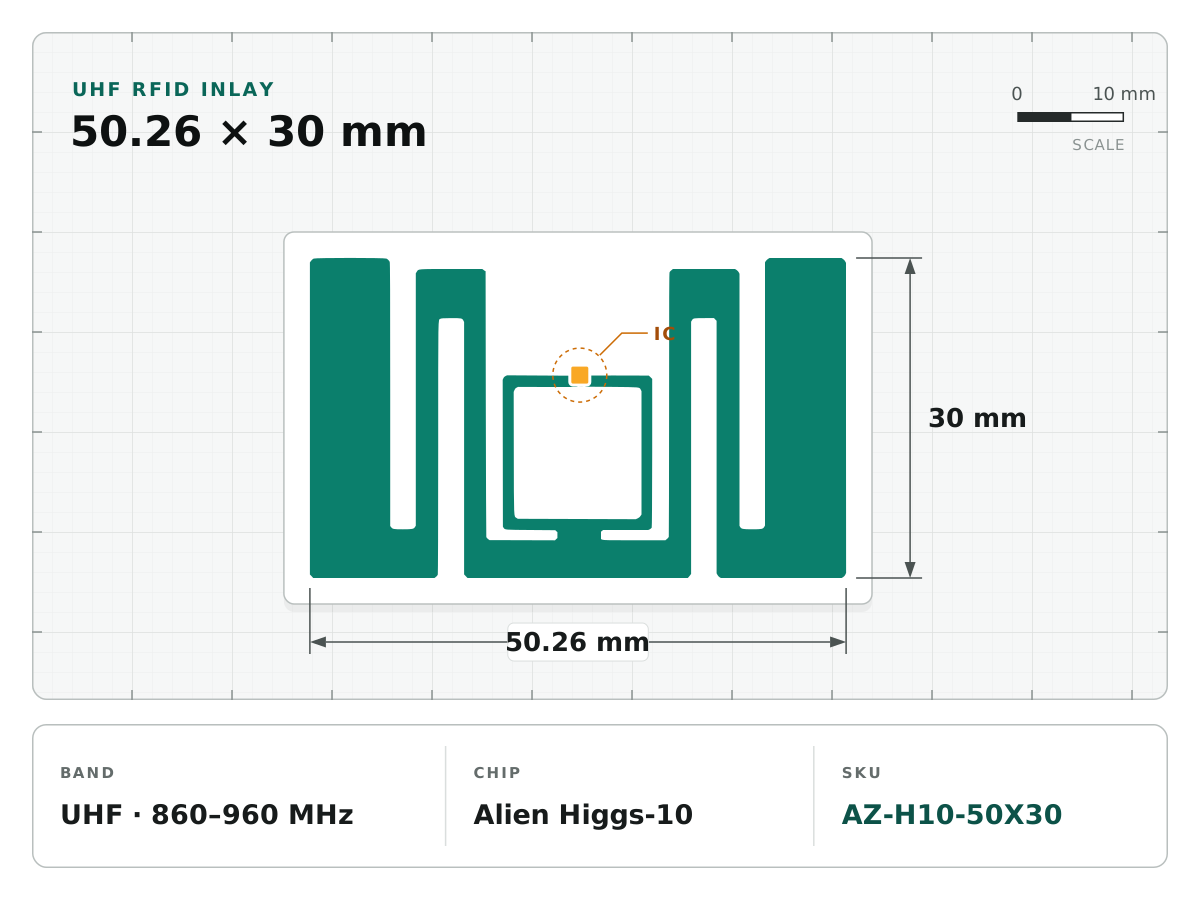
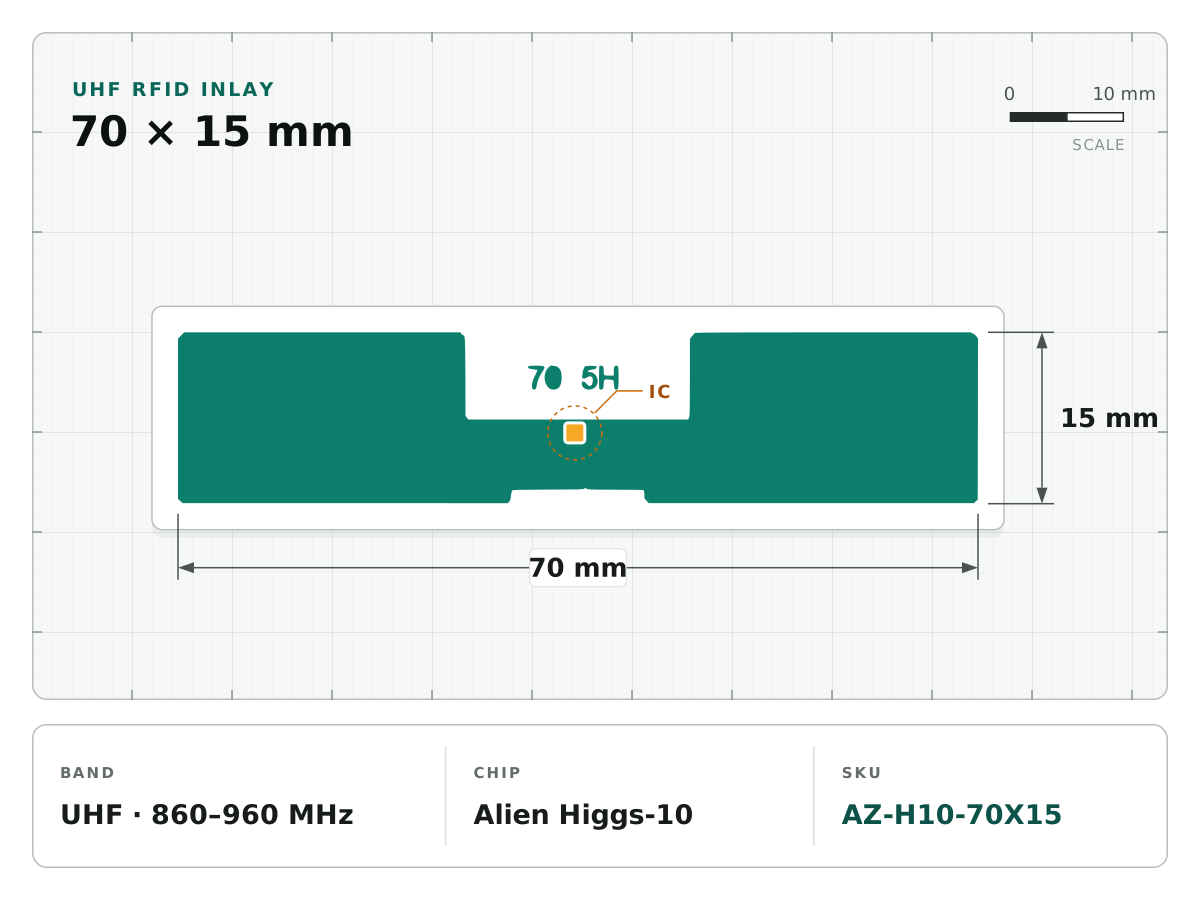
An RFID label contains more than a printed identifier. The conductor, chip connection, conversion materials and encoded data all contribute to the delivered product. The process below is a practical checklist for discussing production evidence; individual manufacturers may use different methods.
Antenna and chip become an inlay
The antenna conductor is formed on a substrate according to a defined design. The chip is attached to the antenna connection area, with the bonding process controlled for the chosen chip and substrate. Chip suppliers publish electrical requirements; the finished inlay manufacturer is responsible for realizing them in a repeatable assembly.
Request the exact chip and antenna revision. A photograph or footprint alone cannot establish design equivalence. Changes to conductor geometry or the bonding process can affect performance even when the outer label remains unchanged.
Conversion creates the usable format
A dry inlay can be laminated with adhesive, liner and face stock, then die cut into the requested label geometry. Printing, a spacer or a hang-tag structure adds further steps. Roll pitch, winding and inlay location must match the downstream equipment.
Compare the delivered UHF label format with the custom-conversion requirements. A production drawing should mark feed direction and the antenna’s position, not only the finished width and height.
Encoding is a controlled data process
If the order includes serialization, assign responsibility for serial allocation, payload generation, write verification and rejects. Read back the final value and compare it with the source record. Where locking is required, approve it only after verifying the data and access policy.
One tag responding to a reader does not prove every serial is unique. Request a data report suitable for duplicate checks and reconciliation of accepted quantities.
Separate three levels of quality evidence
- Electrical screening: does each tested tag communicate and meet the agreed electrical criteria?
- Batch RF characterization: does a sample from the lot remain within the defined RF performance window?
- Application validation: does the finished tag perform on the actual item in the buyer’s workflow?
Agree the sampling method, limits and report before production. Define traceability information and a rule for substitutions. “Tested” is too vague without the method and acceptance limits.
Antenza works with a production partner and handles engineering support, samples, testing, quality control and export. Share your finished-label drawing and acceptance requirements through the RFQ form so these checks can be included in the supply specification.